

The integration of parrots into human households has surged globally, transforming these intelligent, often vibrant birds into cherished companion animals. While their captivating personalities and remarkable cognitive abilities bring immense joy, their inherent curiosity and natural instincts, honed over millennia in complex wild environments, render them uniquely vulnerable within the confines of a modern home. Responsible parrot ownership extends far beyond providing food and shelter; it necessitates a proactive and rigorous commitment to "parrot-proofing" one’s living space, a crucial yet frequently underestimated aspect of avian welfare. Without diligent preventative measures, common household items and seemingly innocuous behaviors can pose severe, often fatal, threats to these delicate creatures. This article outlines essential safety protocols, drawing on expert advice and established avian veterinary guidelines, to ensure a secure environment for your feathered family member.
The Inherent Vulnerability of Avian Companions
Parrots, regardless of species, are highly intelligent and intensely inquisitive animals. Their primary means of exploring their world is through their beaks, which they use for climbing, manipulating objects, and, most notably, chewing. In their natural habitats, this behavior serves to maintain beak health, forage for food, and excavate or maintain nesting cavities within trees. Transposed into a human home, this natural drive to explore and chew transforms everyday objects into potential hazards. Electrical cords, toxic substances, fragile household items, and even the structural elements of a home become irresistible targets for investigation. Furthermore, their innate desire to find small, enclosed spaces for nesting or security can lead them into dangerous entrapments. Unlike many domesticated mammals, parrots possess a flight instinct and a highly developed sensory system, making them susceptible to environmental factors that might be imperceptible or harmless to humans or other pets. Their small size and delicate bone structure also mean that even minor impacts or encounters can result in significant injury.
Historical Precedent and Modern Risks: The "Canary in the Mine" Legacy
The profound sensitivity of avian respiratory systems is not a recent discovery; it has a grim historical precedent embodied by the "canary in the mine." For centuries, canaries were used by miners as biological gas detectors, their susceptibility to toxic gases like carbon monoxide and methane providing an early warning system for human workers. If a canary showed signs of distress or collapsed, miners knew to evacuate. This historical application underscores a critical physiological reality: birds have incredibly efficient, yet fragile, respiratory systems. Their unique unidirectional airflow and large surface area for gas exchange make them exceptionally vulnerable to airborne toxins that might merely irritate or go unnoticed by humans.
In contemporary homes, this sensitivity translates into a broad spectrum of atmospheric threats. Overheated non-stick cookware, which releases polytetrafluoroethylene (PTFE) fumes, is a notorious and rapid killer of pet birds, often causing death before owners even detect an odor. Aerosol sprays – including air fresheners, deodorants, hairsprays, and cleaning products – contain volatile organic compounds (VOCs) and propellants that can severely damage avian lungs. Scented candles, incense, plug-in air fresheners, and even strong perfumes or colognes emit particulate matter and chemicals that are detrimental. Smoke from cigarettes, cigars, fireplaces, or even burnt food can cause respiratory distress, leading to chronic illness or acute death. Even ambient air quality, influenced by factors like nearby industrial emissions or wildfire smoke, can pose a significant threat, necessitating the use of high-quality air purifiers with HEPA and activated carbon filters in rooms where parrots reside. A carbon monoxide detector and smoke detector are not merely optional; they are indispensable safety devices for any home with birds, safeguarding both avian and human occupants.
Navigating the Domestic Minefield: Essential Parrot-Proofing Strategies
Implementing a comprehensive parrot-proofing strategy requires meticulous attention to detail and a commitment to continuous vigilance. The following categories outline critical areas of concern and recommended preventative measures:
1. Electrical Hazards: Taming the Current Danger
Parrots’ instinctual need to chew, essential for beak maintenance and exploration, makes electrical cords and outlets exceptionally dangerous. A bird gnawing through an energized wire can suffer severe electrical burns, internal organ damage, or instantaneous death by electrocution. Even a non-fatal shock can be profoundly traumatic, leading to lasting behavioral issues. According to avian veterinary reports, electrocution incidents, while preventable, remain a consistent cause of emergency visits and fatalities.
To mitigate this risk, all electrical cords in areas accessible to a parrot must be secured or protected. Methods include:
- Concealment: Routing cords behind heavy furniture, inside walls, or within dedicated cable management systems.
- Protection: Encasing cords in PVC pipes, rigid plastic cord protectors, or heavy-duty wire loom tubing designed to withstand chewing.
- Unplugging: Unplugging appliances when not in use, especially those with thin, easily accessible cords.
- Outlet Covers: Using child-proof safety caps on all unused electrical outlets.
- Supervision: Never leaving a parrot unsupervised in a room with unprotected electrical wiring.
2. Atmospheric Threats: Protecting Delicate Lungs
As previously discussed, a parrot’s respiratory system is extraordinarily sensitive. Beyond the "canary in the mine" historical context, modern scientific understanding has pinpointed specific chemicals and particulates that are highly toxic to birds. Polytetrafluoroethylene (PTFE), commonly found in non-stick cookware, space heaters, and ironing board covers, releases invisible, odorless fumes when overheated that cause pulmonary hemorrhage and rapid death in birds, often within minutes. A 2008 study by Lightfoot and Yeager highlighted the severe risks of pet bird toxicity, with airborne toxins being a primary concern.
To maintain optimal air quality:
- Eliminate PTFE: Remove all non-stick cookware, bakeware, and appliances (e.g., toasters, waffle makers) containing PTFE or similar fluoropolymers from the home, or at least from any area a parrot might access. Opt for stainless steel, cast iron, or ceramic alternatives.
- No Aerosols: Strictly prohibit the use of aerosol sprays (hair spray, deodorants, air fresheners, cleaning products, bug sprays) anywhere in the house.
- Fragrance-Free Zone: Avoid scented candles, incense, essential oil diffusers, potpourri, plug-in air fresheners, and strong perfumes.
- Smoke-Free Environment: Absolutely no smoking of cigarettes, cigars, pipes, or vaping indoors.
- Ventilation: Ensure excellent ventilation, especially when cooking, even with bird-safe cookware. Install exhaust fans and open windows when weather permits (ensuring window safety).
- Air Purification: Invest in high-quality air purifiers with HEPA and activated carbon filters for rooms where parrots spend time.
- Chemical Storage: Store all cleaning agents, pesticides, and other household chemicals in secure, airtight containers, far away from bird-accessible areas.
3. Toxic Ingestion: The Silent Killer in Our Homes
Parrots explore with their beaks, meaning anything within reach is a potential snack. Accidental ingestion of toxic substances is a leading cause of illness and death in pet birds. The range of household items that can be poisonous is vast, necessitating extreme vigilance.
Key areas of concern include:
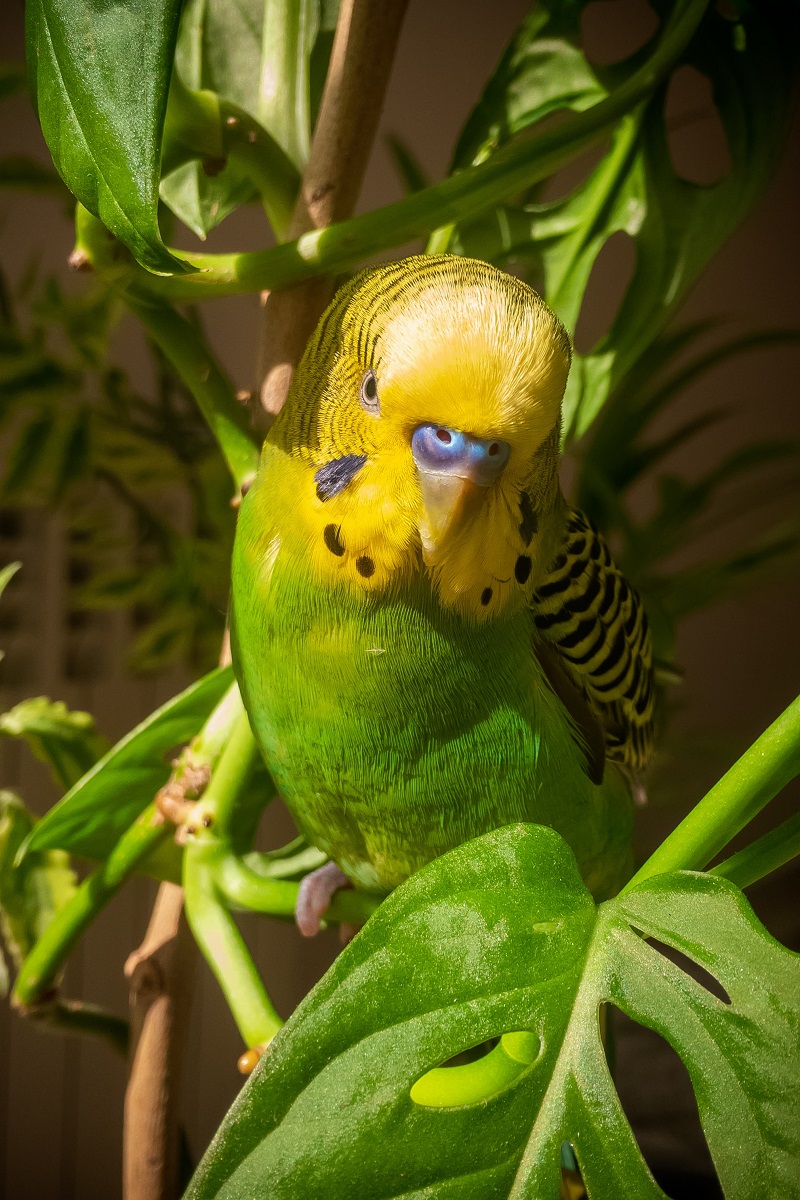
- Toxic Plants: While many houseplants are bird-safe, numerous common varieties are highly toxic, including lilies, philodendrons, poinsettias, azaleas, diffenbachia, and some types of ivy. Owners must research every plant in their home and remove or secure any that pose a risk.
- Human Foods: Several common human foods are highly toxic to parrots, even in small quantities. These include chocolate, avocado, alcohol, caffeine, apple seeds (containing cyanide), onion, garlic, and excessive salt or sugar.
- Medications: Human and other pet medications (painkillers, antidepressants, heart medication) are extremely dangerous. All pills and liquid medications must be kept in secure, child-proof containers, out of reach.
- Heavy Metals: Items containing lead (old paint, stained glass, fishing weights, costume jewelry) or zinc (galvanized cages, toys, hardware, some zippers) can cause severe heavy metal poisoning. Signs include neurological issues, weakness, and gastrointestinal upset. It is crucial to use only bird-safe, powder-coated or stainless steel cages and toys.
- Cleaning Products & Chemicals: Bleach, detergents, disinfectants, pest control products, and antifreeze are highly corrosive and toxic. Store them securely and ensure no residue remains on surfaces accessible to birds.
- Cosmetics & Personal Care Items: Lotions, soaps, makeup, nail polish, and perfumes contain chemicals that are not meant for ingestion.
- Marijuana and Nicotine Products: These are highly toxic and should be kept strictly out of reach.
4. Environmental Traps: Doors, Windows, and Reflective Surfaces
Uncontrolled flight within a human home or accidental escape outdoors poses significant risks.
- Escape Prevention: Parrots can be incredibly quick. A door left ajar or an unsecured window can lead to an immediate escape, drastically reducing the bird’s chances of survival.
- Install robust screens or mosquito netting on all windows in rooms where the parrot is allowed free flight.
- Place clear signage or reminders on doors and windows, especially when guests are present, to ensure they are always closed and latched.
- Develop a habit of confirming the parrot’s location (in cage or on a designated stand) before opening any exterior door or window.
- Consider double-door entry systems for primary bird rooms.
- Collision Risks: Reflective surfaces like mirrors, large windows, or polished furniture can confuse a flying bird, leading to high-speed collisions. These impacts can cause concussions, broken bones, or internal injuries.
- Cover mirrors with drapes or decorative film.
- Apply static window clings or decals to large glass panes to make them visible to birds.
- Keep interior doors closed to restrict access to potentially hazardous rooms, and to prevent accidental crushing injuries if a bird perches on top of a door frame and it is suddenly closed.
5. Cage as Sanctuary: Ensuring a Secure Habitat
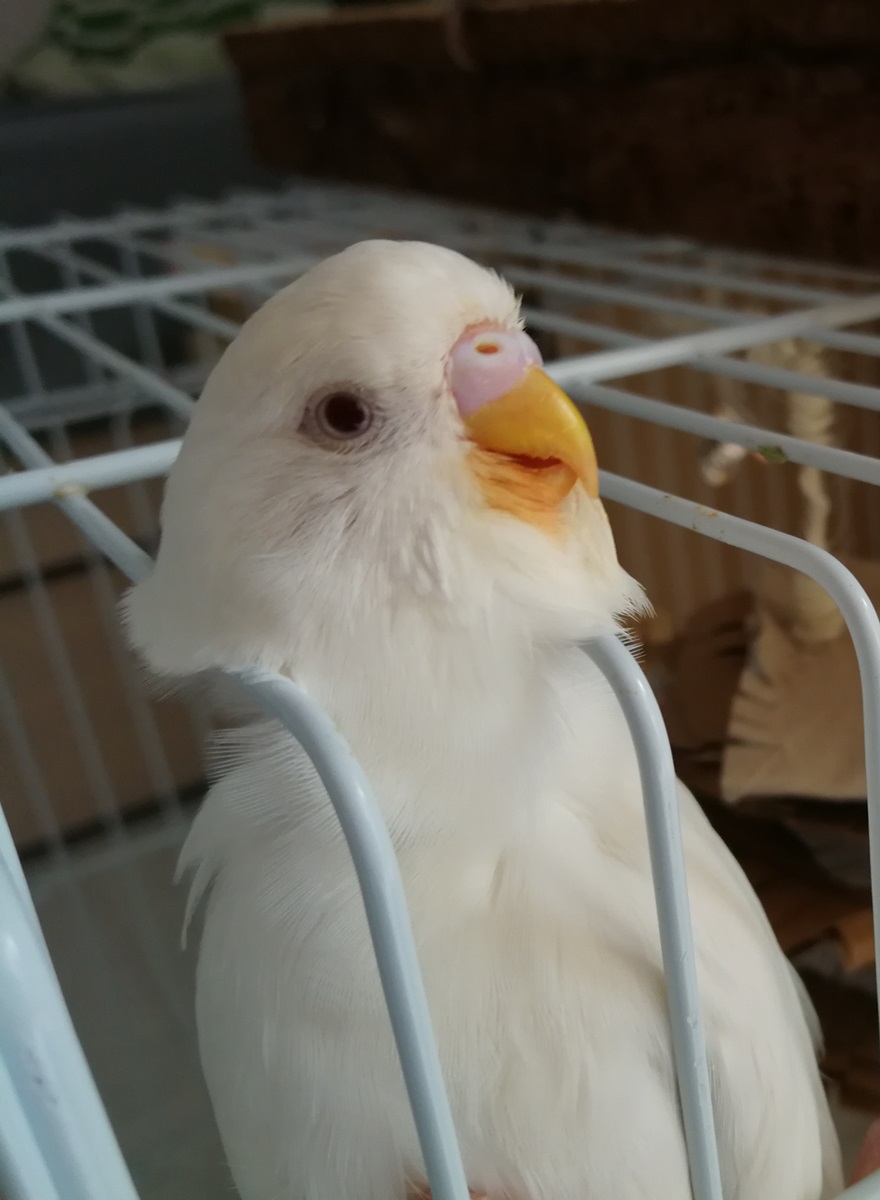
The parrot’s cage is its primary sanctuary, yet it can also harbor dangers if not properly selected and maintained.
- Bar Spacing: Crucial for preventing entrapment. The bars must be narrow enough so the bird cannot fit its head through, which can lead to strangulation. A general rule is that the bar spacing should be less than the width of the bird’s head.
- Cage Material and Condition:
- Choose cages made from powder-coated steel or stainless steel to prevent rust and heavy metal poisoning (galvanized zinc cages are a known hazard, as highlighted by Lightfoot & Yeager, 2008).
- Regularly inspect the cage for rust, sharp edges, broken welds, or areas of damage caused by chewing, especially with larger, stronger parrots. Damaged cages should be repaired or replaced promptly.
- Toy Safety: Toys are essential for enrichment but must be chosen and maintained with extreme care.
- Material: Avoid toys made with galvanized metal components, toxic plastics, or easily splintering woods. Natural, untreated wood, paper, cardboard, and bird-safe acrylic are preferred.
- Design: Inspect toys for loops, small gaps, or areas where a bird’s toe, beak, or head could become trapped. Remove any bells with clappers that can be ingested or get caught.
- Maintenance: Regularly inspect toys for damage. Heavily chewed or frayed toys can become dangerous, creating entanglement risks or exposing internal hazardous components. Remove and replace damaged toys, repurposing safe components if possible.
- Zinc Toxicity: The study by Lightfoot and Yeager (2008) explicitly warns against zinc-containing items, noting that toys marketed as "bird-safe" have been responsible for severe illness and death due to zinc toxicity.
6. Furniture and Enclosed Spaces: Preventing Entrapment
Parrots’ innate drive to explore and seek out small, dark, enclosed spaces, mimicking natural nesting hollows, can lead them into dangerous predicaments within a home.
- Block Access: Proactively block off any potential hiding spots:
- Behind or underneath heavy furniture (dressers, cabinets, refrigerators, washing machines).
- Inside open drawers or cabinets.
- Behind or inside electronics.
- Under beds or recliners.
- Secure Openings: Use child-proof latches on cabinets and drawers. Fill gaps behind appliances with bird-safe materials. Ensure no small openings exist in walls or ceilings that a curious bird could enter and become stuck.
- Recliner Danger: Reclining chairs are particularly dangerous. A parrot can easily be crushed if it climbs into the mechanism or under the footrest when someone sits down or adjusts the chair.
7. Water Dangers: Unseen Pits
While some parrots enjoy bathing, open sources of water in the home present a significant drowning risk, especially for smaller or less agile birds.
- Toilet Bowls: Uncovered toilet bowls are a common and tragic cause of parrot drowning. Always keep the toilet lid down, especially if your parrot is allowed in the bathroom.
- Aquariums and Fish Tanks: These should always have secure, heavy covers that a parrot cannot lift or fall into.
- Other Water Sources: Actively supervise parrots around filled bathtubs, sinks, buckets, large vases, or any other container holding water. Empty these immediately after use or ensure they are inaccessible.
8. Inter-Species Risks: The Peril of Other Pets
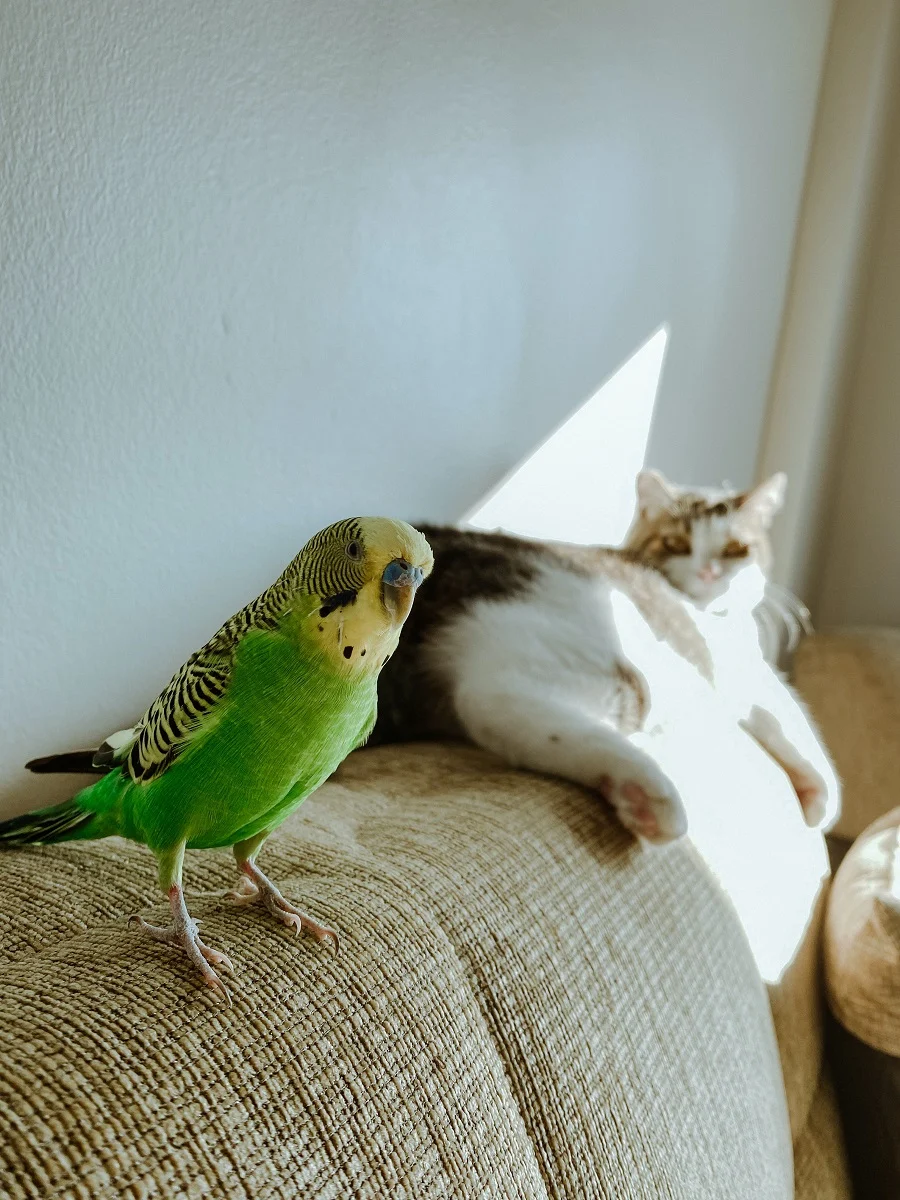
A pervasive and dangerous misconception is that different species can safely cohabitate or even interact, particularly concerning parrots and predatory animals like cats and dogs. Even the most "well-behaved" dog or cat, or a seemingly docile ferret or rabbit, possesses natural instincts that can be lethal to a fragile parrot.
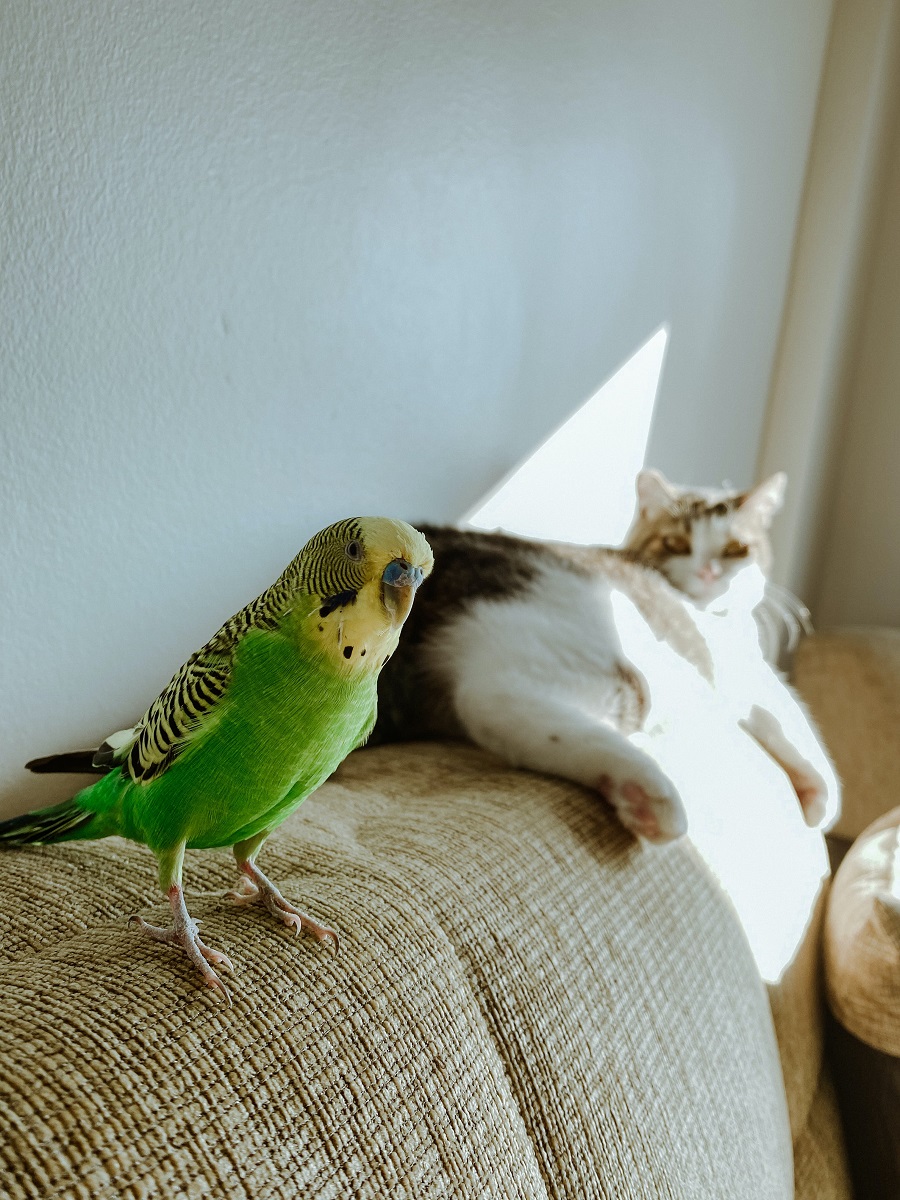
- Predatory Instincts: A parrot’s sudden movement, a squawk, or flight can trigger a predator’s instinct in a dog or cat, leading to a swift, often fatal, attack.
- Bacterial Transfer: Even an accidental scratch or bite from a cat or dog, which may seem minor, can introduce deadly bacteria (like Pasteurella from a cat’s mouth or claws) into a parrot’s bloodstream, leading to rapid and overwhelming infection. Avian veterinarians consistently warn against any physical contact between parrots and other pets due to this high risk of infection.
- Crushing Injuries: A dog or even a larger rabbit could accidentally step on or crush a small parrot.
- Strict Separation: The only safe approach is strict separation. Parrots should never be allowed out of their cage when other pets are loose in the same room. Designated "parrot-only" rooms or high, secure playstands can help, but constant supervision and physical barriers are paramount.
Beyond the Checklist: Cultivating a Culture of Safety
Parrot-proofing is not a one-time task but an ongoing commitment to a dynamic environment. Regular inspections of the home, especially as new items are introduced or furniture is rearranged, are essential. Furthermore, educating all household members, including children and frequent visitors, about bird safety protocols is critical. Everyone must understand the rules regarding doors, windows, and interaction with the parrot.
Emergency Preparedness: Despite the most diligent efforts, accidents can still happen. Every parrot owner must have a basic understanding of avian emergency care, know how to safely transport an injured bird, and, most importantly, have the contact information for an experienced avian veterinarian readily accessible. Regular veterinary check-ups are also crucial for early detection of health issues and to receive personalized safety advice.
Responsible parrot ownership is a profound commitment that demands continuous vigilance and a deep understanding of these intelligent creatures’ unique needs and vulnerabilities. By meticulously implementing these safety measures, owners can transform their homes into secure havens, allowing their beloved avian companions to thrive and live long, healthy lives, free from preventable dangers.
