


Brussels, Belgium – February 25, 2026 – In a move that has drawn sharp criticism from environmental advocates and public health organizations, the European Commission has put forward a revised proposal to restrict lead in ammunition, significantly watering down previous ambitions by excluding lead bullets from its scope. The decision, made by the EU REACH Committee today, has been met with disappointment as it directly contradicts a clear public mandate, exemplified by a petition signed by over 60,000 European citizens, and overlooks substantial scientific evidence regarding the pervasive dangers of lead contamination.
The amendment represents a strategic retreat from a more comprehensive ban, a decision that critics argue prioritizes narrowly defined economic interests over the health of both citizens and the environment. The #BanLeadNow initiative, a prominent campaign spearheaded by BirdLife Europe, the Royal Society for the Protection of Birds (RSPB), and the Wildfowl & Wetlands Trust (WWT), had mobilized a vast network of concerned individuals across the continent. Their collective voice demanded an immediate and unequivocal prohibition of lead in all ammunition and fishing weights, aiming to curb the annual dispersal of thousands of tonnes of toxic lead into Europe’s ecosystems.
Further underscoring public sentiment, a recent survey conducted by EuroGroup for Animals revealed that a striking seven out of ten EU citizens actively support a ban on lead ammunition. This overwhelming public consensus appears to have been disregarded by the Commission’s revised proposal, which appears to have appeased certain industry lobbies at the expense of public and environmental well-being.
A Compromised Proposal Amidst Growing Momentum
The European Chemicals Agency (ECHA) has been at the forefront of the regulatory process, with the REACH (Registration, Evaluation, Authorisation and Restriction of Chemicals) framework serving as the primary legislative instrument for managing chemical risks within the European Union. The initial proposal, developed through extensive scientific review and public consultation, had aimed for a more robust restriction. However, the revised text presented to the REACH Committee today marks a significant dilution of these efforts.

The exclusion of lead bullets from the proposed restriction is a particularly contentious point. Environmental organizations argue that this omission creates a loophole that will perpetuate the widespread contamination of game meat with lead fragments, posing a direct health risk to consumers, especially vulnerable populations such as children and pregnant women. Scientific studies have consistently demonstrated the neurotoxic effects of lead, even at low levels, with long-term implications for cognitive development and overall health.
Voices of Concern and Calls for Action
Marion Bessol, Nature Conservation Policy Officer at BirdLife Europe and Central Asia, articulated the profound disappointment felt by many: “Removing bullets from the proposal is not just shortsighted: it is a dangerous decision that turns a blind eye to the proven risks to human health and wildlife. The claim that a civilian ban would affect the military is cynical fearmongering, as the original proposal already gave ample flexibility to ensure defence preparedness and avoid economic disruption. We now urge Member States to adopt a robust restriction that will truly protect citizens and the environment.”
This sentiment is echoed by a growing coalition of scientists, public health professionals, and conservationists who have been advocating for a transition to non-toxic alternatives. The availability of these alternatives is no longer a point of contention; numerous studies and practical applications have confirmed their efficacy and safety. For instance, Denmark has already implemented comprehensive restrictions on both lead shot and bullets, demonstrating that such transitions are feasible and beneficial. More recently, the United Kingdom has also moved towards banning lead ammunition in outdoor shooting, signaling a broader European trend towards embracing lead-free alternatives.
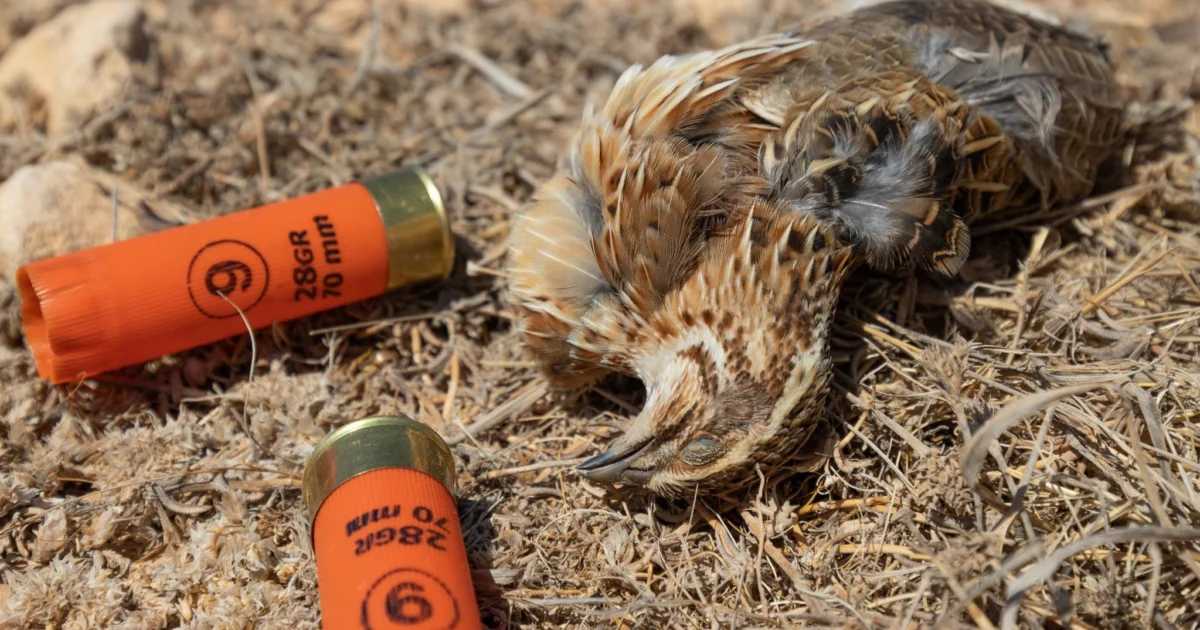
The ecological devastation caused by lead ammunition is well-documented. Over one million birds in Europe are estimated to die annually from lead poisoning, a direct consequence of ingesting spent lead fragments or consuming game meat contaminated with lead. Iconic and endangered species are particularly susceptible, facing an increased threat to their survival due to the persistent presence of lead in their habitats and food sources.
The Science Behind the Ban

The scientific consensus on the detrimental effects of lead is unequivocal. Lead is a persistent toxin that bioaccumulates in the environment and in living organisms. Its presence in ammunition means that every shot fired releases small lead fragments into the environment, which can travel considerable distances and contaminate soil, water, and vegetation.
When game animals are shot with lead ammunition, lead fragments fragment within the animal’s tissues. These fragments can remain in the meat, and when consumed by humans or other animals, they introduce lead into the food chain. The extent of fragmentation can be significant, with a single bullet potentially breaking into hundreds or even thousands of small particles.
The health implications for humans are particularly concerning. Lead exposure in children can lead to irreversible developmental problems, including reduced IQ, learning disabilities, and behavioral issues. Pregnant women exposed to lead are at higher risk of miscarriage, stillbirth, and premature birth, and their babies may experience developmental problems. For adults, lead exposure has been linked to cardiovascular problems, kidney damage, and reproductive issues.
For wildlife, the consequences are equally dire. Birds are especially vulnerable due to their digestive systems. They may mistake lead fragments for grit, ingesting them and leading to lead poisoning. This can manifest as lethargy, loss of appetite, neurological damage, and ultimately, death. Scavenging birds that consume carcasses containing lead fragments are also at high risk.
A Timeline of Regulatory Efforts
The push for a comprehensive ban on lead in ammunition has been a long and complex process, involving years of scientific research, public consultations, and advocacy.
- Early 2010s: Growing awareness and scientific evidence of lead ammunition’s impact begin to fuel calls for regulation.
- Mid-2010s: Environmental organizations intensify their advocacy efforts, launching campaigns to raise public awareness and lobby policymakers.
- Late 2010s: The European Chemicals Agency (ECHA) begins preliminary assessments and consultations on the risks associated with lead in ammunition.
- Early 2020s: ECHA formally proposes a restriction on lead in shot, bullets, and fishing weights under the REACH Regulation. This initial proposal garners significant public support.
- 2024-2025: Extensive stakeholder consultations and scientific reviews take place. Discussions within the REACH Committee highlight differing perspectives, particularly from industry groups concerned about economic impacts.
- February 2026: The European Commission presents a revised proposal to the REACH Committee, which notably excludes lead bullets from the restriction. This decision is met with widespread criticism from environmental and health organizations.
The original proposal, which aimed for a broader restriction, had already included provisions to mitigate potential impacts on military use and ensure the availability of ammunition for outdoor shooting ranges. This suggests that the concerns raised by some about economic disruption or defense preparedness may have been exaggerated or strategically employed to weaken the regulatory outcome. The very limited percentage of lead bullet production compared to sporting ammunition (approximately 134 tonnes annually versus 42,000 tonnes for sports shooting) further questions the rationale for excluding hunting bullets from a comprehensive ban.
Implications for the Future of Environmental Policy
The decision by the EU REACH Committee has significant implications beyond the immediate issue of lead ammunition. It raises questions about the EU’s commitment to evidence-based policymaking and its ability to resist industry lobbying when confronted with clear scientific consensus and strong public demand.
For advocates of environmental protection, this setback underscores the persistent challenges in translating scientific findings into effective policy. It highlights the need for continued vigilance and sustained public pressure to ensure that environmental and health concerns are not sidelined.
The broader impact on biodiversity conservation and public health in Europe could be substantial. Continued lead contamination will perpetuate the cycle of poisoning for wildlife and pose ongoing risks to human populations, particularly those who rely on game meat as a food source.
As the responsibility now shifts to EU decision-makers within the Member States to ultimately adopt a robust restriction, the coming months will be crucial. Environmental organizations are urging them to heed the overwhelming public desire and scientific evidence, and to champion a comprehensive ban that truly safeguards both citizens and the delicate ecosystems of Europe. The failure to act decisively now risks undermining the credibility of EU environmental regulations and perpetuating a preventable public health and ecological crisis. The path forward requires a renewed commitment to scientific integrity and a genuine prioritization of long-term well-being over short-term economic considerations.
