


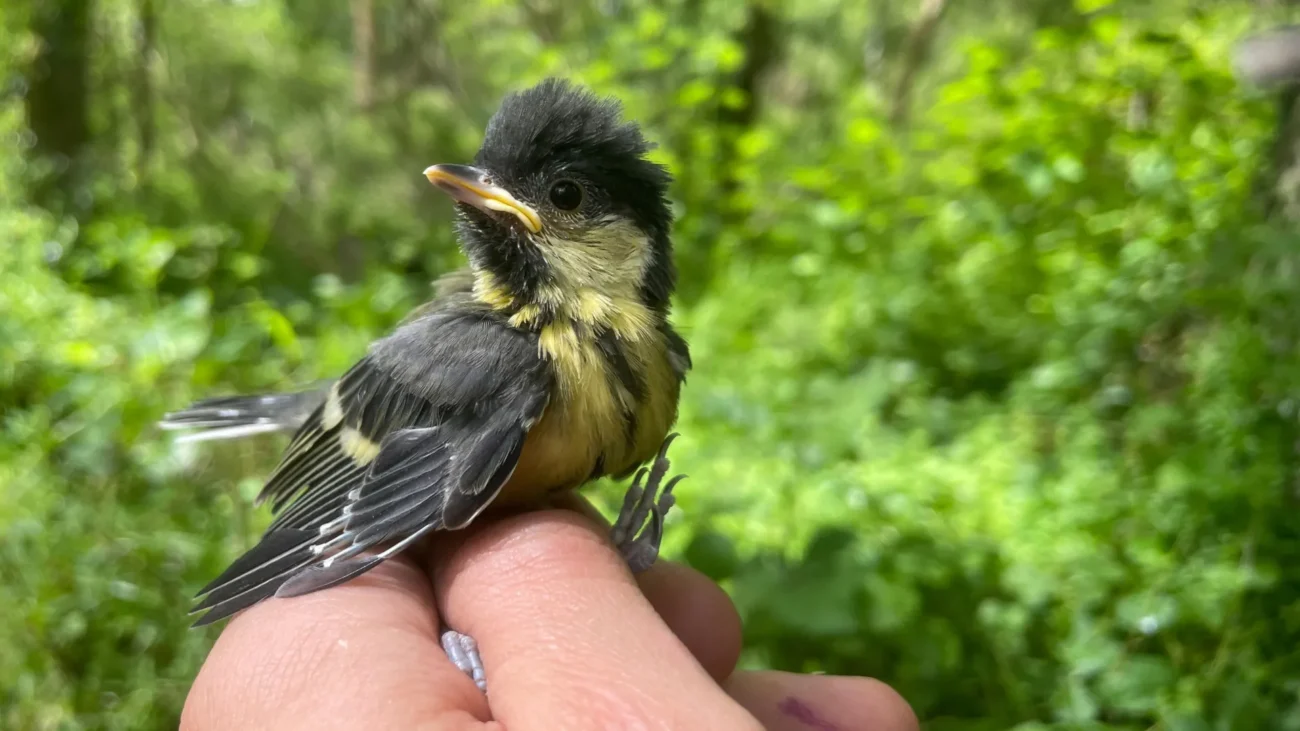
A groundbreaking study from the University of Oxford, published on March 11th, has unveiled a stark reality for the United Kingdom’s great tit population: sudden cold snaps and prolonged heavy rainfall significantly hinder chick growth and diminish their chances of survival. The research, drawing on an unprecedented 60-year dataset, also offers a glimmer of hope, suggesting that birds initiating their breeding cycles earlier in the season may possess a natural advantage, buffering them against the most detrimental effects of these increasingly volatile weather patterns.
The comprehensive findings are the culmination of an exhaustive analysis conducted by scientists at Oxford’s Department of Biology. For six decades, researchers meticulously gathered data on over 80,000 individual wild great tits residing in the renowned Wytham Woods. This extensive biological record was then meticulously cross-referenced with granular daily weather observations. By pinpointing the coldest, wettest, and hottest days within each breeding season, the research team was able to quantify the frequency of these extreme weather events during critical phases of chick development. The subsequent impact on nestlings’ body mass at fledging – a key indicator of their future survival prospects – was then precisely measured.
The Devastating Impact of Cold and Rain on Nestling Development
The study’s revelations paint a concerning picture of the challenges faced by young great tits. Severe cold experienced during the crucial first week after hatching was identified as particularly pernicious, directly impacting fledgling body mass. As the chicks mature, heavy rainfall emerges as a more dominant threat. Across the board, both cold spells and persistent downpours can lead to a reduction in fledging body mass by as much as 3%.
However, the situation escalates dramatically when intense heat coincides with heavy rainfall. In such compounding scenarios, the impact on fledging mass can be catastrophic, with reductions reaching up to a staggering 27%. This amplified negative effect is disproportionately felt by broods that hatch later in the breeding season, suggesting a compounding vulnerability as the season progresses.
Dr. Devi Satarkar, the lead researcher on the project and a member of the University of Oxford’s Department of Biology, elaborated on these findings. "In the Wytham population, we’ve observed great tits adapting to warmer springs by advancing their breeding times. This earlier nesting strategy allows them to synchronize with the peak abundance of their primary food source, caterpillars. While this overall shift towards earlier laying is undoubtedly beneficial, buffering them against many impacts of extreme weather, it concurrently exposes them to the risks of cold spells early in the season. Even seemingly minor deficits incurred in early life can have profound implications for long-term survival. As climate change continues to accelerate the frequency and intensity of extreme weather events, maintaining this delicate balance will only become more challenging for these birds."
The Physiological and Ecological Mechanisms at Play
The vulnerability of young birds to cold and rain stems from fundamental biological limitations. Newly hatched chicks possess underdeveloped thermoregulatory capabilities; their nascent feathers provide insufficient insulation, forcing them to expend a significant portion of their limited energy reserves solely on maintaining core body temperature rather than on growth and development. This energy diversion directly compromises their ability to gain weight and build reserves essential for survival.
Beyond direct physiological stress, adverse weather conditions also disrupt the critical food supply chain. Extreme cold and heavy rainfall can severely curtail the ability of parent birds to leave the nest in search of food. Furthermore, the physical force of rainfall can dislodge caterpillars from their perches on vegetation, diminishing the primary food source that growing chicks rely on to meet their exceptionally high energy demands. Caterpillars, a staple in the great tit diet, are vital not only for their nutritional content but also for their high water content, which helps prevent dehydration in nestlings.
The Nuances of Thermal Extremes: Mild Heat as a Potential Boon
In an unexpected turn, the study also identified a potentially beneficial aspect of warmer weather extremes. In contrast to the detrimental effects of cold and rain, warmer periods during the nestling stage were linked to increased fledging weights. While high temperatures are often associated with heat stress, the study suggests that the relatively mild warm spells observed in Oxfordshire differ significantly from the extreme heat experienced in other regions.
Dr. Satarkar clarified this nuanced finding: "Extreme weather events are impacting wild bird populations in intricate and multifaceted ways. The level of warmth we’re observing in these heat extremes in Oxfordshire may actually promote growth. This is likely because warmer conditions can boost insect activity and visibility, making caterpillars easier for parents to locate. Simultaneously, it allows parents to forage more extensively and reduces the thermoregulatory costs for the nestlings themselves. The high water content in caterpillars also plays a crucial role in combating dehydration. This stands in stark contrast to hotter regions like the Mediterranean, where similar events can exceed 35°C and inflict significant harm on nestlings."
The Advantage of Early Nesting: A Temporal Strategy for Survival
The research strongly indicates that broods hatching earlier in the spring are at a distinct advantage. These early nesters often benefit from occasional warm spells when caterpillar populations are at their peak and ambient temperatures remain within safe, non-stressful limits. Conversely, birds that delay their breeding efforts face considerably tougher conditions. The fledglings from later broods are, on average, approximately one-third lighter, even when the warmest days they experience are similar in temperature to those of early nesters, around 16-17°C.
Over the long term, the study’s data suggests that while extreme cold and rainfall slightly reduce the probability of young birds surviving to adulthood, warmer extremes can exert small positive effects. Collectively, the evidence underscores that breeding earlier within a given season appears to be a critical strategy for shielding a significant proportion of the great tit population from the most severe repercussions of unpredictable weather.
Broader Implications: Climate Change and the Future of Avian Conservation
As climate change continues to drive an increase in the frequency and intensity of extreme weather events globally, the findings of this study carry profound implications for wildlife conservation. Scientists emphasize the growing importance of monitoring fine-scale environmental conditions, including microclimates and localized habitat variations. This granular level of understanding is essential for developing effective conservation strategies. Such strategies could include optimizing nest box placement, implementing targeted woodland management practices, and other interventions designed to better protect vulnerable chicks during their most critical developmental stages.
The research team at the University of Oxford plans to sustain their long-term monitoring of the great tit population in Wytham Woods. Their ongoing work aims to discern how these weather-driven effects might evolve in the coming years. A key area of future investigation will be to determine whether heatwaves that are currently considered moderate could eventually become detrimental as global temperatures continue their upward trajectory. The capacity of species like the great tit to adapt to these rapidly changing environmental pressures will be a critical determinant of their long-term survival. The study serves as a potent reminder of the intricate connections between climate, weather, and the delicate balance of ecosystems, underscoring the urgent need for proactive conservation measures in the face of a changing planet.
