


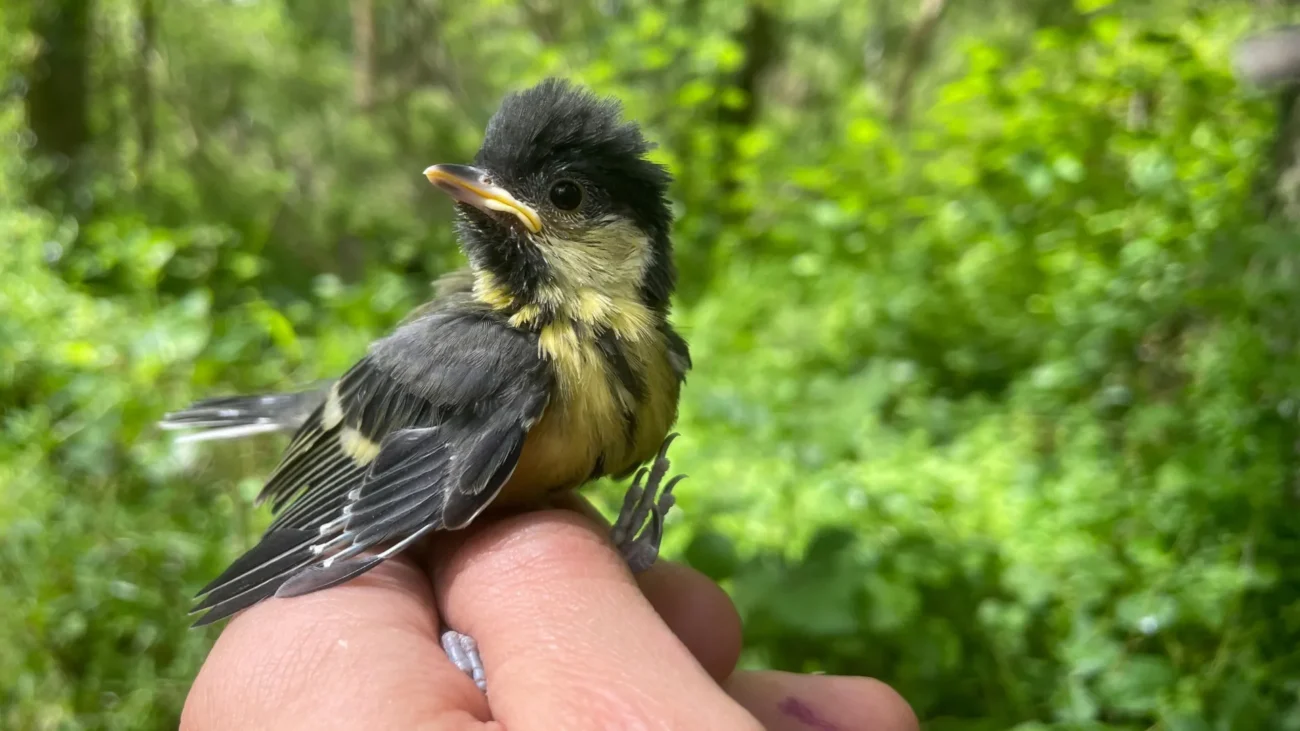
A groundbreaking study from the University of Oxford, published on March 11, reveals a stark reality for young great tits in the United Kingdom: sudden cold snaps and torrential rainfall significantly impede their growth and diminish their chances of survival. However, the research, drawing on an unprecedented six decades of data, also offers a glimmer of hope, suggesting that birds initiating their breeding efforts earlier in the season may effectively sidestep many of the detrimental consequences associated with these increasingly volatile weather patterns.
The extensive dataset, meticulously compiled over 60 years, encompasses records from more than 80,000 individual wild great tits residing in Oxford’s renowned Wytham Woods. This rich historical data was meticulously cross-referenced with detailed daily meteorological records, allowing scientists to pinpoint the coldest, wettest, and hottest days within each breeding season. By isolating these extreme weather events and correlating them with critical stages of chick development, researchers were able to quantify their impact on nestling body mass at fledging – a crucial indicator of subsequent survival. The study’s findings paint a concerning picture of the challenges faced by these common garden birds in a rapidly changing climate.
The Double-Edged Sword of Cold and Rain on Nestling Survival
The Oxford study unequivocally demonstrates that severe cold during the initial week following hatching poses the most significant threat to young great tits. During this vulnerable period, chicks possess underdeveloped thermoregulatory abilities, making them highly susceptible to chilling. As the chicks mature, the threat landscape shifts, with heavy rainfall emerging as the more formidable adversary. Both extreme cold and persistent wet conditions have been shown to reduce fledging body mass by as much as 3%. This seemingly small reduction can have profound implications for a fledgling’s ability to survive its first year, a period rife with predation and resource scarcity.
The synergistic effect of concurrent extreme weather events exacerbates the problem. When intense heat coincides with heavy rainfall, the impact on nestling development becomes dramatically more severe. In such instances, fledging mass can plummet by an alarming 27%, a devastating blow particularly for broods that hatch later in the breeding season. This phenomenon is attributed to a combination of factors. High temperatures can lead to heat stress for both parents and chicks, while heavy rainfall can disrupt foraging patterns and wash away vital food sources.
Lead researcher Devi Satarkar, from the University of Oxford’s Department of Biology, elaborates on this complex interplay: "In the Wytham population, great tits have demonstrated an adaptive response to warmer springs by advancing their breeding schedules. This earlier nesting is primarily driven by the need to synchronize with the peak abundance of their principal food source, caterpillars. While this overall earlier laying is beneficial, buffering them against many impacts of extreme weather, it paradoxically exposes them to cold spells early in the season. Even minor deficits incurred during early life can have substantial ramifications for survival. As extreme weather events escalate in frequency and intensity due to climate change, the challenges for these birds to keep pace will only intensify."
Understanding the Physiological and Ecological Impacts
The vulnerability of newly hatched chicks to cold is largely due to their lack of developed plumage. Without adequate insulation, they must expend a significant portion of their metabolic energy simply to maintain a stable body temperature, diverting vital resources away from growth and development. This energy expenditure can leave them weakened and more susceptible to disease.
Furthermore, adverse weather conditions directly impact the availability of food. Extreme cold and torrential rain can severely curtail the ability of parent birds to venture out of the nest in search of sustenance. This reduction in parental foraging time means less food reaches the hungry mouths of the nestlings. Compounding this issue, heavy rainfall can physically dislodge caterpillars from their perch on vegetation, diminishing the primary food source upon which growing chicks depend to meet their insatiable energy demands. Caterpillars, being a high-energy, high-moisture food source, are critical for rapid growth and hydration.
The Surprising Boon of Mild Heat
In a finding that might seem counterintuitive, the study revealed that warmer extreme temperatures, within a specific range, were actually linked to heavier fledging weights during the nestling stage. While extreme heat is often associated with detrimental effects, the warmer periods observed in Oxfordshire appear to be relatively mild compared to the scorching conditions experienced in more southerly European regions.
Devi Satarkar further explains this nuanced observation: "Extreme weather events are influencing wild bird populations in multifaceted ways. The level of warmth we observe in these heat extremes in Oxfordshire might actually promote growth. This is because it can enhance insect activity and visibility, making caterpillars easier for parents to locate. Simultaneously, it allows parents to forage more efficiently and reduces the thermoregulatory costs for the nestlings themselves. The high water content of caterpillars also plays a crucial role in preventing dehydration. This stands in stark contrast to hotter regions like the Mediterranean, where similar events can surpass 35°C and pose a direct threat to nestlings." This highlights the critical importance of context and threshold levels when assessing the impact of temperature on wildlife.
The Advantage of an Early Start
The research indicates that broods hatching earlier in the spring tend to benefit from intermittent warm spells. During these periods, caterpillars are abundant, and temperatures remain within a range that is not detrimental to chick development. In contrast, birds that initiate their breeding later in the season encounter more challenging conditions. Even though the warmest days they experience may reach similar temperatures of approximately 16-17°C, their fledglings are, on average, about one-third lighter. This suggests that the cumulative effects of adverse weather, even if seemingly mild, can significantly impact later-nesting birds.
Over the long term, the study observed that extreme cold and rainfall slightly decrease the probability of young birds surviving to adulthood. Conversely, warm extremes, within the observed moderate range, can exert small positive effects on survival rates. Therefore, the overarching conclusion is that breeding earlier within a given season appears to provide a substantial protective buffer for many great tits against the most severe consequences of unpredictable weather. This adaptive timing is crucial for navigating the increasingly erratic meteorological conditions.
Broader Implications for Wildlife Conservation in a Changing Climate
As climate change continues to intensify the frequency and severity of extreme weather events, the need for comprehensive monitoring of small-scale environmental conditions becomes paramount. Scientists emphasize the importance of understanding microclimates and habitat variations, as these finer details can significantly influence the survival rates of vulnerable species. This type of granular research is essential for informing effective conservation strategies. Such strategies could include optimizing the placement of nest boxes to provide shelter from extreme elements, and implementing targeted woodland management practices to enhance food availability and reduce exposure during critical developmental stages.
The research team at Oxford plans to sustain their long-term monitoring of the great tit population in Wytham Woods. Their ongoing efforts are geared towards understanding how these weather-driven effects might evolve in the future. A key question that remains to be answered is whether current moderate heatwaves could eventually transition into harmful conditions as global temperatures continue their upward trajectory. The ability of species to adapt to these rapid environmental shifts will be a critical determinant of their long-term survival.
Expert Commentary and Future Outlook
Dr. Eleanor Vance, a renowned ornithologist not involved in the study, commented on the findings, stating, "This research provides invaluable insights into the direct impacts of climate change on common bird species. The long-term dataset is exceptional, offering a robust foundation for understanding these complex interactions. The finding regarding early breeding is particularly significant; it underscores the importance of phenological shifts in species’ ability to cope with environmental change. However, it also highlights the potential mismatch that can arise when adaptive strategies themselves expose organisms to new risks, such as early-season cold snaps."
The study’s implications extend beyond the great tit. Many other bird species, particularly those with similar breeding strategies and ecological niches, are likely experiencing comparable pressures. The increasing unpredictability of weather patterns, driven by global climate change, presents a significant challenge to avian populations worldwide. Conservation efforts will need to be increasingly agile and informed by detailed, species-specific research that considers the intricate interplay between climate, food availability, and reproductive success. The continued monitoring of populations like the one in Wytham Woods will be crucial in predicting and mitigating the future impacts of our changing planet on biodiversity. The ability of species to adapt, or our capacity to assist them, will determine the future of many of our familiar feathered friends.
