

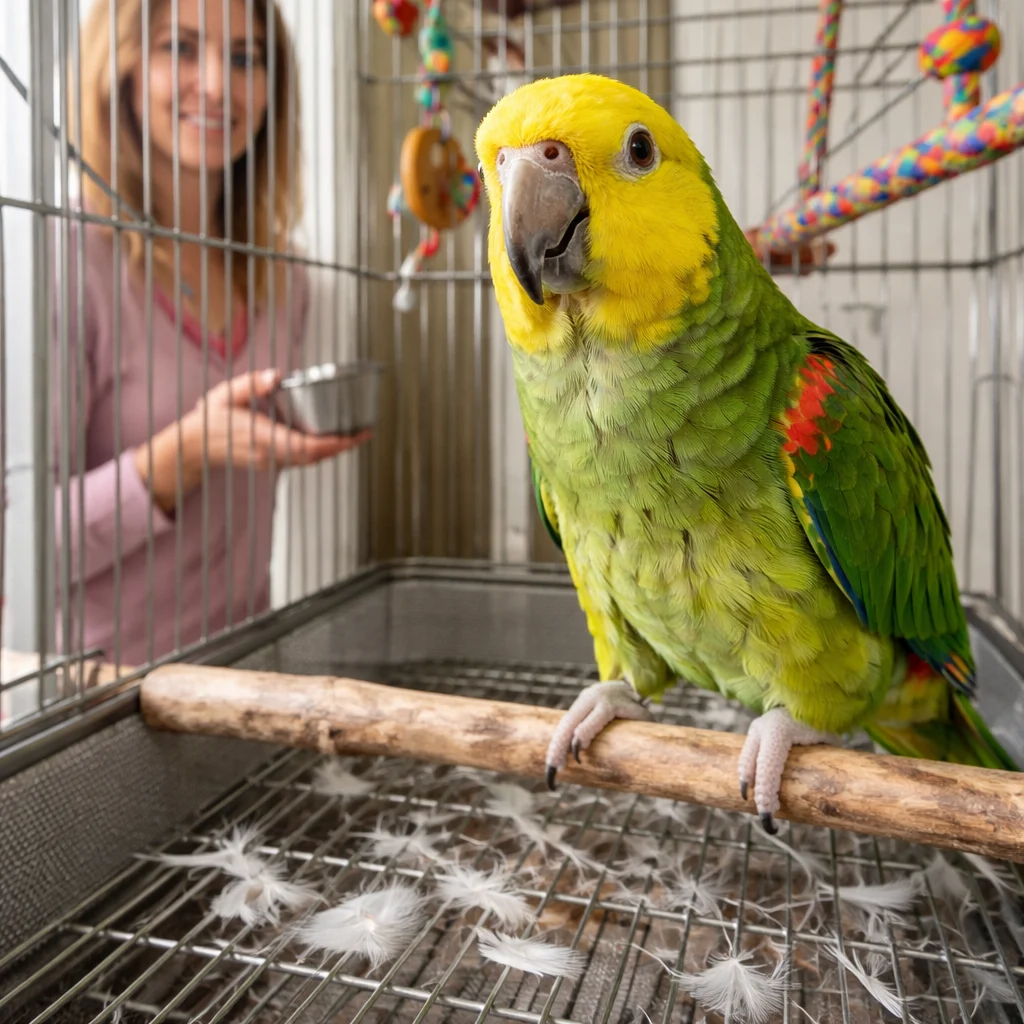
The discovery of a sudden profusion of feathers scattered across the cage floor can be an alarming event for any bird owner, often triggering immediate concern for the animal’s health and well-being. This common scenario, where an owner "wakes up to a floor full of feathers and their heart drops," frequently leads to an initial panic, prompting questions of illness or self-mutilation. However, expert consensus emphasizes that while such a sight warrants attention, it does not automatically signify a crisis. A systematic approach, often referred to as "feather forensics," is crucial in differentiating between a natural, healthy molting cycle and the more serious issue of behavioral feather plucking. This distinction is paramount for providing appropriate care and ensuring the long-term health of avian companions.
The Biological Imperative: Understanding the Molting Process
Molting is a fundamental biological process for nearly all bird species, representing the cyclical replacement of old, worn feathers with new ones. This natural phenomenon is not merely an aesthetic refresh but a vital mechanism for maintaining optimal feather condition, which is critical for flight efficiency, thermal regulation, waterproofing, and protection against environmental elements. The frequency and intensity of molting vary significantly among species, age groups, and environmental conditions. Most adult birds undergo at least one major molt annually, often triggered by seasonal changes in photoperiod (daylight length), temperature, and food availability. Younger birds, particularly those transitioning from juvenile to adult plumage, may experience more frequent or less predictable molts.
The process itself is energy-intensive. Feathers are composed primarily of keratin, a protein, and their growth demands substantial nutritional resources, including specific amino acids, vitamins (especially A, D, E, and B-complex), and minerals (calcium, zinc). During a heavy molt, a bird’s body prioritizes feather growth, which can lead to temporary changes in behavior, such as increased lethargy, irritability, or a reduced appetite. This physiological strain explains why a molting bird might appear "cranky-pants" for several weeks. New feathers emerge as "pin feathers" or "blood feathers"—so named because they contain a blood supply within their shaft during growth. These immature feathers are encased in a waxy keratin sheath, which the bird meticulously preens off as the feather matures, releasing white flakes (dander) that are a normal byproduct of this process. The presence of these developing feathers is a key indicator of a healthy molt.
The Diagnostic Cornerstone: The 10-Second Feather Shaft Test
Before escalating to veterinary consultation, bird owners can perform a simple yet highly effective initial assessment: the "feather shaft test." This rapid examination of a fallen feather can provide immediate insight into how the feather detached from the bird’s body, helping to distinguish between natural shedding and forceful removal.
-
Indicators of a Healthy Molt: A feather shed during a normal molt will typically exhibit a smooth, clear, and slightly pointed quill (the part that was embedded in the skin). The absence of damage or blood at the quill’s tip signifies that the feather naturally slid out of its follicle. The entire feather structure, from vane to calamus, will appear intact and undamaged, consistent with a natural shedding process. The white, powdery dander often found alongside molted feathers is merely the keratin sheath from new pin feathers, further confirming a healthy molt.
-
Indicators of Problematic Plucking: In contrast, a feather removed through plucking will often display clear signs of trauma. The quill may appear "chewed," jagged, bent, or snapped off, indicating it was forcefully pulled or bitten. The presence of blood at the tip of the quill or on the feather itself is a strong indicator of a forcefully extracted blood feather or damage to the follicle during removal. Furthermore, if only the feather vane is gone while the quill remains embedded in the skin, or if the feather shaft is broken mid-way, it points directly to self-inflicted damage or over-preening. This immediate, non-invasive test serves as a critical first step in determining the appropriate course of action.
Beyond the Feather: Comprehensive Diagnostic Techniques
While the feather shaft test offers initial guidance, a more thorough assessment involves observing the bird’s skin and behavior, as well as considering species-specific tendencies.
-
The "Mist & Part" Test: This technique provides visual confirmation of feather growth and skin health. Lightly misting the bird with plain water or an avian-safe aloe vera spray temporarily darkens the feathers, making it easier to part them and inspect the underlying skin. The presence of numerous "spikes" or pin feathers pushing through the skin is a definitive sign of active molting. Conversely, areas of bare, red, irritated, or broken skin, particularly without new feather growth, strongly suggest plucking or self-mutilation. This test allows owners to directly observe the state of the feather follicles and skin.
-
Species-Specific "Hot Spots" for Plucking: Behavioral feather plucking often follows predictable patterns depending on the species, providing valuable diagnostic clues. While any area can be affected, certain "hot spots" are commonly observed in clinical practice:
- African Greys: These highly intelligent and sensitive parrots frequently target feathers under their wings or on their inner thighs. This pattern can often be linked to psychological stress, boredom, anxiety, or nutritional deficiencies. Their predisposition to plucking makes environmental enrichment and psychological stimulation particularly vital.
- Cockatiels: Smaller parrots like cockatiels often pluck feathers from their shoulders or the center of their chest. This behavior can be indicative of dietary imbalances, insufficient social interaction, or environmental stressors such as inadequate humidity or exposure to irritants.
- Cockatoos: Known for their profound emotional needs and susceptibility to stress, cockatoos exhibit plucking across their chest, belly, and even the head. Notably, cockatoos are adept at using their feet to access and pluck feathers in areas their beaks cannot directly reach, such as the back of the head or neck. Plucking in these areas often signals severe psychological distress, chronic boredom, or deep-seated skin irritation.
- Conures and Macaws: While not explicitly mentioned in the original text, these species can also exhibit plucking, often on the chest, legs, or back, sometimes related to hormonal issues, anxiety, or lack of appropriate social interaction.
A general "rule of thumb" in distinguishing between molting and plucking on the head is crucial: during a normal molt, head feathers appear as "spikes" or pin feathers, indicating active growth. Bare, raw, or scratched skin on the head, particularly without pin feathers, is a significant warning sign of plucking.
The Root Causes: Biology Versus Behavior in Feather Loss
Understanding the distinct etiologies of feather loss is fundamental for effective intervention. While molting is purely a biological imperative, feather plucking stems from a complex interplay of behavioral, environmental, nutritional, and medical factors.
-
Biological Causes (Molting): As previously detailed, molting is a natural, genetically programmed process essential for feather health and maintenance. It is a sign of a healthy, functioning avian physiology.
-
Behavioral and Environmental Causes (Plucking): This category encompasses a wide array of factors that can induce or exacerbate plucking behavior:
- Stress and Anxiety: Birds are highly sensitive creatures. Changes in their environment, routine, social dynamics (e.g., new pets, family members, or absence of primary caregiver), loud noises, or perceived threats can induce chronic stress, leading to plucking. Lack of a predictable routine or insufficient sleep can also contribute.
- Boredom and Lack of Enrichment: Highly intelligent and social species, especially parrots, require constant mental stimulation and opportunities for natural behaviors like foraging, chewing, and playing. A barren cage, lack of varied toys, or insufficient interaction can lead to profound boredom, which often manifests as self-destructive behaviors like plucking.
- Nutritional Deficiencies: A diet lacking essential nutrients, particularly amino acids, fatty acids (omega-3 and omega-6), vitamins (A, D, E, B-complex), and minerals, can compromise feather quality and skin health, making feathers brittle or skin itchy, thereby initiating or aggravating plucking. For example, Vitamin A deficiency can lead to follicular keratinization, causing discomfort.
- Environmental Factors: Low humidity, especially in arid indoor environments, can lead to dry, itchy skin, prompting birds to over-preen and eventually pluck. Exposure to airborne irritants like cigarette smoke, strong cleaning chemicals, perfumes, or air fresheners can also cause skin irritation and respiratory issues that contribute to plucking.
- Social Dynamics: In multi-bird households, over-preening by a cage mate can sometimes escalate to plucking. Conversely, a bird that is socially isolated or improperly bonded to a human may resort to plucking as an outlet for frustration or anxiety.
-
Medical Conditions: It is critical to rule out underlying medical issues, as these are often primary drivers of plucking behavior. A comprehensive veterinary examination is essential if plucking is suspected. Medical causes can include:
- Parasites: External parasites (mites, lice) or internal parasites (e.g., Giardia) can cause intense itching, leading to over-preening and feather damage.
- Bacterial or Fungal Infections: Skin or feather follicle infections can cause irritation, pain, and subsequent plucking.
- Allergies: Birds can develop allergies to environmental allergens (pollen, dust) or food ingredients, resulting in itchy skin.
- Organ Disease: Liver or kidney disease can manifest as poor feather quality, skin irritation, and plucking.
- Hormonal Imbalances: Conditions like hypothyroidism or reproductive hormonal issues can affect feather health and induce plucking.
- Heavy Metal Toxicity: Ingestion of lead, zinc, or other heavy metals can lead to a variety of symptoms, including dermatological issues and plucking.
- Cysts or Tumors: Follicular cysts or skin tumors can be painful or irritating, leading to the bird picking at the affected area.
The Implications of Feather Plucking: Beyond Aesthetics
Feather plucking is far more than a cosmetic issue; it represents a significant threat to a bird’s overall health and quality of life. The implications are wide-ranging and can become severe if left unaddressed.
-
Physical Health Deterioration: Chronic plucking can lead to skin abrasions, lacerations, and open wounds, making the bird highly susceptible to secondary bacterial, fungal, or yeast infections. Severe feather loss compromises the bird’s ability to regulate its body temperature, potentially leading to hypothermia or overheating. Impaired flight due to damaged primary feathers reduces exercise opportunities and can diminish the bird’s sense of security and freedom. In extreme cases, plucking can escalate to self-mutilation, where the bird inflicts deep wounds on its flesh.
-
Psychological and Emotional Distress: The underlying causes of plucking, particularly stress, anxiety, and boredom, represent a state of chronic psychological distress for the bird. This can lead to a diminished quality of life, depression, and a perpetuation of maladaptive behaviors. The physical discomfort associated with irritated skin or developing infections further exacerbates emotional suffering.
-
Impact on Owners: Observing a beloved pet engage in self-destructive behavior can be deeply distressing for owners. The emotional toll is often compounded by the financial burden of veterinary visits, diagnostic tests, specialized diets, and environmental modifications required to address the issue. The frustration stemming from a lack of immediate solutions can also strain the human-animal bond.
Professional Guidance and Intervention
Given the complexity of feather plucking, professional intervention is almost always necessary when it is suspected. A multi-faceted approach, often involving veterinary care, behavioral modification, and environmental adjustments, offers the best prognosis.
-
Veterinary Consultation: An avian veterinarian is the first point of contact. They will conduct a thorough physical examination, potentially including blood tests, feather biopsies, skin scrapings, and fecal analyses, to rule out or diagnose underlying medical conditions. Treating any identified medical issues is paramount, as this often resolves the plucking behavior.
-
Environmental Enrichment: Addressing environmental deficiencies is critical. This includes providing a suitably sized cage, a variety of perches of different textures and diameters, and a rotating selection of engaging toys (chewable, shreddable, foraging toys). Opportunities for daily out-of-cage time, social interaction with owners, and mental challenges (e.g., puzzle toys, training) are essential for intelligent species. Ensuring adequate humidity (e.g., through misting or humidifiers) and appropriate lighting cycles (10-12 hours of uninterrupted darkness for sleep) also contributes to overall well-being.
-
Nutritional Support: A high-quality, species-appropriate diet forms the cornerstone of health. This typically involves a balanced pelleted diet supplemented with fresh fruits, vegetables, and occasional healthy treats. Specialized supplements, such as those containing essential fatty acids (omega-3 and omega-6), B vitamins, and amino acids, can improve feather and skin health. As Diane Burroughs highlights, addressing the "itch" (skin irritation) and the "deficiency" (nutritional gaps) are two pillars of recovery.
-
Behavioral Modification: Working with an avian behaviorist, such as Diane Burroughs, LCSW, who specializes in "behavior-first" protocols, can be invaluable. These specialists help identify specific triggers for plucking, implement positive reinforcement strategies, and help owners understand and meet their bird’s psychological needs. Techniques might include desensitization to stressors, counter-conditioning, and teaching alternative behaviors.
-
Pharmacological Interventions: In severe cases where environmental and behavioral modifications are insufficient, and medical causes have been ruled out, an avian veterinarian may consider anti-anxiety medications or other pharmacological treatments as a temporary measure to break the plucking cycle, always in conjunction with ongoing behavioral and environmental adjustments.
The Role of Specialists and Ongoing Research
The field of avian health continues to advance, driven by dedicated specialists like Diane Burroughs, founder of UnRuffledRx. With a background as a licensed psychotherapist and ABA-trained behavior specialist, Burroughs exemplifies the interdisciplinary approach required to tackle complex issues like feather plucking. Her 30 years of experience in developing "behavior-first" protocols and targeted nutritional supplements underscore the importance of addressing both the psychological and physiological aspects of avian welfare. Ongoing research in avian psychology, nutrition, and veterinary medicine continues to shed light on the intricacies of feather health and plucking behaviors, offering hope for more effective prevention and treatment strategies.
In conclusion, while a "floor full of feathers" can be disconcerting, the ability to differentiate between a healthy molt and problematic plucking is a critical skill for avian caregivers. Through careful observation, the application of simple diagnostic tests, and a proactive approach to environmental enrichment, nutrition, and professional veterinary care, owners can ensure their feathered companions navigate both natural biological processes and behavioral challenges with optimal health and well-being. The initial panic can give way to informed action, safeguarding the health and happiness of these sensitive and intelligent animals.
