


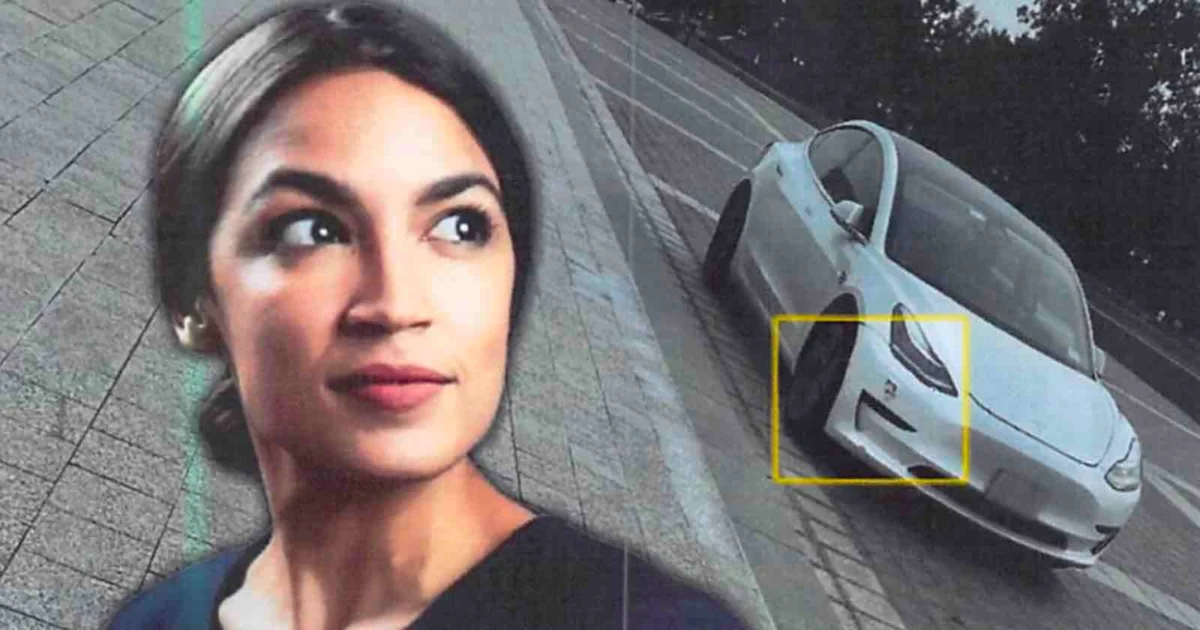
In a significant ruling for the intersection of copyright law and political journalism, a federal court has dismissed a lawsuit brought by photographer Jesse Korman against the conservative news outlet The Washington Free Beacon. The case centered on the unauthorized use of a portrait featuring Democratic Representative Alexandria Ocasio-Cortez (AOC) in a news article criticizing the congresswoman’s personal conduct. Judge Leonie M. Brinkema of the U.S. District Court for the Eastern District of Virginia ruled on Monday that the publication’s use of the image constituted "fair use" under federal law, primarily because the context of the usage was transformative and served the purpose of political commentary.
The legal battle underscores a growing tension in the digital age between the rights of visual creators to control their intellectual property and the rights of journalists to utilize existing media for the purpose of social and political critique. By dismissing the case, the court has reinforced the protections afforded to news organizations when they repurpose campaign imagery to facilitate public discourse.
The Genesis of the Image and the Subsequent Dispute
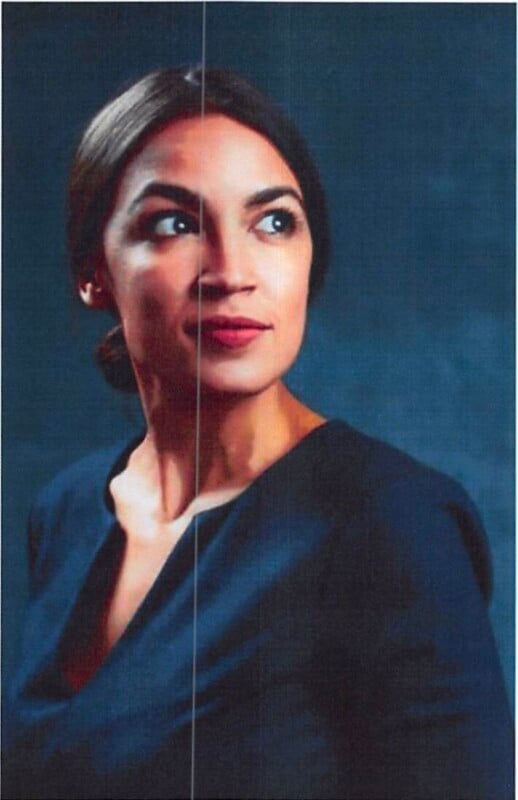
The photograph at the heart of the litigation was captured by Jesse Korman in 2018. At the time, Korman served as the official campaign photographer for Alexandria Ocasio-Cortez during her historic and successful primary challenge and subsequent general election run for New York’s 14th congressional district. The portrait in question became a defining image of the young politician’s rise; it featured a close-up of Ocasio-Cortez gazing stoically past the camera lens against a dark, minimalist background. The image was widely used to project an aura of visionary leadership and grassroots authenticity.
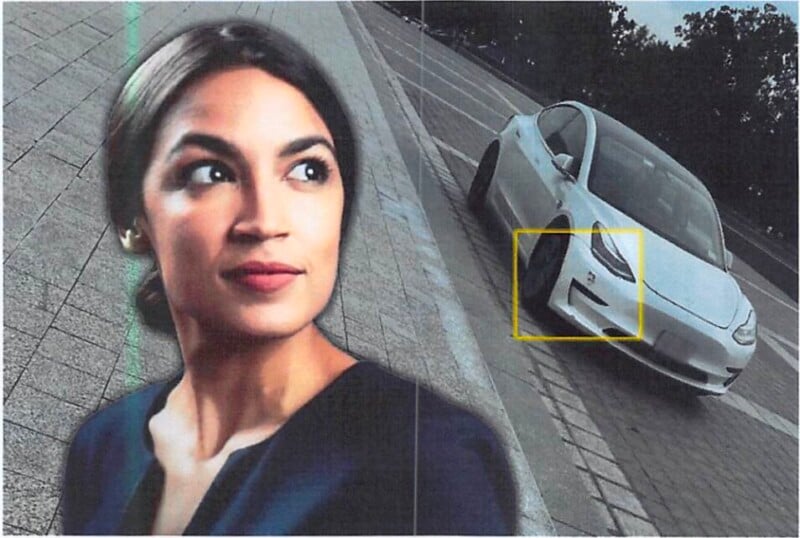
The conflict began in May 2021, when The Washington Free Beacon published an article titled "Socialist Tesla, Whole Foods," which reported on an incident involving the congresswoman’s vehicle. According to the report, Ocasio-Cortez’s white Tesla was parked illegally in front of a Whole Foods Market in the Navy Yard neighborhood of Washington, D.C. To illustrate the story, the Free Beacon created a composite image. This graphic featured a cutout of Ocasio-Cortez’s head and shoulders—taken directly from Korman’s 2018 campaign portrait—superimposed over a photograph of the illegally parked Tesla.
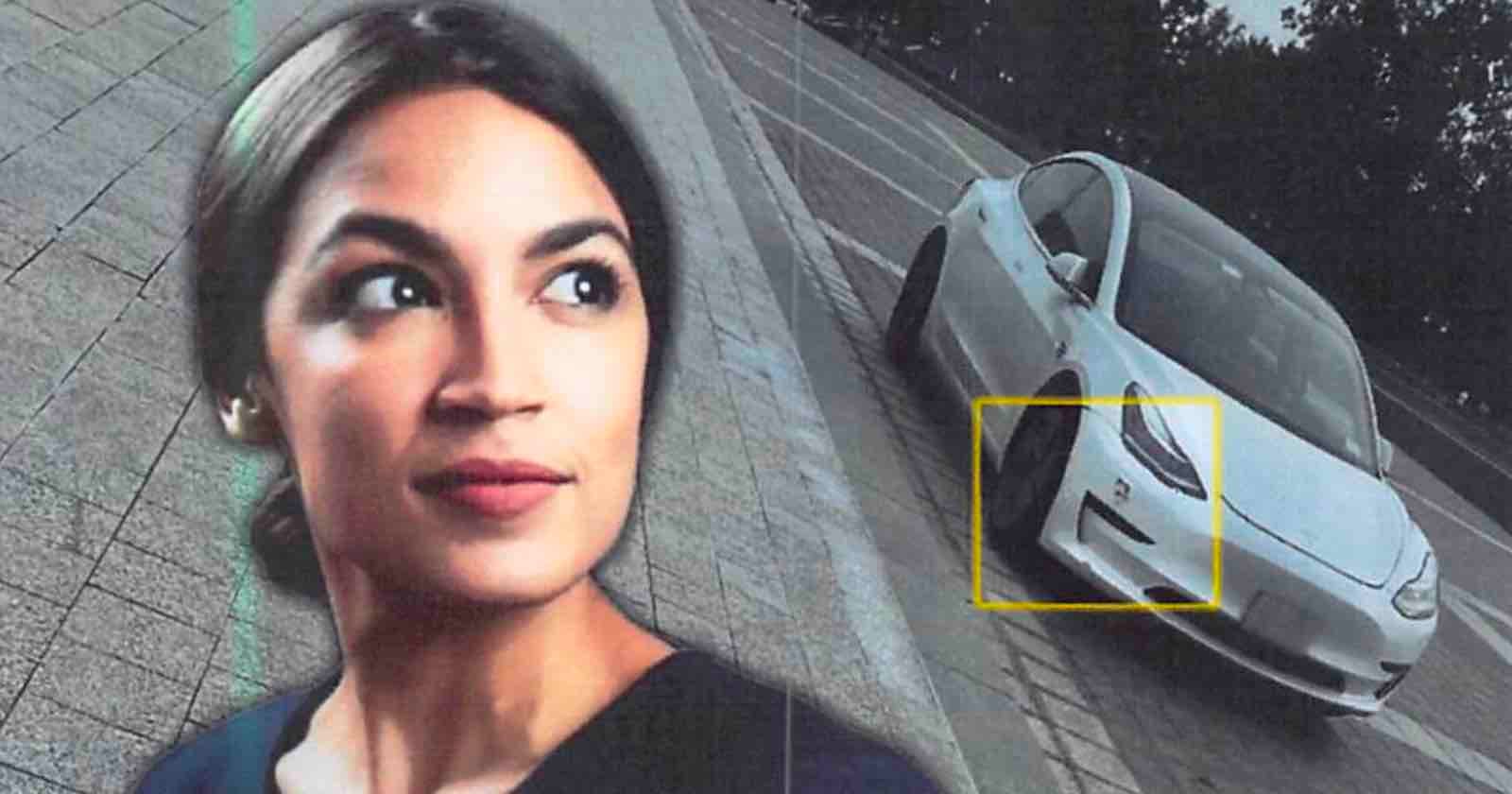
The Free Beacon, which describes itself as a "privately owned, for-profit online newspaper dedicated to uncovering the stories that the powers that be hope will never see the light of day," used the composite to highlight what it characterized as the hypocrisy of a democratic socialist politician driving a luxury electric vehicle and shopping at a high-end grocery chain while violating local parking ordinances.
Chronology of the Litigation
The timeline of the dispute spans several years, reflecting the often-slow pace of copyright litigation in federal courts.
- 2018: Jesse Korman captures the official campaign portrait of Alexandria Ocasio-Cortez.
- May 2021: The Washington Free Beacon publishes the article featuring the cutout of Korman’s photograph.
- 2025: Jesse Korman files a formal copyright infringement lawsuit against The Washington Free Beacon. The delay between the publication and the filing was not explicitly detailed in court documents, but Korman argued that the unauthorized use caused substantial damage to the commercial market for his work.
- Early 2026: The Washington Free Beacon files a motion to dismiss, arguing that their use of the image was protected by the "Fair Use" doctrine.
- March 2026: Judge Leonie M. Brinkema issues her opinion, granting the motion to dismiss and closing the case in favor of the defendant.
According to reports, prior to the court’s final ruling, Korman had sought a settlement fee of approximately $15,000 for the usage of the image. The Free Beacon declined the settlement, opting instead to defend the case on principle, citing the importance of journalistic freedom.
The Legal Framework: Fair Use and the Warhol Precedent
The court’s decision rested heavily on the four-factor test for fair use, as outlined in Section 107 of the Copyright Act. These factors include the purpose and character of the use, the nature of the copyrighted work, the amount and substantiality of the portion used, and the effect of the use upon the potential market for the original work.
In her written opinion, Judge Brinkema placed particular emphasis on the "transformative" nature of the Free Beacon’s usage. She argued that the news outlet did not use the photo for its original intended purpose—which was to promote Ocasio-Cortez as a political candidate—but rather to serve as a vehicle for satire and criticism.
To illustrate this point, the judge drew a direct comparison to the landmark legal discussions surrounding Andy Warhol’s Campbell’s Soup Cans. She noted that while Warhol used a copyrighted commercial logo, his purpose was "orthogonal" to the original intent of the logo. Where Campbell’s used the logo to sell soup, Warhol used it to comment on consumerism.
"Free Beacon was not using the image of AOC to depict AOC, nor was it using the photograph to portray AOC in a positive light or to facilitate her political campaign," Judge Brinkema wrote. "Rather, Free Beacon used the photograph as part of its criticism of AOC’s politics, focusing on the hypocrisy of claiming to be one of the common folk but actually being an elitist."
By isolating the subject and placing her in a new, critical context, the court found that the Free Beacon created a new meaning for the image, thereby satisfying the requirements for transformative use.
Market Impact and Previous Litigation
A critical component of any copyright case is the determination of whether the infringement harms the creator’s ability to profit from the original work. Korman contended that the Free Beacon’s use of the portrait "substantially damaged" the market for the image. However, the court found this argument unpersuasive. Judge Brinkema noted that a conservative news outlet using a cutout of a portrait for the purpose of mockery is unlikely to serve as a substitute for the original high-resolution campaign portrait sought by supporters or neutral media outlets.
This was not Korman’s first foray into copyright litigation involving this specific photograph. In 2020, Korman filed a similar lawsuit against Fox News Network LLC after the network displayed the portrait during a television broadcast. That case followed a different trajectory, ending in a private settlement between the photographer and the news giant. Legal analysts suggest that the settlement with Fox News may have emboldened the plaintiff, but the Free Beacon’s willingness to litigate the matter to a dismissal sets a different precedent for future claims involving political commentary.
Official Responses and Broader Implications
Following the ruling, representatives for The Washington Free Beacon expressed satisfaction with the court’s defense of journalistic practices. In a statement published on their website, the outlet framed the victory as a win for the First Amendment, arguing that "nuisance lawsuits" from photographers should not be allowed to chill the speech of news organizations covering public figures.
While Jesse Korman has not issued a formal public statement regarding the dismissal, the ruling serves as a cautionary tale for photographers who work within the political sphere. The decision suggests that once a portrait becomes a symbol of a public figure’s identity, its use in the context of political "fair comment" becomes much harder to restrict under copyright law.
Analysis of Journalistic and Legal Consequences
The dismissal of Korman v. The Washington Free Beacon has several far-reaching implications for the media industry:
- Protection for Satire and Memes: The ruling provides a legal shield for the common journalistic practice of creating "photo illustrations" or "collages" to accompany opinion pieces. As long as the new work provides a distinct commentary or criticism not present in the original, it is likely to be protected.
- Defining "Transformative" in Politics: The court has clarified that changing the "intent" of an image—from promotion to criticism—is a valid form of transformation. This is particularly relevant in an era where campaign imagery is frequently co-opted by opposing political factions for the purpose of "counter-messaging."
- The "Public Figure" Variable: While copyright law technically applies equally to all subjects, the court’s opinion makes it clear that the public status of the subject (AOC) and the public interest in the reporting (illegal parking by an elected official) weigh heavily in favor of fair use.
- Discouragement of "Copyright Trolling": By granting a motion to dismiss rather than allowing the case to proceed to a costly discovery phase or trial, the court has signaled a low tolerance for infringement claims that target standard editorial uses of public-interest imagery.
As political campaigns become increasingly visual, the battle over who owns the "image" of a politician—both literally and figuratively—is expected to intensify. For now, the Eastern District of Virginia has sent a clear message: in the arena of political discourse, the right to criticize a leader outweighs a creator’s right to collect a licensing fee for a thumbnail cutout.
