


Finland has finalized a significant overhaul of its Important Bird Areas (IBA) network, a comprehensive re-evaluation that meticulously accounts for evolving bird distributions, dynamic migration patterns, and altered habitat utilization across the nation. This extensive update has resulted in the designation of nine entirely new IBAs and the revision of several existing sites, expanding Finland’s recognized network to a total of 91 vital locations. This initiative underscores Finland’s commitment to avian conservation in the face of accelerating environmental changes, particularly those driven by climate change and shifting land-use practices.
The impetus for this large-scale update stems from compelling scientific evidence gathered over the past decade, reflecting a period of profound ecological transition. BirdLife Finland, in collaboration with a wide array of scientific institutions and a dedicated network of citizen scientists, undertook the monumental task of re-assessing the status and significance of key avian habitats. The previous IBA assessments, instrumental in shaping Finland’s Special Protection Area (SPA) network, had served their purpose, but the dynamic nature of avian populations necessitated a contemporary review to identify emergent conservation priorities and to safeguard newly recognized critical sites.
Finland’s Enduring Importance for Waterbirds and Arctic Migrants
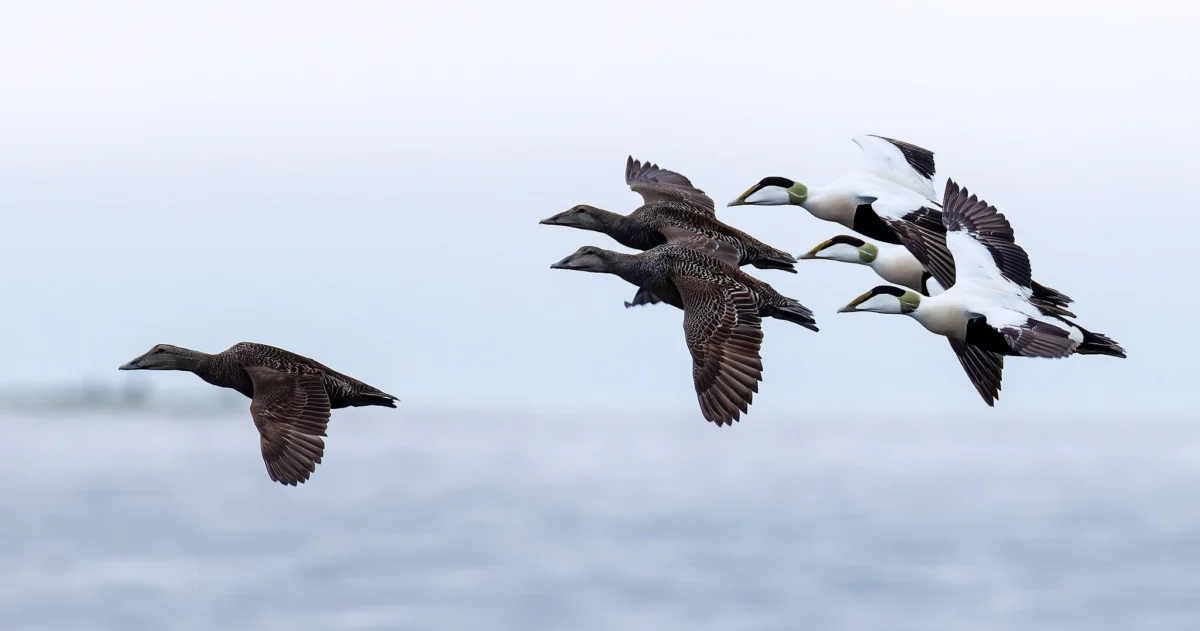
Finland’s geopolitical and ecological position renders it a region of paramount international importance for a diverse array of waterbirds. The country’s extensive Baltic Sea archipelago serves as a crucial breeding ground for a substantial proportion of seabirds and waders. Species such as the Caspian Tern (Hydroprogne caspia), Common Eider (Somateria mollissima), Black Guillemot (Cepphus grylle), and Ruddy Turnstone (Arenaria interpres) continue to represent key conservation focal points within these coastal environments. These species rely on the unique habitats offered by Finland’s islands and coastal wetlands for successful breeding.
Equally vital are the Arctic waders that undertake their breeding journeys in the vast, open mires of northern Finland. Among these, the Broad-billed Sandpiper (Calidris falcinellus) holds particular significance. It is estimated that nearly 70% of the entire European population of this species breeds within Finnish territory, highlighting the country’s indispensable role in the species’ global conservation. The continued health and integrity of these northern mire ecosystems are therefore critical for the survival of this species.

Emerging Trends: New Wintering Grounds and Shifting Migratory Routes
Beyond its traditional breeding grounds, Finland has increasingly become a critical staging and wintering area for numerous waterbird species. Recent decades have witnessed a marked increase in the presence of wintering and passage waterbirds, with species like the Tufted Duck (Aythya fuligula) now regularly utilizing Finnish waters during the colder months. This phenomenon is directly linked to the milder winters experienced in the region, which allow for longer periods of open water.
Furthermore, several species of Arctic geese, including Barnacle Geese (Branta leucopsis), Taiga Bean Geese (Anser fabalis), and Pink-footed Geese (Anser brachyrhynchus), now routinely stage in Finland during their spring and autumn migrations. These migratory journeys are arduous, and Finland’s strategically located wetlands and agricultural landscapes provide essential refueling and resting opportunities. The recognition of these evolving migratory patterns has led to the designation of several previously uncatalogued wintering and passage sites as new IBAs, reflecting a proactive approach to conservation that anticipates rather than reacts to ecological shifts.
Climate Change as a Primary Driver of Avian Distribution Shifts
The updated IBA network has been significantly shaped by the documented changes affecting northern waders, many of which are experiencing population declines across Europe and are consequently classified as threatened. Finland is emerging as a critical stronghold for species like the Red-necked Phalarope (Phalaropus lobatus) and the Spotted Redshank (Tringa erythropus). The breeding ranges of these species are demonstrably retreating northward, a direct consequence of intensified climate pressures that are altering their traditional habitats.
Climate change is not only influencing breeding ranges but is also fundamentally reshaping the seasonal distribution of waterbirds. Species such as the Long-tailed Duck (Clangula hyemalis), Tufted Duck, and Smew (Mergellus albellus) are now wintering with greater frequency in Finnish waters. Concurrently, species like the Barnacle Goose and the Tundra Bean Goose (Anser serrirostris) are increasingly reliant on Finnish sites as primary stopover areas during their extensive migration routes. Finland has, in particular, become the most important staging area for Barnacle Geese during both their spring and autumn migrations, underscoring the strategic importance of its landscapes for these migratory birds.
Recognition of New and Evolving Habitats
A particularly noteworthy outcome of the comprehensive update is the growing recognition of Finland’s importance as a wintering site for waterfowl. This trend is directly attributable to progressively milder winters and the resultant changes in ice conditions across the country. For instance, the southern coast of the Åland Islands, an autonomous region of Finland, now hosts exceptional numbers of wintering Tufted Ducks. Recognizing its vital role, this area has been designated as a new IBA, solidifying its protected status.

Similarly, agricultural landscapes in southern Finland have emerged as increasingly crucial habitats. Alterations in migratory pathways mean that fields and coastal farmlands are now supporting internationally significant concentrations of staging geese and other waterbirds. Several such staging areas, which are proving indispensable for the Barnacle Goose population, have been incorporated into the IBA network for the first time. Elimäenjärvi, a site that has documented between 150,000 and 300,000 individuals in passage, is one such example, illustrating the scale of bird congregations that these agricultural mosaics now support.
Growing Threats and the Imperative for Action
The comprehensive update of Finland’s IBA network has illuminated climate change as the most significant overarching threat to the nation’s avian populations. The rapid northward retreat of many species underscores the urgent need for robust conservation and restoration efforts. Particular attention must be paid to safeguarding the southern footholds of Arctic waterbirds, which are increasingly vulnerable to habitat loss and degradation.
Compounding these challenges, a significant number of the newly identified IBAs currently lack formal legal protection. As migration patterns and wintering areas continue to shift, birds are becoming increasingly dependent on these unprotected sites, leaving them vulnerable to a range of threats. Among these, renewable energy developments, often planned without adequate consideration for sensitive ecological areas or established nature conservation maps, pose a substantial risk.
Furthermore, wetland degradation, primarily driven by eutrophication – the excessive enrichment of water bodies with nutrients leading to harmful algal blooms and oxygen depletion – continues to diminish the ecological quality of many Finnish IBAs. This phenomenon necessitates active management and restoration initiatives to ensure that these vital ecosystems remain suitable for their target species. The implications of inaction are dire, potentially leading to further population declines and the loss of critical habitats.
The Indispensable Role of IBA Data in Conservation Planning
While a substantial portion of Finland’s IBA network benefits from formal protection, critical gaps persist, particularly concerning wintering and congregation sites along the Baltic coast and within the agricultural landscapes of southern Finland. The long-term survival of Arctic breeding birds is intrinsically linked to global climate policy. However, Finland retains significant agency in safeguarding crucial staging and wintering habitats through judicious national land-use planning, the implementation of sustainable agricultural practices, and the strategic allocation of funding, including resources from the Common Agricultural Policy (CAP).

The updated IBA data serve as an indispensable tool for informed decision-making. They provide essential guidance for land management agencies, development planners, and conservation organizations, especially in areas currently lacking robust legal protection. By highlighting the ecological significance of these sites, the IBA data can advocate for their inclusion in protected areas and influence development strategies to minimize negative impacts.
A Collaborative Triumph for Avian Conservation
The successful completion of this extensive IBA assessment is a testament to the power of extensive collaboration. BirdLife Finland spearheaded the systematic bird counts within the IBAs, a massive undertaking carried out by a dedicated team of professional staff and countless volunteers. Their efforts were significantly augmented by the aggregation of over 30 million bird observations submitted to the Tiira database, a testament to the vibrant citizen science community in Finland. The assessment would not have been possible without the invaluable data contributions from Metsähallitus Parks and Wildlife Finland, the Finnish Environment Institute, and the Finnish Museum of Natural History. To ensure the currency and relevance of the findings, only data collected within the past decade were incorporated into the analysis.
Tero Toivanen, Conservation Officer at BirdLife Finland, emphasized the dynamic nature of avian ecology: "The bird distributions are ever-changing. While the previous IBA assessments were crucial in establishing the SPA network, keeping the network up to date is needed to identify the current conservation needs and to protect the new hotspots." This statement encapsulates the core rationale behind the update, highlighting the necessity of continuous monitoring and re-evaluation in a world characterized by rapid environmental change.
The revised IBA network unequivocally confirms Finland’s escalating responsibility for waterbird conservation in an era of profound global ecological transformation. It serves as a stark reminder of the urgent need for adaptive, forward-looking conservation policies that can effectively respond to the challenges posed by climate change and evolving land-use pressures. The future of many bird species hinges on the ability of nations like Finland to translate scientific understanding into tangible conservation action, safeguarding these vital habitats for generations to come. The updated IBA data provide the critical foundation upon which such actions can be built.
