


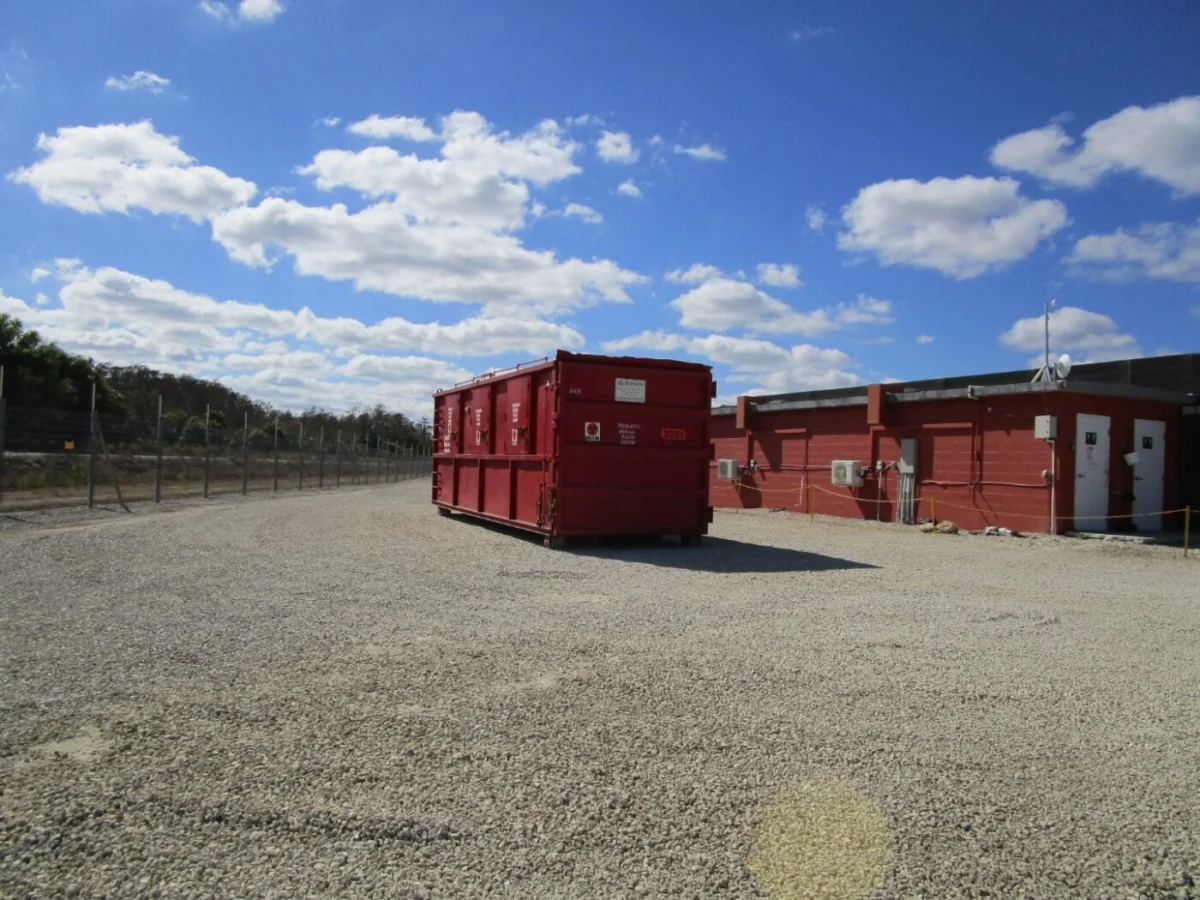
Florida state officials have filed formal criminal charges against the president of BC US LLC, an Immokalee-based primate importation and quarantine company, following an investigation into an incident where a live monkey was mistakenly discarded in a biohazard waste container. Mark Moshe Bushmitz, who serves as the president of the company, faces a second-degree misdemeanor charge for the escape of wildlife, a violation that has sparked significant concern regarding the oversight of facilities involved in the international primate trade for biomedical research. The charge, brought forward by the Florida Fish and Wildlife Conservation Commission (FWC), carries a potential penalty of up to 60 days in a county jail and a fine of $500.
The legal action follows a series of regulatory failures at the BC US facility, which functions as a high-volume transit point for non-human primates imported into the United States. According to investigative reports and whistleblower accounts, the incident occurred in January 2026, when a monkey, recently arrived from an overseas flight, was inadvertently placed into a biomedical waste dumpster. The animal remained trapped within the container for five days, during which time it was transported across the state to a Stericycle waste management facility in Miami. The discovery of the live animal by waste facility staff prompted an immediate investigation by state and federal authorities, revealing a chain of negligence that has placed both animal welfare and public health under intense scrutiny.
Chronology of the Incident and Regulatory Failures
The sequence of events began with the arrival of a shipment of primates at the BC US facility in Immokalee. These animals are typically transported in wooden crates via long-haul international flights, often exceeding 24 to 30 hours in duration. Upon arrival, federal regulations mandated by the Centers for Disease Control and Prevention (CDC) require that these primates be placed into a strictly monitored 31-day quarantine period to prevent the introduction of zoonotic diseases into the domestic population.
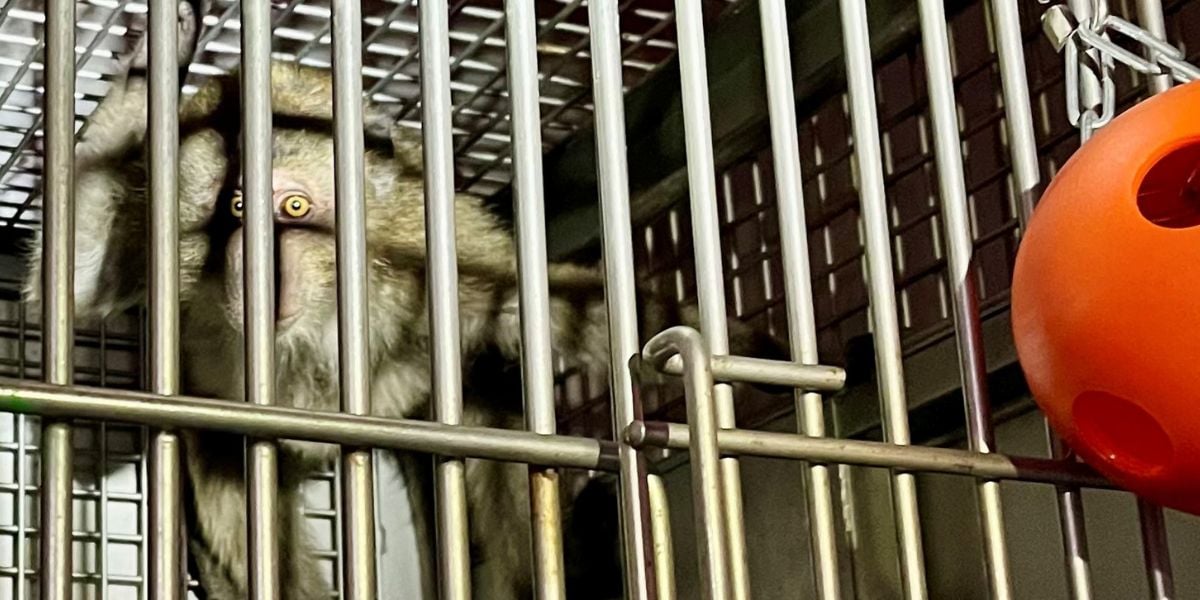
During the intake process, one specific monkey was reportedly misplaced. Rather than being transferred to a secure metal quarantine cage as per standard operating procedure, the animal ended up inside a large red biohazard dumpster intended for medical waste. For five days, the animal survived without access to food or water, exposed to fluctuating temperatures and the hazardous contents of the dumpster.
The gravity of the oversight was only realized when the dumpster was collected by a third-party waste disposal service and driven to a processing center in Miami. Upon arrival at the Stericycle facility, workers discovered the monkey alive within the waste. The primate was subsequently recaptured and returned to the BC US facility, where reports indicate it was later euthanized. The failure of the BC US staff to notice a missing animal from their inventory for nearly a week has been cited by advocacy groups and regulators as evidence of systemic mismanagement.
Federal Oversight and the Animal Welfare Act
The FWC’s criminal charge is not the only legal repercussion facing the company. Following the initial reports, the United States Department of Agriculture (USDA) conducted an inspection of the Immokalee facility. The USDA is responsible for enforcing the Animal Welfare Act (AWA), which sets minimum standards of care for animals used in research and those held by dealers and importers.
The USDA issued a "critical citation" to BC US LLC for the dumpster incident, noting that the company failed to provide adequate care and security for the animals in its charge. Under the AWA, a critical citation is reserved for violations that have a direct and serious impact on the health and well-being of an animal. Furthermore, the USDA revealed that this was not an isolated instance of negligence. In a separate incident that same month, two monkeys at the same facility were found dead after being left in a room where the heating system had malfunctioned, causing temperatures to soar to 104 degrees Fahrenheit overnight. The staff’s failure to monitor the environmental controls led to the animals’ deaths from heat exhaustion.
Public Health Risks and Zoonotic Disease Concerns
The escape or accidental release of imported primates poses a significant risk to public health, a factor that has intensified the calls for stricter regulation of the industry. Non-human primates, particularly those sourced from Southeast Asia and Mauritius, are known carriers of various pathogens that can be transmitted to humans. These include tuberculosis, Herpes B virus, and various enteric pathogens.
The CDC’s Division of Global Migration and Quarantine (DGMQ) maintains strict oversight of primate imports specifically because of these risks. The fact that an animal was transported across the state in a waste container—potentially coming into contact with various surfaces and personnel outside of a controlled laboratory environment—represents a major breach of biosafety protocols. Experts in infectious disease have noted that the "quarantine" phase is the most critical period for identifying latent infections; a failure at this stage undermines the entire biosecurity framework intended to protect the American public.
The Economic Context of the Primate Trade
The incident at BC US LLC highlights the pressures and complexities of the global primate supply chain. In recent years, the demand for non-human primates in biomedical research—particularly for vaccine development and neuroscience—has surged, leading to a "monkey shortage" that has driven prices for individual animals to upwards of $20,000 to $30,000.
This high valuation has turned primate importation into a lucrative industry, but it has also led to the emergence of facilities that may prioritize volume over stringent welfare standards. BC US LLC is one of several major importers operating in Florida, a state that serves as a primary hub for the trade due to its climate and proximity to major ports of entry. The legal challenges facing Mr. Bushmitz and his company could have broader implications for how these transit hubs are permitted and monitored by state wildlife agencies.
Official Responses and Advocacy Demands
In the wake of the criminal filing, People for the Ethical Treatment of Animals (PETA) has intensified its campaign against the company. The organization has formally requested that the Florida Fish and Wildlife Conservation Commission revoke the wildlife permits held by BC US LLC. PETA argues that the company has demonstrated a persistent inability to comply with safety and welfare regulations, thereby forfeiting its right to handle sensitive wildlife.
"The fact that a company can ‘lose’ a monkey in the trash and not notice for five days is a staggering admission of incompetence," a spokesperson for the advocacy group stated. "When you combine that with the horrific death of two other monkeys in a 104-degree room, it becomes clear that this facility is a danger to the animals and a liability to public safety."
While BC US LLC has not issued a formal public statement regarding the pending misdemeanor charge against its president, the company is expected to address the allegations in court. Legal experts suggest that the defense may focus on the "accidental" nature of the incident, though the prosecution is likely to emphasize the regulatory requirement for strict inventory control and the five-day duration of the negligence.
Broader Implications for Biomedical Research
The controversy surrounding the Immokalee facility arrives at a time when the use of non-human primates in research is under increasing ethical and scientific scrutiny. The National Institutes of Health (NIH) and various private research entities have begun exploring the "Research Modernization Deal," a strategy aimed at transitioning away from animal models in favor of more human-relevant methods. These include organ-on-a-chip technology, sophisticated AI modeling, and the use of human stem cells.
Critics of the current system argue that the logistical and ethical failures seen in the primate importation pipeline are symptomatic of an outdated scientific paradigm. They contend that the high cost, both financial and moral, of maintaining these supply chains is no longer justifiable when alternative technologies are becoming increasingly viable. Conversely, some members of the scientific community maintain that primates remain essential for certain types of complex biological research that cannot yet be replicated in a lab dish.
Conclusion and Future Outlook
The criminal charge against Mark Moshe Bushmitz serves as a rare instance of direct legal accountability in the primate importation industry. As the case moves through the Florida court system, it will likely serve as a catalyst for discussions regarding the adequacy of state-level oversight versus federal mandates.
The outcome of the FWC’s decision on the company’s permit, combined with ongoing USDA monitoring, will determine whether BC US LLC can continue its operations. For now, the incident remains a stark reminder of the vulnerabilities in the system that manages the thousands of primates brought into the United States each year. The five-day ordeal of a single monkey in a biohazard dumpster has become a focal point for a much larger debate on the intersection of animal commerce, public health, and the ethics of modern science.
