

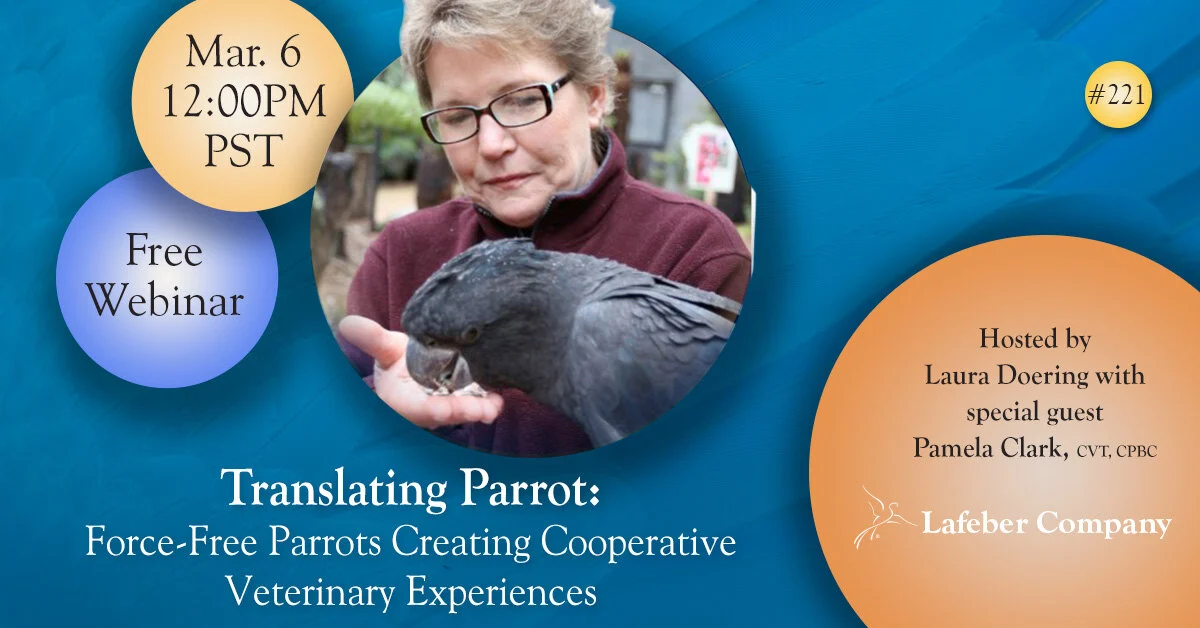
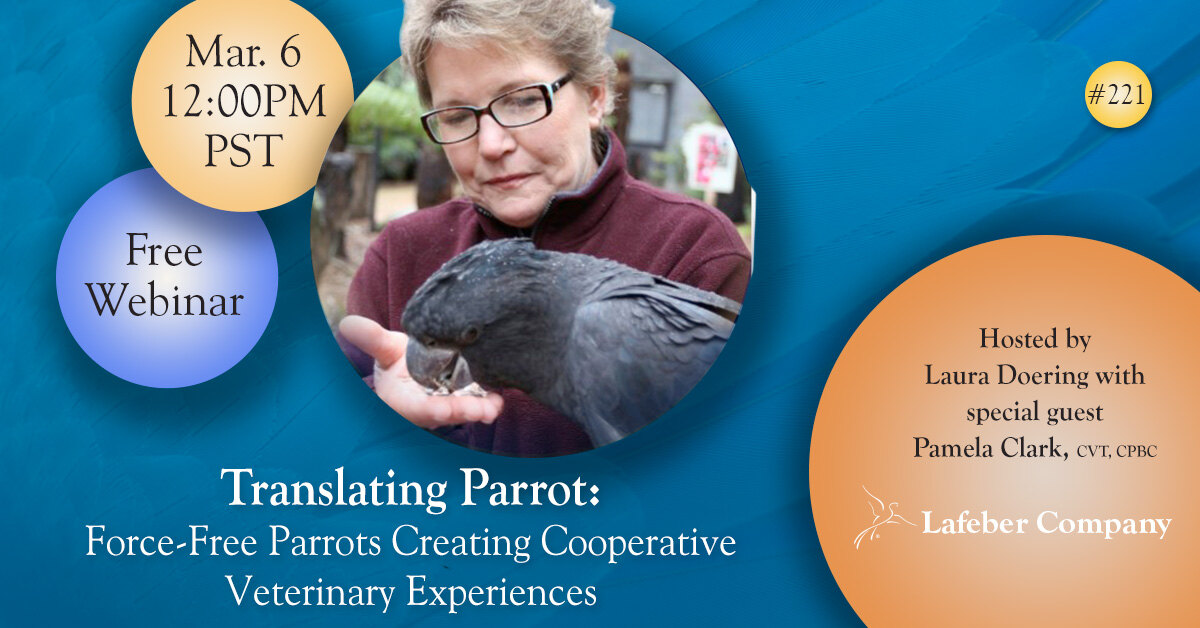
A pivotal webinar addressing the critical need for humane and effective avian veterinary care, titled "Force-Free Parrots: Creating Cooperative Veterinary Experiences," is scheduled for Friday, March 6, 2026, at 12:00 p.m. PST. This event aims to revolutionize the approach to avian medical interventions by introducing principles of force-free handling and cooperative care, promising to transform potentially traumatic veterinary visits into positive interactions for parrots, their caregivers, and veterinary professionals alike. The session, led by acclaimed certified professional bird consultant Pamela Clark, will delve into practical strategies designed to alleviate stress, foster trust, and empower parrots to willingly participate in their own healthcare routines.
The importance of this webinar cannot be overstated within the evolving landscape of animal welfare and veterinary medicine. For decades, traditional veterinary practices often relied on physical restraint to ensure compliance during examinations, treatments, and procedures. While effective in achieving immediate medical tasks, these methods frequently overlooked the profound psychological and physiological impact on the animal. For parrots, highly intelligent, sensitive, and prey-species creatures, such experiences are not merely unpleasant; they can be deeply traumatizing, leading to chronic fear, anxiety, and learned helplessness. This negative conditioning often results in a cycle of escalating stress with each subsequent veterinary visit, making future care increasingly challenging, risky for handlers, and detrimental to the bird’s overall well-being. The long-term consequences can include behavioral issues, damage to the human-animal bond, and even a reluctance by owners to seek necessary veterinary attention, fearing the stress it will inflict on their beloved companions.
The veterinary community, alongside animal behaviorists and welfare advocates, has increasingly recognized these challenges, leading to a significant paradigm shift towards fear-free and low-stress handling techniques across all species. This movement, gaining considerable traction over the past two decades, emphasizes understanding animal behavior, utilizing positive reinforcement, and creating environments that minimize stress and maximize cooperation. For parrots, which possess complex cognitive abilities and a strong capacity for associative learning, this approach is particularly pertinent. Their ability to form strong bonds and learn intricate behaviors makes them ideal candidates for cooperative care, where they are taught to willingly participate in procedures such as nail trims, beak examinations, injections, or even blood draws, through positive reinforcement.
Pamela Clark, a Certified Professional Bird Consultant (CPBC) with extensive experience in avian behavior and welfare, stands at the forefront of this progressive methodology. Her work focuses on fostering deeper understanding and more harmonious relationships between parrots and their human companions. Clark’s expertise is rooted in applied behavior analysis and ethology, allowing her to translate complex behavioral science into practical, accessible strategies for everyday caregivers and professional practitioners. Her reputation as a compassionate and effective educator makes her an ideal guide for this crucial topic. The webinar offers a unique opportunity to learn directly from a leading authority who advocates for a more empathetic and scientifically informed approach to avian care, moving beyond mere management to genuine partnership with these intelligent birds.
Participants in the webinar can expect a comprehensive exploration of the core principles underpinning force-free handling and cooperative care. This includes understanding parrot body language and vocalizations as indicators of stress or comfort, implementing positive reinforcement techniques effectively, and gradually desensitizing parrots to veterinary procedures. Practical strategies will cover a spectrum of scenarios, from simple towel training for examination to teaching voluntary participation in more invasive procedures. Attendees will learn how to create a positive association with veterinary equipment, clinic environments, and handling by veterinary staff. The curriculum is meticulously designed to provide actionable insights for both parrot owners seeking to improve their birds’ quality of life and veterinary professionals aiming to enhance patient welfare, improve efficiency, and reduce occupational stress.
The shift towards cooperative care is not merely an ethical imperative; it carries significant practical implications for veterinary practices. When animals are less stressed, examinations are more thorough, diagnoses can be more accurate, and treatments can be administered more safely and efficiently. Reduced stress for patients also translates to a safer working environment for veterinary staff, minimizing the risk of bites, scratches, or other injuries associated with handling fearful animals. Furthermore, clients whose pets experience less stress during veterinary visits are likely to be more satisfied, leading to increased client loyalty, improved compliance with treatment plans, and positive word-of-mouth referrals. This fosters a reputation for compassionate care, which is increasingly valued by pet owners who view their animals as integral family members.
The broader impact of initiatives like this webinar extends to the entire animal welfare community. By promoting a standard of care that prioritizes psychological well-being alongside physical health, it contributes to a more holistic understanding of animal sentience and needs. Historically, the treatment of animals in medical contexts often prioritized human convenience or efficiency over the animal’s experience. However, the growing body of scientific evidence on animal cognition and emotion has underscored the ethical responsibility to minimize fear, pain, and distress wherever possible. The "Fear Free" movement, for example, has garnered widespread support across the veterinary profession, certifying thousands of professionals in techniques that reduce anxiety in companion animals. This webinar specifically extends these principles to the unique context of avian patients, who are often overlooked in general companion animal welfare discussions despite their complex needs.
Looking ahead, the widespread adoption of force-free and cooperative care techniques holds the potential to significantly elevate the standard of avian veterinary medicine globally. Educational initiatives like Pamela Clark’s webinar are crucial in disseminating this knowledge and fostering a new generation of caregivers and veterinary professionals who are equipped with the skills and philosophy to provide truly compassionate care. The long-term benefits include not only healthier, happier parrots but also stronger human-animal bonds and a more humane veterinary profession. As research continues to deepen our understanding of animal behavior and welfare, the methodologies presented in this webinar will undoubtedly become foundational elements of best practice, ensuring that every parrot receives considerate, fear-free treatment throughout its life. This represents a significant step forward in recognizing and responding to the emotional and psychological needs of these extraordinary birds, paving the way for a future where veterinary visits are no longer a source of dread but an opportunity for positive interaction and preventative health.
