

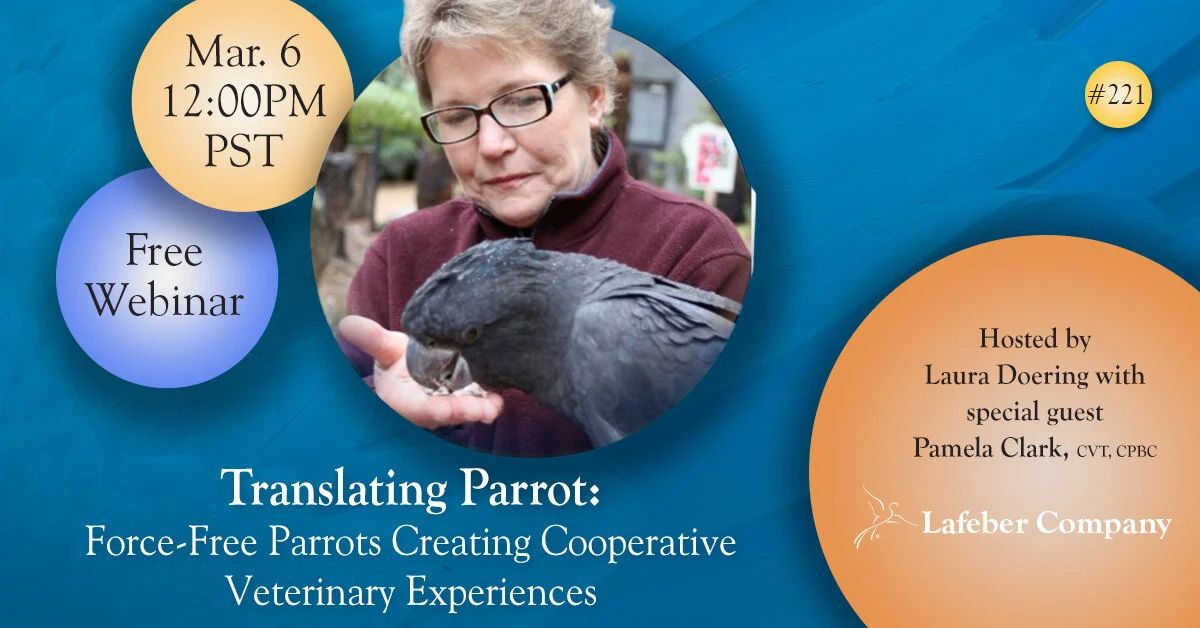
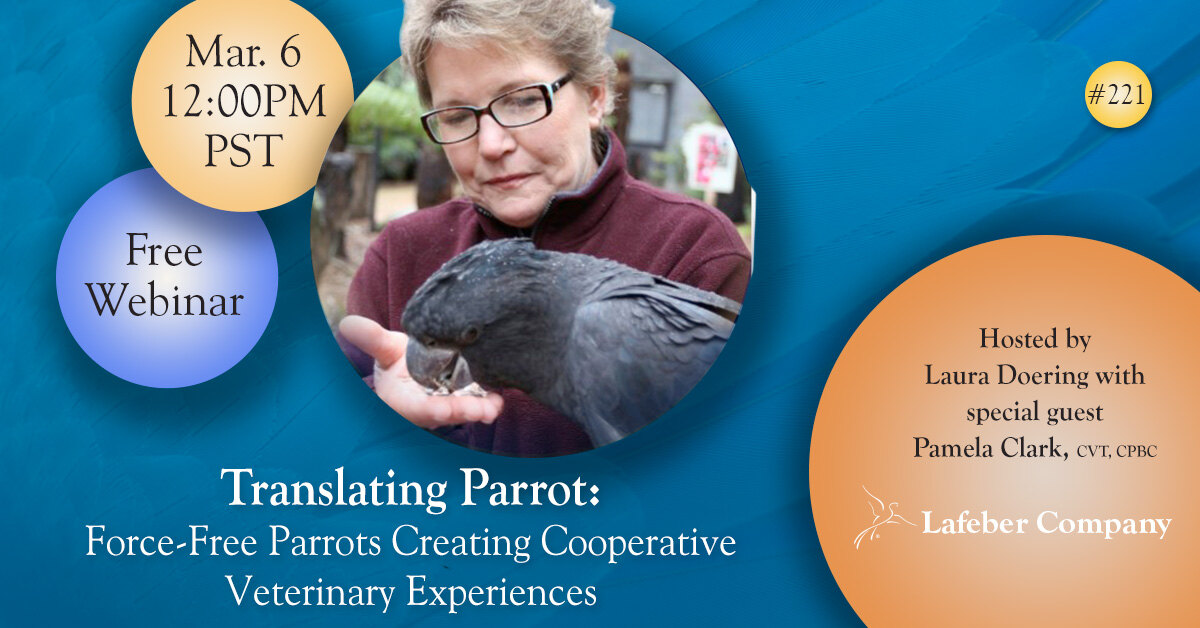
A groundbreaking webinar, scheduled for Friday, March 6, 2026, at 12:00 p.m. PST, is poised to redefine the landscape of avian veterinary care by championing force-free handling and cooperative care methodologies for parrots. This significant online event, titled "Force-Free Parrots: Creating Cooperative Veterinary Experiences," will feature renowned expert Pamela Clark, CPBC, and aims to equip both dedicated parrot caregivers and veterinary professionals with practical strategies to transform stressful veterinary visits into positive, trust-building interactions. The initiative underscores a critical shift in animal welfare philosophy, moving away from traditional, often traumatic, restraint techniques towards methods that foster willing participation and strengthen the human-animal bond. Attendees are encouraged to utilize a provided time zone converter to ensure timely participation from their respective locations globally.
The Paradigm Shift: From Restraint to Cooperation
Historically, veterinary medicine, particularly concerning exotic species like parrots, has often relied on physical restraint to facilitate examinations, procedures, and treatments. This approach, while effective in achieving immediate medical objectives, frequently comes at a significant cost to the animal’s psychological well-being. For intelligent and sensitive creatures such as parrots, these experiences can be deeply traumatic, leading to profound fear, chronic stress, and a lasting aversion to future veterinary interventions. The consequences extend beyond the immediate appointment, potentially making routine care, preventative medicine, and emergency situations exceedingly difficult and dangerous for both the bird and the human handlers. Traditional methods, rooted in a necessity for quick intervention, often overlook the long-term behavioral impact on the patient, resulting in a cycle of fear and resistance that compromises comprehensive healthcare.
The concept of "force-free" handling represents a fundamental departure from this paradigm. It emphasizes the use of positive reinforcement, classical conditioning, and careful desensitization to encourage animals to voluntarily participate in their own care. This approach seeks to minimize fear, stress, and anxiety, creating an environment where an animal feels safe and empowered, rather than threatened. Cooperative care, a core component of force-free handling, involves training an animal to accept, and even actively assist with, necessary procedures through positive reinforcement. This could range from a parrot willingly stepping onto a scale, allowing its nails to be trimmed, or presenting a wing for examination, all without the need for physical force or intimidation. The burgeoning understanding of animal cognition and emotion has fueled this movement, recognizing that animals are sentient beings whose emotional states profoundly influence their physical health and responsiveness to care.
Expert Insight: Pamela Clark’s Vision
Pamela Clark, a Certified Professional Bird Consultant (CPBC), stands as a leading voice in the field of avian behavior and welfare. With extensive experience and a deep understanding of parrot psychology, Clark has dedicated her career to advocating for more humane and effective methods of interaction with companion birds. Her work emphasizes that a parrot’s willingness to cooperate is not merely a convenience but a direct indicator of its trust and comfort. Clark’s expertise is not confined to theoretical frameworks; she is renowned for her ability to translate complex behavioral science into practical, implementable strategies for both pet owners and veterinary professionals.
Through this webinar, Clark is expected to articulate the core principles that underpin force-free handling. She will likely delve into how caregivers can proactively prepare their parrots for veterinary visits, teaching them specific behaviors that facilitate examination and treatment. This proactive approach not only mitigates stress during the actual visit but also empowers owners with tools to build a stronger, more trusting relationship with their birds. Sources close to the event suggest Clark will highlight the ethical imperative of this approach, stressing that compassionate, considerate treatment is not an optional extra but a fundamental right for every parrot under human care. Her vision extends beyond individual interactions, aiming to foster a broader cultural shift within the avian community towards practices that prioritize psychological well-being alongside physical health. This commitment to holistic care positions Clark as a pivotal figure in advancing modern avian welfare standards.
The Imperative for Change: Understanding Parrot Psychology
Parrots are extraordinarily intelligent, highly social, and emotionally complex animals. As prey species in the wild, they are innately programmed to perceive restraint as a life-threatening situation. This evolutionary predisposition makes them particularly susceptible to profound fear and stress when handled forcefully. Their cognitive abilities allow them to form strong associations, meaning a single traumatic veterinary visit can create a lasting negative impression, making subsequent care exponentially more challenging. Veterinary surveys and anecdotal reports frequently indicate that stress and fear are major barriers to owners seeking regular or emergency veterinary care for their parrots. Pet owners often cite the trauma inflicted on their birds during vet visits as a primary reason for delaying or avoiding essential check-ups, which can have dire consequences for the bird’s long-term health.
The physical manifestations of stress in parrots can include feather plucking, self-mutilation, aggression, anorexia, and weakened immune responses, all of which can exacerbate existing health conditions or lead to new ones. Moreover, stressed parrots are difficult to accurately assess diagnostically, as their physiological responses (e.g., elevated heart rate, respiration) can mask or mimic symptoms of illness, leading to misdiagnoses or incomplete evaluations. It is estimated that a significant percentage of avian patients present with stress-related behavioral issues following traditional veterinary encounters, underscoring the urgent need for alternative approaches. The webinar will therefore likely emphasize the intricate link between a parrot’s psychological state and its physical health, providing compelling reasons why a cooperative, force-free approach is not merely desirable but critically important for effective avian medicine.
Practical Strategies for Caregivers and Professionals
The webinar is specifically designed to provide actionable insights for its diverse audience. For parrot caregivers, the focus will be on techniques that can be implemented at home to prepare their birds for routine handling and examination. This includes positive reinforcement training for behaviors such as stepping onto a scale, allowing tactile interaction (e.g., gently touching feet or wings), or entering a carrier willingly. Desensitization exercises, gradually introducing the bird to common veterinary tools or procedures in a non-threatening manner, will also be a key component. The aim is to empower owners to become active partners in their bird’s healthcare, reducing anxiety for both the bird and themselves.
For veterinary professionals, the webinar will offer strategies to integrate force-free principles into clinical practice. This involves creating a low-stress clinic environment, understanding subtle avian body language cues, and employing gentle handling techniques that prioritize the bird’s comfort. Techniques such as towel training (to minimize the perception of direct restraint), target training for movement, and positive reinforcement during examinations will likely be covered. The benefits for veterinary staff are manifold: reduced risk of bites or scratches, more accurate physical examinations due to a less stressed patient, and improved client relationships built on trust and a shared commitment to the animal’s welfare. Ultimately, these practical strategies are geared towards creating a safer, more compassionate, and more effective healthcare experience for every parrot.
A Growing Movement: The Broader Context of Fear-Free Pet Care
The principles espoused in "Force-Free Parrots" are not isolated but are part of a larger, global movement towards fear-free and low-stress handling in veterinary medicine and animal training across all species. Organizations like Fear Free Pets have revolutionized dog and cat veterinary care by promoting certified professionals and practices that prioritize emotional well-being. This paradigm shift acknowledges that pets are integral family members, and their comfort and psychological health are paramount. Industry reports indicate a significant rise in pet owners seeking out fear-free certified veterinary practices, demonstrating a clear demand for more humane approaches.
According to various pet ownership statistics, the companion animal population, including parrots, continues to grow, with millions of households globally owning at least one pet bird. In the United States alone, avian companions represent a substantial segment of the pet market, making their specific veterinary needs a critical area of focus. The success of fear-free initiatives in other species provides a robust framework for applying these principles to avian medicine. By adapting and refining these methods for the unique physiology and psychology of parrots, the veterinary community can significantly enhance the quality of life for these intelligent birds. This webinar therefore serves not only as an educational event but as a beacon, signaling the expansion of these progressive animal welfare standards into specialized avian care, aligning with broader societal expectations for ethical treatment of all companion animals.
Anticipated Impact and Future Outlook
The "Force-Free Parrots" webinar is anticipated to have a profound and lasting impact on avian veterinary care. By disseminating best practices from an expert like Pamela Clark, it aims to elevate the standard of care for companion parrots, making low-stress, cooperative handling the norm rather than the exception. The immediate impact will be felt by attendees who gain actionable knowledge, leading to improved individual parrot welfare and stronger human-animal bonds. In the long term, the wider adoption of these methods could significantly reduce stress-related illnesses in parrots, leading to healthier, happier lives.
For the veterinary community, this shift offers an opportunity to enhance professional satisfaction and client retention. Practices that embrace force-free methods are likely to attract more clients who prioritize their pet’s emotional well-being, fostering a positive reputation and a thriving practice. Furthermore, the emphasis on proactive training and preventative care could lead to earlier detection of health issues, improving prognosis and reducing the need for emergency interventions. The availability of such specialized knowledge through accessible online platforms like webinars demonstrates the evolving nature of professional development in animal care. This digital dissemination ensures that cutting-edge techniques can reach a global audience of caregivers and professionals, accelerating the integration of advanced welfare practices into daily routines. This event marks a crucial step in cementing the role of behavioral science in comprehensive avian healthcare, paving the way for a more compassionate and effective future for parrots worldwide.
Event Details and Accessibility
The "Force-Free Parrots: Creating Cooperative Veterinary Experiences" webinar is scheduled for Friday, March 6, 2026, at 12:00 p.m. Pacific Standard Time (PST). Given the global reach of such specialized topics, attendees from different time zones are strongly advised to utilize the provided time zone converter to accurately determine the local start time for their participation. The online format of the webinar ensures broad accessibility, allowing caregivers and professionals from diverse geographical locations to benefit from Pamela Clark’s expertise without the constraints of travel. This digital platform facilitates a dynamic learning environment, often including opportunities for live Q&A sessions, further enhancing the educational value for participants. The event, hosted by a recognized leader in avian health resources, is a testament to the commitment to advancing knowledge and improving the lives of companion birds. Interested individuals are encouraged to mark their calendars and prepare for an enlightening session that promises to reshape their understanding and approach to parrot care.
