

Understanding the nuanced dynamics of avian bonding is paramount for pet bird owners seeking to cultivate a truly fulfilling relationship with their feathered companions. Unlike the human-centric expressions of affection often involving constant physical proximity, birds forge connections rooted in trust, shared activities, and a profound respect for natural behaviors. While the impulse to provide endless cuddles is common, an overabundance of physical petting can inadvertently miscommunicate intentions, potentially triggering undesirable hormonal responses and behavioral issues. This comprehensive guide outlines eight evidence-based, healthy approaches to strengthen the human-bird bond, fostering a relationship that aligns with avian well-being and promotes genuine happiness.
The Misconception of Over-Cuddling: Understanding Avian Social Structures
In their natural habitats, birds establish intricate social bonds within their flocks, which are fundamentally different from human intimate relationships. These connections are primarily built through cooperative behaviors such as mutual preening (allopreening), communal foraging, vigilance against predators, and respecting individual space. Physical "cuddling" or intense body contact is typically reserved for mate-pair bonding during breeding seasons, a crucial distinction often overlooked in captive environments.
When pet birds are subjected to excessive petting, particularly in areas that mimic courtship behaviors (e.g., back, under wings, vent area), it can trigger profound hormonal shifts. This misinterpretation of human affection can lead to chronic frustration, increased aggression, excessive vocalization, and even severe health issues such as chronic egg laying in females, which can be life-threatening. The implications extend beyond immediate behavioral problems; such confusion can undermine the bird’s sense of security and lead to a perpetually stressed state. Instead, nurturing a bond that mirrors natural avian interactions—focused on health, enrichment, clear communication, and trust-building—allows birds to feel safe, understood, and deeply connected, much as they would with their wild flock.
1. Prioritizing Quality Sleep: A Foundation for Avian Health and Temperament
Adequate and consistent sleep is a cornerstone of a bird’s physical and psychological health, directly influencing their temperament and capacity for bonding. Wild birds adhere to precise natural light cycles, waking with dawn and roosting after dusk, a routine that meticulously regulates their circadian rhythms, hormone production, and energy levels. In a domestic setting, replicating this natural rhythm by providing 10 to 12 hours of uninterrupted, quiet, and dark rest each night is critical. Insufficient sleep can manifest as irritability, heightened anxiety, excessive screaming, and a weakened immune system, making a bird less receptive to positive interactions.
Avian species possess a unique sleep adaptation known as unihemispheric slow-wave sleep (USWS), allowing one half of their brain to rest while the other remains vigilant. This evolutionary trait, vital for predator avoidance in the wild, highlights their inherent need for security during rest. However, in a home environment, persistent disturbances from artificial light, television noise, or human activity can prevent birds from achieving the restorative deep sleep necessary for optimal health. A consistent sleep schedule within a designated, dark, and tranquil space not only ensures proper rest but also reinforces a sense of safety and predictability.
To optimize a bird’s sleep environment, owners should consider:
- Location: Position the cage in a quiet area away from high-traffic zones, artificial lights (including streetlights), and electronic devices.
- Darkness: Utilize a breathable, opaque cage cover to block light entirely, signaling "nighttime" to the bird.
- Temperature: Ensure the room temperature is stable and comfortable, avoiding drafts or excessive heat.
- Routine: Establish a consistent bedtime and wake-up schedule to regulate the bird’s internal clock.
- Quiet: Minimize noise during sleep hours to prevent interruptions, acknowledging the bird’s heightened auditory sensitivity.
By meticulously attending to a bird’s sleep requirements, owners lay a vital foundation for their overall well-being, fostering a calmer, healthier, and more engaged companion.
2. The Social Ritual of Shared Meals: Strengthening Bonds Through Flock Dining
In the wild, communal eating is a fundamental pillar of avian social structure, serving not merely as sustenance but as a critical bonding ritual. Flock-mates forage and consume food together, reinforcing social hierarchies, building trust, and facilitating the transfer of vital information, such as identifying safe food sources to juveniles. This practice, termed "flock dining" in a domestic context, offers a powerful, natural pathway to strengthen the human-bird relationship while profoundly impacting their nutritional status and psychological well-being.
The Imperative of Fresh, Whole Foods:
A bird’s physical and emotional health is inextricably linked to its diet. Commercial seed mixes, often high in unhealthy fats and deficient in essential vitamins, minerals, and antioxidants, can lead to a host of health problems, including obesity, liver disease, and vitamin deficiencies, which in turn can manifest as behavioral issues such as nervousness or aggression. Conversely, a diverse diet rich in fresh vegetables, fruits, whole grains, and legumes mirrors the varied foraging typical of wild parrots, providing the comprehensive nutrition required for a thriving bird.
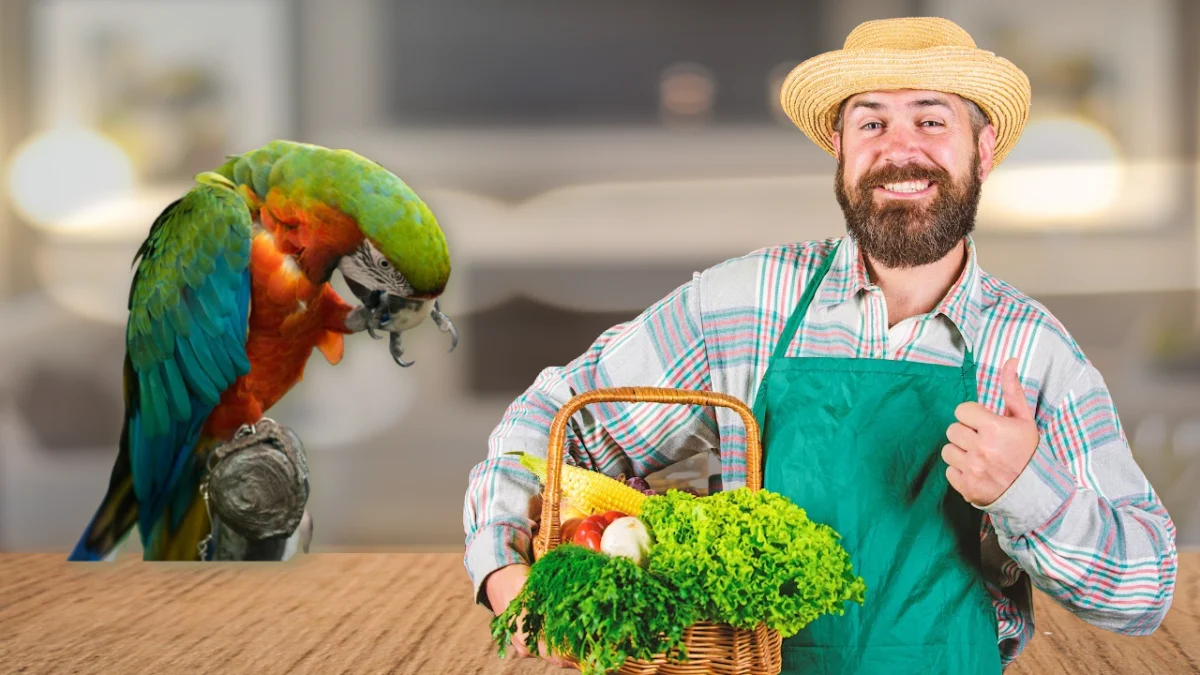
Preparing meals that both human and bird can safely enjoy—such as vibrant salads, wholesome grain bowls, or meticulously chopped vegetable mixes—not only enriches the bird’s diet but also deeply reinforces the flock bond. It is crucial to be acutely aware of foods toxic to birds, including avocado, chocolate, caffeine, onions, garlic, and items high in salt or sugar.
The Art of Bird Chop: Culinary Enrichment for Avian Companions:
"Bird chop," a finely minced mixture of fresh, diverse ingredients, represents an exemplary approach to avian nutrition and enrichment. This preparation mimics the varied plant matter birds encounter in their natural foraging, ensuring a broad spectrum of nutrients. Batch-preparing chop and freezing it in individual portions offers convenience while guaranteeing a consistent supply of healthy meals. A balanced chop typically includes leafy greens, a colorful array of other vegetables, cooked grains (e.g., quinoa, brown rice, barley), and a lean protein source (e.g., lentils, cooked beans). The act of preparing and then sharing this meal, perhaps with the owner consuming their own salad alongside their bird’s chop, powerfully reinforces the flock dining experience and encourages dietary exploration.
Through the integration of flock dining and the mindful preparation of nutritious meals, owners transcend the simple act of feeding; they nurture a profound bond, stimulate cognitive functions, and instill healthy eating habits that contribute to a long, robust life.
3. The Cognitive Engagement of Training: Building Trust Through Positive Reinforcement
Engaging a bird in positive reinforcement training is a highly effective method for fostering trust, enhancing cognitive function, and solidifying a healthy bond. Birds are exceptionally intelligent creatures that respond optimally to methods that reward desired behaviors rather than punishing mistakes. This approach not only makes learning enjoyable but also builds confidence and strengthens the bird’s association of the human with positive experiences.
Training sessions should be concise, ideally 5-10 minutes in duration, to maintain the bird’s attention and prevent fatigue. Rewards, whether a highly favored treat or enthusiastic verbal praise, should be delivered immediately following the desired action to create a clear association. Training offers more than just teaching tricks; it provides mental stimulation, reduces boredom, and allows birds to exercise their problem-solving abilities, which are crucial for their psychological well-being.
Foundational Tricks for Avian Companions:
- Target Training: This foundational exercise teaches the bird to touch a specific object (e.g., a stick, a finger) with its beak upon command. It builds confidence, establishes a clear communication channel, and serves as a prerequisite for more complex behaviors like stepping onto a scale or moving to a specific perch.
- Instructions: Present a target stick, and as the bird shows interest or touches it, immediately offer a treat and verbal praise. Gradually introduce a verbal cue like "target" as the bird consistently touches the stick.
- Spin in a Circle: A fun and engaging trick that teaches the bird to follow a hand cue.
- Instructions: Hold a treat slightly above and behind the bird’s head, guiding it to turn in a small circle. As the bird completes the turn, reward it. Add a verbal cue like "spin" once the behavior is consistent.
- Wave: This charming trick teaches the bird to lift a foot in response to a cue.
- Instructions: Gently prompt the bird to lift its foot by lightly touching its leg or presenting a treat slightly out of reach, encouraging it to "step up" without a perch. Reward the lift. Pair with a verbal cue like "wave" once the behavior is established.
Through consistent, positive training, owners unlock their bird’s cognitive potential, transforming interactions into meaningful engagements that deepen mutual understanding and trust.
4. The Primal Urge for Foraging: Enriching Life Through Natural Behaviors
Foraging is an innate and indispensable behavior for all avian species. In the wild, parrots dedicate a significant portion of their day—often many hours—to searching for food, utilizing their acute senses, dexterity, and problem-solving skills to locate and extract sustenance. Providing ample foraging opportunities in a domestic setting is not merely a pastime; it is a critical component of environmental enrichment that prevents boredom, mitigates stress, and redirects potentially destructive behaviors such as feather plucking or excessive vocalization. Birds that regularly engage in foraging activities tend to exhibit greater confidence, mental acuity, and overall behavioral health.
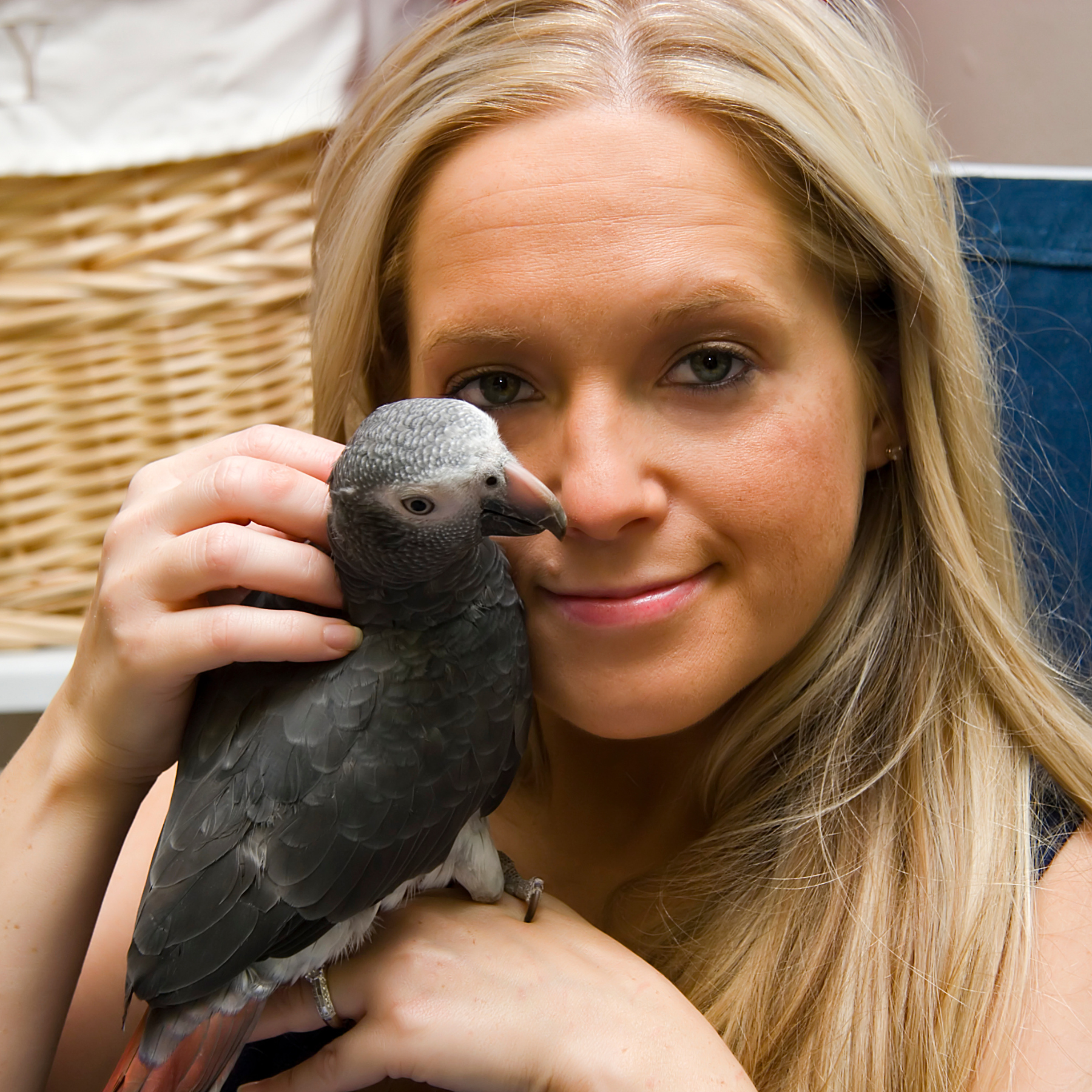
Introducing foraging challenges to pet birds should be a gradual and rewarding process. Begin by hiding treats in easily accessible locations, such as under a paper shred or within a shallow dish. As the bird gains proficiency and confidence, progressively increase the complexity of the foraging device or hiding spot. Utilizing a diverse array of textures, materials, and puzzle types stimulates curiosity and enhances motor skills. It is paramount to ensure all foraging materials are bird-safe, non-toxic, and free from small parts that could be ingested.
Accessible DIY Foraging Solutions:
- Paper-Wrapped Treats: Simple yet effective. Encase a favorite small treat in a piece of plain paper, twisting the ends to create a "package." The bird must then shred the paper to access its reward. For an advanced version, place several such bundles inside a small, bird-safe box.
- Foraging Cup: Utilize a clean, chemical-free paper cup or muffin liner. Place treats inside and crumple the top shut. This can be placed within the cage, or for a greater challenge, tucked under another toy or secured to the cage bars.
- Stuffed Vine Ball: Obtain natural, untreated vine balls, readily available at pet stores. Stuff the crevices with small pieces of dried fruit, vegetables, or bird-safe nuts. The bird will engage in pulling, shredding, and manipulating the ball to retrieve the hidden goodies, mimicking natural foraging techniques.
By integrating these simple, yet effective, foraging toys, owners transform routine mealtimes into stimulating, mentally engaging experiences that align with a bird’s natural instincts, promoting both physical and psychological well-being.
5. The Symphony of Connection: Singing, Talking, and Whistling Together
Vocal communication is an intrinsic and profoundly social aspect of avian life. In their natural flocks, parrots employ an extensive repertoire of calls, songs, and whistles to maintain cohesion, signal danger, express emotions, and identify individual members. When humans engage in similar vocal interactions with their pet birds—talking, singing, or whistling—they are effectively participating in this natural avian "language," reinforcing the bond and affirming the bird’s status as a cherished flock member. Birds that regularly engage in such vocal exchanges with their caregivers typically exhibit higher levels of contentment, confidence, and are less susceptible to loneliness or stress-induced behaviors.
Encouraging vocal interaction provides significant mental stimulation. Many species possess remarkable mimicry abilities, readily learning human words, phrases, or melodic patterns. While some birds instinctively adopt human vocalizations, others may require gentle, consistent encouragement. The key is to make these interactions consistently positive and enjoyable. Repeating simple words, singing familiar tunes, or engaging in reciprocal whistling sessions establishes an enriching routine that builds trust and fosters a deep sense of companionship.
Beyond mere social interaction, vocal communication can also serve as a powerful training adjunct. Birds quickly form associations between specific sounds or tones and corresponding actions, facilitating the teaching of commands such as "step up" or "good night." Even if a bird does not explicitly mimic human speech, the act of vocalizing together is deeply appreciated, strengthening the emotional connection. By incorporating vocal communication into daily routines, owners cultivate an environment of companionship and security, solidifying a bond built on shared expression.
6. The Dynamic Environment: Rotating Toys for Perpetual Enrichment
Birds are highly intelligent, inquisitive, and easily bored creatures that necessitate continuous mental stimulation to thrive. A stagnant environment, characterized by an unchanging array of toys, can rapidly lead to behavioral pathologies such as feather plucking, incessant screaming, or self-mutilation. The systematic rotation of toys is an elementary yet highly effective strategy to maintain a bird’s engagement, preventing boredom while encouraging problem-solving, physical activity, and natural exploratory instincts.
A diverse selection of toys, varying in texture, shape, and function, is crucial to address the multifaceted needs of a bird. Chew toys (e.g., softwood blocks, natural branches) satisfy the innate need to gnaw; shreddable toys (e.g., paper, natural fibers) fulfill the urge to destroy; puzzle toys challenge cognitive abilities; and comfort toys (e.g., soft ropes, specific perches) provide a sense of security. The integration of bird-safe plastics, natural fibers, and stainless steel components offers a broad sensory experience. A practical guideline is to maintain two or three distinct sets of toys, cycling them in and out of the cage on a weekly basis. This rotation ensures that each re-introduced toy feels novel and exciting, rekindling the bird’s interest and preventing habituation.
Beyond the immediate benefits of entertainment, toy rotation is also a critical safety measure. Regular inspection of toys for signs of wear and tear—such as frayed ropes, splintered wood, or broken plastic—is essential to prevent potential hazards. Birds explore their world extensively with their beaks, and a damaged toy can quickly become a dangerous one. By adhering to a strict toy rotation and inspection protocol, owners guarantee a consistently stimulating and safe play environment, vital for their bird’s ongoing happiness and engagement.
7. The Freedom of Flight: Ensuring Safe Out-of-Cage Playtime
Providing supervised out-of-cage playtime is indispensable for a bird’s holistic well-being, encompassing both physical health and psychological equilibrium. Birds are inherently active and require ample space to stretch their wings, climb, explore, and engage in natural locomotory behaviors. Denying this fundamental need can lead to lethargy, obesity, and a host of behavioral issues rooted in frustration and lack of exercise. A safe and enriching environment for out-of-cage time prevents boredom, encourages physical activity, and significantly strengthens the human-bird bond through shared experiences.
Prior to releasing a bird from its cage, the designated play area must be meticulously bird-proofed. This involves systematically removing or securing all potential hazards: closing windows and doors, turning off ceiling fans, relocating toxic houseplants, covering electrical cords, and removing small, ingestible objects. Creating dedicated play zones equipped with varied perches, climbing structures, and foraging opportunities will maximize engagement and safety. Training a bird to utilize a play stand or to reliably return to its cage or a specific perch on cue can establish a structured routine, making out-of-cage sessions more enjoyable and less stressful for both bird and owner.
Consistent supervision is paramount during all out-of-cage periods. Birds are naturally curious and can quickly encounter dangerous situations if left unattended. Interactions during this time should be positive, interactive, and stimulating, incorporating training sessions, engaging games, or the introduction of novel toys. By facilitating a secure and enriching space for out-of-cage play, owners empower their birds to remain physically active and mentally stimulated, concurrently building trust and deepening their companionship.
8. The Cornerstone of Respect: Honoring Avian Personal Space
Just as humans require personal boundaries, birds necessitate a distinct sense of personal space and security within their environment. While social interaction is vital, it is equally crucial to discern and respect when a bird requires solitude or is signaling a need for distance. Imposing unwanted attention, particularly when a bird is eating, resting, or exhibiting signs of stress, can lead to profound frustration, erode trust, and potentially elicit aggressive responses.
Mastering the interpretation of avian body language is fundamental to respecting a bird’s space. Subtle cues such as fluffed feathers (indicating discomfort or illness), pinned eyes (a sign of heightened arousal, which can precede a bite), beak clicking, or a deliberate retreat from interaction all signal that a bird is not receptive to handling. Instead of attempting to force interaction, the owner should allow the bird the autonomy to initiate or conclude engagements on its own terms. Establishing a quiet, predictable daily routine and providing designated safe havens, both within and outside the cage, contribute significantly to a bird’s sense of security and control over its environment.
By granting a bird agency and the ability to choose its level of interaction, owners cultivate a relationship founded on mutual respect and trust rather than dominance or control. This approach not only strengthens the bond over time but also fosters a more confident, emotionally stable bird that feels secure and valued within its home.
Conclusion: Cultivating Authentic Avian Bonds
The essence of loving a pet bird is not found in excessive human-style cuddling, but rather in a profound understanding and accommodation of their natural instincts and unique welfare requirements. Instead of relying on physical affection that can be misinterpreted, owners can forge an exceptionally strong and meaningful relationship through strategies that genuinely support avian well-being. These include rigorously prioritizing quality sleep, offering a diverse and healthy diet through flock dining, engaging in positive reinforcement training, providing ample foraging opportunities, ensuring safe and stimulating out-of-cage playtime, and, critically, respecting their inherent need for personal space and autonomy. By replacing potentially harmful "cuddles" with these enriching, bird-centric activities, a connection is forged that is both natural and deeply fulfilling for the bird, simultaneously strengthening the bond in ways that genuinely benefit their physical and psychological health.
Each bird is an individual, and the journey of discerning what makes a particular companion feel secure, happy, and engaged is a rewarding and ongoing endeavor. The more owners interact with their birds on avian terms, providing consistent opportunities for both mental and physical stimulation, the more profound and resilient their connection will become. True love, in the context of avian companionship, transcends human desires for affection; it manifests in understanding and diligently meeting the bird’s specific needs, thereby enabling them to thrive. Through the thoughtful integration of these evidence-based strategies, owners can anticipate years of joyful companionship and deeply meaningful interactions with their cherished feathered friends, built on a foundation of trust, mutual respect, and authentic avian well-being.
