


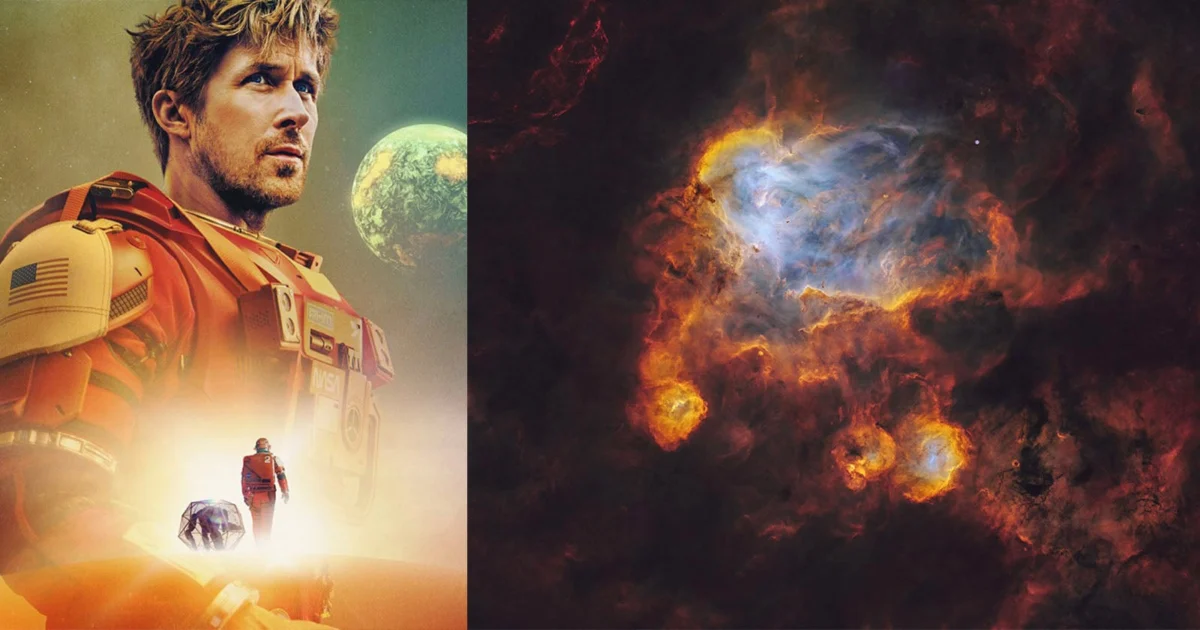
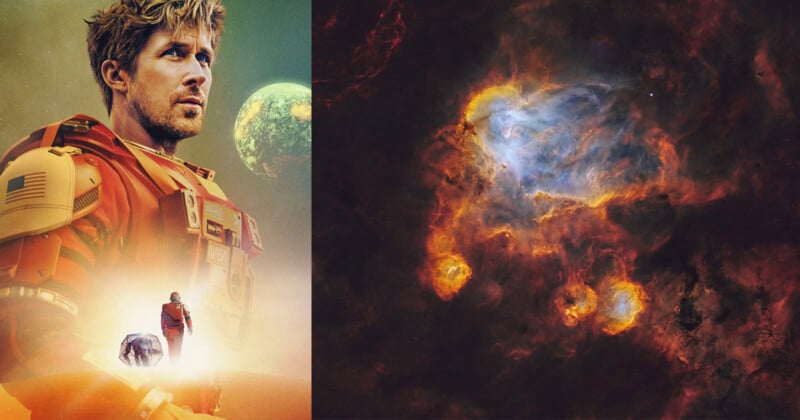
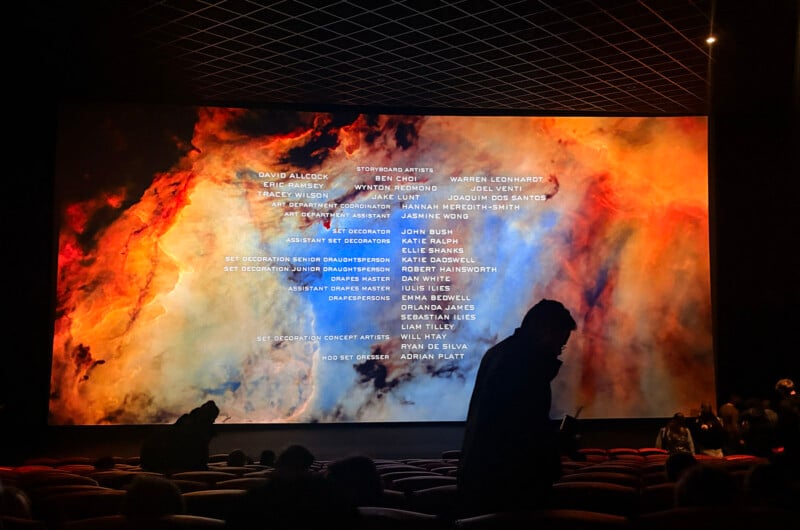
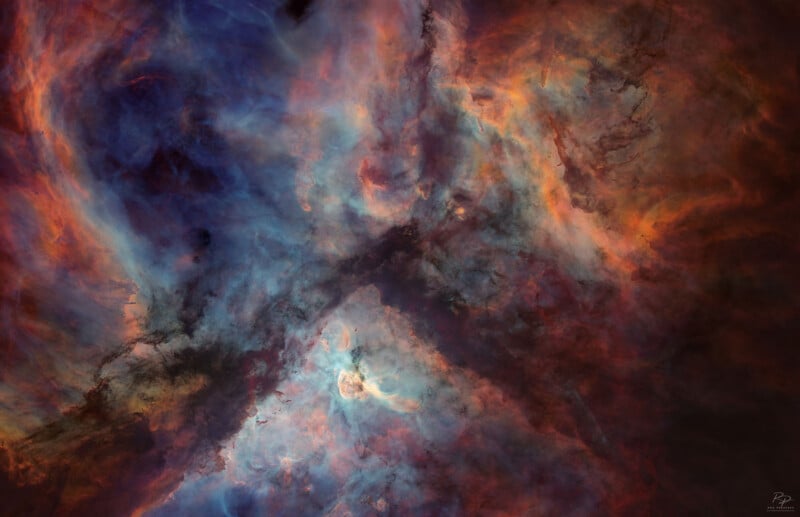
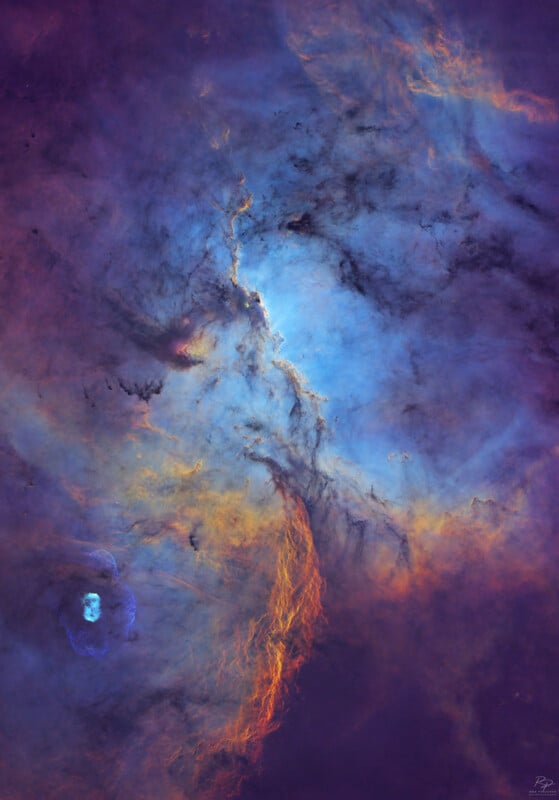
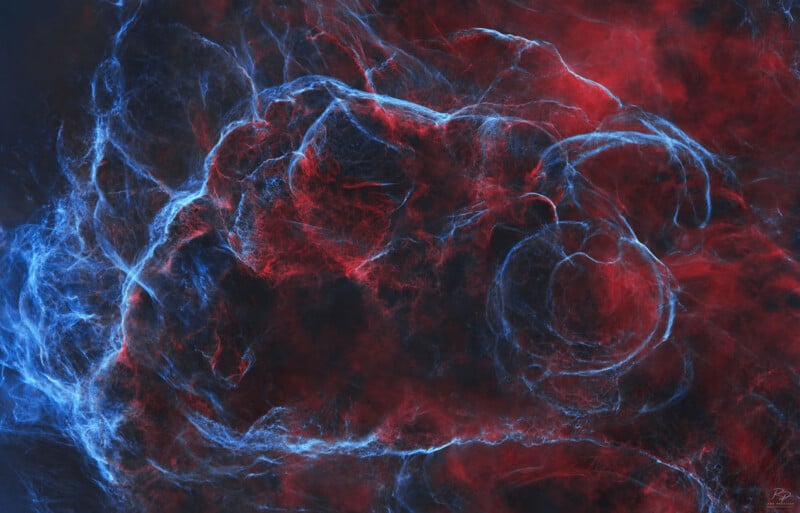
Rod Prazeres, a Brisbane-based astrophotographer, has achieved a rare milestone for independent creators: his captured images of deep space are currently illuminating cinema screens globally during the end credits of the science fiction epic Project Hail Mary. The inclusion of authentic astronomical data in a major Hollywood production marks a significant intersection between the amateur scientific community and high-budget filmmaking, highlighting a growing demand for visual authenticity in an era increasingly dominated by synthetic imagery.
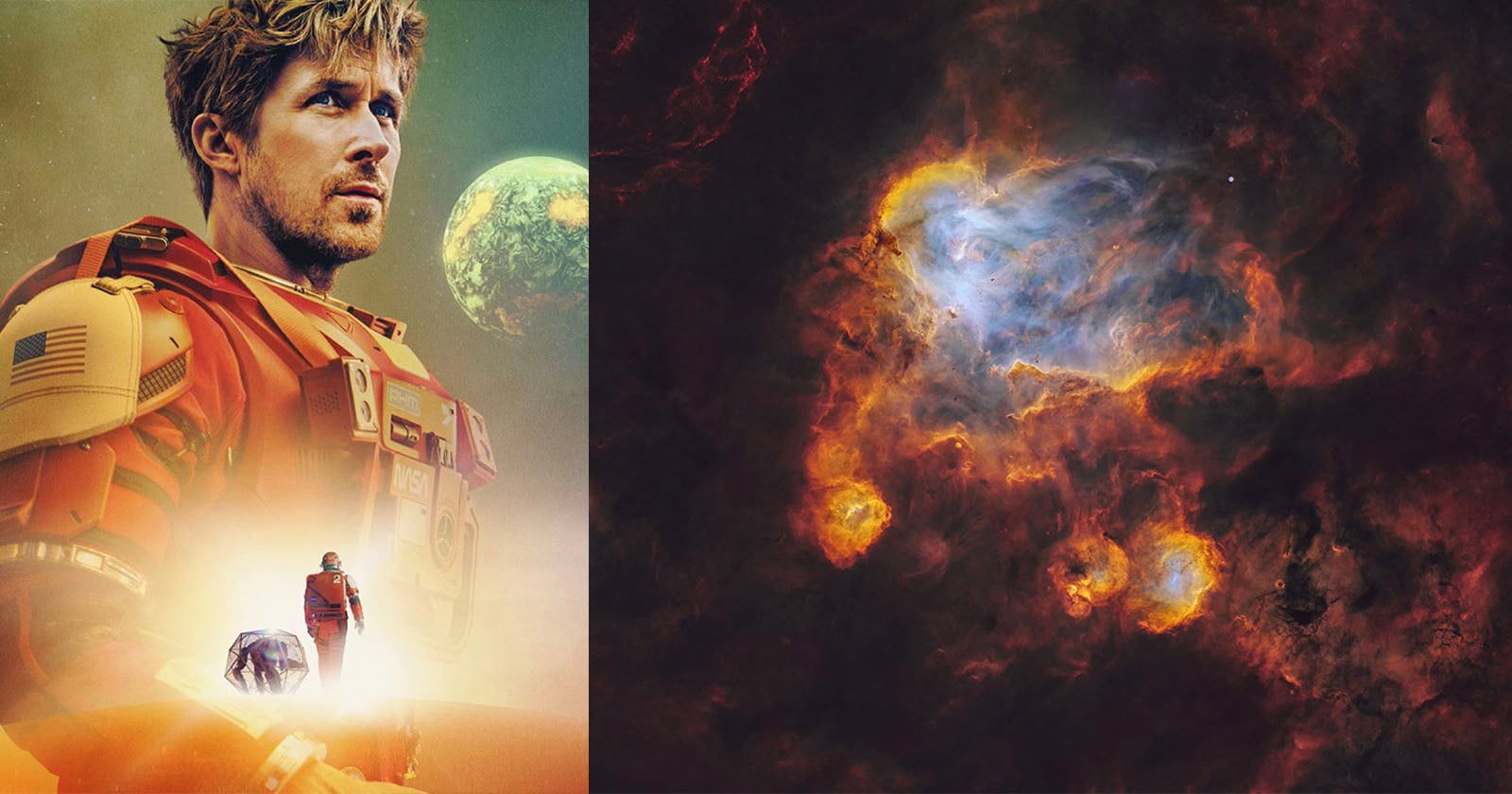
The film, an adaptation of Andy Weir’s 2021 best-selling novel, stars Academy Award nominee Ryan Gosling as Dr. Ryland Grace. The narrative follows Grace, a middle-school teacher turned astronaut, who awakens on a spacecraft with no memory of his identity or mission, eventually discovering he is humanity’s last hope for survival. Directed by the filmmaking duo Phil Lord and Christopher Miller, known for their work on Spider-Man: Into the Spider-Verse and The LEGO Movie, the production has been noted for its commitment to the "hard science" roots of Weir’s writing. This commitment to realism extended into the post-production phase, leading the creative team to seek out genuine captures of the cosmos rather than relying solely on computer-generated imagery (CGI) or generative artificial intelligence.
The Genesis of an Unlikely Collaboration
The journey from a suburban backyard in Queensland, Australia, to the silver screens of Los Angeles began with a simple notification on a social media platform. In a digital-first era, Prazeres was contacted via an Instagram direct message by a production company based in Los Angeles. The scouts were searching for high-resolution, aesthetically striking captures of deep-space objects—specifically nebulae and star clusters—that possessed a level of organic detail often missing from digital recreations.
"It all started with an unexpected Instagram message," Prazeres noted, reflecting on the initial skepticism many creators feel when approached by major entities online. "They were working on a sci-fi film and asked if I’d be open to licensing some of my work for a sequence."
For several months, the collaboration remained under a strict veil of professional secrecy, a standard practice in the film industry to prevent leaks regarding a blockbuster’s visual style or narrative beats. Prazeres described the period as one of quiet anticipation, noting that in the volatile world of film production, sequences can be edited out or changed entirely before the final cut.
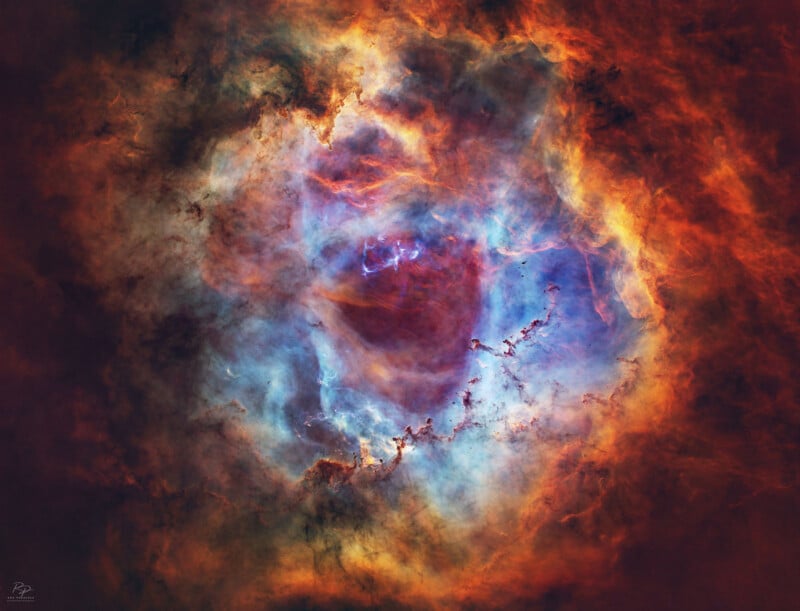
Initially, the production team expressed interest in using the images for a specific sequence within the film’s narrative. However, as the creative direction of Project Hail Mary evolved during the editing process, the decision was made to feature Prazeres’ work prominently during the end credits. This placement allows the audience to decompress from the high-stakes narrative while viewing the very celestial bodies that the film’s protagonist strives to understand and reach.
Technical Precision in Astrophotography
The images featured in the film are not snapshots in the traditional sense; they are the result of rigorous scientific processes and long-duration data acquisition. Prazeres, who began his journey into serious astrophotography in July 2023, utilizes specialized equipment designed to overcome the significant challenges of photographing objects millions of light-years away from a light-polluted suburban environment.
To capture the level of detail required for a cinema-sized projection, Prazeres employs a motorized equatorial mount. Because the Earth is constantly rotating, any long-exposure photograph of the sky would result in "star trails"—blurred streaks of light—without mechanical compensation. The mount moves the telescope and camera in precise synchronization with the Earth’s rotation, allowing the sensor to remain fixed on a single point in space for minutes or even hours at a time.
The data acquisition process involves:
- Long Exposures: Each individual frame is typically exposed for five to ten minutes.
- Narrowband Filtering: Prazeres utilizes specialized filters that isolate specific wavelengths of light, most notably Hydrogen-alpha (H-alpha) and Oxygen III (O-III). These filters are essential for suburban photographers as they block out the broad spectrum of light pollution from city lamps while allowing the specific glow of ionized gases in nebulae to pass through.
- Integration and Stacking: To eliminate "noise" (graininess caused by the camera sensor’s heat and electronics), hundreds of these long exposures are "stacked" using mathematical algorithms. This increases the signal-to-noise ratio, revealing faint wisps of interstellar dust and gas that are invisible to the naked eye.
- Calibration: The process includes the use of "dark frames," "flat frames," and "bias frames" to correct for sensor artifacts, dust on the optics, and vignetting.
A unique requirement for the Project Hail Mary credits was the delivery of "starless" versions of these images. In modern astrophotography, software tools can identify and remove stars from an image, leaving behind only the nebulosity (the clouds of gas and dust). This was a strategic choice by the film’s graphic designers to ensure that the scrolling text of the credits remained legible and did not "compete" with the bright points of starlight for the viewer’s attention.
Authenticity vs. Artificial Intelligence
The decision by the Project Hail Mary production team to license real astronomical data is a noteworthy stance in the current cinematic landscape. With the rise of generative AI tools capable of creating "space-like" imagery in seconds, the choice to use real data underscores a desire for scientific integrity that aligns with the film’s themes.

Prazeres expressed that the production team’s interest in his methodology was a validating moment for the astrophotography community. "At one point they even asked how I capture these images," he said. "It meant a lot to know they were genuinely excited to use real astronomical data and real structures from the night sky, rather than generating something from scratch."
From a technical standpoint, real astronomical images contain complexities—fluid dynamics of gas, gravitational interactions, and light diffraction—that AI often struggles to replicate accurately. By using Prazeres’ work, the filmmakers ensured that the background of their credits was not just "space-themed" art, but a window into the actual universe, featuring real nebulae located thousands of light-years from Earth.
The Chronology of Project Development
The timeline of this collaboration highlights the rapid ascent of Prazeres as a recognized talent in the niche field of deep-sky imaging:
- July 2023: Rod Prazeres begins his dedicated journey into astrophotography, investing in the specialized gear required for deep-space acquisition.
- Late 2023 – Early 2024: Prazeres builds a significant portfolio on social media, showcasing images taken from his backyard in Brisbane.
- Mid-2024: Initial contact is made by the Los Angeles production company. Licensing negotiations and technical discussions regarding file formats and "starless" processing begin.
- Late 2024: Final assets are delivered to the post-production house responsible for the film’s title sequences and credits.
- 2026: Project Hail Mary is released in theaters worldwide, featuring the images in the concluding moments of the film.
Broader Impact and Industry Implications
The inclusion of suburban astrophotography in a major motion picture suggests a democratization of high-end scientific imaging. In decades past, the type of imagery required for a blockbuster film would have necessitated data from multi-billion-dollar installations like the Hubble Space Telescope or the European Southern Observatory. However, advancements in CMOS sensor technology and affordable equatorial mounts have allowed private individuals to produce data that meets professional cinematic standards.
For the astrophotography community, Prazeres’ success serves as a testament to the quality of work being produced by hobbyists. It also highlights the potential for "citizen science" and amateur art to find commercial applications in the entertainment industry.
Furthermore, this collaboration reflects the "Andy Weir Effect"—a trend in science fiction where audiences and creators alike place a premium on accuracy. Just as The Martian (2015) sparked renewed interest in NASA’s real-world Mars capabilities, Project Hail Mary is expected to drive interest in interstellar travel and the actual appearance of the deep cosmos. By using real images, the film reinforces the bridge between fiction and reality, reminding viewers that the "dazzling" clouds on screen are physical structures existing in our universe.
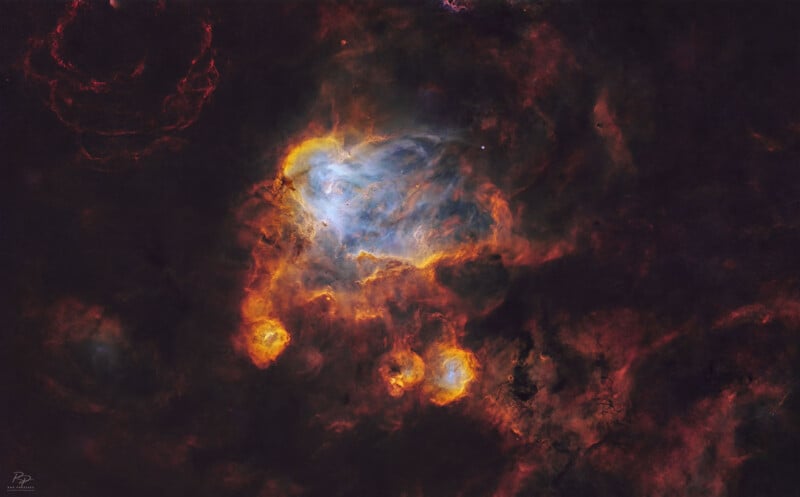
Rod Prazeres continues to document the deep sky from his Brisbane home, offering prints of the specific images seen in the film to the public. His work remains a bridge between the quiet, solitary hours of backyard astronomy and the loud, global stage of Hollywood cinema, proving that the most distant reaches of the galaxy are closer than they appear—sometimes as close as a camera lens in a suburban garden.
