

The Global Birdfair 2026 is lending its significant platform and resources to BirdLife International’s crucial conservation initiatives aimed at safeguarding the unique and imperiled avian populations of São Tomé and Príncipe. This collaboration seeks to avert further extinctions and preserve the rich biodiversity of the island nation, a recognized global biodiversity hotspot. The initiative highlights the urgent need for concerted efforts to protect species teetering on the brink, emphasizing the interconnectedness of ecological health and human well-being.
A Glimpse into São Tomé’s Avian Treasures
Nestled within the verdant, mist-shrouded forests of São Tomé, a trio of birds stands as a testament to the island’s extraordinary endemic biodiversity: the Dwarf Ibis ( Bostrychia bocagei), the São Tomé Grosbeak (Crithagra concolor), and Newton’s Fiscal (Lanius newtoni). These species, found nowhere else on Earth, are not merely rare; they are classified as Critically Endangered on the International Union for Conservation of Nature (IUCN) Red List, a stark indicator of their precarious existence. Their survival is intrinsically linked to the preservation of the dwindling forest habitats on this small island nation in the Gulf of Guinea.
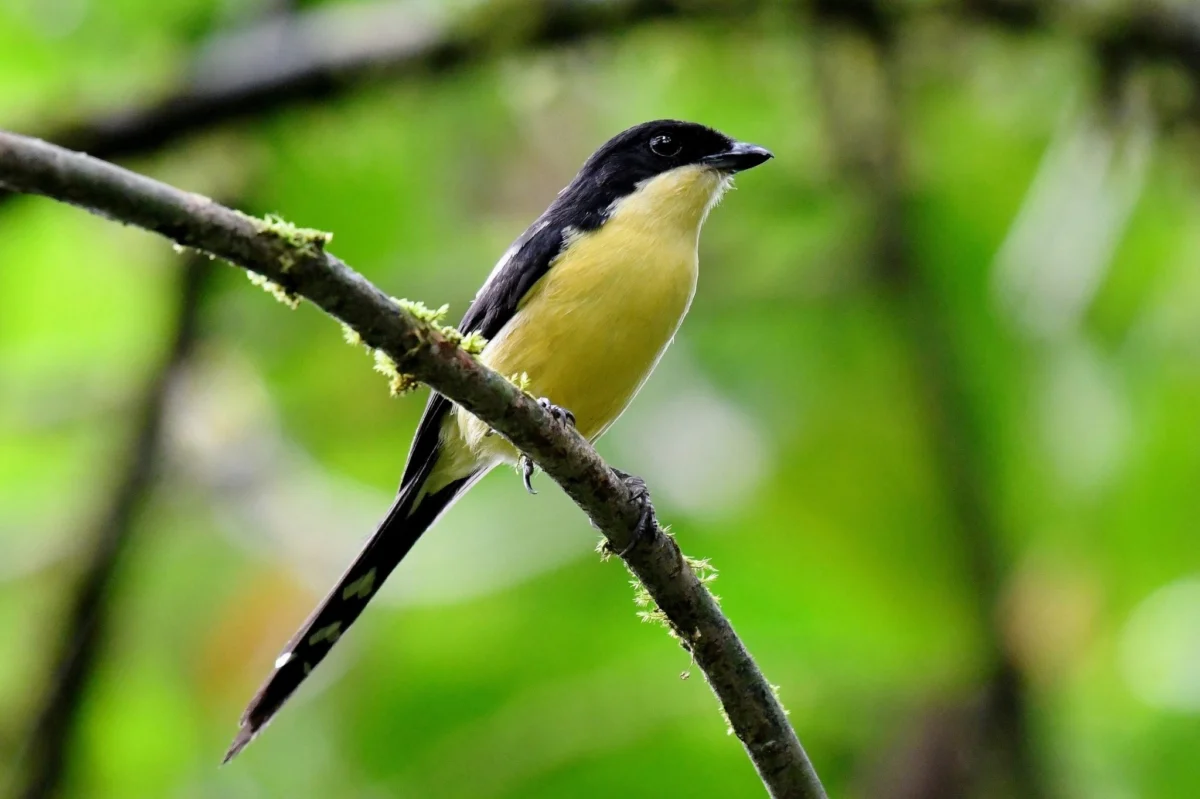
Each of these birds carries a narrative of profound rarity and remarkable resilience. The Dwarf Ibis, a reclusive inhabitant of the dense forests, is known for its haunting, distinctive call. Scientific estimates suggest its population may not exceed 2,000 individuals, placing it among the world’s most threatened avian species. The São Tomé Grosbeak, a bird once thought to have vanished from scientific record for over a century, persists in scattered forest fragments. Current estimates suggest fewer than 250 adult individuals remain, a number that underscores the critical need for immediate intervention. Newton’s Fiscal, a visually striking shrike characterized by its stark black and white plumage, surveys forest ridges in the island’s interior. With an estimated population also below 250 individuals, it ranks as one of Africa’s rarest bird species.
The Compounding Threats to Endemic Wildlife
Despite enjoying legal protection under national legislation, these unique species continue to face relentless pressure from a confluence of threats. The primary driver of habitat degradation is agricultural expansion, fueled by the growing demand for cash crops and other land-use changes. Coupled with this is the unsustainable extraction of timber, which further fragments and diminishes the forest ecosystems these birds rely upon for sustenance, nesting, and shelter. Beyond habitat loss, direct threats such as hunting, intentional disturbance of nesting sites, and the pervasive impact of invasive mammal species introduce additional stressors to already fragile populations. These factors collectively create a challenging landscape for conservation efforts.

BirdLife International’s Long-Standing Commitment
BirdLife International, in collaboration with its local partners in São Tomé and Príncipe, has been actively engaged in conservation work since 2018. Their efforts have been multi-faceted, focusing on strengthening the management of protected areas and promoting the adoption of sustainable livelihoods that mitigate the pressure on biodiversity. Recognizing that effective conservation transcends the mere safeguarding of forests, BirdLife has consistently emphasized the importance of engaging and collaborating with the local communities who share these landscapes. This community-centric approach is pivotal to achieving long-term conservation success.
Empowering Local Communities: A Paradigm Shift in Conservation
A particularly impactful initiative, implemented between 2022 and 2024, has demonstrated the transformative power of community engagement. By working directly with local hunters, who possess invaluable traditional knowledge of the forest and its inhabitants, the project has fostered a significant shift in perceptions regarding wildlife conservation and sustainable hunting practices. Rather than viewing conservation as an imposition or restriction, hunters have been encouraged to embrace their role as stewards of the forest. This paradigm shift has been instrumental in building trust and fostering a sense of shared responsibility for the natural heritage of São Tomé and Príncipe.
The outcomes of this initiative have been profoundly encouraging. A remarkable 75 hunters have stepped forward to become "Agents of Change." Leveraging their intimate understanding of the forest, these individuals are now actively contributing to conservation efforts. They are instrumental in locating rare species, such as the elusive Dwarf Ibis, and diligently report instances of illegal bird hunting. Their deep-seated knowledge and practical experience have become invaluable assets in the ongoing conservation endeavors, demonstrating that local expertise is a cornerstone of effective ecological management.
Towards Sustainable Futures and Enhanced Protection
In collaboration with national authorities, seasoned biologists, and other civil society stakeholders, these local hunters have played an essential role in the crucial process of reviewing existing hunting laws. Their input has been vital in developing a comprehensive roadmap for the improvement and updating of these regulations. Furthermore, a dedicated mentoring program has been established to support the development of alternative economic activities for 25 selected hunters. This program aims to help them explore the potential impact of developing sustainable income-generating alternatives on their family incomes, while simultaneously strengthening their fundamental management and financial skills.
A competitive selection process has identified the five most promising business ideas, which have subsequently received technical and financial support to develop and implement their respective business plans. This initiative serves as a powerful demonstration of how local hunters can evolve into genuine contributors to conservation efforts on the ground, fostering a harmonious balance between human needs and the imperative of biodiversity preservation.

Global Birdfair 2026: Expanding the Horizon of Conservation
Building on the positive momentum generated by these community-focused initiatives, the Global Birdfair 2026 project is poised to address critical knowledge gaps concerning the island’s endangered birds. A central tenet of the project is the strengthening of local capacities to effectively protect these species. This will involve close collaboration between researchers, park rangers, and community members, working in unison to gain a more profound understanding of the species’ distribution, population dynamics, and the specific actions required to secure their long-term future.
Concurrently, the project will continue its unwavering commitment to enhancing community involvement, ensuring that conservation strategies are deeply rooted in local knowledge, active participation, and a culture of long-term stewardship. This integrated approach recognizes that sustainable conservation is intrinsically linked to the empowerment and involvement of the people who live closest to these precious natural resources.
A Symbol of National Heritage and Global Responsibility
The remarkable trio of endemic birds – the Dwarf Ibis, the São Tomé Grosbeak, and Newton’s Fiscal – represent far more than just rare avian species. They stand as potent symbols of São Tomé and Príncipe’s extraordinary natural heritage. Protecting these birds necessitates a holistic approach that encompasses the safeguarding of the forests, the intricate ecosystems they support, and the vibrant communities that make the island nation so unique.
The organizers and participants of Global Birdfair 2026 extend their profound gratitude to all those who have dedicated their support to this vital conservation project. With continued backing, collaborative spirit, and an enduring sense of curiosity from individuals and organizations worldwide, the haunting call of the Dwarf Ibis, the quiet presence of the São Tomé Grosbeak, and the watchful silhouette of Newton’s Fiscal can be assured to resonate within São Tomé’s forests for generations to come. This collective endeavor underscores the shared global responsibility to protect some of Africa’s most imperiled avian treasures. The success of these efforts will not only benefit the birds but also contribute to the ecological health and sustainable development of São Tomé and Príncipe.
