

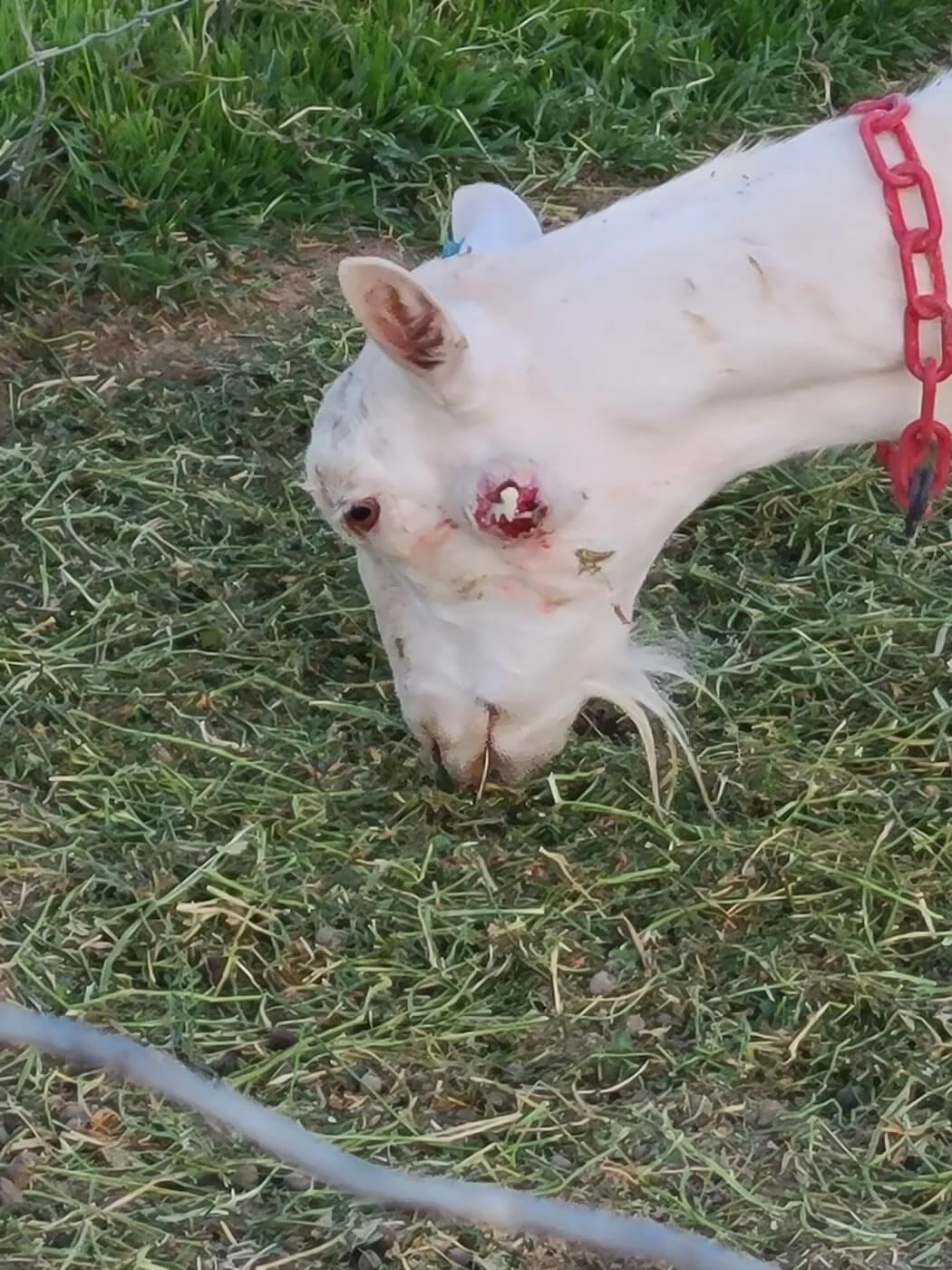
A Malheur County judge has finalized a landmark ruling ordering the forfeiture of approximately 240 goats seized from Grand Barr Dairy, a facility in rural Oregon that has become the center of one of the most extensive animal neglect cases in the state’s history. The ruling, issued on April 1, 2026, marks the latest development in a legal saga that began with a whistleblower’s report and culminated in 478 felony charges of animal neglect against the dairy’s owners, Taunia and Aaron Barr. The case has sent shockwaves through the artisanal cheese industry, particularly affecting high-end distributors who marketed products from the farm under the guise of "humane" and "ethical" sourcing.
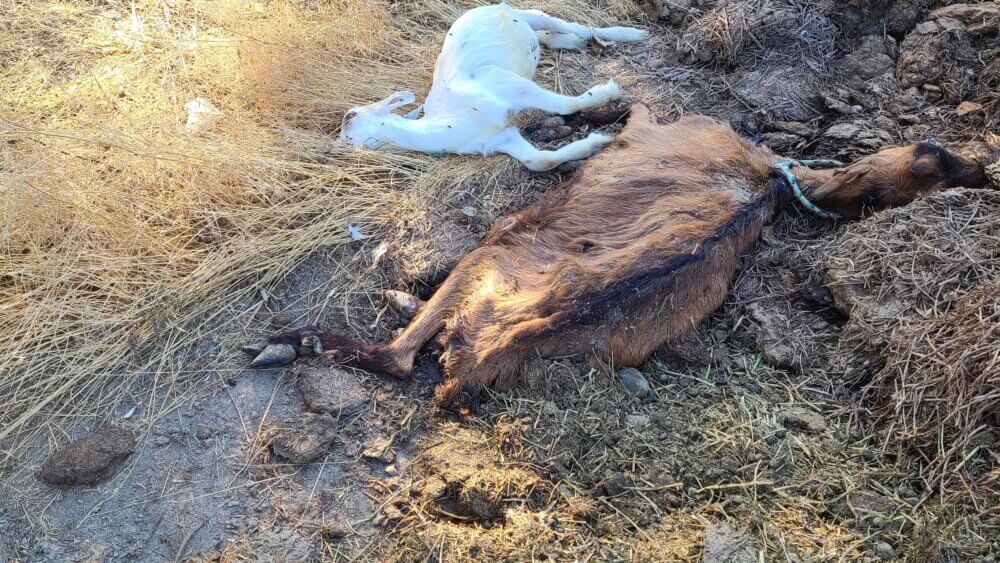
The legal proceedings followed a series of undercover investigations conducted by People for the Ethical Treatment of Animals (PETA), which documented systemic failures in veterinary care, sanitation, and basic husbandry at the Ontario, Oregon-based facility. The goats, which were used to produce milk for prominent cheesemakers, were found in conditions described by investigators as "extreme and rampant neglect." With the forfeiture now complete, the animals are slated to be transferred to various sanctuaries across the region, ending a period of confinement characterized by chronic illness and physical abuse.
Chronology of the Investigation and Legal Action
The downfall of Grand Barr Dairy was not an overnight occurrence but rather the result of nearly a year of documented decline. The timeline of the intervention reveals a persistent pattern of neglect that continued even after law enforcement became involved.
Late 2025: Initial Whistleblower Contact
A former employee of Grand Barr Dairy contacted animal rights advocates to report hazardous conditions. The whistleblower alleged that the herd, consisting of approximately 250 goats, was being deprived of food and medical attention. PETA launched its first undercover investigation shortly thereafter, documenting emaciated animals, untreated infections, and a lack of basic hygiene in the milking facilities.
December 2025: Secondary Investigation
Following the submission of initial evidence to the Malheur County Sheriff’s Office, a second investigator returned to the farm. This follow-up was intended to determine if the owners had improved conditions after receiving a citation for neglect. The secondary investigation, however, found that the status of the animals remained unchanged. Crippled goats were still crawling on their knees, and the owners reportedly continued to withhold veterinary care to save on costs.
February 2026: Law Enforcement Intervention and Indictment
On February 27, a Malheur County grand jury indicted Taunia and Aaron Barr. The indictments included 478 counts of felony animal neglect and 14 misdemeanor charges. Each felony charge carries a potential penalty of up to five years in prison and a $125,000 fine. Law enforcement officials subsequently seized the remaining herd to prevent further mortality.
April 1, 2026: Final Forfeiture
The Malheur County Circuit Court ruled that the goats would not be returned to the Barrs. The decision to forfeit the animals to the county ensures that they will be permanently rehomed in environments capable of providing lifelong veterinary support.
Documented Conditions and Veterinary Findings
The evidence presented during the legal proceedings highlighted a range of medical issues that experts say are indicative of long-term mismanagement. Veterinary professionals who reviewed the investigative footage and examined the seized animals noted several critical areas of concern.
Caseous Lymphadenitis and Public Health Risks
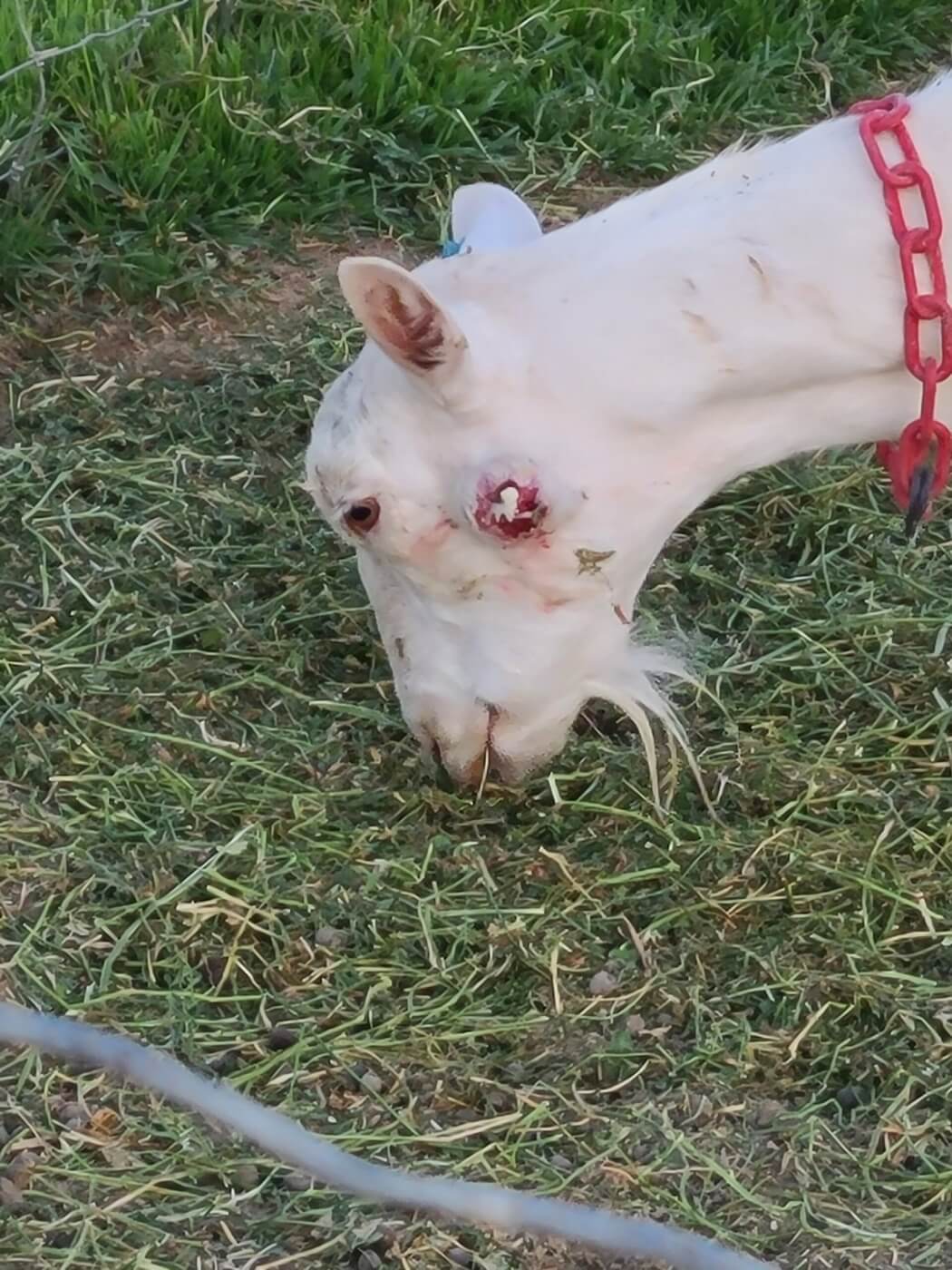
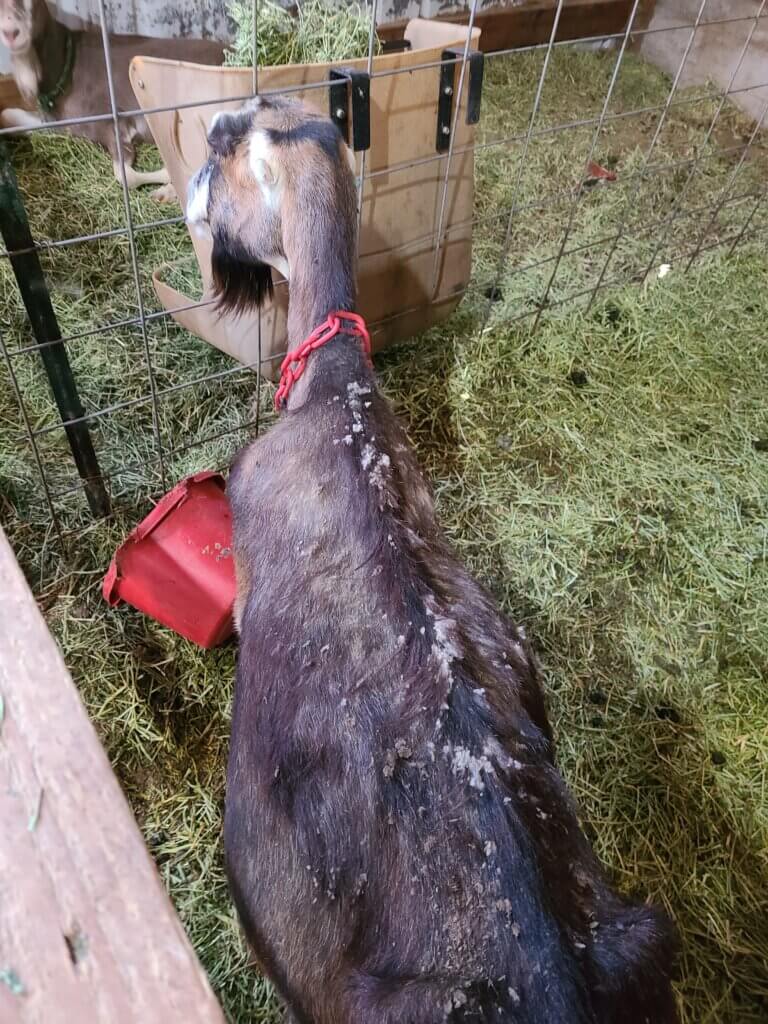
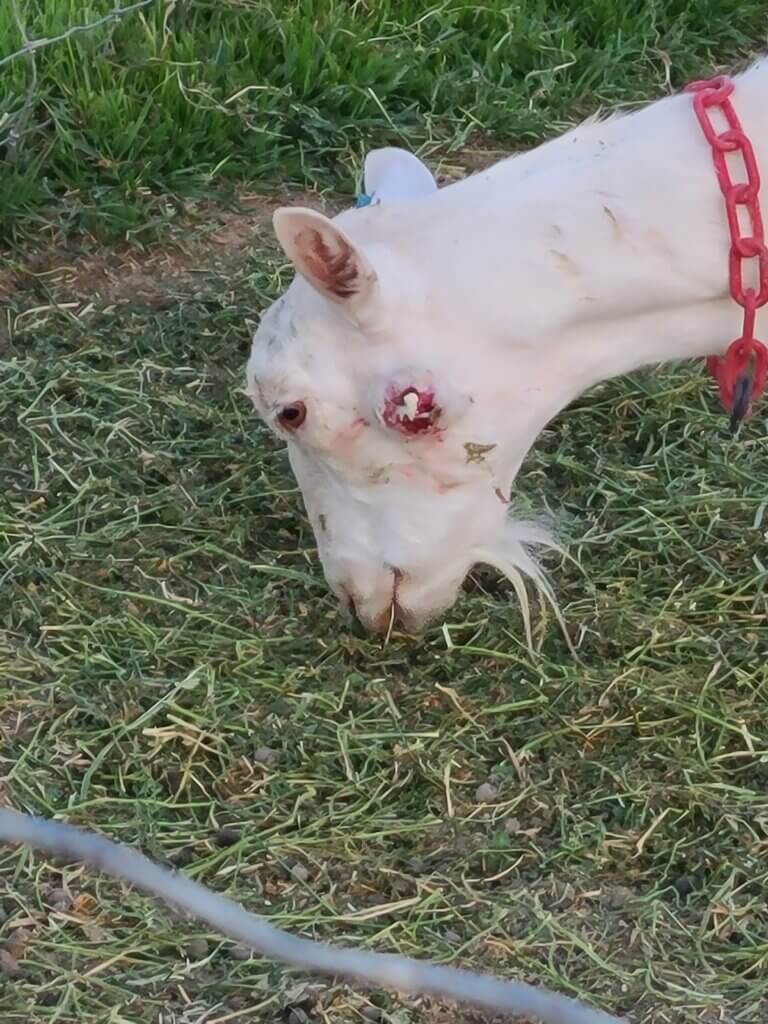
One of the most alarming findings was the prevalence of caseous lymphadenitis (CL), a chronic, contagious bacterial infection caused by Corynebacterium pseudotuberculosis. The owners reportedly admitted that "every goat" on the farm was infected. CL causes internal and external abscesses that, when they burst, release highly infectious pus into the environment.
While the owners reportedly opted to let the abscesses burst naturally rather than seeking professional medical drainage, the implications extended beyond animal welfare. CL is a zoonotic disease, meaning it can be transmitted to humans. Transmission typically occurs through contact with infected material or the consumption of contaminated, unpasteurized milk. Despite the presence of these contagious lesions, the goats were reportedly continued to be milked for commercial production.
Systemic Lameness and Hoof Neglect
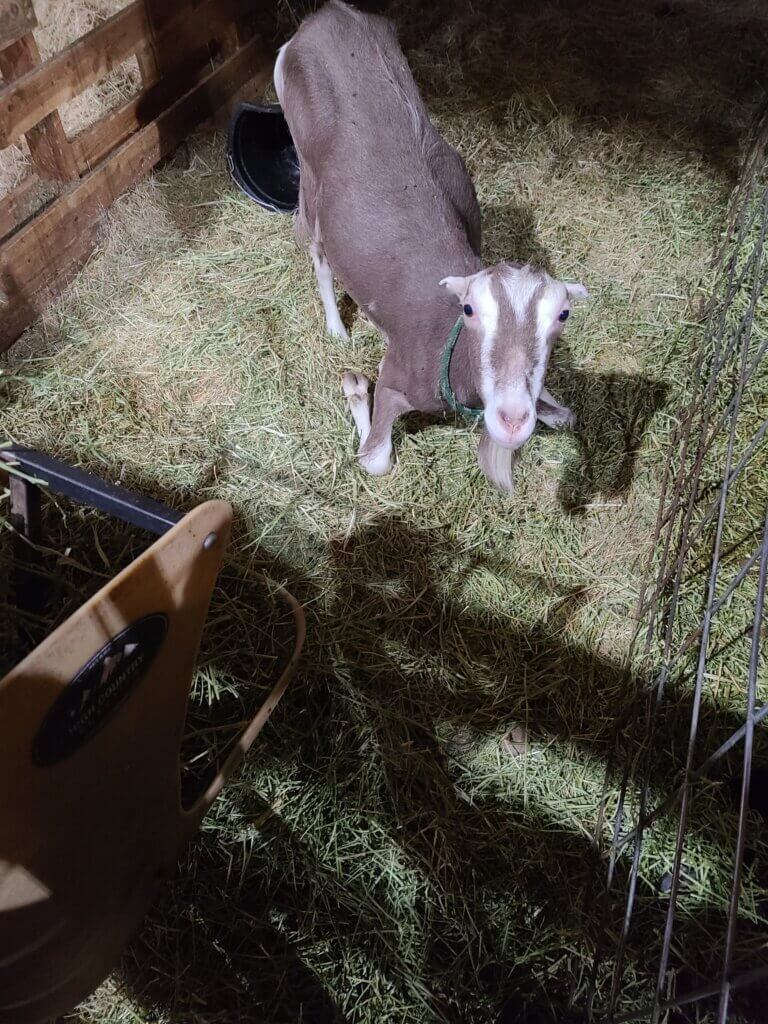
Investigators documented numerous goats, such as those named "Tina" and "Dahlia" by PETA staff, who were unable to walk normally. Tina was observed crawling on her knees in waste-filled pens, while Dahlia suffered from a bowlegged gait and severe arthritis.
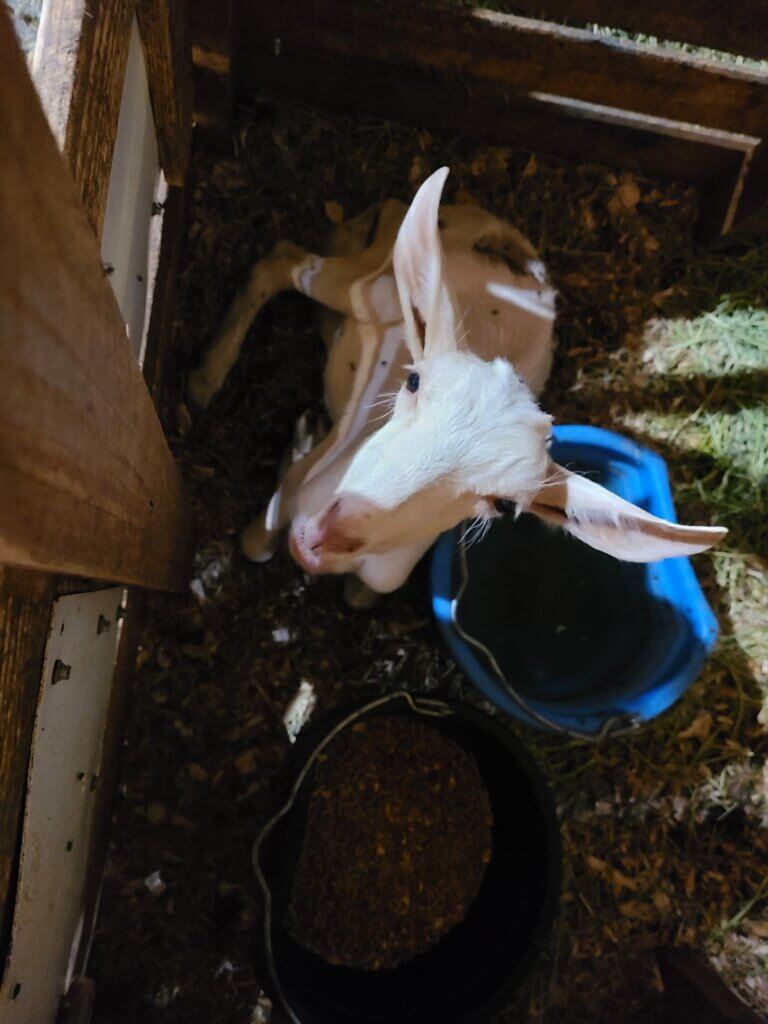
Dr. Mason Payne, a veterinarian who reviewed the case, noted that the degree of hoof overgrowth observed at the dairy was sufficient to cause permanent skeletal damage. Overgrown hooves shift the animal’s weight-bearing surface, leading to abscesses, foot rot, and chronic joint pain. In many cases, the damage was so advanced that experts believe the animals will suffer from lameness for the remainder of their lives, regardless of future care.
Pediatric Mortality and Mutilation
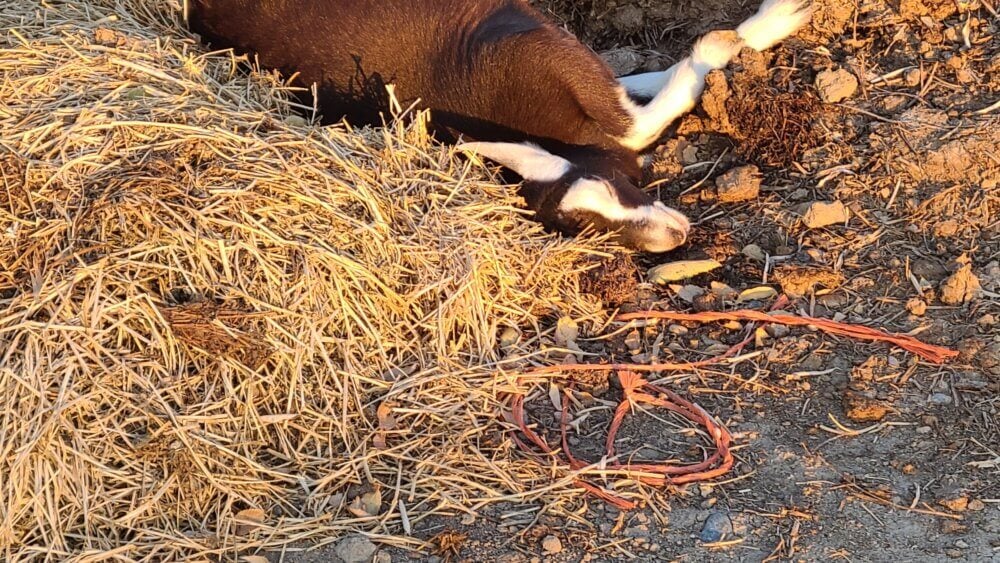
The investigation also focused on the treatment of "kids" (juvenile goats). A reported one-third of the kids observed during the investigation died within a six-week period. Causes of death included untreated pneumonia, diarrhea, and accidental ingestion of dog food, which the owners allegedly failed to remove from the pens even after several deaths occurred.
Furthermore, the practice of disbudding—removing the horn-producing tissue—was documented being performed without anesthesia or analgesia on kids that were four to six weeks old. Dr. Clive Phillips, an expert in livestock welfare, stated that performing this procedure at such an age without pain relief is "cruel," as the horn buds have often already begun to fuse to the skull, making the process excruciatingly painful.
Impact on the Supply Chain and Industry Reputation
Grand Barr Dairy was not an isolated factory farm; it was a small-scale, family-operated business. This distinction is significant because the dairy was a supplier for Laura Chenel, a high-profile California-based cheesemaker. Laura Chenel has long marketed its products based on the "highest standards of care" and the "happy" status of its goats.
Upon being presented with the evidence of the investigation, Laura Chenel immediately terminated its relationship with Grand Barr Dairy. The company issued a statement emphasizing its commitment to animal welfare and its disappointment in the breach of its sourcing standards.
This case serves as a critical example of "humane-washing"—a marketing tactic where companies use pastoral imagery and ethical claims to justify premium pricing, while the actual conditions on the supplying farms may remain substandard. Analysts suggest that this incident will likely lead to more rigorous, unannounced third-party audits within the artisanal dairy industry to regain consumer trust.
Broader Implications for Animal Welfare Law
The prosecution of the Barrs in Malheur County is notable for its scale. Filing nearly 500 felony charges reflects a growing trend in the American legal system to treat each animal as an individual victim of neglect rather than treating the entire herd as a single unit of evidence.
Oregon’s animal neglect statutes (ORS 167.325 and 167.330) are among the most robust in the United States. By pursuing felony-level charges, prosecutors are signaling that systemic agricultural neglect will be met with the same severity as individual cases of animal cruelty. This case is expected to be cited in future litigation involving "smaller" farms that have historically escaped the scrutiny typically reserved for large-scale industrial operations.
Current Status and Future Outlook
As of April 2026, the Malheur County Sheriff’s Office, led by Sheriff Travis Johnson, is coordinating with animal sanctuaries to facilitate the transfer of the 240 forfeited goats. These sanctuaries, which specialize in the rehabilitation of farm animals, will provide the specialized medical care required to manage the chronic conditions—such as CL and permanent lameness—documented during the investigation.
The legal case against Taunia and Aaron Barr continues to move through the court system. If convicted on all counts, the owners face significant prison time and millions of dollars in potential fines. The outcome of this trial will likely serve as a landmark precedent for the regulation of the goat dairy industry in the Pacific Northwest.
For consumers, the Grand Barr Dairy expose has highlighted the complexities of the "farm-to-table" movement. While many seek out local and small-batch products under the impression of better animal welfare, this case demonstrates that size is not always a reliable indicator of ethics. Industry experts suggest that the only way for consumers to ensure absolute compliance with welfare standards is to demand greater transparency, including live-feed monitoring or frequent, transparent, and unannounced inspections of all dairy-producing facilities.
