


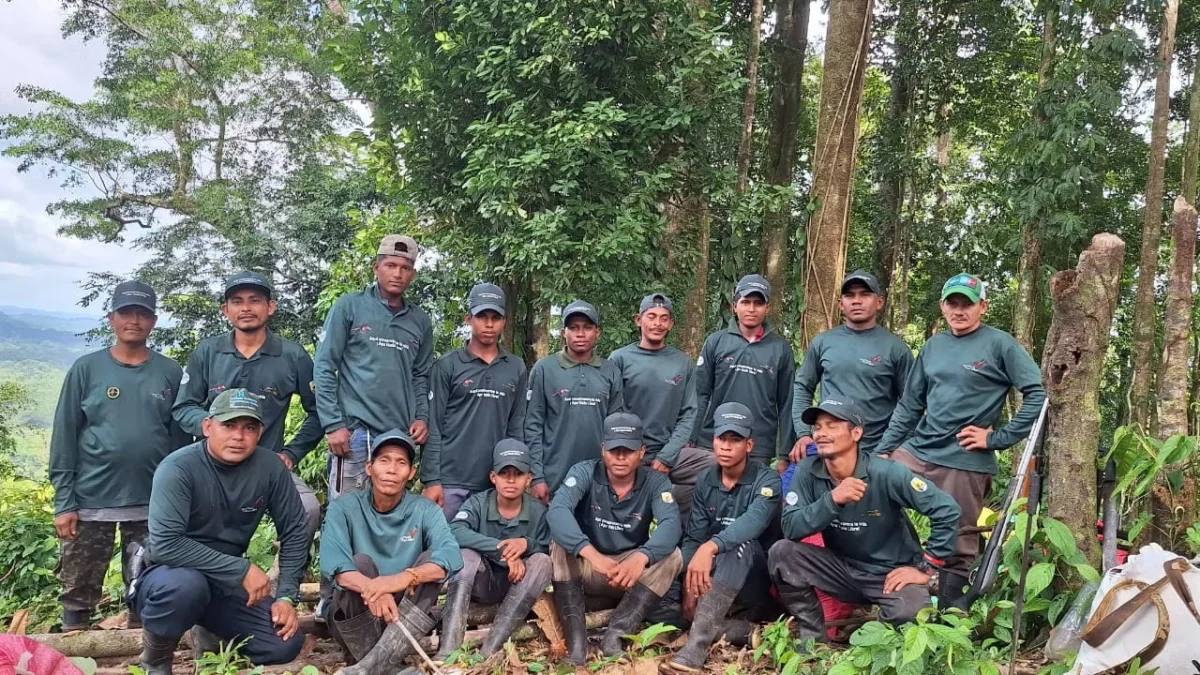
Since 2010, a vital collaboration between One Earth Conservation and the indigenous communities of La Moskitia, Honduras, has been at the forefront of protecting native macaw populations and their critical nesting sites. This enduring partnership has yielded significant successes, with over 1,000 macaw nests safeguarded from the pervasive threat of poaching, and hundreds of vibrant birds successfully reintroduced into their natural habitat. Despite these commendable achievements, the fight is far from over; an estimated 20% of nests continue to fall victim to poachers, underscoring the relentless challenges faced by dedicated community patrols and vigilant conservation efforts in one of Mesoamerica’s most biologically diverse yet imperiled regions.
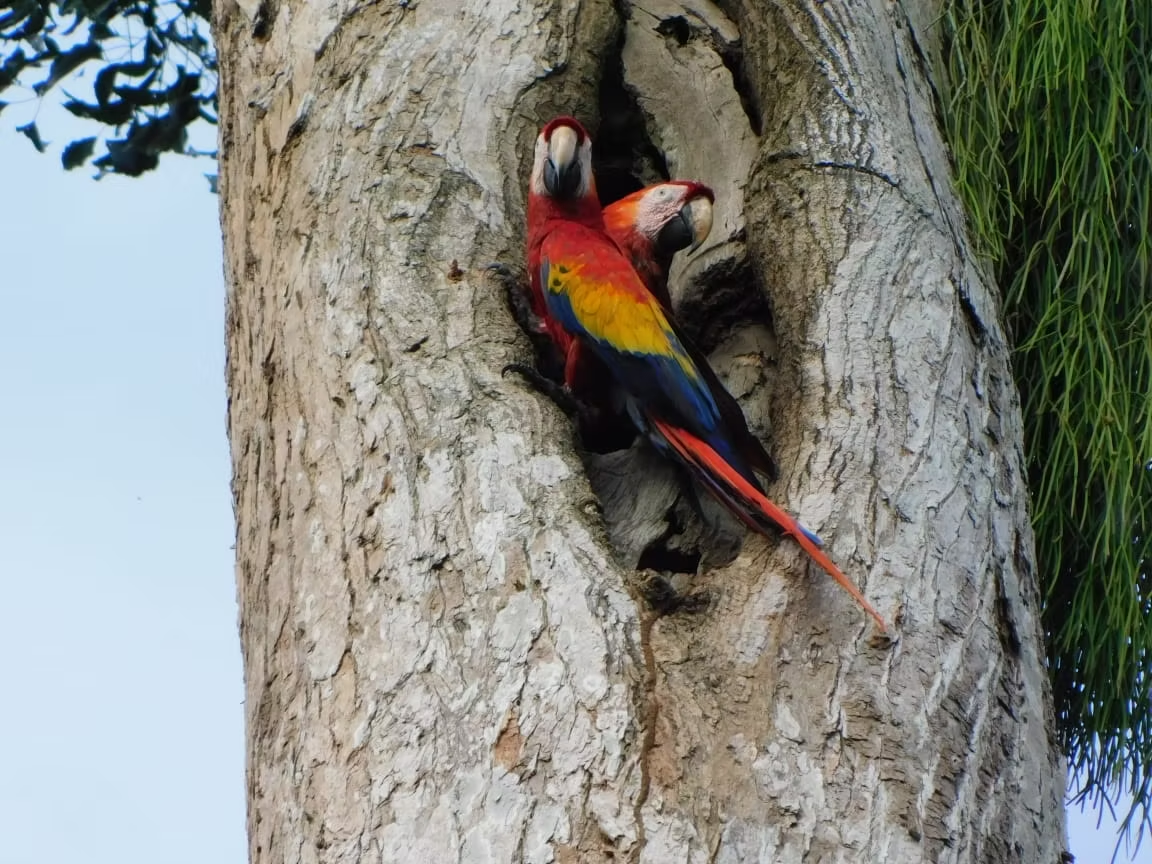
La Moskitia, a sprawling expanse of dense forest shared between Honduras and Nicaragua, represents the second-largest forested area in Mesoamerica, a region globally recognized as a biodiversity hotspot. Its ecosystems teem with life, serving as a sanctuary for a myriad of species, including two iconic parrot species: the resplendent Scarlet Macaw ( Ara macao ) and the critically endangered Great Green Macaw ( Ara ambiguus ). Beyond its ecological significance, La Moskitia is also home to several indigenous groups, including the Miskito, Tawahka, Pech, and Garifuna peoples, whose cultural heritage is deeply intertwined with the health of the forest. However, this remote and invaluable region is perpetually under siege, confronting a familiar litany of conservation challenges that threaten its very existence. These threats include widespread illegal cattle ranching, the illicit trafficking of flora and fauna, and rampant illegal land grabs, all of which contribute to deforestation, habitat fragmentation, and the erosion of local ecosystems.
The Ecological Jewel of La Moskitia and Its Vulnerable Inhabitants
La Moskitia’s designation as a vital ecological corridor cannot be overstated. It functions as a critical bridge for migratory birds and other wildlife, connecting diverse habitats across Central America. Its vast, pristine forests, mangrove swamps, and extensive river systems support an unparalleled array of biodiversity, from jaguars and tapirs to an astonishing variety of avian species. For the Scarlet and Great Green Macaws, these forests provide essential nesting cavities in ancient trees, abundant food sources, and the expansive territories required for their survival.
The Scarlet Macaw, celebrated for its brilliant red, yellow, and blue plumage, is listed as "Least Concern" by the IUCN Red List, but its populations are experiencing significant declines across its range due to habitat loss and the pet trade. The Great Green Macaw, with its striking lime-green feathers and maroon accents, faces a far more precarious future, classified as "Endangered." Both species play crucial ecological roles as key seed dispersers, contributing significantly to forest regeneration and ecosystem health. Their presence is a vital indicator of the overall well-being of the forest. The long breeding cycles of macaws, their reliance on specific large tree cavities for nesting, and their relatively slow reproductive rates make them particularly vulnerable to disturbances, especially poaching during the nesting season. Poachers target young chicks or eggs, which fetch high prices in the illegal exotic pet trade, driven by international demand.
A Decade of Unconditional Solidarity and Transformative Conservation
The partnership between One Earth Conservation and the indigenous communities of La Moskitia exemplifies a model of "Unconditional Solidarity" and "Transformative Conservation." Dr. LoraKim Joyner, a driving force behind One Earth Conservation, has dedicated over 15 years to working alongside the villagers, fostering relationships built on mutual respect and shared goals. Her philosophy emphasizes empowering local communities as the primary custodians of their natural resources, recognizing their invaluable traditional ecological knowledge and inherent rights to their ancestral lands.
The core of this initiative is the "Parrot Ranger" program, where local indigenous men and women are trained and employed to patrol vast areas of forest, monitor macaw nests, and deter poachers. These rangers are often the first and last line of defense for the macaws, operating in remote and often dangerous conditions. They face not only the challenges of navigating dense jungle terrain but also the direct threat of confronting armed poachers. The success in protecting over 1,000 nests since 2010 is a testament to their bravery, dedication, and the effectiveness of community-led conservation. The return of hundreds of birds to the wild involves careful rehabilitation and release programs, ensuring the genetic health and viability of the wild populations.
However, the persistent 20% poaching rate highlights the systemic challenges. The economic realities in La Moskitia often push individuals into illegal activities like poaching, offering quick, albeit illicit, income. The sheer vastness of the forest, combined with limited resources for patrolling, means that some areas remain vulnerable. This ongoing struggle underscores the need for sustained support, both locally and internationally, to bolster patrolling efforts and to develop alternative, sustainable livelihoods for communities.
Chronology of Commitment and Future Campaigns
The timeline of One Earth Conservation’s involvement paints a picture of sustained dedication:
- Pre-2010: Dr. LoraKim Joyner begins her engagement with La Moskitia communities, building trust and understanding local needs and ecological challenges.
- 2010: Formal collaboration with indigenous communities in La Moskitia commences, establishing the foundation for the macaw protection program. Initial efforts focus on community organization, training, and identifying key nesting areas.
- 2010-Present: Continuous operation of the Parrot Ranger program, leading to the protection of over 1,000 nests and the return of hundreds of macaws to the wild. This period is marked by ongoing vigilance, community engagement, and adaptive strategies to counter poaching.
- March-April (Current Year): Dr. Joyner plans to join the local rangers in solidarity, camping under the trees to provide direct vigilance during the crucial early breeding season, when nests are most vulnerable to initial raids. This hands-on approach reinforces the partnership and provides direct support to the local teams.
- March-August (Current Year): A major public awareness and fundraising campaign is scheduled. This period coincides with the peak macaw breeding season, when vigilance is paramount. The campaign will feature:
- Public Demonstrations: Aims to raise awareness both within Honduras and potentially internationally, highlighting the plight of the macaws and the efforts of the indigenous communities.
- Regular Reports: Updates on nest activity, bird sightings, and conservation progress will be disseminated, providing transparency and engaging supporters.
- Online Engagement: Facebook Live sessions and Zoom meetings will allow the global public to interact directly with indigenous conservationists from La Moskitia, offering a unique insight into their work and the challenges they face.
- Exploration of Themes: Deeper discussions around "Unconditional Solidarity" and "Transformative Conservation" will aim to educate and inspire a broader audience about effective, equitable conservation models.
The Socio-Economic Drivers of Poaching and Their Implications
The persistent issue of poaching is not merely a criminal act; it is often a symptom of deeper socio-economic problems. La Moskitia, like many remote regions, suffers from high rates of poverty, limited access to education, healthcare, and sustainable economic opportunities. For some, poaching macaws or engaging in other illicit wildlife trade offers one of the few avenues for income, however risky. A single macaw chick can fetch a significant sum on the black market, a temptation that can be hard to resist for families struggling to survive.
The illegal wildlife trade is a multi-billion dollar industry, ranking among the largest illicit trades globally, alongside drugs, arms, and human trafficking. The chain of command typically involves local poachers, regional middlemen who transport the birds out of the remote forest, and international traffickers who facilitate their sale to buyers in urban centers or abroad. This complex network often exploits the very communities that live alongside the wildlife, creating a vicious cycle.
Addressing poaching effectively requires a multifaceted approach that goes beyond mere enforcement. It necessitates investing in community development, providing alternative livelihoods such as sustainable agriculture, eco-tourism, or handicraft production. When communities have vested interests in the health of their ecosystem and can derive sustainable benefits from it, the incentive to protect rather than exploit wildlife significantly increases. The concept of "Transformative Conservation" directly addresses this by fostering economic empowerment alongside ecological preservation.
Broader Impact and Global Conservation Context
The conservation efforts in La Moskitia resonate far beyond its borders. The struggle to protect macaws and their habitat in this region is emblematic of the global fight against biodiversity loss and the critical role indigenous communities play in safeguarding the planet’s natural heritage. The success and ongoing challenges in La Moskitia offer valuable lessons for conservation initiatives worldwide.
Firstly, it underscores the effectiveness of community-led conservation models. When indigenous peoples, with their profound ancestral knowledge and direct connection to the land, are empowered as primary conservation agents, the results are often more sustainable and impactful. Their traditional land management practices frequently align with biodiversity protection, making them indispensable partners.
Secondly, the fight against illegal wildlife trafficking in La Moskitia highlights the need for stronger international cooperation and enforcement. Demand for exotic pets in wealthier nations fuels the poaching crisis in source countries. Consumer awareness campaigns, stricter import regulations, and robust law enforcement efforts are crucial to disrupt the illegal supply chain.
Thirdly, the broader implications of deforestation and land grabs in La Moskitia extend to climate change. Intact forests act as vital carbon sinks, absorbing atmospheric carbon dioxide. The destruction of these forests not only eradicates biodiversity but also releases stored carbon, contributing to global warming. Protecting La Moskitia is therefore not just a local issue but a global imperative for climate stability.
Dr. Joyner’s poignant statement, "Consider taking risks as these people have, because everything is at risk," serves as a stark reminder of the gravity of the situation. "Everything" encompasses not only the macaws and the rich biodiversity of La Moskitia but also the cultural heritage of its indigenous peoples, the stability of regional ecosystems, and ultimately, the health of our shared planet. The risks are profound: the extinction of iconic species, the irreversible degradation of vital ecosystems, and the loss of unique cultural knowledge.
Call to Action: Unconditional Solidarity in Practice
One Earth Conservation and the indigenous communities of La Moskitia cannot shoulder this immense responsibility alone. The continuation and expansion of their vital work depend on widespread support and engagement. There are multiple avenues for individuals and organizations to contribute to this crucial mission:
- Spreading Awareness: Utilizing social media and personal networks to disseminate information about the "Unconditional Solidarity" campaign and the urgent need for macaw protection helps to amplify the message and draw global attention to the cause.
- Financial Contributions: Donations are critical for funding essential operations, including the salaries and equipment for Parrot Rangers, monitoring technologies, rehabilitation efforts for rescued birds, and community development programs that offer alternative livelihoods. Lafeber’s recent donation specifically targets additional patrollers for the breeding season, directly addressing a critical need.
- Volunteering: For those able to commit time and effort, joining the team in Honduras offers a unique opportunity for direct involvement, providing hands-on assistance to conservation efforts in the field.
- Engagement and Learning: Participating in online Facebook and Zoom meetings with indigenous conservationists offers a direct line to understanding the challenges and successes on the ground, fostering a deeper connection to the cause.
Individuals interested in offering support, either online or in person, are encouraged to complete the provided Interest Form. Every act of solidarity, whether it’s a shared social media post, a financial contribution, or a commitment to volunteer, plays a pivotal role in ensuring the future of La Moskitia’s macaws and the vibrant ecosystems they inhabit. The collective effort to protect these magnificent birds and their ancestral lands is a testament to humanity’s capacity for compassion and a shared responsibility for the natural world.
