

Migratory birds, with their awe-inspiring journeys spanning continents and oceans, serve as living threads connecting diverse ecosystems. These avian travelers navigate along established routes known as "flyways," undertaking arduous migrations between their breeding and wintering grounds. A significant undertaking to safeguard one of these critical global arteries, the African-Eurasian Flyway, is underway, demonstrating a commitment to protecting these species and their vital habitats. This ambitious project, spearheaded by the Royal Society for the Protection of Birds (RSPB) in the UK, with crucial support from the Ecological Restoration Fund (ERF), highlights the intricate and often challenging work of conservationists on the front lines.
The African-Eurasian Flyway is a testament to the interconnectedness of our planet, stretching an immense distance from the Arctic to the southern tip of Africa. Its importance lies not only in the sheer number of species that traverse it but also in the ecological services these birds provide along their migratory paths. This extensive network of routes faces numerous threats, including habitat loss, climate change, and direct human impact, making coordinated conservation efforts absolutely essential.

The Jordan Rift Valley: A Critical Nexus for Migratory Birds
Within this vast flyway, the Jordan Rift Valley emerges as a particularly vital corridor. This region serves as a crucial stopover site, offering essential resting and refueling opportunities for countless migratory birds. Tareq Qaneer, Head of the Birds’ Projects Management Unit at The Royal Society for the Conservation of Nature (RSCN), the BirdLife Partner in Jordan, dedicates his work to this ecologically significant area. His focus on wetland ecosystems, particularly the Azraq Wetland Reserve, underscores the critical role these oases play in supporting avian life.
Azraq Wetland Reserve is recognized as an Important Bird and Biodiversity Area (IBA), a designation that highlights its exceptional importance for bird conservation. The reserve is a magnet for approximately 350 recorded bird species, many of which rely on it for survival during their long migrations. Some species overwinter in this unique environment, while others utilize it for breeding. The reserve’s remarkable self-replenishing water system, a singular feature in the arid Arabian Desert, allows it to thrive against the backdrop of extreme surrounding conditions. This resilience makes Azraq an invaluable sanctuary.
Collaborative Efforts and the Ecological Restoration Fund
The partnership between the RSPB and the RSCN, facilitated by the ERF, represents a significant investment in the future of migratory bird conservation along the African-Eurasian Flyway. The ERF’s mission is to support initiatives that protect biodiverse hotspots, restore degraded landscapes, and empower local environmental activism. By focusing on re-establishing ecological interconnections and fostering socio-economic opportunities for local communities, the ERF’s approach aligns perfectly with the complex needs of flyway conservation.

Under the ERF project, the RSCN has undertaken crucial work in identifying and profiling priority sites within Jordan. This includes detailed assessments of areas such as the Yarmouk-Al Shuleh Area and the Highlands of Sakib and Dibeen, both designated as Key Biodiversity Areas (KBAs). Standardized site profiles are invaluable tools for conservationists, providing accurate and up-to-date information that can rapidly attract funding and mobilize action. This strategic approach ensures that conservation efforts are data-driven and targeted towards the most impactful interventions.
Challenges on the Ground: Water Scarcity and Habitat Degradation
The work of Tareq Qaneer and his colleagues in Jordan is not without its significant challenges. Jordan is one of the most water-scarce countries globally, and water management issues pose a substantial threat to wetland conservation. Azraq Wetland, in particular, has experienced severe environmental degradation due to unsustainable groundwater extraction.
The relentless demand for water to supply large urban populations, coupled with the illegal drilling of artesian wells for agricultural purposes, has led to a drastic reduction in water levels. This has resulted in widespread habitat loss and a significant decline in the wetland’s ecosystem health. Addressing water governance and finding a sustainable balance between human needs and ecological requirements remains a persistent and complex challenge for the RSCN and its partners. The long-term viability of Azraq, and indeed many other wetlands along migratory routes, hinges on effective and equitable water resource management.

Innovations in Bird Protection: Mitigating Electrocution Risks
Beyond water scarcity, migratory birds face a multitude of human-induced dangers. Electrocution from power lines is a significant threat, particularly for larger bird species that can bridge the gap between live wires. Recognizing this, the RSCN has been actively engaged in implementing pilot environmental protection measures to reduce bird electrocution along power lines.
Jordan’s strategic location along major bird migration corridors means that power infrastructure projects are often situated in areas vital for bird movement. In an urgent conservation action, the RSCN has insulated over 750 of the most dangerous electricity poles across Jordan. This initiative not only protects migratory birds, including several endangered species, but also demonstrates a commitment to reconciling economic development with nature conservation. By safeguarding these critical migratory routes, Jordan is contributing to the broader health of the African-Eurasian Flyway, benefiting both its local ecosystems and international bird populations.
The White Stork: A Symbol of Connectivity and Shared Responsibility
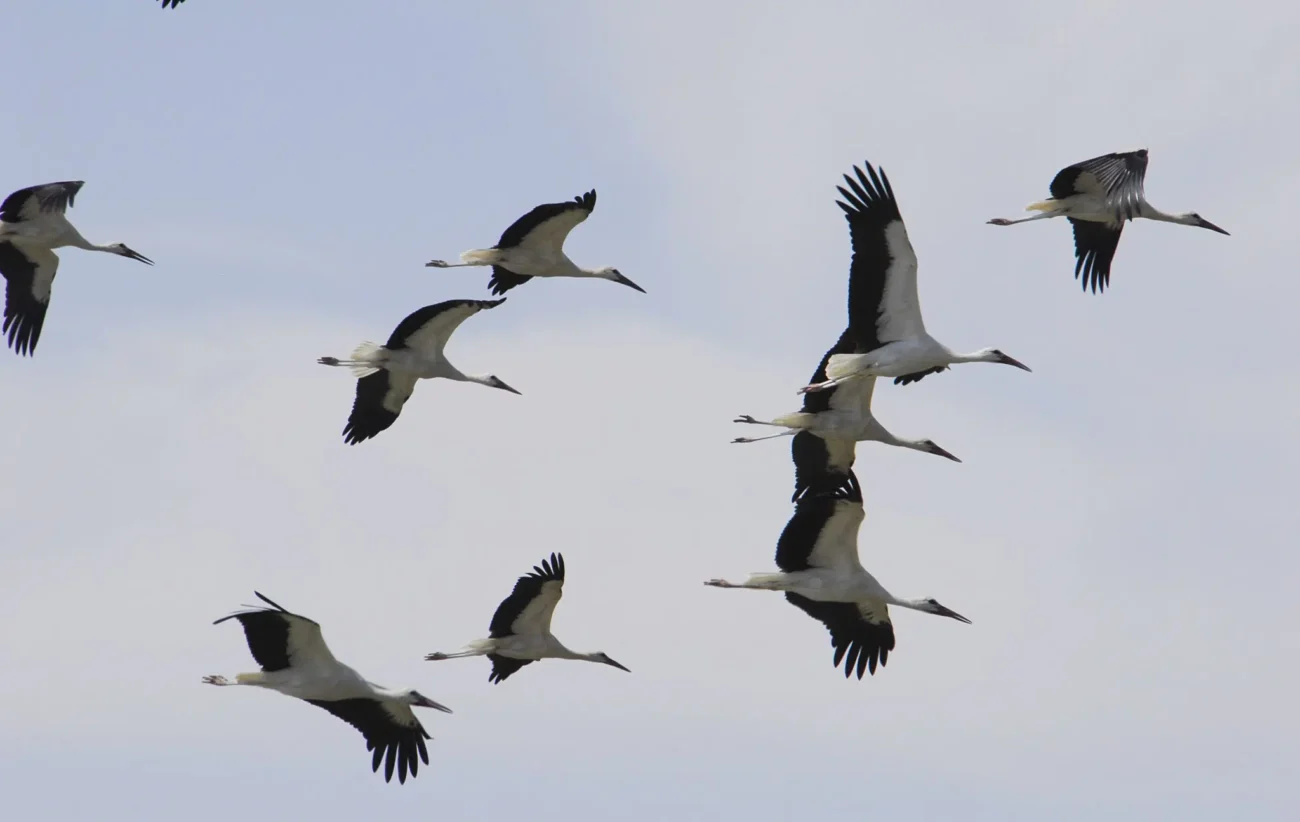
When asked to choose a species that best represents the flyway, Tareq Qaneer’s choice is the White Stork (Ciconia ciconia). This iconic species is deeply familiar to local communities in the Jordan Rift Valley and is a powerful visual symbol of migration. The large flocks of White Storks that pass through Jordan annually serve as a potent reminder of the interconnectedness of life and the shared responsibility that nations have in protecting birds throughout their entire migratory journey.

The White Stork’s impressive migratory feats, traveling thousands of kilometers between Europe and Africa, highlight the critical importance of maintaining healthy habitats at every stopover point. The loss of even one key site along the flyway can have cascading negative impacts across continents. This emphasizes Tareq Qaneer’s poignant observation: "Protecting flyways means countries must work together; nature doesn’t recognize political boundaries."
A Glimmer of Hope: Collaboration and Growing Awareness
Despite the formidable challenges, Tareq Qaneer expresses optimism about the future of flyway conservation. He points to the increasing collaboration between conservation organizations, governmental bodies, and local communities as a key driver of hope. There is a growing recognition of the vital importance of wetlands and migratory routes, a sentiment that fuels conservation efforts.
The resilience of nature itself, when given the opportunity to recover, coupled with the unwavering passion of individuals working along the flyway, provides a strong foundation for optimism. The dedication of conservationists like Tareq Qaneer, who witness firsthand the impact of their work when migratory birds return year after year, reinforces the belief that conservation efforts are making a tangible difference.

The Broader Implications: A Global Imperative
The work being done to protect the African-Eurasian Flyway is more than just a local conservation effort; it is a global imperative. The health of migratory bird populations is intrinsically linked to the health of ecosystems worldwide. These birds play crucial roles in pollination, seed dispersal, and insect control, contributing to the overall stability and functioning of natural environments.
The challenges faced in the Jordan Rift Valley, from water scarcity to infrastructure development, are echoed in many regions along this vast migratory corridor. The success of initiatives like the one supported by the ERF, which fosters international collaboration and empowers local action, offers a blueprint for future conservation endeavors. By investing in the protection of flyways, we are investing in the health of our planet and the intricate web of life it sustains. The stories of conservationists like Tareq Qaneer serve as vital reminders of the dedication and vision required to safeguard these natural wonders for generations to come.
The commitment to understanding and mitigating threats such as electrocution, alongside efforts to restore critical habitats, signifies a proactive approach to conservation. The ERF’s support for landscape-level restoration and community engagement further amplifies the impact of these efforts, creating a more holistic and sustainable model for protecting biodiversity across vast geographical scales. As the White Stork takes to the skies, it carries with it the hopes and efforts of countless individuals dedicated to ensuring its journey, and the journeys of all migratory birds, can continue for centuries to come.
