

A landmark agreement forged in 2019 between the Indonesian non-governmental organization Perkumpulan Konservasi Kakatua Indonesia (KKI) and the Huaulu indigenous community on Seram Island, Maluku, represents a critical step forward in the conservation of the critically endangered Moluccan cockatoo (Cacatua moluccensis). This unprecedented collaboration addresses both the severe threats facing the species and the deep cultural significance of its feathers to the Huaulu people, providing a model for integrated conservation strategies worldwide. By supplying ethically sourced, molted feathers from its rehabilitation center for sacred rituals, KKI has mitigated the traditional pressure on wild populations, offering a beacon of hope for this magnificent avian species.
The Moluccan Cockatoo: A Majestic Icon Under Threat
The salmon-crested cockatoo, more widely known as the Moluccan cockatoo, is an avian marvel endemic to Seram, the largest and principal island of Indonesia’s Maluku province. These highly intelligent birds are instantly recognizable by their soulful dark eyes and their spectacular crest of vibrant peachy-salmon feathers, which they can erect in a stunning display. Beyond their striking appearance, Moluccan cockatoos are renowned for their powerful vocalizations, capable of reaching an astonishing 135 decibels, making them one of the loudest species in the parrot world. Their complex social structures and high cognitive abilities further underscore their ecological importance and intrinsic value.
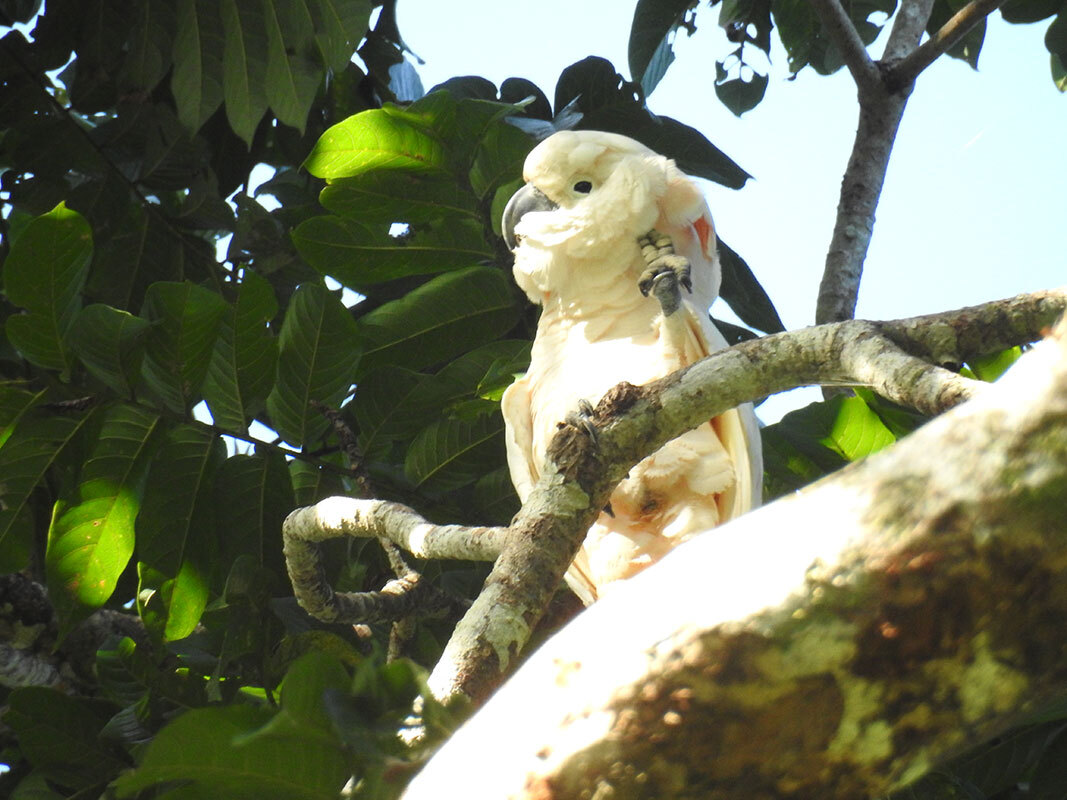
However, the future of these charismatic birds hangs precariously in the balance. The Moluccan cockatoo is officially listed as Endangered on the IUCN Red List of Threatened Species, reflecting a dramatic decline in its wild population. Furthermore, it has been designated on Appendix I of the Convention on International Trade in Endangered Species of Wild Fauna and Flora (CITES) since 1989. This classification prohibits all international commercial trade in wild-caught specimens, recognizing the severe threat posed by the illegal pet trade. Despite these protections, their numbers continue to dwindle. Historical distribution records indicate that while they once inhabited several satellite islands surrounding Seram, including Haruku, Saparua, and Nusa Laut, they have since been declared locally extinct from these smaller landmasses. The primary drivers of this precipitous decline mirror those faced by many endangered species globally: relentless illegal trapping for the exotic pet trade and extensive habitat loss.
Moluccan cockatoos possess an impressive lifespan, with some individuals documented to live for many decades; a 2012 study even noted a salmon-crested cockatoo reaching the remarkable age of 92 years. However, this longevity, while a testament to their resilience, also presents unique challenges in captivity. Their immense intelligence demands constant mental stimulation, their powerful vocalizations require sound-proofed environments, and their need for substantial space, specialized enrichment, and a precise nutritious diet often goes unmet. This inherent difficulty in providing adequate care in human-controlled environments further amplifies the urgent need to ensure their survival and flourishing in their native Indonesian ecosystems.
The Huaulu Tribe and the Sacred Cidaku Ritual
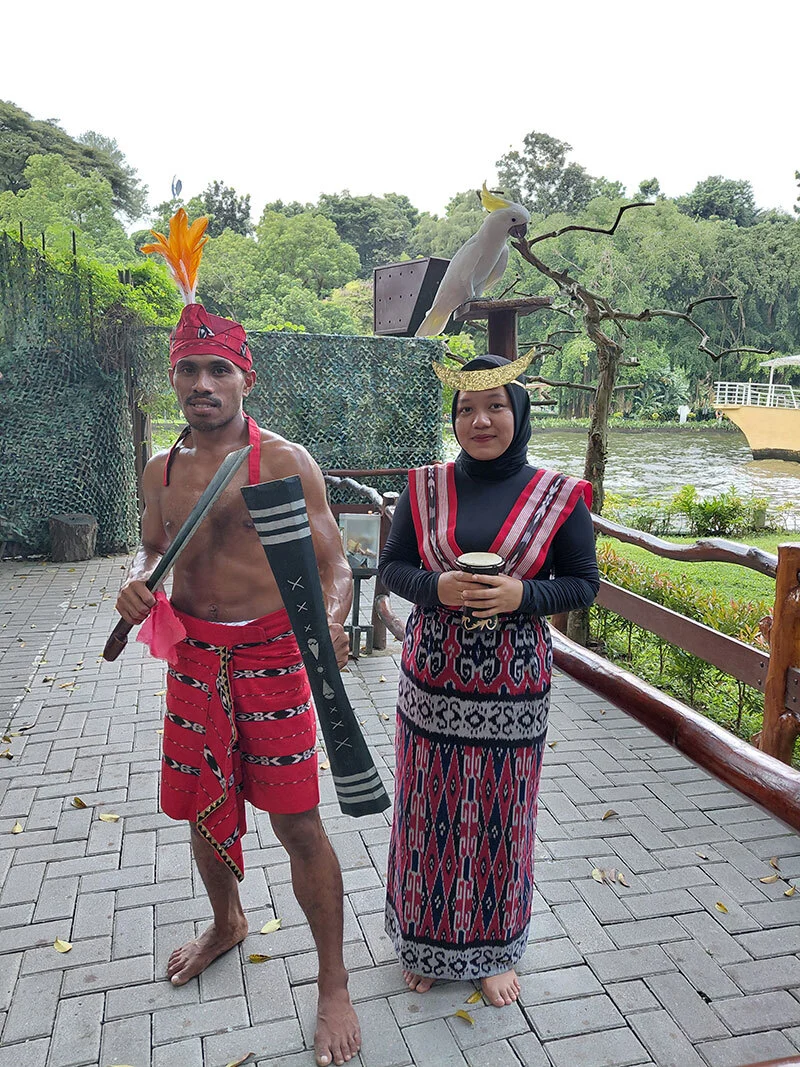
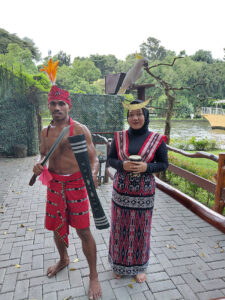
In the northern reaches of Seram, particularly within the Maluku region, the salmon-crested cockatoo holds a profoundly sacred and indispensable place in the spiritual and cultural fabric of the Huaulu tribe. Locally known as lakam, the bird is far more than just wildlife; it is a symbol imbued with ancestral reverence and integral to the tribe’s identity. For young Huaulu men, the period between the ages of 12 and 17 marks a pivotal transition into adulthood, traditionally affirmed through a sacred ritual known as Cidaku. This ceremony historically involved the hunting of the Moluccan cockatoo to obtain its highly prized salmon-colored crest feathers, which are then meticulously crafted into a ceremonial headdress called a puheliam.
The Cidaku ceremony is not merely a rite of passage but a meticulously structured cultural event, conducted in strict accordance with the birth order of boys within a family. Its sanctity dictates that it cannot be performed more than once a year by any single family, underscoring its profound importance and regulated nature within Huaulu society. The distinct pink crest feather is unequivocally central to the ceremony, its symbolic value so immense that it cannot be substituted by any other material. It embodies the very essence of sacred life, projecting a powerful sense of strength and courage, mirroring the cockatoo’s imposing stance when its crest is fully erect. More broadly, the crest signifies the mature male’s role in defending his holiness, upholding self-respect, and maintaining an unyielding alertness to threats—qualities vital to the tribe’s collective well-being and spiritual integrity. The deep-seated cultural requirement for these specific feathers presented a complex challenge for conservationists aiming to protect the endangered bird.
A Collaborative Solution: The Feather Collection Agreement
Recognizing the dual imperative of preserving both a critically endangered species and an invaluable indigenous cultural tradition, Perkumpulan Konservasi Kakatua Indonesia (KKI), a dedicated Indonesian NGO, embarked on an innovative approach in 2019. KKI initiated a groundbreaking proposal: to provide molted salmon-crested cockatoo feathers collected from its rehabilitation center to the Huaulu community. This initiative aimed to fulfill the ritualistic needs of the Cidaku ceremony without necessitating the hunting of wild birds.
The negotiations leading to this agreement were a testament to collaborative conservation, involving extensive dialogue between KKI representatives, the elders and leaders of the Huaulu indigenous community, and various local governmental stakeholders. The discussions focused on building mutual trust and understanding, bridging the gap between scientific conservation principles and deeply ingrained cultural practices. The Huaulu community, recognizing the declining numbers of lakam in their ancestral lands, and appreciating the conservation imperative, ultimately agreed to this innovative solution.

A pivotal moment occurred in October 2019 when the formal agreement was officially signed by the Head of Huaulu village. This significant event was witnessed by numerous local officials, signifying broader community and administrative buy-in. Crucially, the agreement received formal acknowledgment and approval from the Indonesian Ministry of Forestry, a critical endorsement that elevated its status from a local understanding to a recognized national conservation strategy. This ministerial approval underscored the Indonesian government’s commitment to supporting indigenous rights while simultaneously advancing biodiversity conservation goals. The signing marked a monumental stride forward, demonstrating a viable pathway to safeguarding wild Moluccan cockatoo populations by providing a sustainable and ethical alternative for the culturally vital crest feathers. This innovative pact represented a pioneering effort in integrating traditional ecological knowledge with modern conservation strategies.
Implementation, Challenges, and Ongoing Efforts
Despite the successful formalization of the feather collection agreement, the path to its full and consistent implementation has not been without its complexities. Monitoring the Cidaku traditional ceremonies to ensure strict adherence to the new protocol—that only KKI-supplied molted feathers are utilized, and no wild cockatoos are hunted—remains a challenging endeavor. The remote nature of Huaulu villages, combined with the private and sacred context of the rituals, makes external oversight difficult. Furthermore, while the agreement was officially sanctioned, not all factions or individuals within the broader community immediately embraced the new feather collection program. Some may harbor skepticism towards external interventions, while others might feel a stronger adherence to ancestral methods, making consistent compliance an ongoing effort rather than a one-time achievement.
In response to these challenges, KKI has maintained an unwavering commitment to the spirit and letter of the agreement. The organization continues to honor its pledge by diligently collecting and providing molted crest feathers from its rehabilitation facility. This facility primarily houses rescued and confiscated Moluccan cockatoos, often victims of the illegal pet trade, ensuring that the feathers are sourced ethically and without contributing to the pressure on wild populations. Beyond the logistical provision of feathers, KKI has prioritized intensive communication and engagement with the Huaulu tribe. This includes organizing and conducting regular workshops that have seen consistent participation from tribal members. These workshops serve as crucial platforms for ongoing dialogue, education, and trust-building, fostering a shared understanding of the conservation goals and the mutual benefits of the agreement. They address concerns, reinforce the importance of the lakam‘s survival, and integrate traditional knowledge with scientific approaches.
Broader Impact and Future Initiatives
The feather collection agreement with the Huaulu tribe stands as a powerful example of how nuanced, culturally sensitive conservation can achieve tangible results. It highlights the indispensable role of indigenous communities as stewards of biodiversity and demonstrates that traditional practices can be sustained through innovative partnerships without compromising endangered species. This model holds significant global implications for conservation, particularly in regions where human communities and wildlife populations are inextricably linked through cultural heritage.
Looking to the future, KKI is actively developing additional conservation programs designed to foster even deeper and more active participation from the Huaulu community. Among these initiatives is the proposed formation of a "Parrot Squad," a community-based parrot patrol. This squad would empower local Huaulu individuals to become frontline conservationists, involved in monitoring wild Moluccan cockatoo populations, identifying and reporting poaching activities, and conducting habitat surveillance. Such a localized enforcement and monitoring team could significantly enhance protection efforts in areas often inaccessible to external authorities.
Furthermore, KKI is collaborating with the Huaulu tribe to explore and establish alternative, sustainable income opportunities. One promising avenue is the development of ecotourism initiatives. By creating economic incentives tied directly to the preservation of the Moluccan cockatoo and its unique rainforest habitat, KKI aims to solidify the community’s understanding of the tangible value of conservation. Ecotourism could provide stable livelihoods through guided tours, cultural exchanges, and showcasing the natural beauty of Seram, thereby shifting economic reliance away from activities that might inadvertently harm the cockatoo population. This approach seeks to demonstrate that the long-term well-being of the community is intrinsically linked to the health and survival of its native wildlife. The development of sustainable ecotourism, while promising, would require careful planning to ensure minimal ecological impact and equitable distribution of benefits within the community.

The success of KKI’s endeavors, particularly in navigating the complex interplay of culture and conservation, underscores the critical need for sustained support. Organizations like Lafeber Company recognize the profound importance of these grassroots efforts. This month’s Lafeber donation is dedicated to bolstering KKI’s continued conservation initiatives for the magnificent salmon-crested cockatoo, providing vital resources to sustain their programs, expand their reach, and ultimately secure a brighter future for this iconic Indonesian species and the indigenous communities who share its ancient home. This holistic approach, integrating biological conservation with cultural preservation and economic empowerment, offers a robust framework for addressing complex environmental challenges in an increasingly interconnected world.
