

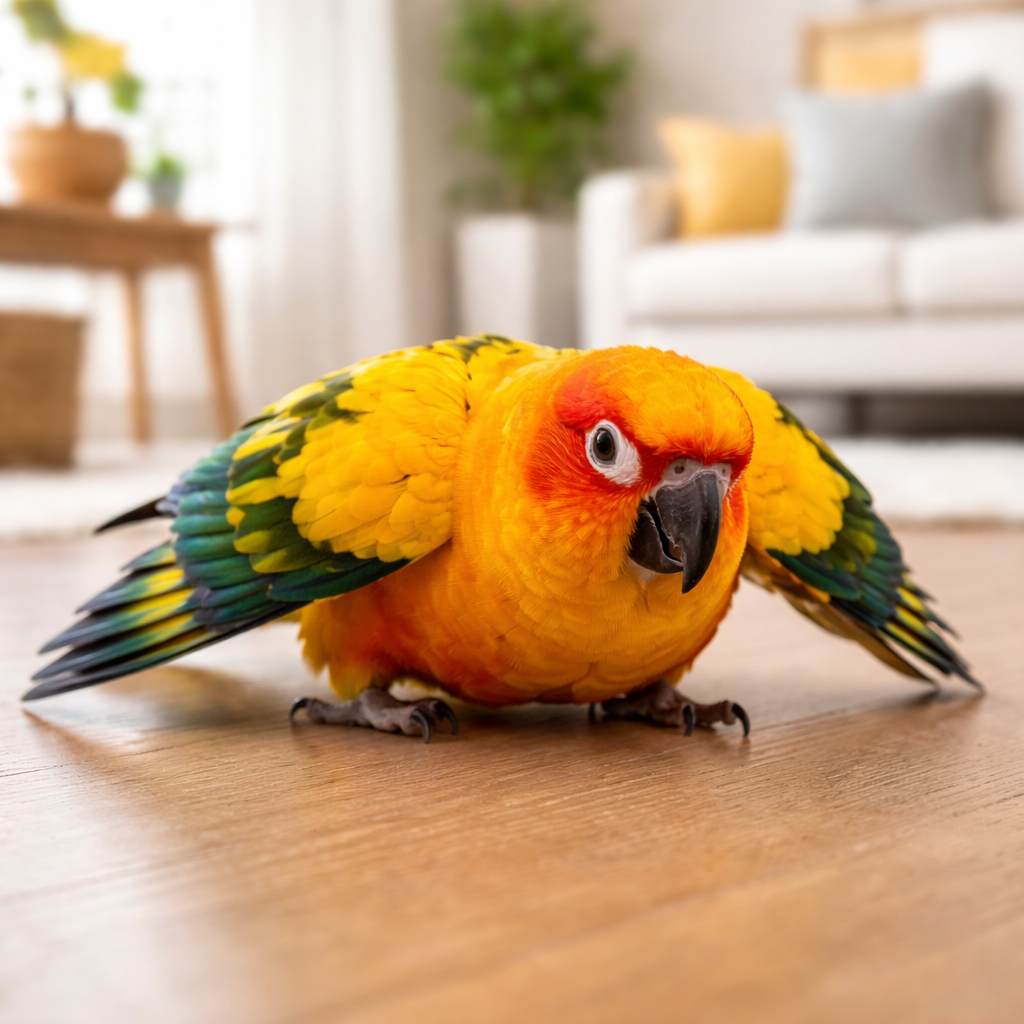
Understanding the nuances of pet bird behavior is crucial for responsible ownership, particularly when it comes to hormonal displays that can often be misinterpreted as mere "weirdness" or aggression. What many owners observe as soft cooing, wing flapping, or sudden irritability in their avian companions is frequently a manifestation of natural biological responses, often heightened by environmental factors. Far from being a scary or abnormal phenomenon, these are classic signs of heightened reproductive hormones, especially in adult birds. For instance, an eight-year-old Sun Conure exhibiting such behaviors is not undergoing a phase but rather displaying a normal biological response that necessitates careful direction and management.
The critical insight for bird owners is that these hormonal behaviors do not inherently require panic or suppression. Instead, the focus must shift to proactively redirecting this energy into constructive outlets. Without proper intervention, these natural biological urges can escalate into fixation, frustration, and a host of long-term behavioral and health issues, impacting both the bird’s well-being and the human-animal bond.
Decoding Avian Hormonal Displays
Avian hormones, much like those in other species, regulate a complex array of physiological processes, including reproduction, growth, and metabolism. During breeding season or under specific environmental stimuli, levels of hormones such as estrogen, progesterone, and testosterone surge, prompting a range of behavioral changes. These changes are intrinsically linked to a bird’s instinct to find a mate, build a nest, and reproduce.
Observable Signs of Hormonal Activity:
- Vocalizations: Increased chirping, squawking, cooing, or contact calls. Some birds may develop new, often louder, vocalizations.
- Physical Displays: Wing flapping, wing drooping, tail fanning, head bobbing, regurgitation (as a courtship ritual), and changes in posture.
- Nest-Seeking Behavior: Exploring dark, enclosed spaces, shredding materials, or becoming possessive of certain areas or objects.
- Aggression: Biting, lunging, or guarding behaviors, particularly towards perceived rivals or when protecting a "nesting" site or preferred human.
- Over-Preening or Feather Plucking: While often a sign of stress, it can sometimes be exacerbated by hormonal fluctuations.
- Changes in Affection: Some birds may become overly affectionate or clingy, while others may become withdrawn or irritable.
It is important to note that the intensity and manifestation of these behaviors can vary significantly based on species, individual personality, and environmental factors.
The Biological Imperative: Why Small Birds Seem More Hormonal
Observations indicate that smaller parrot species often appear to be in a hormonal state for a greater portion of the year compared to their larger counterparts. This is not an illusion but a biological reality rooted in evolutionary strategy. Species lower on the food chain, such as cockatiels, budgies, and conures, typically mature more quickly and reproduce more frequently. Their shorter lifespans in the wild necessitate a faster reproductive cycle, keeping their bodies in a near-constant state of readiness for breeding. Consequently, their endocrine systems remain closer to "breeding mode" than those of long-lived parrots like macaws or cockatoos, which may not reach sexual maturity until seven or eight years of age. Small parrots can begin exhibiting hormonal behaviors before their first birthday.
Distinguishing Normal from Concerning Hormonal Behavior
Occasional displays of hormonal behavior during certain seasons or in specific situations are entirely normal for adult parrots. Just as humans experience hormonal fluctuations, birds too have cycles. The key is to differentiate between expected, transient behaviors and those that become chronic, disruptive, or detrimental to health.
When Hormonal Behavior is Normal:
- Seasonal Displays: Most parrot species have a natural breeding season, typically triggered by changes in photoperiod (daylight hours), temperature, and food availability. During these periods, increased vocalizations, courtship rituals, and nest-seeking are expected.
- Species-Specific Maturation: As mentioned, age of sexual maturity varies widely. Understanding your bird’s species-specific developmental timeline is critical.
- Short-Lived Episodes: Normal hormonal surges typically subside after a few weeks, especially if environmental triggers are managed.
When Hormonal Behavior Becomes a Problem:
Chronic hormonal activity, where a bird remains "switched on" for extended periods, takes a significant toll on their physical and mental health. This prolonged state of reproductive hyperactivity, as highlighted by clinical findings from experts like Dr. Rob Marshall and Tailai O’Brien in 2026, is a primary cause of numerous health complaints in pet birds.
- Chronic Egg Laying (Females): Excessive egg laying can lead to severe calcium depletion, egg binding, cloacal prolapse, and nutrient deficiencies, all of which are life-threatening conditions. A single clutch is normal; multiple clutches or continuous laying is a medical emergency.
- Sexual Frustration and Aggression (Males & Females): When mating instincts are unfulfilled, birds can become intensely frustrated, leading to chronic irritability, increased biting, destructive behaviors, and obsessive fixations on objects or specific individuals.
- Self-Mutilation: In extreme cases, chronic stress and frustration from unresolved hormonal drives can manifest as feather plucking or self-mutilation, leading to skin infections and severe injury.
- Impact on the Human-Animal Bond: Constant aggression or demanding behaviors can strain the relationship between bird and owner, sometimes leading to rehoming.
- Compromised Immune System: Chronic stress from hormonal overdrive can suppress the immune system, making birds more susceptible to illness.
The Role of Environmental Factors in Avian Hormones
While hormonal behavior is innate, environmental factors play a profound role in either moderating or exacerbating these natural urges. Pet birds, living in artificial environments, are particularly susceptible to triggers that can induce or prolong breeding conditions.
Key Environmental Triggers:
- Light Cycle: Long daylight hours (over 12-14 hours) mimic spring/summer conditions, signaling to a bird’s body that it’s breeding season. Artificial lighting in homes, especially if left on late, can inadvertently extend perceived daylight.
- Diet: A diet rich in fats and proteins, without sufficient opportunities for foraging and activity, can signal abundant resources, indicative of prime breeding conditions.
- Nesting Opportunities: The presence of dark, enclosed spaces (nest boxes, cozy huts, even gaps behind furniture) can trigger nesting instincts. Shredable materials also contribute to this.
- Physical Contact: Petting a bird on its back, under its wings, or around the vent area can be interpreted as sexual stimulation by the bird, especially if it’s a bonded companion.
- Mirrors/Reflective Surfaces: A bird interacting with its reflection can perceive it as a potential mate, leading to obsessive behaviors, regurgitation, and increased hormonal activity.
- Lack of Enrichment: Boredom and insufficient mental and physical stimulation can cause a bird to channel its energy into hormonal behaviors.
Proactive Management Strategies: Guiding Avian Energy
The good news is that owners can significantly influence their bird’s hormonal state through consistent, proactive management. The goal is not to eliminate natural urges but to redirect them into healthy, non-reproductive outlets.
1. Actively Reward Independent Behavior:
Shift focus from attention-seeking or hormonal displays to rewarding calm, independent activities.
- Foraging: Provide foraging toys and opportunities that require problem-solving to access food. This mimics natural feeding behaviors and provides mental stimulation.
- Chewing/Shredding: Offer plenty of safe chewing materials (untreated wood, cardboard, natural branches, shreddable toys). This satisfies a natural instinct and can be a great stress reliever.
- Quiet Play: Reward your bird with praise or a small treat when you observe them quietly playing with toys, preening calmly, or simply resting.
- Training for Focus: Teach simple tricks or commands using positive reinforcement. This engages their mind and strengthens the bond in a non-sexual way.
2. Give Their Pent-Up Energy a Natural Parrot "Job":
Parrots are intelligent, active creatures that thrive on purposeful activity.
- Enrichment Schedule: Rotate toys frequently to keep things novel. Introduce new challenges regularly.
- Target Training: Teach your bird to touch a target stick. This can be used to direct them away from problem areas or encourage movement.
- Flight Opportunities: If safe, allow supervised flight time in a bird-proofed room. This is excellent physical exercise and mental stimulation.
- Puzzle Toys: Offer toys that require manipulation to get a treat, tapping into their natural problem-solving abilities.
Start Where Your Bird Can Succeed: If your bird becomes overstimulated or aggressive outside the cage, begin these redirection activities inside the cage first, where they may feel more secure. Once calmer in that environment, gradually introduce activities on a play stand or training perch. Consistency is paramount.
Common Mistakes That Exacerbate Hormonal Issues
Owners, often with the best intentions, can inadvertently reinforce hormonal behaviors. Avoiding these common pitfalls is as important as implementing positive strategies.
What to Avoid:
- Excessive Petting in Sensitive Areas: Limit petting to the head and neck. Any petting below the neck can be interpreted as sexual solicitation.
- Providing Nest-Like Environments: Remove any "cozy" huts, boxes, or dark spaces that could be perceived as nesting sites. Block access to areas like under furniture or inside cabinets.
- Free-Feeding High-Fat Diets: Ensure a balanced diet primarily of pellets, fresh vegetables, and some fruits. Limit seeds and nuts, especially during hormonal periods, as they are high in fat and signal abundance.
- Inconsistent Schedules: Maintain a consistent sleep schedule (10-12 hours of uninterrupted darkness) to regulate their circadian rhythm and hormonal cycles.
- Ignoring Problematic Behavior: Ignoring does not always work, especially if the behavior is self-rewarding (e.g., shredding a perceived nest). Active redirection is more effective.
Also avoid assuming:
- "They’ll grow out of it": At eight years old, a bird isn’t "growing out" of a biological response. Chronic hormonal behavior rarely resolves on its own and often leads to deeper health issues.
- "They just want attention": While attention is a motivator, the underlying drive is biological. Addressing the biological trigger is key.
- "Punishment will stop it": Punishment is ineffective and damaging. It creates fear and erodes trust without addressing the root cause. Positive reinforcement is the only humane and effective method.
Hormonal energy does not simply burn itself out. If a parrot doesn’t learn where to channel this powerful energy, it will continue to manifest in louder, more persistent, and often more destructive ways. Over time, birds can become trapped in a cycle of being constantly keyed up, easily frustrated, and unable to settle – a state that is profoundly exhausting for them. This is precisely where positive reinforcement becomes an incredibly powerful tool. It’s not about "training tricks"; it’s about teaching your bird which behaviors help their body calm down and feel safe. Every time an owner rewards chewing, foraging, quiet play, or relaxed preening, they are actively helping their bird’s nervous system learn a new, healthier default response.
The challenge lies in the fact that birds do not respond to human intention; they respond to outcomes. If a behavior, even an undesirable one, reliably leads to attention, closeness, or emotional engagement, the bird’s brain will label it as successful, reinforcing that behavior, even if the human never intended to.
Using Treats Effectively: Reinforcing Calm Behavior
Treats are powerful tools in behavioral modification when used correctly. The goal is to create clear associations between calm, desirable behaviors and positive rewards.
Treats should immediately follow calm behavior:
Cultivate the habit of having a variety of preferred treats readily available (e.g., in a pocket or treat bag). Intentionally observe for natural, non-hormonal parrot behaviors, and immediately offer a treat.
- Example: If your bird is quietly chewing on a toy, offer a treat. If they are perched calmly, offer a treat. If they interact with a foraging toy, reward that.
- Timing is Key: The reward must be given within 1-2 seconds of the desired behavior for the bird to make a clear association.
This approach keeps learning clear and helps the bird understand which actions are desirable and lead to positive outcomes, thereby building new, healthier behavioral patterns.
When to Stop and Call a Vet: Identifying the Risk Threshold
In the realm of bird behavior, "acting out" is rarely just a mood; it is a critical data point. As established by the 2026 clinical findings of Dr. Rob Marshall and Tailai O’Brien, reproductive hyperactivity is a primary underlying cause of many health complaints in pet birds. Therefore, it is imperative for owners to recognize when behavioral changes cross the "Risk Threshold" from normal avian antics to a medical priority requiring veterinary intervention.
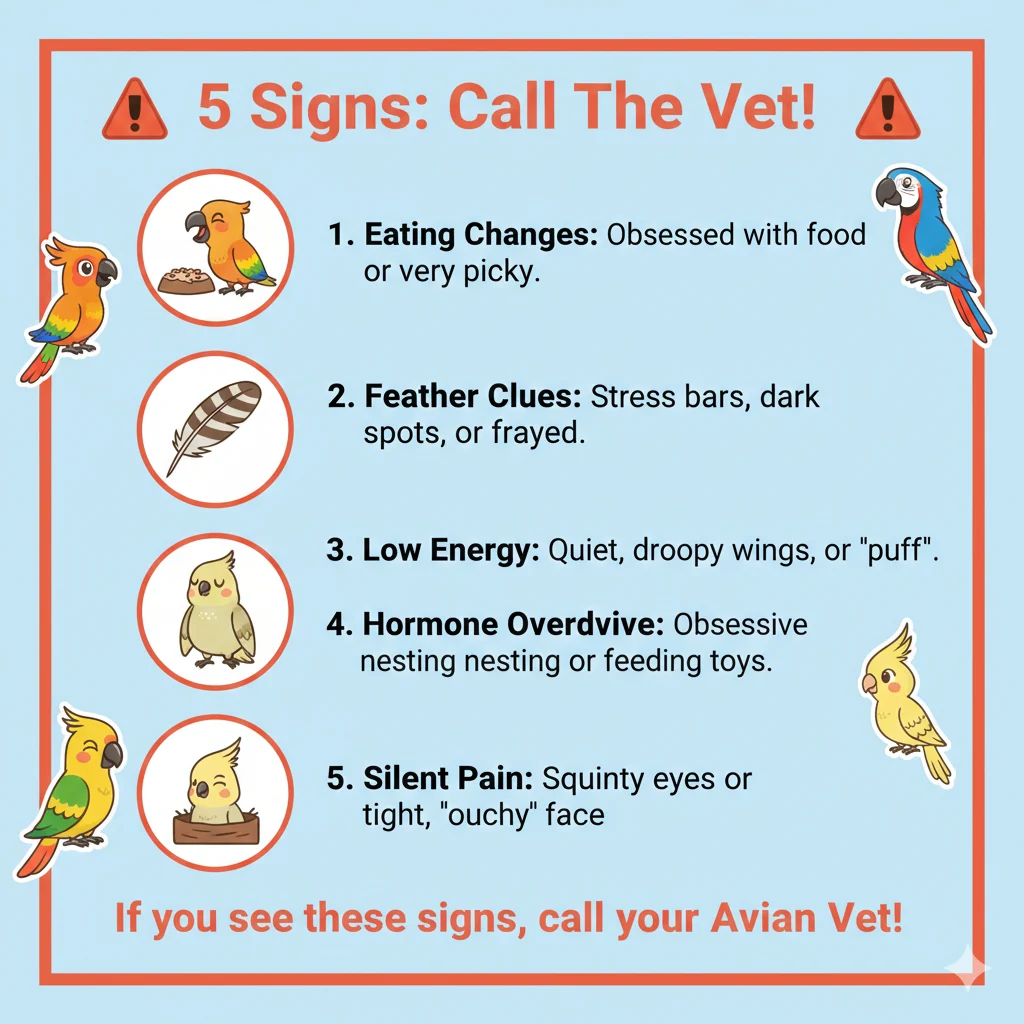
Use this 5-point protocol to determine if your bird’s behavior warrants a vet visit:
- Sudden or Drastic Behavioral Change: Any abrupt and significant shift in personality, activity level, vocalization, or interaction patterns that persists for more than 24-48 hours.
- Physical Symptoms: Any visible signs of illness such as changes in droppings, discharge from nares or eyes, feather puffing, lethargy, loss of appetite, weight loss, difficulty breathing, or persistent regurgitation (especially if not a courtship display).
- Chronic Egg Laying (Females): If a female bird lays more than one clutch of eggs per year, lays an unusually large clutch, or shows signs of straining, lethargy, or a distended abdomen (potential egg binding).
- Self-Mutilation or Persistent Aggression: If the bird begins feather plucking, skin picking, or exhibiting relentless aggression that poses a risk to itself or others, despite management efforts.
- Lack of Response to Environmental Management: If, after consistently implementing appropriate environmental and behavioral management strategies for several weeks, the hormonal behaviors show no signs of decreasing or are escalating.
An avian veterinarian can assess the bird’s overall health, perform diagnostic tests (e.g., blood work, radiographs) to rule out underlying medical conditions, and discuss potential medical interventions such as hormone implants or dietary modifications, if deemed necessary.
Broader Implications for Avian Welfare
The management of hormonal behavior extends beyond immediate behavioral correction; it is fundamental to the long-term welfare of pet parrots. A bird perpetually stuck in a state of hormonal stress is not only uncomfortable but also at a higher risk for a multitude of health issues. These can range from metabolic imbalances to reproductive organ diseases, some of which can be fatal.
Furthermore, the quality of the human-animal bond is significantly impacted. A bird that is constantly aggressive, demanding, or self-destructive creates a stressful home environment, often leading to frustration and burnout for owners. By understanding and proactively managing hormonal triggers, owners can foster a healthier, more harmonious relationship with their birds, ensuring a better quality of life for both. This approach aligns with the growing recognition of the complex needs of companion animals and the ethical responsibilities of their caregivers.
Conclusion: A Healthier, More Livable Lifestyle
In essence, a bird exhibiting hormonal behaviors is not being "bad" or malicious; its body is in a state of biological stress that it cannot inherently control. Chronic hormonal behavior rarely resolves on its own and, if left unaddressed, often leads to more profound health complications. By consistently rewarding calm, independent behavior, and meticulously identifying and removing the environmental triggers that "feed" hormonal displays, owners empower their birds to settle into a lifestyle that is not only physically and psychologically healthier for them but also significantly more livable and enjoyable for their human companions. This proactive, compassionate approach is the cornerstone of responsible avian stewardship.
