

Since 2010, One Earth Conservation (OEC) has forged a critical partnership with the indigenous communities of La Moskitia, Honduras, in a dedicated endeavor to protect the region’s vibrant native macaws and their vital nesting sites. This enduring collaboration has yielded significant successes, with over 1,000 macaw nests successfully shielded from the pervasive threat of poaching, and hundreds of magnificent birds rehabilitated and safely returned to their natural habitat. However, the conservationists face an ongoing battle, as approximately 20% of these crucial nests continue to fall victim to poachers, despite the communities’ relentless efforts to enhance protection through constant patrolling and vigilant monitoring. The persistence of this threat underscores the complex socio-economic and environmental challenges inherent in safeguarding one of Mesoamerica’s most biodiverse and culturally rich regions.
The Ecological Heart of Mesoamerica: La Moskitia’s Unparalleled Significance
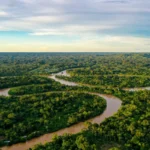
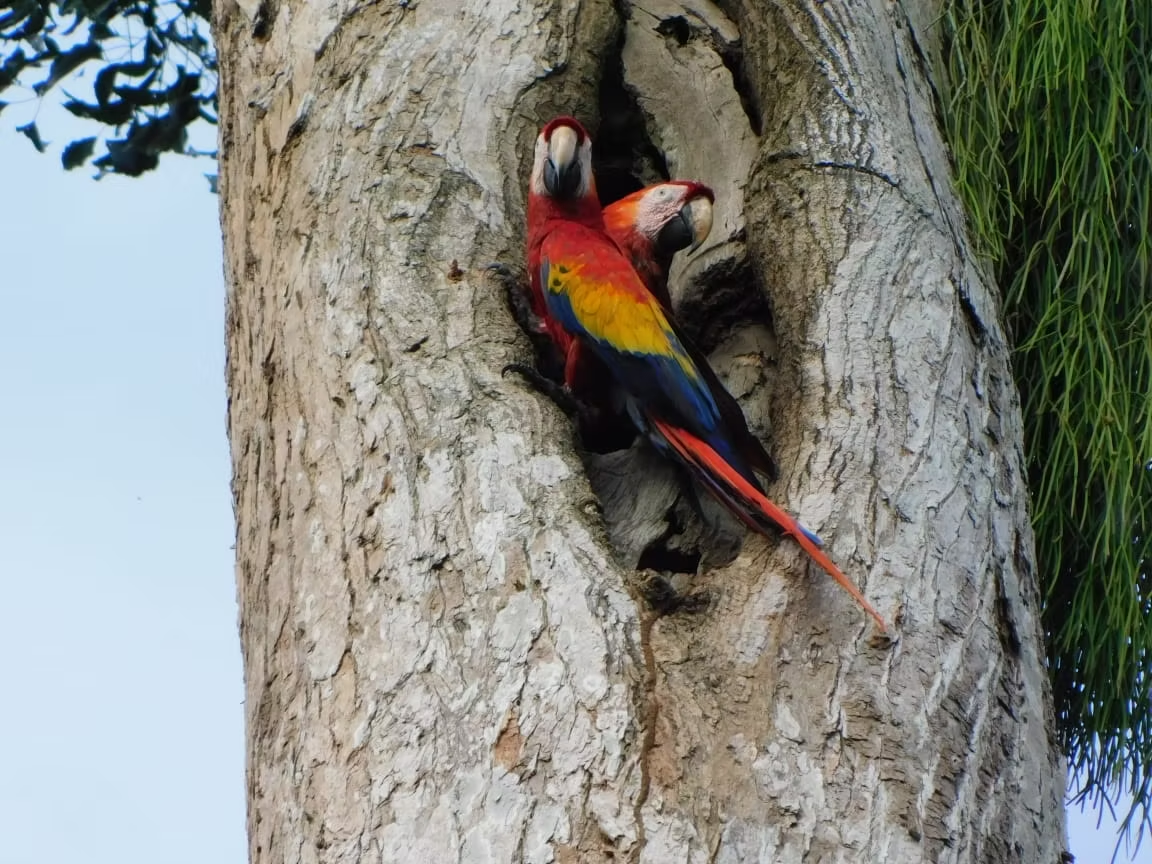
La Moskitia, a sprawling and largely untouched wilderness, represents the second-largest forest expanse in Mesoamerica, straddling the borders of Honduras and Nicaragua. This vast, verdant mosaic of rainforests, mangroves, savannas, and wetlands is not merely a geographical feature but a global biodiversity hotspot, boasting an extraordinary array of flora and fauna. Among its most celebrated inhabitants are several iconic parrot species, including the resplendent Scarlet Macaw (scientific name: Ara macao) and the critically endangered Great Green Macaw (Ara ambiguus). Both species play crucial ecological roles as seed dispersers, contributing significantly to forest regeneration and ecosystem health. The presence of these magnificent birds is often considered an indicator of a healthy, thriving forest ecosystem.
Beyond its ecological richness, La Moskitia is also home to several indigenous groups, including the Miskito, Tawahka, Pech, and Garifuna peoples, whose lives and cultures are intricately interwoven with the rhythms of the forest. These communities possess invaluable traditional ecological knowledge, passed down through generations, which is increasingly recognized as indispensable for effective conservation strategies. Their ancestral lands are not just a resource but a living heritage, central to their identity and sustenance.
However, this remote and pristine region is not immune to the pressures of the modern world. La Moskitia faces a confluence of severe conservation challenges that threaten its integrity and the survival of its unique species. Foremost among these are the relentless expansion of illegal cattle ranching, which drives rampant deforestation and habitat fragmentation; the illicit trafficking of flora and fauna, fueling global black markets for exotic pets and plant species; and illegal land grabs, often driven by agricultural expansion or speculative interests, which dispossess indigenous communities and further degrade critical habitats. The sheer scale and remoteness of the area make enforcement difficult, leaving local communities and conservation organizations as the primary frontline defenders against these destructive forces.
A Decade of Collaborative Conservation: One Earth’s Enduring Partnership
One Earth Conservation’s engagement in La Moskitia commenced in 2010, marking the beginning of a sustained commitment to community-based conservation. Dr. LoraKim Joyner, a prominent figure within OEC, has been a driving force behind this initiative, dedicating over 15 years to working directly with the villagers. Her approach is rooted in "Unconditional Solidarity," a philosophy that emphasizes sustained presence, mutual respect, and a willingness to share risks and challenges alongside local communities. This long-term engagement has allowed OEC to build deep trust and implement effective, culturally sensitive conservation programs.
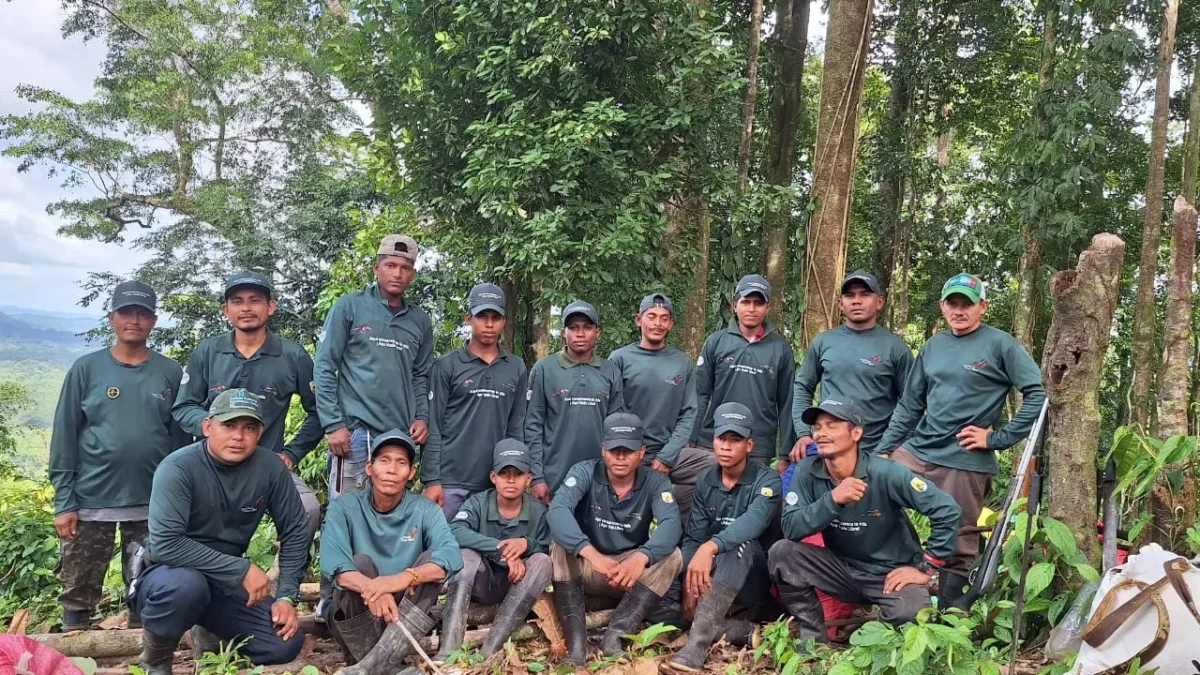
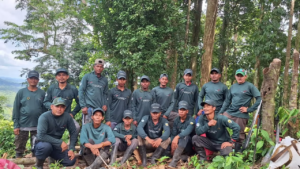
The core of OEC’s strategy revolves around empowering local indigenous communities to become "Parrot Rangers." These dedicated individuals, drawn from the villages, are trained and equipped to patrol their ancestral territories, monitor macaw nests, deter poachers, and collect vital data on bird populations and nesting success. This model not only provides direct protection for the macaws but also fosters local ownership and builds capacity within the communities, offering sustainable livelihood alternatives to activities that might otherwise contribute to deforestation or poaching.
The success metrics of this program are compelling. The protection of over 1,000 nests since 2010 represents a significant achievement in stabilizing local macaw populations, especially for the Great Green Macaw, which is classified as Endangered by the IUCN Red List. While Scarlet Macaws are listed as Least Concern globally, their populations in specific regions like La Moskitia are under severe pressure, making local conservation efforts critically important. The return of hundreds of birds to the wild signifies successful rescue and rehabilitation efforts, often involving chicks confiscated from poachers or birds found injured, providing them a second chance at contributing to the wild population.
Despite these considerable successes, the persistent 20% poaching rate highlights the enduring and multifaceted nature of the challenge. The drivers behind poaching are complex, often rooted in socio-economic disparities, lack of alternative income sources, and the involvement of organized crime syndicates that exploit vulnerable populations. The illegal wildlife trade is a multi-billion dollar industry globally, with macaws highly prized in the exotic pet market, making them lucrative targets for poachers. These challenges underscore that conservation is not merely about protecting animals, but also about addressing the human dimensions of poverty, governance, and economic opportunity.
The Vulnerable Breeding Season: A Critical Window for Macaw Survival
The period from March through August marks the crucial breeding season for macaws in La Moskitia. During these months, adult macaws are deeply engaged in nesting, incubating eggs, and raising their chicks, making them and their offspring exceptionally vulnerable to disturbance and poaching. Macaws typically nest in natural tree cavities, which can be relatively accessible to experienced climbers, providing an opportunistic window for poachers to raid nests for chicks, which fetch high prices on the black market.
Recognizing this heightened vulnerability, Dr. LoraKim Joyner plans to personally stand in "Unconditional Solidarity" with the La Moskitia villagers during March and April, camping directly under the trees to maintain vigilance over the birds and their nests. This act symbolizes not just a physical presence but a deep commitment to shared struggle and mutual support, reinforcing the partnership’s foundational principles. Her presence aims to inspire and bolster the local patrollers, demonstrating that their efforts are recognized and valued.
However, the scale of the challenge means that "there is never enough help." The vastness of La Moskitia’s forests and the limited resources available make comprehensive patrolling an immense undertaking. The need for additional human resources to help patrol during this critical period is acute. These patrollers not only deter poachers but also collect essential data on nesting success, potential threats, and overall bird health, contributing to a more robust understanding of the macaws’ ecological needs. Public awareness is also a vital component, as informed global citizens can exert pressure, support ethical tourism, and contribute financial aid, all of which indirectly bolster on-the-ground protection efforts.
Amplifying the Message: The 2024 Awareness Campaign
To address the persistent threats and garner broader support, One Earth Conservation and its indigenous partners have planned a major public awareness campaign spanning from March through August of this year. This comprehensive initiative aims to shine a spotlight on the plight of La Moskitia’s threatened parrots and the indigenous communities working tirelessly to protect them. The campaign will leverage multiple platforms to engage a diverse audience and amplify the urgent call for action.
Key components of the 2024 campaign include:
- Public Demonstrations: These events, potentially organized both locally within Honduras and internationally, aim to raise visibility, draw media attention, and mobilize public opinion. They serve as a powerful expression of collective concern and a call for policy changes or increased governmental support.
- Regular Reports on Nest Activity and Bird Sightings: Providing periodic updates on the status of monitored nests and observed bird populations offers transparency and allows supporters to track the real-time impact of conservation efforts. This data-driven approach not only informs but also engages the public in the unfolding narrative of conservation.
- Online Facebook and Zoom Meetings with Indigenous Conservationists: These virtual platforms will offer a unique opportunity for global audiences to directly interact with the indigenous "Parrot Rangers" and community leaders. Such direct engagement facilitates cross-cultural understanding, highlights the invaluable role of traditional ecological knowledge, and allows supporters to hear firsthand accounts of the challenges and triumphs on the ground.
- Deeper Exploration of Unconditional Solidarity and Transformative Conservation: The campaign will delve into the theoretical and practical implications of these two guiding principles. "Unconditional Solidarity" is about building relationships based on trust, respect, and shared goals, moving beyond traditional aid models to true partnership. "Transformative Conservation," on the other hand, seeks to address the root causes of environmental degradation, challenging existing power structures, and empowering local communities to lead conservation efforts, thereby creating lasting, systemic change rather than just superficial fixes.
The campaign’s focus on these themes aims to foster a more profound understanding of community-led conservation, highlighting its effectiveness and ethical imperative. It also seeks to differentiate OEC’s approach from conventional conservation models, emphasizing equity, self-determination, and the intrinsic value of indigenous wisdom.
Beyond the Nests: Broader Implications of La Moskitia’s Struggle
The conservation struggle in La Moskitia extends far beyond the fate of individual macaw nests; it carries profound broader implications for ecological stability, socio-cultural preservation, and global environmental health.
Ecological Impact: The macaws are keystone species within their ecosystem. Their decline signals a broader degradation of the forest itself. As large, vibrant seed dispersers, they play a critical role in the regeneration of various tree species, maintaining the structural diversity and health of the rainforest. The loss of macaws, or their vital nesting trees, can lead to a cascade of negative effects throughout the ecosystem, impacting other species that rely on the same habitat or food sources. La Moskitia’s forests also act as massive carbon sinks, playing a significant role in mitigating climate change. Deforestation and habitat degradation here have global repercussions.
Socio-Cultural Impact: For the indigenous communities of La Moskitia, macaws are not just wildlife; they are integral to their cultural identity, spiritual beliefs, and traditional practices. The loss of these birds represents an erosion of cultural heritage and a disruption of the delicate balance between humans and nature that has sustained these communities for centuries. Empowering indigenous communities in conservation also strengthens their rights to their ancestral lands and promotes self-determination, which is crucial for their survival and well-being.
Economic Impact: While poaching offers short-term illicit gains, sustainable conservation efforts can provide long-term economic benefits through eco-tourism, sustainable forestry, and other non-extractive livelihoods. The partnership with OEC provides direct employment for local rangers and fosters skills development within the communities, offering alternatives to destructive practices. Investing in conservation in La Moskitia is an investment in the sustainable future of its people and its natural resources.
Global Significance: La Moskitia serves as a critical biological corridor connecting various ecosystems across Central America. Its protection is vital for maintaining regional biodiversity and genetic flow for numerous species. The model of indigenous-led, community-based conservation being championed by OEC and the villagers offers valuable lessons and a blueprint for similar efforts worldwide, particularly in areas grappling with similar challenges of deforestation, poaching, and socio-economic disparities. It demonstrates that effective conservation requires local engagement, respect for traditional knowledge, and a commitment to justice.
A Call to Action: How the Global Community Can Engage
One Earth Conservation and the dedicated villagers of La Moskitia cannot sustain this vital work alone. The challenges are too vast, and the threats too persistent, requiring a concerted effort from the global community. The upcoming campaign from March to August serves as a critical opportunity for individuals and organizations worldwide to lend their support.
There are several tangible ways in which individuals can contribute to this urgent cause:
- Spreading the Word through Social Media: Utilizing platforms to share information about "Unconditional Solidarity," the plight of La Moskitia’s macaws, and the ongoing conservation efforts can significantly amplify the message. Increased public awareness can lead to greater support, discourage demand for illegally trafficked birds, and influence policy makers.
- Making a Financial Donation: Direct financial contributions are crucial for funding on-the-ground operations. This month’s donation from Lafeber, for instance, is specifically allocated to paying additional patrollers. These funds directly support the salaries of local rangers, provide necessary equipment (such as binoculars, GPS devices, and communication tools), and cover operational costs for monitoring and protection efforts during the critical breeding season. Every donation, regardless of size, contributes to bolstering the frontline defense of these endangered species.
- Joining the Team in Honduras: For those seeking a deeper level of engagement, opportunities exist to volunteer in person and join the conservation team in La Moskitia. Such direct involvement offers a unique chance to experience the conservation work firsthand, provide practical assistance, and build solidarity with the indigenous communities. Individuals interested in this immersive experience can fill out the provided Interest Form to learn more about the requirements and opportunities.
As Dr. LoraKim Joyner powerfully states, "Consider taking risks as these people have, because everything is at risk." This profound statement encapsulates the urgency and gravity of the situation. The indigenous communities of La Moskitia are literally risking their lives to protect their natural heritage against well-armed poachers and powerful illicit networks. Their unwavering commitment in the face of such adversity is a testament to their deep connection to the land and its creatures. The call to "take risks" is an invitation to acknowledge the interconnectedness of all life and to recognize that the loss of these unique ecosystems and species in a remote corner of Honduras has ripple effects that diminish us all. It is a plea for active engagement, for solidarity that transcends geographical boundaries, and for a collective commitment to securing a future where both humans and wildlife can thrive. The fate of La Moskitia’s macaws, and indeed its forests and indigenous cultures, hangs in the balance, making every act of support and solidarity profoundly meaningful.
