

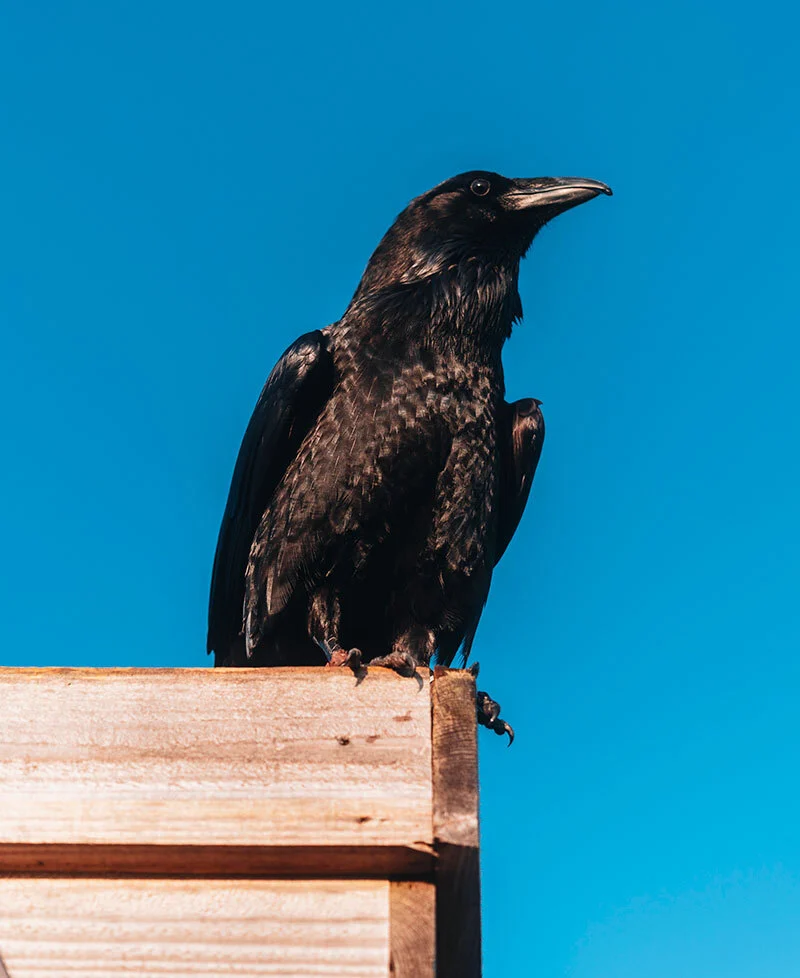
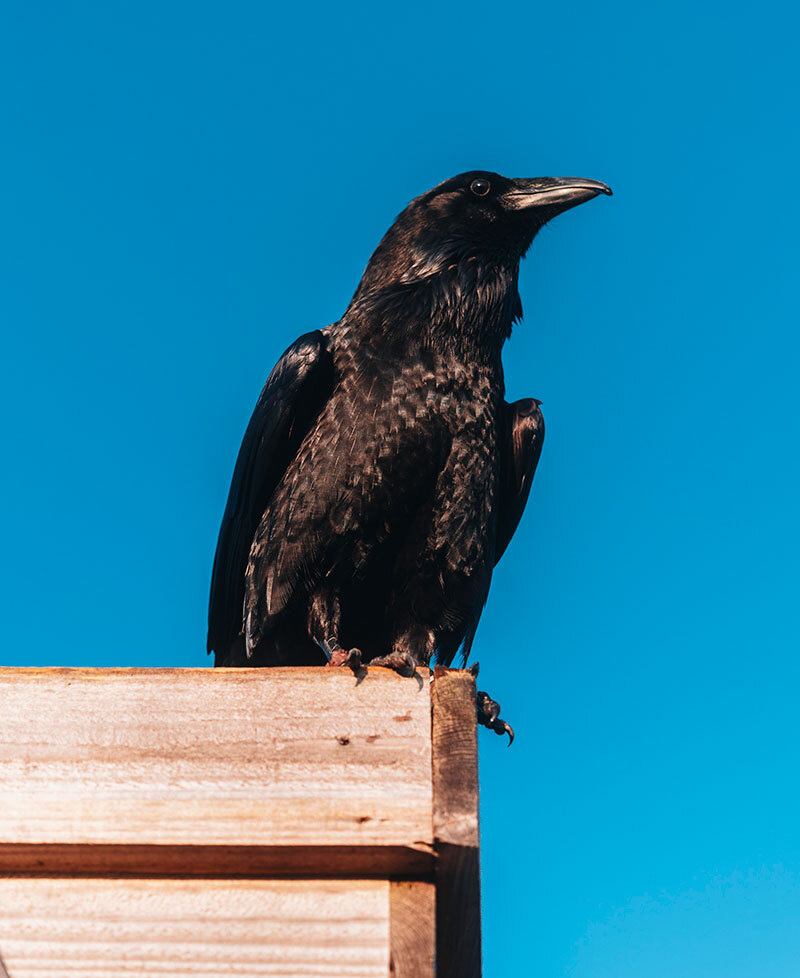
The remarkable journey of Loki, a common raven (Corvus corax), exemplifies the profound intelligence and complex emotional landscape of the Corvidae family, a group of birds renowned for their cognitive abilities that also includes crows, magpies, and jackdaws. Loki’s transformation from a neglected, aggressive bird to a global social media sensation and educational ambassador stands as a powerful testament to the dedication of wildlife rehabilitators and the potential for interspecies bonds. His story, unfolding over the past decade at Coda Falconry in West London, illuminates not only the unique characteristics of ravens but also the critical importance of specialized animal care and public education.
The Enigmatic Raven: A Species Overview
Ravens, the largest members of the crow family, are celebrated across cultures for their striking intelligence, adaptability, and often mysterious demeanor. These majestic birds typically form monogamous bonds for life, a testament to their complex social structures, though some individuals may remain unattached. Their cognitive prowess is truly astounding, encompassing advanced problem-solving skills, tool use, impressive vocal mimicry, and the ability to remember human faces, distinguishing between individuals who have been kind or cruel to them. Studies have shown ravens engaging in tactical deception, planning for the future, and even demonstrating empathy. Their natural lifespan can exceed 20 years in the wild and significantly longer in captivity, allowing for deep and lasting relationships to form, as evidenced by Loki’s bond with his primary caregiver, Elliott Manarin. Understanding these innate capacities is crucial to appreciating the depth of Loki’s journey and the challenges involved in his rehabilitation.
Coda Falconry: A Sanctuary’s Mission and the Arrival of a Challenging Case
In 2014, Coda Falconry, a specialized bird of prey center nestled in West London, became the pivotal setting for Loki’s new chapter. Founded on a dual mission of providing exceptional care for animals in need and fostering public understanding through educational outreach, Coda Falconry serves as a vital resource for injured, orphaned, or mistreated raptors and other avian species. Their work involves not only medical treatment and rehabilitation but also behavioral modification, often preparing birds for release back into the wild or, in cases like Loki’s, for a fulfilling life in captivity as educational ambassadors.
Loki arrived at the center as a particularly challenging "rehoming" case. Born in captivity, he had been sold to an individual who, despite good intentions, possessed little understanding of the specific and demanding requirements for caring for a raven. Unlike domestic pets, ravens, even when captive-bred, retain strong wild instincts and require highly specialized environments, diets, and mental stimulation to thrive. Without proper care and enrichment, highly intelligent animals like ravens can develop severe behavioral issues, including aggression stemming from stress, fear, or a lack of appropriate interaction. This was precisely Loki’s predicament; his aggression towards his previous owner ultimately led to his relinquishment, a common outcome when exotic or wild animals are kept by those unprepared for their needs. The team at Coda Falconry immediately recognized that Loki had been ill-treated, not necessarily through malice, but through a profound lack of knowledge regarding his species-specific requirements. He was in dire need of rehabilitation, a formidable task entrusted to Elliott Manarin, a highly respected avian educator and raptor specialist.
The Arduous Path to Rehabilitation: Forging an Unbreakable Bond
Elliott Manarin’s commitment to Loki’s rehabilitation was nothing short of extraordinary. The initial phase was fraught with peril and immense difficulty. Loki’s aggression, a manifestation of his past trauma and stress, was severe. Manarin, despite his extensive experience with raptors, was hospitalized more than a dozen times due to Loki’s defensive and often violent outbursts. Raven beaks are powerful, capable of inflicting serious injury, and their intelligence means they can be incredibly strategic in their aggression. This period tested Manarin’s resolve, demanding an unparalleled level of patience, perseverance, and a deep understanding of avian psychology.
Despite the physical toll, Manarin’s determination remained unwavering. He understood that Loki’s aggression was not malice but a learned survival mechanism, a cry for help from a creature that had not known proper care or trust. His approach was rooted in positive reinforcement, consistency, and a slow, methodical process of building trust. This involved countless hours spent near Loki, observing his behavior, learning his subtle cues, and gradually introducing positive interactions, always respecting Loki’s boundaries and agency. Over time, a profound and unlikely bond began to form. Loki, sensing Manarin’s unwavering commitment and consistent, gentle approach, slowly started to let down his guard. This developing trust was the cornerstone of his rehabilitation, enabling both bird and human to work together towards achieving a high quality of life for the raven. This period highlights the critical role of behavioral enrichment and empathetic handling in the rehabilitation of intelligent, traumatized wildlife.
From Rehabilitation to Global Stardom: The Rise of Loki the Raven
A decade after his challenging arrival at Coda Falconry, Loki the Raven has transcended his traumatic past to become an international celebrity. His journey from an aggressive, misunderstood bird to a beloved online personality illustrates the power of social media to connect audiences with compelling animal stories and promote awareness for wildlife welfare. Loki’s engaging antics, captured and shared by Elliott Manarin, have resonated with millions worldwide, turning him into a digital phenomenon.
Loki’s social media presence is extensive and highly active, attracting a massive global following:
- Instagram: With over 304,000 followers, Loki’s Instagram account showcases a vibrant array of photos and short videos, highlighting his playful nature, intelligence, and interactions with Manarin. The platform serves as a visual diary of his daily life, offering glimpses into his training, enrichment activities, and mischievous personality.
- YouTube: His YouTube channel boasts over 132,000 subscribers, where longer-form videos delve deeper into his behaviors, problem-solving abilities, and the unique bond he shares with Elliott. These videos often provide educational commentary, explaining raven behavior and Manarin’s training techniques.
- TikTok: On TikTok, Loki commands an audience of over 302,000 followers, where short, engaging clips of his clever tricks and charming antics frequently go viral, introducing his story to a younger, broader demographic.
- Official Website: Loki even has his own dedicated website, lokitheraven.com, serving as a central hub for his fans, offering merchandise, and providing more in-depth information about his story and the mission of Coda Falconry.
The success of Loki’s online presence can be attributed to several factors: the inherent fascination with intelligent birds, the captivating narrative of his rehabilitation, and the genuine affection evident in his interactions with Manarin. He represents a powerful narrative of resilience, trust, and the profound impact of compassionate care.
Beyond the Screen: Loki’s Professional Engagements and Literary Legacy
Loki’s celebrity extends beyond the digital realm, cementing his status as a truly multi-faceted avian icon. His composure and ability to follow cues, a direct result of Elliott Manarin’s dedicated training, have made him a sought-after talent for various professional engagements.
One notable appearance was in a music video for the UK-based metal band, The Raven Age. Fittingly named, the band features an anthropomorphic 8-foot raven as their mascot, making Loki a natural choice for collaboration. For the shoot, Loki had to perform a greenscreen segment alongside the impressive machine. This type of production demands a high level of focus and adaptability from an animal performer, requiring them to interact with unusual objects and environments while maintaining specific behaviors on cue. Loki, demonstrating the skill and professionalism of a seasoned performer, aced the shoot, a testament to his intelligence and Manarin’s expert handling. The band’s choice to feature a real raven further amplified the authenticity and impact of their visual storytelling, reaching their extensive fan base and introducing Loki to a new audience segment.
Furthermore, Loki’s compelling story has been immortalized in print. Elliott Manarin authored the book titled Raising Loki, which offers readers an intimate and comprehensive look into the raven’s journey. The book delves into the intricacies of Loki’s rehabilitation, the challenges faced, the strategies employed, and the gradual development of the extraordinary bond between human and bird. It explores Loki’s personality in depth, detailing his transformation from a neglected, aggressive one-year-old raven into a happy, delightfully mischievous, and entertaining companion. Raising Loki has received rave reviews from readers, who praise its heartwarming narrative, its insights into raven behavior, and its powerful message about animal welfare and the rewards of dedication. The book serves not only as an autobiography of Loki but also as a valuable educational resource for anyone interested in avian intelligence, rehabilitation, and the profound connections possible between species. Its availability offers a deeper, more personal understanding of the effort and love invested in Loki’s life and the ongoing mission of Coda Falconry.
The Expertise Behind the Bond: Elliott Manarin’s Foundational Role
The success of Loki’s rehabilitation and subsequent public career is inextricably linked to the expertise and unwavering dedication of Elliott Manarin. His role extends far beyond that of a mere handler; Manarin is an avian educator and a raptor specialist with a highly educated and scientific background. This foundational knowledge is critical in understanding and working with complex species like ravens. His deep understanding of avian biology, behavior, psychology, and conservation principles informs every aspect of his interaction with Loki and his broader work at Coda Falconry.
Manarin’s expertise was also instrumental in the very establishment of Coda Falconry. His involvement in setting up the organization provided a bedrock of scientific rigor and ethical practice, ensuring that the center operates with the highest standards of animal welfare, rehabilitation protocols, and educational outreach. As a raptor specialist, he possesses specific skills in training, husbandry, and medical care for birds of prey, which are crucial for the diverse array of birds that pass through Coda Falconry’s doors. His ability to interpret subtle avian cues, design effective enrichment programs, and implement safe and humane training methods is what allowed him to successfully navigate Loki’s initial aggression and foster a relationship built on trust and mutual respect. His work exemplifies the critical importance of qualified professionals in the field of wildlife rehabilitation and conservation, ensuring that animals receive the best possible chance at a healthy, fulfilling life, whether in the wild or as educational ambassadors.
Broader Implications: Education, Conservation, and the Human-Animal Connection
Loki the Raven’s story carries significant implications that extend far beyond his individual journey. Firstly, his public profile serves as a powerful tool for avian education. Through his social media presence and the book Raising Loki, millions have gained unprecedented insight into the intelligence, complexity, and emotional depth of ravens. This direct exposure helps to dispel common misconceptions about these often-maligned birds, fostering greater empathy and appreciation for wildlife. By showcasing Loki’s problem-solving skills, playful antics, and the intricate bond he shares with Manarin, the public learns about the specialized needs of such animals, which can deter impulsive decisions to acquire exotic pets without proper preparation.
Secondly, Loki’s narrative underscores the vital work of wildlife rehabilitation and conservation centers like Coda Falconry. These organizations are on the front lines of addressing issues stemming from human impact on wildlife, whether through injury, habitat loss, or, as in Loki’s case, improper care in captivity. Their missions of rescue, rehabilitation, and release, alongside educational programs, are crucial for maintaining biodiversity and fostering responsible human-wildlife coexistence. Loki’s story highlights the long-term commitment and specialized resources required for such efforts, emphasizing the need for public support and funding for these critical institutions.
Finally, the extraordinary bond between Loki and Elliott Manarin speaks to the profound human-animal connection. It demonstrates that with patience, understanding, and respect, deep interspecies relationships can be forged, even with animals that have experienced trauma. This connection not only benefits the animal, providing a high quality of life, but also enriches the human experience, offering unique insights into the natural world. Loki’s journey is a beacon of hope and a reminder of the resilience of life and the transformative power of compassionate care, inspiring countless individuals to look at the natural world with renewed wonder and a deeper sense of responsibility. As Loki continues to enchant audiences globally, his story remains a living testament to the incredible potential that exists when humans commit to understanding and nurturing the complex lives of our fellow creatures.
