


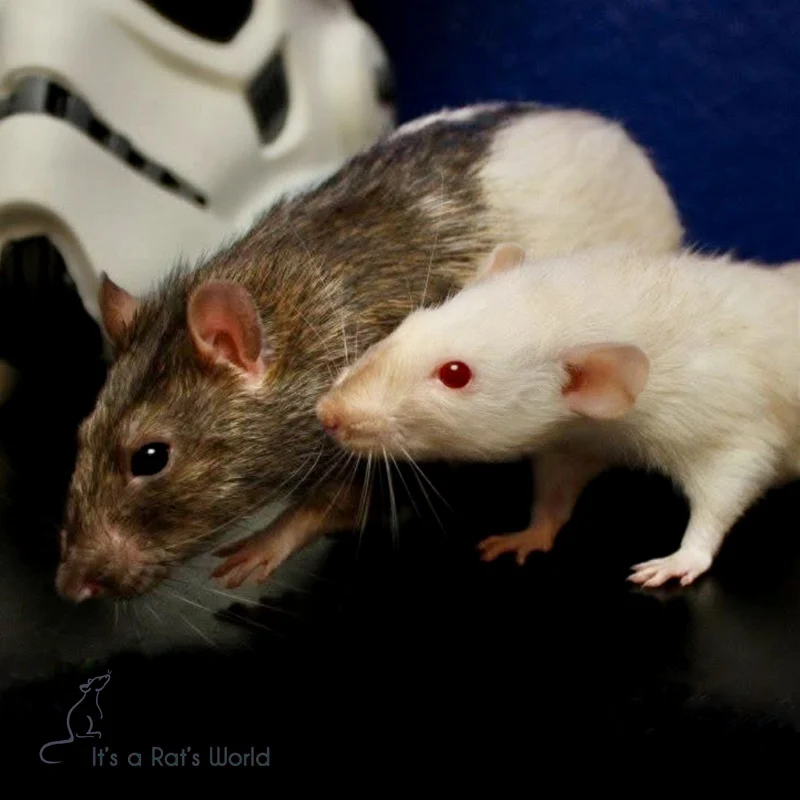
A frequent question for prospective rat owners revolves around selecting between male and female rats, a decision often met with the reassurance that both sexes make exceptional pets. While personal preference may lean towards one over the other, the reality is that both male and female rats possess unique qualities that contribute to their suitability as companions. This article delves into the distinct characteristics of male and female rats, examining their physical differences, olfactory profiles, energy levels, behavioral tendencies, and the impact of sterilization, to provide a comprehensive understanding for prospective and current rat enthusiasts.
Physical Distinctions: Size and Scent Glands
One of the most apparent physical differences between male and female rats is size. On average, male rats tend to be larger than their female counterparts. Adult males typically measure between 10 to 12 inches in length, excluding their tail, and weigh between 450 to 650 grams (approximately 1 to 1.4 pounds). In contrast, female rats generally range from 9 to 10 inches in length (tail excluded) and weigh between 350 to 450 grams (approximately 12.3 ounces to 1 pound). However, these are averages, and individual variations are common. Some male rats may be smaller than larger females, and vice versa. Exceptional cases, like the male rat Dover Cliffs weighing a full 2 pounds (907 grams) or the brothers Gatwick, Camdan, and Regent tipping the scales at around 850 grams (1.8 pounds), highlight this variability.

Beyond size, a notable difference lies in their fur and scent. Intact male rats produce a greater amount of oil on their backs, known as "buck grease." This oily secretion is typically orangish-yellow and can sometimes lead to skin irritation for the rat if it accumulates excessively. In such instances, occasional bathing with mild, unscented pet shampoo or wiping with damp, unscented baby wipes can help manage this buildup. Buck grease often diminishes or disappears entirely following neutering, which can also result in softer fur for male rats. Female rats, in general, tend to have softer fur, lacking this significant oil production.
Olfactory Characteristics: A Tale of Two Scents
The olfactory experiences offered by male and female rats are remarkably distinct, to the point where an experienced owner could potentially identify a rat’s sex solely by its scent. Female rats are often described as possessing a pleasant, fragrant aroma that can be reminiscent of grape soda and, to some, fabric softener. This scent is attributed to a combination of floral and perfumed notes, which many find appealing.
Intact male rats, on the other hand, emit a scent often likened to warm corn tortillas or tortilla chips. While this might sound unusual, many find it surprisingly pleasant. A significant change in scent occurs when male rats are neutered; they often begin to smell like the grape-like fragrance typically associated with females. This phenomenon underscores the hormonal influence on a rat’s natural aroma.
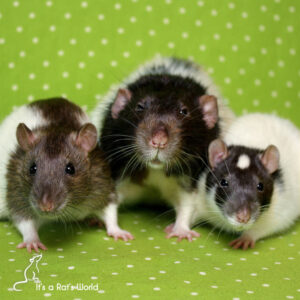
The practice of "huffing," where owners deeply inhale the scent of their rat’s fur, is not uncommon among rat enthusiasts. This behavior stems from the positive olfactory experience some rats provide. However, the term "marinating" is used to describe a less desirable scent that can arise when rats, particularly males, sleep in soiled bedding or hammocks. Managing the accumulation of buck grease and ensuring regular cage cleaning are crucial for maintaining a pleasant scent environment for both the rats and their human companions.
Energy Levels and Temperament: Debunking Myths
A common generalization suggests that male rats are more laid-back and prone to cuddling, while females are more energetic, adventurous climbers, and less inclined towards snuggling. However, personal experience and observations often challenge this dichotomy. While it is true that male rats may become more sedentary with age, particularly after neutering, young males can be quite active. Furthermore, a rat’s desire to cuddle is not solely dictated by its sex; individual personality plays a far more significant role. Some males may prefer to simply be in close proximity to their owners rather than actively seeking to be held.
Similarly, while some female rats, like the example of Leeloo who remained active until health issues intervened, can be exceptionally energetic, many other females mellow out with age, mirroring the behavior of their male counterparts. The author’s observation that all her adopted female rats were spayed before acquisition might have influenced her perception, as she missed experiencing the behavioral changes associated with a female rat in heat, which can include restlessness, hyperactivity, and agitation. Females typically cycle into heat every four to five days, a factor that can contribute to their perceived energy levels.

Ultimately, the notion that one sex is inherently more cuddly than the other is often unfounded. Many owners find both male and female rats to be equally affectionate and capable of forming deep bonds with their human families.
Behavioral Tendencies: Social Maturity and Marking
A more pronounced divergence between male and female rats emerges in their temperament, particularly concerning social maturity and urine marking. Rats reach puberty around 6 to 8 weeks of age. While some sources suggest males enter social maturity between 5 to 6 months, anecdotal evidence from experienced owners and the author’s own observations suggest this period may extend to 6 to 9 months. During this phase, some male rats may undergo a personality shift, becoming more irritable, easily agitated, or even aggressive towards cagemates and, occasionally, their owners. This "cranky phase" is not universal, and when it occurs, it can often be mitigated through castration, which has been observed to significantly improve the disposition of hormonal males.
Introductions to new rats, especially other males, can be particularly challenging for intact male rats. Even typically docile males may exhibit territorial behavior when meeting new companions. This does not imply an inherent inability for males to coexist; rather, it necessitates patience and careful management during introductions. If aggression becomes a safety concern for any rats involved, separating groups or considering neutering becomes a necessary intervention.

In the author’s experience, introducing males to females or females to females generally proved less stressful than introducing males to males. However, even females can exhibit resistance to new arrivals. Older females may become more accepting, but younger or middle-aged females can be territorial. Overall, the author found her female rats to be more amenable to new introductions than many of her male rats.
Urine marking is another behavioral trait that distinguishes the sexes. Intact male rats are considerably more prone to marking their territory, including their owners and objects they consider their own. While some males may reduce this behavior once settled, others continue throughout their lives. Female rats, conversely, are far less likely to engage in urine marking. Furthermore, female rats are generally considered easier to litter box train, although perfect adherence to a litter box is not guaranteed for either sex.
The Impact of Spaying and Neutering
Sterilization procedures, spaying for females and neutering for males, offer significant benefits for both health and behavior, influencing a rat’s life in various ways.

Preventing Unplanned Litters
The most immediate and obvious benefit of spaying and neutering is the prevention of unwanted pregnancies. If rats of both sexes are housed together, even in adjacent cages, the potential for unplanned litters is high. Female rats in heat can be remarkably resourceful in escaping their enclosures when intact males are present, and pregnancy can even occur through cage bars. Given that a single litter can range from 8 to 18 pups, responsible sterilization is paramount for owners housing mixed-sex groups.
Mitigating Health Risks
Both male and female rats are susceptible to hormone-related diseases, such as mammary and pituitary tumors. However, female rats are particularly prone to developing mammary tumors, as well as ovarian and uterine diseases, all of which can significantly shorten their already limited lifespans. Spaying female rats between 3 to 4 months of age, rather than later in life or not at all, has been shown to substantially reduce the incidence of these health issues. While some sources suggest a broader window for spaying (3 to 7 months) to achieve medical benefits, trusted veterinary sources emphasize the younger range as optimal. Although spaying is a more invasive surgery and can be costly, its health benefits for females are widely recognized as substantial.
Enhancing Behavior and Well-being
For male rats, neutering offers several behavioral advantages, including a reduction in aggression, decreased urine marking, and lessened production of buck grease. It can also help prevent the formation of vesical proteinaceous plugs (penis plugs) in older or mobility-challenged males and can reduce the risk of testicular cancer, though this is a rarer occurrence.
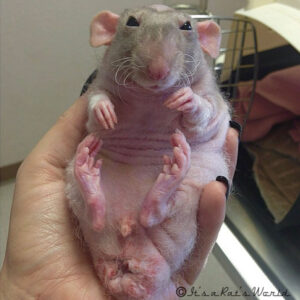
While the direct impact of castration on reducing mammary or pituitary tumors in males is less well-documented than for females, neutering remains a crucial procedure for improving their overall quality of life and manageability as pets. A thorough discussion with a veterinarian is essential for owners to determine the best course of action regarding sterilization for their individual rats, weighing the surgical risks against the potential health and behavioral benefits.
The Dynamics of Mixed-Sex Households
Introducing female rats into a previously male-dominated household, or vice versa, can lead to fascinating interspecies bonds. The author recounts instances where her male and female rats developed deep affections for one another. In one poignant example, a male rat named Sirius, who had undergone neutering and returned to a sweet disposition, formed an inseparable bond with his female companion, Echo. Their relationship was characterized by mutual affection, including cuddling together during human interaction. When Echo became ill in her old age, Sirius remained by her side, offering comfort until her passing, a testament to the profound emotional capacity of these animals.
Ultimately, whether one chooses male rats, female rats, or a combination of both, the experience is likely to be equally rewarding. Both sexes offer unique personalities and the potential for deep companionship. The key to responsible rat ownership lies in understanding their individual needs, providing appropriate care, and making informed decisions about sterilization to ensure the health and well-being of these delightful creatures.
