

One day, your sweet, cuddly bird is nuzzling your neck. The next? They’re dive-bombing your head, shredding everything in sight, or regurgitating on your favorite hoodie like it’s a love letter. These abrupt and often bewildering changes in temperament and behavior are frequently attributed to bird hormones, signaling the arrival of what many avian enthusiasts refer to as "hormone season." Parrots, in particular, undergo intense physiological and psychological shifts during these periods, which can transform their demeanor rapidly. For owners, this can be a period of significant stress and confusion, as their beloved companion bird suddenly becomes unpredictable or even aggressive. However, the good news is that hormone season can be managed effectively without resorting to extreme measures or enduring constant conflict. This guide aims to provide a comprehensive understanding of avian hormonal cycles, the behaviors they trigger, and, crucially, actionable strategies to support your bird’s well-being and maintain household sanity.
Understanding the Onset: Identifying Hormonal Behavior in Your Companion Bird
Birds do not come equipped with a "hormone warning light," but their behavior often serves as a clear indicator of underlying hormonal surges. Owners may observe their normally docile bird becoming territorial, unusually affectionate, or exhibiting peculiar new habits. Hormonal fluctuations can manifest in a wide spectrum of behaviors, ranging from subtle shifts to overt and impossible-to-ignore displays. Recognizing these signs early is paramount for effective management.
Common Manifestations of Hormonal Behavior:
- Increased Vocalization: Birds may become louder, screaming more frequently, or emitting specific contact calls more persistently. This is often an attempt to attract a mate or communicate with their perceived flock.
- Territorial Aggression: A bird might guard its cage, a favorite perch, a particular toy, or even a specific person. This can lead to biting, lunging, or displaying puffed-up postures when approached.
- Nesting Behaviors: This includes shredding paper, chewing on furniture, attempting to burrow into dark spaces (like under blankets or behind furniture), or gathering materials. Female birds may become obsessed with finding a suitable nesting site.
- Regurgitation: Often mistaken for vomiting, regurgitation is a common courtship behavior where a bird brings up partially digested food to offer to a perceived mate (which could be an owner, another bird, or even a toy).
- Excessive Cuddliness/Over-Attachment: While affection is normal, an unusual intensity of physical contact, constant seeking of petting (especially on the back or under the wings), or a strong preference for one person can be hormone-driven.
- Wing Drooping/Sexual Displays: Some birds will lower their wings, fan their tail, or perform a "bowing" motion, often accompanied by vocalizations, as part of a courtship ritual.
- Feather Plucking: In some cases, hormonal stress can manifest as feather plucking, where a bird self-mutilates by pulling out its own feathers, often to create a "nest" or due to anxiety. This can lead to skin irritation and secondary infections.
- Egg Laying (Female Birds): The most overt sign in females, chronic or inappropriate egg-laying is a direct result of unchecked hormonal cycles.
It is crucial to note that every bird is an individual; some may exhibit only one or two of these behaviors, while others may enter a full-blown "hormone mode." If a bird’s behavior becomes excessive, disruptive, or indicative of distress, it signals an urgent need to address and manage their hormonal triggers.
The Biological Imperative: Why Hormones Drive Behavior
The root cause of these behavioral shifts lies in the bird’s natural reproductive cycle, which is heavily influenced by environmental cues. In the wild, these cues signal optimal breeding conditions, ensuring the survival of the species. When kept as pets, birds often experience an environment that inadvertently mimics these breeding triggers, leading to hormonal surges even when breeding is not desired or possible.
Key environmental factors that stimulate hormonal activity include:
- Photoperiod (Light Cycles): Longer daylight hours, especially in spring and summer, are a primary signal for breeding season. Artificial lighting in homes can inadvertently extend a bird’s perceived "daylight," confusing their internal clock and prolonging hormonal periods.
- Food Abundance: A consistent supply of high-fat, high-sugar, or readily available food can signal an environment rich enough to support offspring, triggering reproductive instincts.
- Temperature: Rising temperatures can also contribute to the perception of favorable breeding conditions.
- Nesting Opportunities: Dark, enclosed spaces, shreddable materials, or even certain types of petting can be interpreted by a bird as an invitation to nest or engage in courtship.
- Social Stimulation: Interactions with humans or other birds that mimic pair-bonding behaviors (e.g., excessive petting on the back, sharing food from the mouth) can reinforce hormonal drives.
Understanding these triggers provides the foundational knowledge for implementing preventative and management strategies.
Species-Specific Hormonal Tendencies: A Closer Look at Popular Pet Birds
The intensity and duration of hormonal seasons can vary significantly between species, influenced by their natural breeding ecology. For instance, species that are polygamous or breed year-round in their natural habitats may present more persistent hormonal challenges in captivity.
| Species | Nesting Activities | Mother’s Role | Father’s Role |
|---|---|---|---|
| African Grey | Monogamous, mate for life. Nest in tree cavities. Breed in dry season (Aug-Jan). Chicks fledge at 12 weeks, independent by 3 yrs. | Incubates eggs (30 days) and broods chicks. | Hunts for food, feeds mate & chicks. |
| Cockatoo | Mate for life. Nest in large tree hollows. Breeding season varies by species (spring/summer). Fledging time 8-12 weeks. | Both parents incubate eggs (25-30 days). | Helps incubate, guards nest, brings food. |
| Eclectus Parrot | Polygamous (polyandrous – females mate with multiple males). Nest in deep tree hollows, guarded year-round. Breeds April-Dec, some year-round. Incubation 26 days, fledging at 11-12 weeks. | Guards nest, incubates eggs, broods chicks. | Several males hunt & bring food. |
| Green Cheek Conure | Monogamous, mate for life. Nest in tree hollows. Breeds in late summer (Feb-March). Chicks hatch 22-25 days, fledge at 7-8 weeks. | Incubates eggs, broods chicks. | Hunts for food, feeds mate & chicks. |
| Macaw | Monogamous, mate for life. Nest in tree cavities (some use cliffs). Breeds in dry to early wet season (Oct-Apr). Chicks hatch 26-28 days, fledge at 12-13 weeks. | Incubates eggs, broods chicks. | Hunts for food, feeds mate & chicks. |
The Eclectus Parrot, with its polygamous nature and potential for year-round breeding, often presents a unique challenge for pet owners trying to manage hormonal behaviors. Their constant guarding of nesting sites and continuous reproductive readiness can make hormone management a consistent effort. Similarly, species like cockatoos, known for their strong pair-bonding, can develop intense over-attachment to owners during hormonal periods, leading to severe aggression if their perceived "mate" interacts with others. Understanding these innate tendencies helps owners tailor their management strategies more effectively.
The Perils of Encouragement: Health and Behavioral Risks of Unchecked Hormones
While encouraging hormonal behavior is a necessary component for bird breeders to ensure successful reproduction, for pet birds, excessive hormonal stimulation can lead to a cascade of unwanted behaviors and serious health risks. Unchecked hormonal drives can fundamentally alter a bird’s personality and compromise its well-being.
Health Risks Associated with Chronic Hormonal Activity
One of the most significant concerns with prolonged hormonal activity, particularly in female birds, is the risk to their reproductive health. Frequent egg-laying, often referred to as chronic egg-laying, can severely deplete calcium reserves in the bird’s body, leading to:
- Egg Binding: A life-threatening condition where a bird is unable to pass an egg. This can cause internal pressure, organ damage, and sepsis.
- Prolapse: The protrusion of reproductive tissue (oviduct) from the vent, which is painful, prone to infection, and requires immediate veterinary intervention.
- Hypocalcemia: Critically low calcium levels, leading to muscle weakness, tremors, seizures, and fragile bones.
- Reproductive Disorders: Increased risk of developing ovarian cysts, tumors, salpingitis (oviduct inflammation), and other infections of the reproductive tract.
- Hormonal Plucking: As mentioned, some birds will pull out their own feathers, sometimes to prepare a nest or due to the intense frustration and stress associated with unfulfilled reproductive drives.
Beyond these direct reproductive health issues, increased reproductive organ size can put pressure on surrounding organs, causing discomfort and contributing to self-destructive behaviors.
Behavioral Risks and Impact on the Human-Bird Bond
Excessive hormones can also lead to a range of challenging behavioral issues that strain the relationship between a bird and its owner:
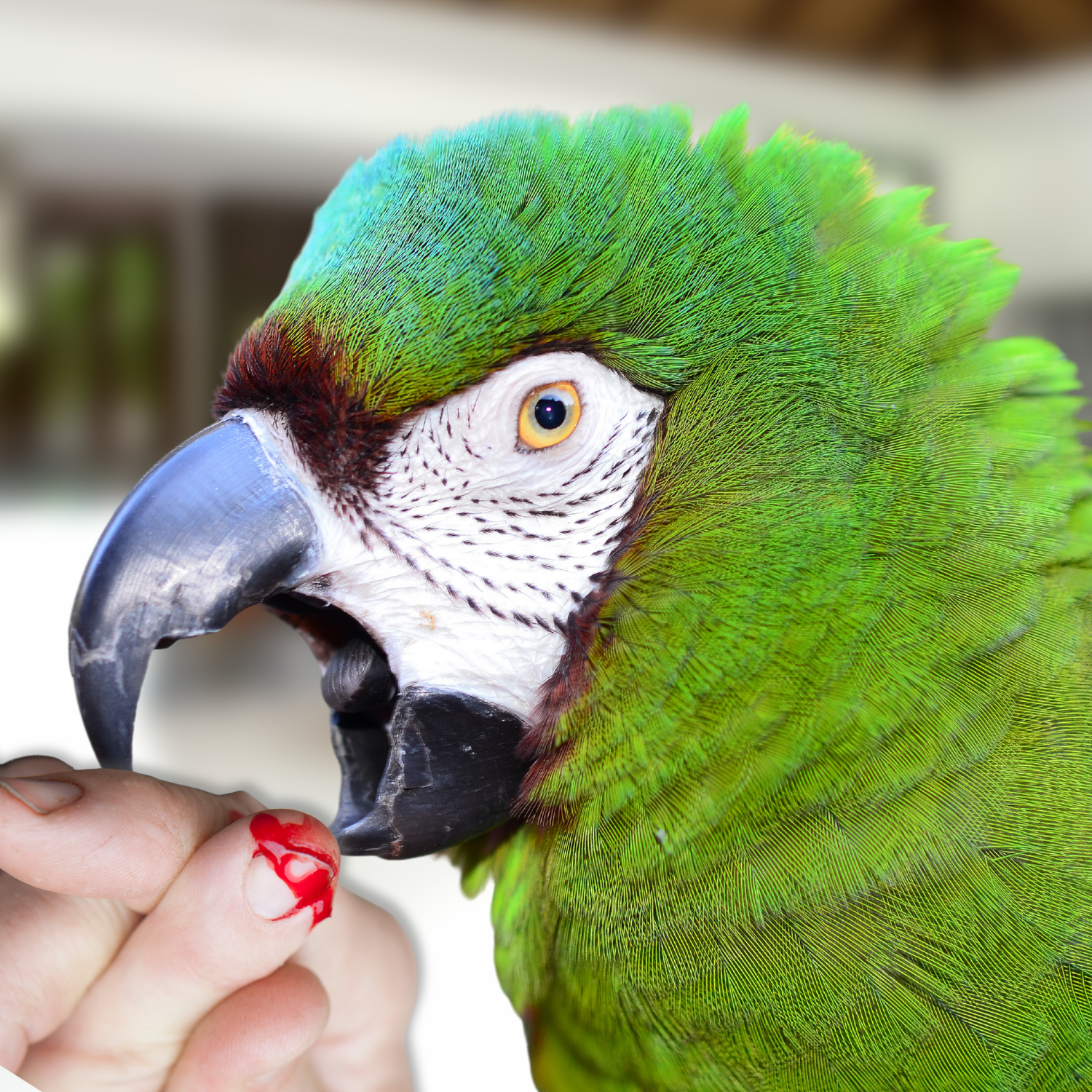
- Aggression: Birds may become intensely territorial, guarding their cage, a favorite person, or even specific objects. This can manifest as biting, lunging, and incessant screaming, making interactions difficult and potentially dangerous. This aggression can extend to other pets and family members, creating an unpredictable and stressful household environment.
- Over-Attachment and Obsessive Behaviors: A bird may become overly bonded to one person, exhibiting regurgitation, constant begging for attention, or severe anxiety when that person is out of sight. This intense focus can make it difficult for other family members to interact with the bird.
- Destructive Chewing: While normal for parrots, destructive chewing can escalate during hormonal periods, as birds seek to "prepare" nesting sites or simply channel heightened energy.
- Screaming: Persistent, loud vocalizations can be a desperate attempt to call a mate or signal distress, making it challenging to live with the bird.
Many bird owners, unknowingly encouraging hormonal behaviors through inappropriate petting or providing nesting opportunities, find themselves dealing with an unpredictable pet that suddenly lashes out. This creates a cycle of stress for both the bird and the household, often leading to frustration and, in unfortunate cases, rehoming. Prevention is truly the key to maintaining a balanced, stress-free relationship and protecting your bird’s long-term well-being. By proactively adjusting a bird’s environment, daily care, and setting clear boundaries, owners can shorten hormone season and help their sweet, affectionate companion return sooner.
Proactive Management: Environmental and Behavioral Strategies to Mitigate Hormonal Surges
Effective management of hormone season begins with implementing small, consistent changes in a bird’s daily routine and environment. Avian health experts consistently recommend a holistic approach, prioritizing environmental and behavioral modifications before considering medical interventions. These adjustments are designed to subtly signal to the bird’s body that it is not an opportune time for breeding, thereby reducing the intensity and duration of hormonal surges.
Optimizing Light Cycles and Sleep
One of the most powerful triggers for avian hormones is the photoperiod. In the wild, longer days signal the arrival of breeding season.
- DO: Provide 10-12 hours of uninterrupted darkness every night. This mimics the natural short-day photoperiod of non-breeding seasons, signaling to the bird’s endocrine system that reproductive activity should cease. A consistent sleep schedule helps regulate their natural circadian rhythm and hormone production.
- DON’T: Allow birds to stay up late or expose them to excessive artificial light. Even ambient light from televisions or lamps can disrupt their natural sleep cycles and extend their perceived "daylight," inadvertently fueling hormonal production.
Dietary Adjustments for Hormone Regulation
Diet plays a crucial role in signaling abundance, which directly impacts reproductive readiness. High-fat and high-protein diets can mimic a period of plentiful resources, encouraging breeding.
- DO: Feed a balanced diet primarily composed of high-quality pellets, supplemented with a wide variety of fresh vegetables. Controlled portions of fruits and nuts should be offered sparingly as treats, not staples. Focus on nutrient-dense, lower-fat options.
- DON’T: Overfeed high-fat or high-protein foods, which can inadvertently fuel hormonal activity. Foods like excessive nuts, seeds, or certain human foods can be problematic. Avoid feeding warm, soft, or mushy foods, which birds often associate with regurgitation for offspring.
Minimizing Nesting Triggers
Birds are instinctively driven to seek out and prepare nesting sites. Eliminating these opportunities can significantly reduce hormonal nesting behaviors.
- DO: Remove cozy hideouts such as snuggle huts, bird tents, dark corners under furniture, or enclosed spaces that a bird might perceive as a potential nest site. Keep the cage environment open and clear of materials that encourage burrowing.
- DON’T: Give birds access to nesting spaces or excessive shreddable materials that encourage breeding behavior. This includes allowing them to spend extended periods in dark closets or under blankets.
The Power of Positive Reinforcement Training
Training on cue is a vital tool for managing hormonal birds, as it provides a constructive outlet for their energy and strengthens the human-bird bond without reinforcing hormonal behaviors.
- DO: Teach a variety of active, trained behaviors using positive reinforcement. Focus on cues like "fly to perch," "target," "spin," "wave," or "fetch." These behaviors redirect a bird’s focus and energy in a positive way. When a bird is exhibiting hormonal behaviors, redirect them with a known cue and offer a generous reward (e.g., a favorite small treat, praise). This provides an alternative to engaging with unwanted behaviors.
- DON’T: Allow excessive shredding or nesting-like behaviors to go unchecked. Avoid asking a hormonal bird to "step up" if they are feeling territorial or overstimulated, as this can result in a bite. Instead, rely on non-contact cues.
- Petting Protocol: Limit petting to the head and feet only. Stroking a bird’s back, under its wings, or tail can trigger sexual responses and should be avoided.
- Enrichment: Provide new toys and puzzles regularly to keep their minds engaged. Boredom can exacerbate hormonal surges, leading to destructive or self-mutilating behaviors.
Diane Burroughs, LCSW, a licensed psychotherapist specializing in avian anxiety disorders, emphasizes that "Having a variety of active, trained behaviors gives you more ways to redirect your bird’s focus and prevent hormonal outbursts." Consistent training not only manages problem behaviors but also builds trust and a deeper bond, making life easier for both the bird and the owner.
| DO | DON’T |
|---|---|
| Provide 10-12 hours of uninterrupted darkness every night. | Let birds stay up late or expose them to excessive artificial light. |
| Keep a consistent daily routine (wake-up, meals, playtime, bedtime). | Allow unpredictable schedules that disrupt their natural rhythm. |
| Feed a balanced diet with pellets, fresh veggies, and controlled portions of fruit/nuts. | Overfeed high-fat or high-protein foods that fuel hormones. |
| Teach on cue foraging, training, and problem-solving to keep their mind engaged. | Allow excessive shredding or nesting-like behaviors. |
| Limit excessive petting (stick to head and feet only). | Stroke their back, under wings, or tail, which can trigger hormones. |
| Remove cozy hideouts (snuggle huts, dark corners, enclosed spaces). | Give access to nesting spaces that encourage breeding behavior. |
| Provide new toys and puzzles regularly. | Ignore enrichment, leading to boredom-driven hormonal surges. |
When Intervention is Necessary: Medical Approaches to Chronic Hormonal Issues
While environmental and behavioral modifications are the cornerstone of hormonal management, some birds experience chronic hormonal behavior that persists despite diligent home care. In these cases, medical intervention, often guided by an avian veterinarian, may become necessary, particularly when health or severe behavioral issues are at stake. Medication should generally not be the first step, but rather a consideration after other methods have been thoroughly attempted.
Signs that hormones are truly "out of control" and warrant veterinary consultation include:
- Aggression: Persistent lunging, biting, and territorial behaviors that pose a risk to household members.
- Chronic Egg-Laying: Frequent egg-laying that depletes calcium, leads to poor egg quality, and significantly increases the risk of egg binding or prolapse.
- Excessive Nesting Behavior: Obsessive guarding of spaces, tearing up bedding, or burrowing to the point of self-harm or environmental destruction.
- Over-Attachment: Regurgitating food or obsessing over a person, toy, or object to an unhealthy degree, leading to anxiety or distress when separated.
- Self-Mutilation: Feather plucking or other stress-related behaviors that result in physical harm.
Pharmacological Interventions: Lupron and Deslorelin
Two common medications used to manage hormonal behavior in birds are Lupron (Leuprolide Acetate) and Deslorelin implants. Both are GnRH (Gonadotropin-Releasing Hormone) agonists, which work by initially stimulating, then down-regulating and suppressing the bird’s natural reproductive hormones.
-
Lupron (Leuprolide Acetate):
- Mechanism: Administered via injection, Lupron mimics GnRH, initially causing a surge in luteinizing hormone (LH) and follicle-stimulating hormone (FSH), followed by a desensitization of the pituitary gland. This effectively shuts down the production of sex hormones (estrogen and testosterone).
- Application: Often used for acute, severe hormonal episodes, chronic egg-laying, or to manage aggression. Effects typically last for 2-6 weeks, requiring repeat injections.
- Considerations: It can be used diagnostically to see if behavior is hormone-driven. Side effects are generally minimal but can include temporary lethargy or appetite changes.
-
Deslorelin Implants:
- Mechanism: A slow-release implant (typically placed subcutaneously) that continuously delivers a GnRH agonist, leading to a sustained suppression of reproductive hormones.
- Application: Favored for long-term management of chronic hormonal issues, such as persistent chronic egg-laying, aggression, or self-mutilation. Effects can last for several months to over a year, depending on the dose and individual bird.
- Considerations: Offers a more convenient, longer-lasting solution than repeated injections. Requires a veterinary procedure for implantation and removal.
These medications are powerful tools but should only be used under the guidance of an experienced avian veterinarian, typically after environmental and behavioral modifications have been exhausted or when the bird’s health is at significant risk.
Surgical Solutions: Hysterectomy as a Last Resort
In extreme cases where chronic hormonal behaviors pose serious, life-threatening health risks, particularly for female birds, a veterinarian may recommend a hysterectomy (also known as salpingohysterectomy). This major surgical procedure involves the removal of the oviduct and, sometimes, the uterus, thereby preventing egg production and significantly reducing hormone-driven behaviors.

A hysterectomy may be deemed necessary for female birds suffering from:
- Intractable Chronic Egg-Laying: When medical management and environmental changes fail to stop life-threatening egg production.
- Recurrent Egg Binding: Repeated inability to pass eggs, leading to severe health complications.
- Severe Reproductive Infections or Tumors: Conditions that are unresponsive to medical treatment and threaten the bird’s life.
- Prolapse of the Oviduct: Chronic or severe cases that cannot be managed conservatively.
While it is a permanent solution that can dramatically improve a bird’s quality of life by eliminating reproductive health risks, it is an invasive procedure requiring a highly skilled avian veterinarian, careful pre-surgical evaluation, and meticulous post-operative care. It is always considered a last resort, undertaken only when all other less invasive management methods have failed and the bird’s life is at risk.
A Holistic Path Forward: Combining Strategies for Lasting Harmony
The most effective approach to managing hormonal behavior in birds is rarely a single strategy but rather a multi-layered combination of environmental management, positive reinforcement training, and, when necessary, medical intervention. Each component plays a critical role in supporting a bird’s physical and emotional well-being.
- Synergy of Approaches: A bird that continues to be exposed to hormonal triggers—such as excessive petting, readily available nesting materials, or extended daylight hours—will likely continue to struggle, even with medication. Similarly, medication alone, without addressing underlying environmental cues, often provides only temporary relief. By integrating all three strategies, owners create a comprehensive plan that tackles the issue from multiple angles.
- Leveraging Calm Periods with Training: When medication temporarily reduces hormone levels, it creates a crucial window of opportunity to reinforce positive behaviors through training. During these calmer periods, cues like "fly to perch," "target," or "spin" can be practiced and strengthened until they become second nature. When hormone levels naturally rise again, these well-established trained behaviors provide reliable ways to redirect excess energy without triggering frustration or aggression. This proactive training also emphasizes non-contact interactions, which are safer and more appropriate during hormonal episodes.
- Environmental Management as Foundation: Consistent environmental management ties everything together. Maintaining a strict 10-12 hour sleep schedule, limiting access to dark, enclosed spaces, and providing ample foraging and enrichment activities ensures that the bird has healthy outlets for its instincts and is not inadvertently stimulated into reproductive mode. These daily adjustments create a consistent, non-breeding signal to the bird’s physiology.
When medication, training, and environmental management are applied together, birds have the best chance of breaking out of chronic hormonal cycles. This integrated approach fosters a more balanced, engaged, and well-adjusted companion bird, ensuring a harmonious relationship for years to come.
Conclusion: Fostering Well-being Through Informed Care
Navigating the complexities of avian hormone season requires patience, understanding, and a commitment to proactive care. The journey from a sweet companion to a hormonal whirlwind can be challenging, but it is a natural biological process that, with the right strategies, can be effectively managed. By asking yourself, "Would I be willing to make a few changes for the health of my bird? To help my chronically hormonal bird experience normal hormone cycles?" you embark on a path toward a healthier, happier life for your feathered friend.
For birds experiencing chronic hormonal symptoms, owners must carefully weigh the pros and cons of various options:
- Strict environmental and behavioral modifications alone: The first and often most effective line of defense.
- Pharmacological intervention (e.g., Lupron, Deslorelin): When environmental changes are insufficient or health risks emerge.
- Surgical intervention (Hysterectomy): A last resort for severe, life-threatening reproductive conditions.
- A comprehensive, integrated approach: Combining all suitable strategies for optimal long-term success.
The key lies in informed decision-making and a willingness to adapt your care routine to meet your bird’s natural needs. By understanding the triggers, recognizing the signs, and implementing consistent management strategies, you can significantly reduce the drama of hormone season, ensuring your bird remains a cherished and well-adjusted member of your family.
No statements on this site have been evaluated by the Food and Drug Administration (FDA). My products are not intended to diagnose, treat, cure or prevent any disease. BirdSupplies.com, Inc. assumes no responsibility for the improper use of and self-diagnosis and/or treatment using these products.
Expert Insights and Further Resources
Diane Burroughs, LCSW, is a licensed psychotherapist trained in ABA therapy techniques, specializing in avian anxiety disorders and certified in Nutrition For Mental Health. She has authored several bird behavior books and offers behavior consultations. Diane has developed a range of UnRuffledRx Science-backed Parrot Wellness Supplies, which have been featured in the Journal of Avian Medicine and Surgery and at Exoticscon, a conference for exotic pet veterinarians. Her bird collars & supplements are stocked in avian vet clinics and bird stores throughout the US. With over 30 years in the field of behavior, Diane has created thousands of successful individualized behavior plans that help pets thrive.
Related Posts:
- How To Tell If Your Bird Is Hormonal
- What Causes Hormonal Behavior In Birds?
- How Do Hormonal Birds Present When Examined
- Getting Ready For Parrot Hormone Season
- Why Is My Bird Hiding Under Furniture
- 8 Foods That Increase Hormones In Birds
- 8 Foods To Feed A Bird To Balance Hormones
References:
- Mans, C., & Pilny, A. (2013). Use of GnRH-agonists for medical management of reproductive disorders in birds. Veterinary Clinics of North America: Exotic Animal Practice, 16(2), 293–307. https://doi.org/10.1016/j.cvex.2013.03.004
- Millam,JR, Roudybush, TE, Grasu, CR: Influence of environmental manipulation and nest box access on reproductive activity in captive cockatiels (Nymphicus hollandicus). Zoo Biol 7:25-34, 1988
- Millam, JR, Finney, HL.: Leuprolide acetate reversibly prevents egg laying in cockatiels (Nymphicus hollandicus). Zoo Biol 13:149-155, 1994
- Mitchell, MA. Leuprolide Acetate. Seminars in Avian and Exotic Pet Medicine, Vol 14, No 2 (April), 2005; pp 153-155.
- Vincent, M. (2023, September 15). How to control bird hormones. Bird Vet Melbourne. https://worksforbirds.com.au/how-to-control-bird-hormones/
TAGS: #BirdHormonalBehavior #BirdHormonalSeason #LupronForBirds
