



Effective dog training transcends simple command-and-response; it is a nuanced endeavor built upon a foundation of mutual understanding, consistent communication, and a profound appreciation for canine psychology and well-being. Far too often, human expectations clash with the inherent limitations of interspecies communication, leading to frustration for both pet and owner. Recognizing that animals cannot intuit our desires, a proactive and empathetic approach is paramount to fostering an environment where a dog is consistently set up for success. This comprehensive guide explores key principles and advanced strategies to optimize a dog’s training journey, ensuring not only compliance but also a stronger, more harmonious bond between canine and human.
The Evolution of Canine Training: A Historical Context
Historically, dog training methodologies have undergone significant transformations, mirroring advancements in our understanding of animal behavior and cognition. Early approaches, often rooted in military and working dog contexts, frequently employed dominance-based and aversive techniques, predicated on the belief that dogs needed to be "shown who’s boss." This paradigm, influenced by outdated wolf pack theories, emphasized physical corrections and intimidation to elicit obedience.
However, the latter half of the 20th century, particularly with the rise of ethology and behavioral science, brought about a paradigm shift. Researchers like B.F. Skinner’s work on operant conditioning and Ivan Pavlov’s classical conditioning laid the groundwork for more humane and scientifically validated methods. Pioneers in animal behavior began to advocate for positive reinforcement, recognizing that behaviors followed by positive outcomes are more likely to be repeated, while those followed by unpleasant ones are suppressed or avoided. This shift has been instrumental in promoting training methods that prioritize a dog’s emotional and physical well-being, fostering a learning environment built on trust and cooperation rather than fear. Today, leading veterinary organizations and professional training associations universally endorse positive reinforcement as the most effective and ethical approach for the vast majority of dogs, particularly companion animals in household settings.
Core Principles for Training Success
The journey to a well-trained dog is multifaceted, requiring dedication, patience, and an informed strategy. Several fundamental principles consistently emerge as critical for optimizing training outcomes.
1. Consistency and Precision in Reinforcement
The bedrock of effective training lies in consistent and precise reinforcement. Every dog possesses a unique motivational hierarchy; what one dog values as a high-reward, another might find indifferent. Understanding whether a dog is primarily motivated by high-value food treats, enthusiastic verbal praise, physical affection, or engaging playtime is crucial. Once identified, this primary reinforcer becomes the currency of learning.
Equally important is the timing of reinforcement. When a dog is learning a new command, reinforcement must be delivered almost instantaneously – ideally within one to three seconds – of the desired behavior. Delays can lead to confusion, as the dog may not associate the reward with the specific action it performed. For instance, if a dog sits, and the treat is delivered five seconds later, it might mistakenly associate the reward with standing up or looking at the owner, rather than the act of sitting. Tools like clickers or verbal markers (e.g., "Yes!") serve as "bridging signals," marking the exact moment of correct behavior, immediately followed by the primary reinforcer. As a dog progresses, the reinforcement schedule can gradually shift from continuous (rewarding every correct behavior) to intermittent (rewarding sporadically), which actually strengthens the behavior and makes it more resistant to extinction. Data from behavioral studies consistently show that immediate and consistent positive reinforcement significantly accelerates the learning curve and solidifies desired behaviors.
2. Strategic Practice Across Varied Environments
A common frustration for pet owners arises when a dog flawlessly executes commands in the quiet confines of home but appears oblivious in distracting environments like a busy park. This phenomenon highlights the concept of "generalization" in learning. Dogs do not automatically transfer skills learned in one context to another. To achieve true mastery and reliability, training must deliberately occur in multiple settings.
The key is to manage expectations and progressively increase the difficulty. Begin training new behaviors in a low-distraction environment. Once proficiency is achieved, gradually introduce mild distractions, always ensuring the dog can still succeed. For example, when teaching "recall," start in a fenced yard, then move to a quiet park on a long leash, slowly adding more stimuli like other people or distant dogs. Always ensure you have high-value rewards to maintain your dog’s focus. Initially, simply gaining your dog’s attention amidst distractions and rewarding that interaction is a significant step. This systematic process, known as "proofing," builds a dog’s confidence and ability to perform reliably regardless of environmental challenges, a critical factor for public safety and the dog’s overall freedom.
3. The Unwavering Power of Positive Reinforcement
Scientific evidence overwhelmingly supports positive reinforcement training as the most effective and humane method for the vast majority of dogs. This approach focuses on rewarding desired behaviors, thereby increasing the likelihood of their repetition. Research published in reputable journals, such as a study referenced by the National Institutes of Health, consistently demonstrates that positive reinforcement leads to faster learning, stronger retention, and a more positive emotional state in dogs compared to aversive methods.
In contrast, punishment-based techniques, which involve administering an unpleasant stimulus to decrease unwanted behavior, can induce fear, anxiety, and stress. These negative emotional states not only hinder learning but can also damage the human-animal bond, potentially leading to aggression or learned helplessness. Rather than punishing a dog for slow or inconsistent responses, owners are encouraged to critically evaluate their own training methodology: Are the expectations appropriate for the dog’s age and stage of learning? Is the command being delivered consistently? Is the reward sufficiently motivating? Is the behavior being properly "shaped" into smaller, achievable steps? A dog that associates training with positive experiences is eager to participate, fostering a resilient and joyful learner. Leading organizations like the American Veterinary Medical Association (AVMA) and the Association of Professional Dog Trainers (APDT) unequivocally advocate for positive, reward-based training.
4. Foundations in Behavioral Science: Operant and Classical Conditioning
A deeper understanding of the scientific principles underpinning dog behavior empowers owners to become more effective trainers. Behavioral science, particularly the concepts of operant and classical conditioning, forms the theoretical framework for almost all modern training techniques.
- Operant Conditioning: This involves learning through consequences. Behaviors are either strengthened (reinforced) or weakened (punished) by what follows them. Positive reinforcement (adding something desirable, like a treat, to increase a behavior) and negative punishment (removing something desirable, like attention, to decrease a behavior) are two key components endorsed by ethical trainers. Understanding these mechanisms allows owners to intentionally shape behaviors, from teaching a simple "sit" to complex tasks.
- Classical Conditioning: This involves learning through association. A neutral stimulus becomes associated with a naturally occurring response. For example, a dog learning to associate the sound of a clicker with a treat (clicker becomes a conditioned stimulus for anticipation of food). This principle is vital for creating positive associations with potentially stressful situations (e.g., vet visits) or for using verbal markers effectively.
Knowledge of these theories helps trainers understand why certain techniques work and how to apply them ethically and efficiently, moving beyond rote memorization of commands to a strategic and informed approach to behavioral modification.
5. Deciphering Canine Body Language: The Silent Dialogue
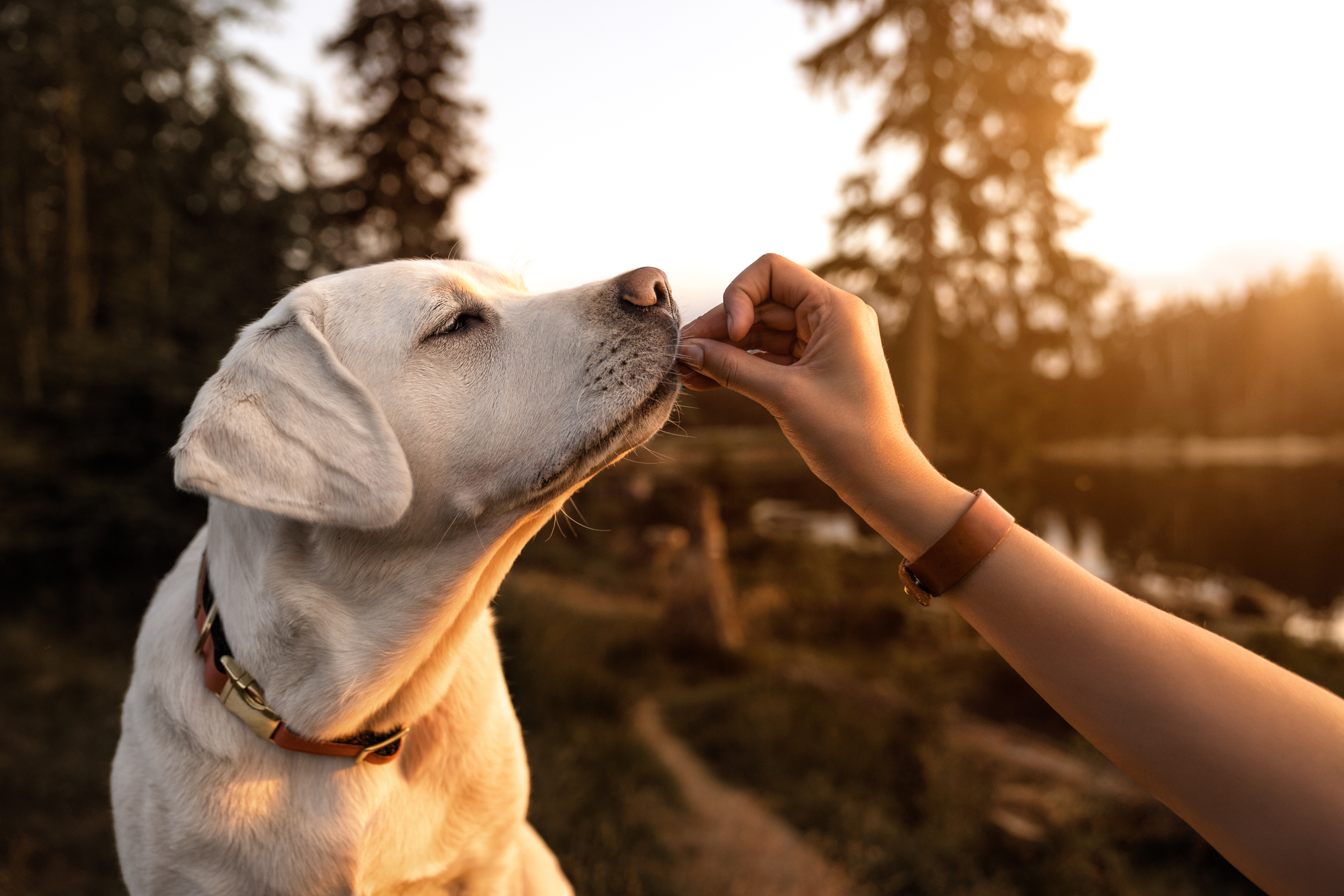
Dogs communicate volumes without uttering a single word, primarily through their intricate body language. The ability to accurately interpret these non-verbal cues is an indispensable skill for any dog owner, not only for training success but also for fostering a deep, empathetic bond. Dogs convey their emotional state through their eyes, ears, tail, overall body posture, and facial expressions.
- Eyes: Dilated pupils, a "whale eye" (white of the eye showing), or a hard stare can indicate stress, fear, or challenge. Soft, almond-shaped eyes often signal relaxation and receptiveness.
- Ears: Pinned back ears often suggest fear or submission, while forward, attentive ears indicate interest.
- Tail: The height and speed of a tail wag are crucial. A high, stiff wag can indicate arousal or potential aggression, while a relaxed, mid-level wag often signals contentment. A low, tucked tail is a clear sign of fear or anxiety.
- Body Posture: A low, crouching posture suggests fear or submission. A stiff, forward-leaning posture can indicate tension or warning. A relaxed, fluid posture is ideal.
- Mouth: Lip licking, yawning (out of context), or panting (when not hot) can be signs of stress.
By understanding these signals, owners can gauge their dog’s emotional state during training. Is the dog bored, distracted, anxious, or engaged? Recognizing signs of stress or disengagement allows the owner to adjust the session, take a break, or modify the approach, preventing frustration and promoting a positive learning experience. The American Kennel Club (AKC) provides extensive resources on interpreting canine body language, emphasizing its importance for both safety and effective communication.
6. The Golden Rule of Dog Training: Empathy and Respect
The principle of treating others as you would like to be treated extends seamlessly to our canine companions. When approaching dog training, consider the impact of your actions from your dog’s perspective. If a human makes a mistake at work, they would likely prefer constructive feedback and encouragement over yelling, visible frustration, or humiliation. Similarly, dogs thrive in an environment of understanding and positive reinforcement.
This empathetic approach means avoiding punitive methods, maintaining a calm demeanor, and celebrating small successes. It involves recognizing that a dog is doing its best with the information it has been given and the environment it is in. By treating dogs with respect, patience, and kindness, owners build a foundation of trust that makes them willing partners in the training process, rather than reluctant participants driven by fear. This ethical framework not only enhances training efficacy but also deepens the emotional connection between dog and owner, transforming training into a shared, enjoyable activity.
7. Strategic Session Management: Knowing When to Conclude
The effectiveness of a training session is not determined by its length but by its quality and the dog’s engagement. Prolonged sessions can quickly become unproductive if a dog becomes bored, distracted, tired, or overwhelmed. Recognizing the optimal stopping point is a critical skill for trainers.
Signs that a session should conclude include:
- Missing cues: The dog is no longer responding to commands it typically knows.
- Slowed responses: Reactions are noticeably delayed.
- Increased mistakes: The dog is making errors on previously mastered behaviors.
- Disengagement: The dog is looking away, sniffing excessively, or showing signs of stress (lip-licking, yawning, shaking off).
It is always best to end a training session on a positive note, with a behavior your dog has already mastered, followed by a high-value reward. This leaves the dog feeling successful and eager for the next session. Short, frequent training sessions (e.g., two to three 5-minute sessions per day) are often far more effective than a single, lengthy 30-minute session, as they align better with a dog’s natural attention span and reduce the likelihood of mental fatigue. This approach ensures consistent learning without overwhelming the dog.
8. Recognizing the Need for Professional Assistance
While many common training challenges can be addressed by informed owners, certain situations warrant the expertise of a professional. Knowing when to seek help is a sign of responsible pet ownership.
Professional intervention is particularly crucial for:
- Aggression: Any signs of growling, snapping, or biting towards humans or other animals require immediate professional assessment by a certified professional dog trainer (CPDT-KA, KPA-CTP) or a veterinary behaviorist (DACVB). Aggression is a serious behavioral issue that can escalate without proper management.
- Severe Anxiety or Fear: Dogs exhibiting separation anxiety, generalized anxiety, phobias, or extreme fear responses benefit from the guidance of a professional who can implement behavior modification protocols, often in conjunction with veterinary care or medication.
- Struggling with Key Concepts: If a dog is consistently failing to grasp crucial commands like reliable recall, leash manners, or house-training despite consistent effort, a professional can identify underlying issues, refine techniques, or offer alternative strategies.
- Complex Behavioral Issues: Behaviors such as compulsive disorders, resource guarding, or reactivity require specialized knowledge and experience.
A qualified professional can offer an objective perspective, identify subtle nuances in behavior or handler technique, and develop a tailored training plan. When selecting a professional, look for certifications from reputable organizations, inquire about their methods (always positive reinforcement), and seek references. Seeking help early can prevent minor issues from escalating into major problems, ensuring the dog’s welfare and the safety of the community.
9. Optimizing Internal Readiness: Health, Wellness, and Learning Receptivity
A dog’s physical and mental health profoundly impacts its ability to learn and perform. Just as humans struggle to concentrate when unwell, a dog suffering from chronic health issues will have diminished training success. One significant factor often overlooked is chronic inflammation. While acute inflammation is a natural healing response, persistent, low-grade inflammation can stem from various sources, including allergies, poor diet, environmental toxins, chronic stress, or conditions like Leaky Gut Syndrome.
Chronic inflammation can manifest as:
- Fatigue and Lethargy: Reducing energy levels needed for training.
- Brain Fog and Lack of Focus: Impairing cognitive function and attention.
- Anxiety and Behavioral Issues: Contributing to restlessness, reactivity, or reduced impulse control.
- Joint Pain: Making physical commands uncomfortable.
Addressing chronic inflammation can dramatically improve a dog’s receptiveness to learning. This involves a multi-pronged approach:
- High-Quality Nutrition: A species-appropriate, high-protein diet free from inflammatory ingredients such as artificial colors, flavors, preservatives, excessive fillers (corn, soy, wheat), and low-quality by-products is fundamental. Whole, unprocessed foods can significantly reduce inflammatory markers.
- Targeted Supplements:
- Omega-3 Fatty Acids (EPA & DHA): Found in fish oil, these are potent anti-inflammatory agents that support brain health, cognitive function, and joint mobility.
- Turmeric: Contains curcumin, a natural anti-inflammatory and antioxidant.
- Probiotics/Prebiotics: Support gut health, which is intrinsically linked to immune function and overall well-being (the gut-brain axis).
- Animal Blood Proteins: Some specialized supplements utilize animal blood proteins, which contain bioactive peptides that can modulate immune responses and reduce inflammation.
- Stress Reduction: A calm home environment, consistent routines, and adequate mental and physical exercise are crucial for reducing stress, a known contributor to inflammation.
- Veterinary Care: Regular check-ups and addressing underlying medical conditions are paramount.
By ensuring a dog is in optimal physical and mental health, owners create the best possible internal environment for learning, allowing their pet to focus, retain information, and respond with enthusiasm. This holistic perspective underscores that training is not merely about commands but about nurturing a healthy, happy, and well-adjusted companion.
In conclusion, achieving optimal dog training success is a rewarding journey that requires an integrated approach. It begins with the owner’s commitment to creating a supportive learning environment, understanding canine communication, and embracing scientifically-backed positive reinforcement methods. By being consistent with reinforcement, practicing in varied environments, and treating dogs with empathy, owners build a strong foundation of trust and understanding. Furthermore, recognizing the importance of optimal health, knowing when to strategically end training sessions, and not hesitating to seek professional help when needed, are all vital components. This holistic strategy not only facilitates the acquisition of desired behaviors but, more importantly, fosters a deeper, more enriching bond between humans and their beloved canine companions, ensuring a lifetime of shared joy and mutual respect.
