


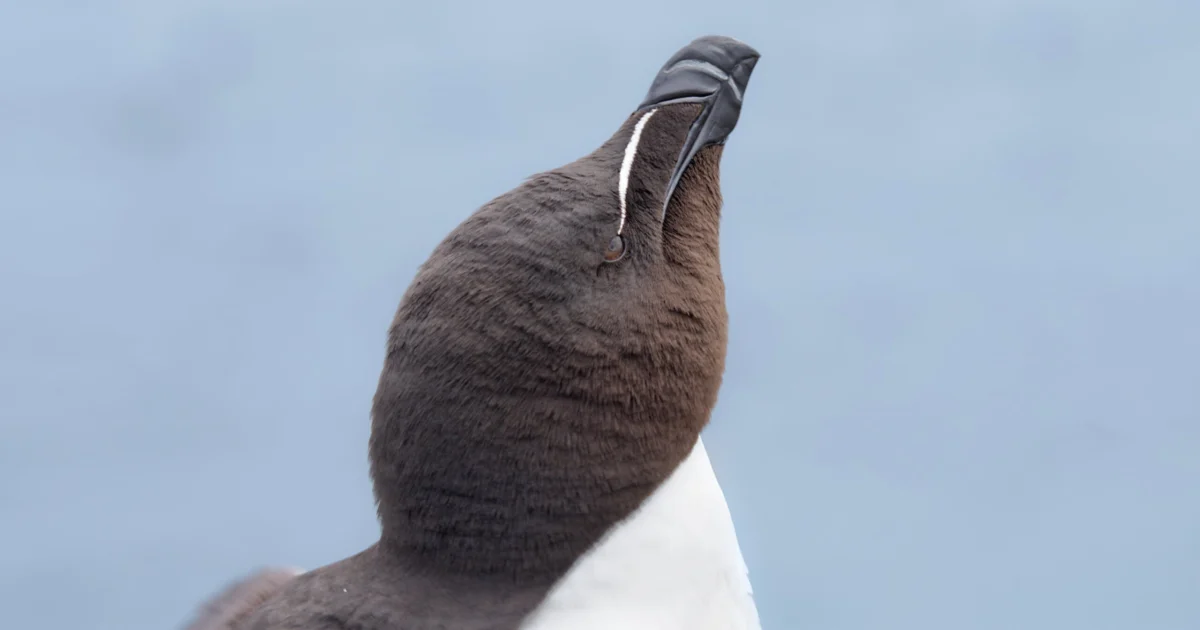
Bird photography stands as one of the most demanding and technically rigorous disciplines within the field of wildlife imaging, requiring a unique synthesis of biological understanding, mechanical precision, and immense psychological patience. Unlike landscape or studio portraiture, where the photographer often exerts control over the environment or the subject’s positioning, bird photography is defined by its unpredictability. The subjects are frequently in motion, often small, and inherently wary of human presence. To capture the grace, power, and intricate detail of avian life in its natural habitat, photographers must move beyond basic camera operation and adopt a sophisticated strategy that encompasses behavioral science, advanced optics, and real-time exposure management.
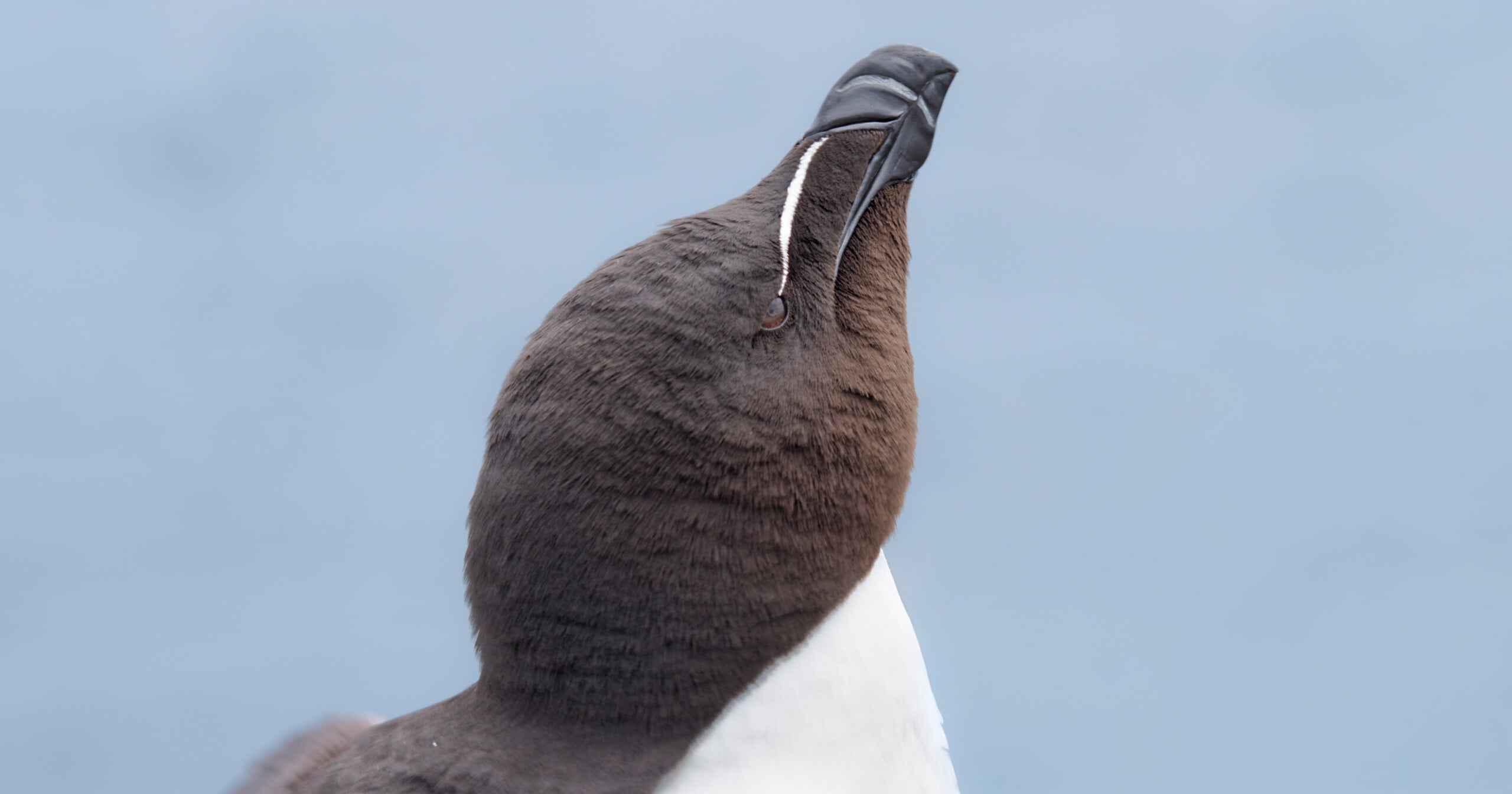
The genre has seen a significant surge in popularity over the last decade, particularly following the global pandemic, which saw a renewed interest in local biodiversity. According to data from the U.S. Fish and Wildlife Service, birdwatching and related activities contribute billions of dollars annually to the global economy, driving a parallel demand for high-end optical equipment and specialized photographic training. However, as the barrier to entry lowers due to technological advancements, the gap between a casual snapshot and a professional-grade wildlife portrait remains wide, defined by the photographer’s ability to navigate the fundamental challenges of the craft.
The Evolution of Field Technology and Subject Recognition
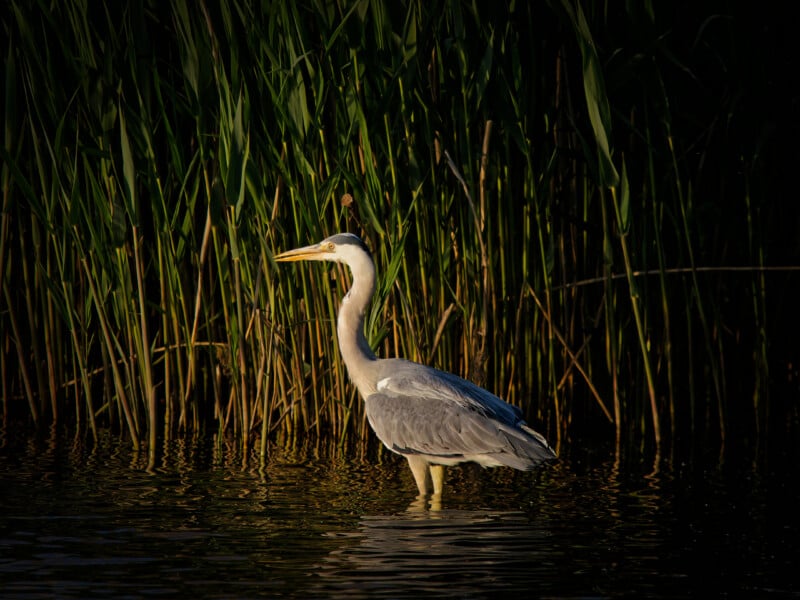
The primary obstacle in bird photography is the constant state of flux inherent to the subject. While certain species, such as the Grey Heron (Ardea cinerea), may remain motionless for extended periods while hunting in shallow reeds, the vast majority of birds are in a state of perpetual vigilance. Even when perched, birds frequently scan their environment for predators or mates, making the "bird on a stick" shot—a staple of the genre—far more difficult than it appears.
Technological leaps in the last five years have revolutionized how photographers approach these challenges. The transition from Digital Single-Lens Reflex (DSLR) cameras to mirrorless systems has introduced AI-driven subject recognition and eye-tracking autofocus. These systems use deep-learning algorithms to identify avian shapes and lock focus specifically on the bird’s eye, even when the subject is obscured by foliage or moving at high speeds. Despite these advancements, industry experts emphasize that technology is an aid, not a replacement, for fundamental skills. A photographer must still understand how to track a bird through a viewfinder—a task that becomes exponentially harder as the subject approaches the lens, often crossing the field of view in less than a second.
Strategic Field Craft and the Psychology of Avian Behavior
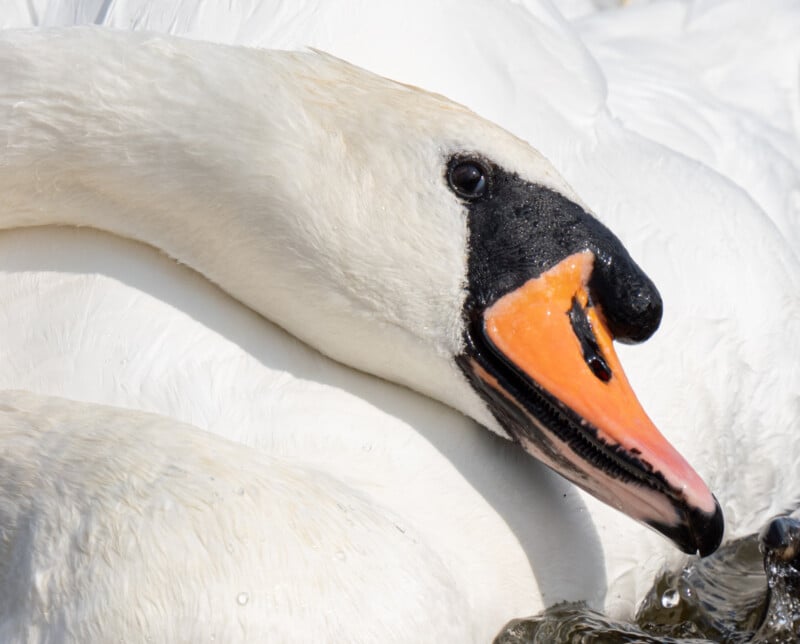
Success in the field often begins long before the shutter is pressed. Birds possess highly developed visual systems; many species can see into the ultraviolet spectrum and are acutely sensitive to motion and color contrast. Behavioral analysis suggests that bright or bold colors—such as stark whites, oranges, and reds—can signal danger or toxicity to many birds. Consequently, professional wildlife photographers prioritize muted tones and camouflage.
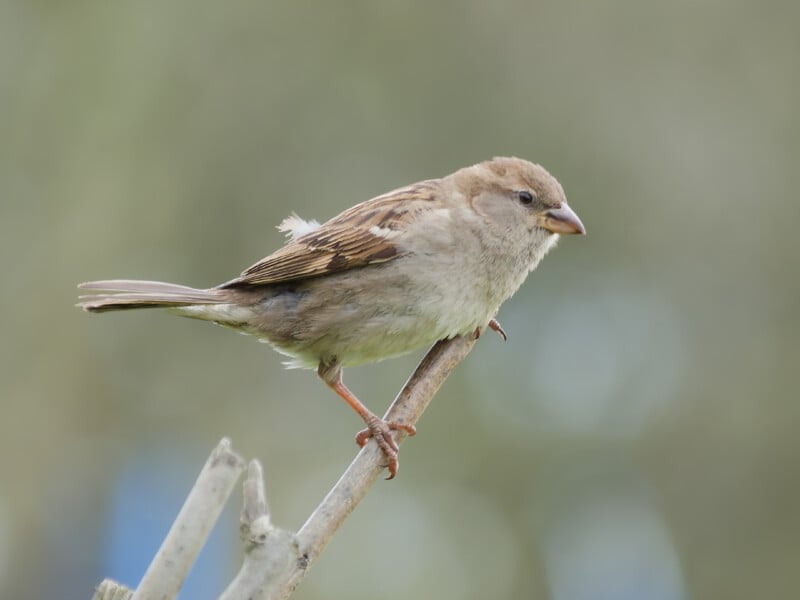
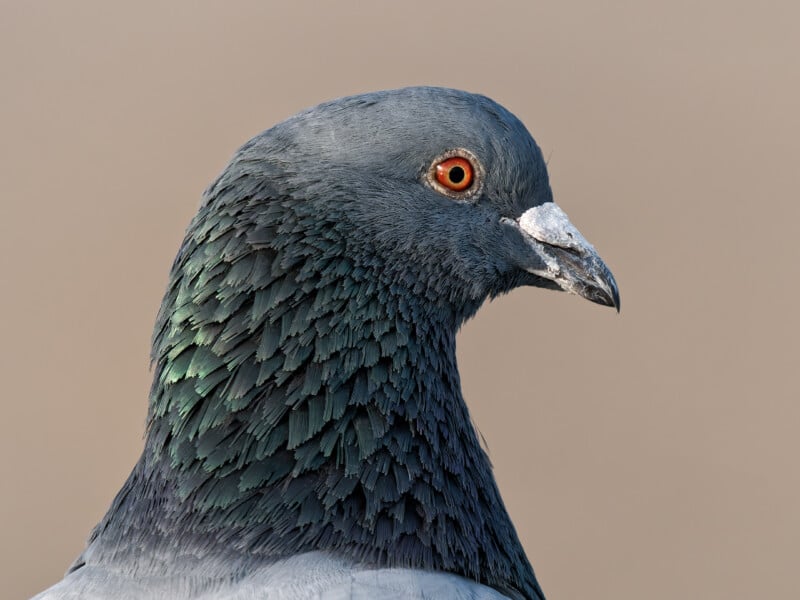
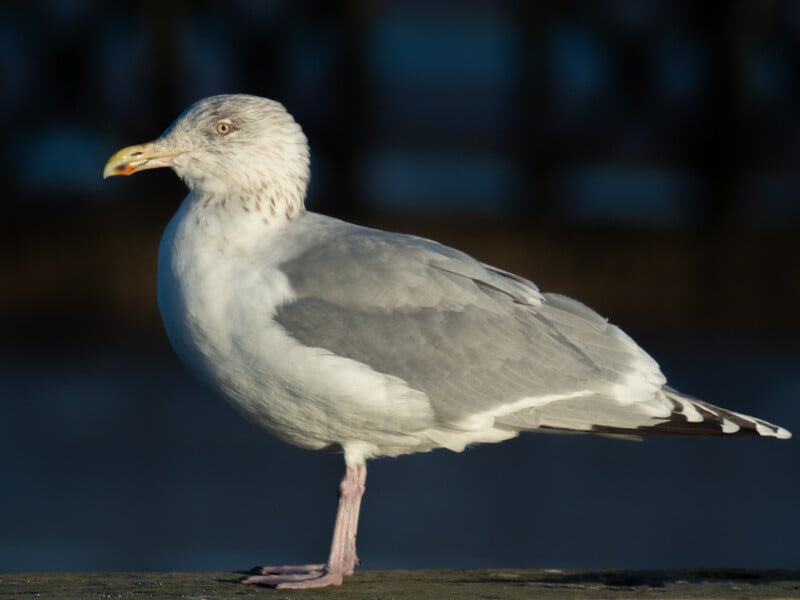
Beyond clothing, the "gaze" of the photographer plays a critical role. Many avian species interpret a direct, sustained stare as a predatory threat. Field reports indicate that photographers who avoid direct eye contact and move in tangential patterns rather than straight lines are often able to get significantly closer to their subjects. Furthermore, the "LBJ" (Little Brown Job) methodology is recommended for those honing their skills. By practicing on ubiquitous, urban-adapted species such as house sparrows, gulls, and pigeons, photographers can master the erratic movement patterns of birds in a low-stakes environment. These common species provide the necessary repetition to develop the muscle memory required for capturing rarer, more skittish subjects in the wild.
Optical Engineering and Sensor Dynamics
The choice of equipment in bird photography is dictated by the laws of physics and the requirements of "reach." The relationship between focal length and sensor size is a point of frequent technical debate. In the current market, three primary sensor formats dominate: Full Frame (35mm), APS-C (Crop), and Micro Four Thirds (MFT).
For a photographer using a Micro Four Thirds system, such as the OM-1 Mark II, a 400mm lens provides a field of view equivalent to an 800mm lens on a full-frame camera. This "crop factor" allows wildlife photographers to use smaller, lighter lenses while achieving the same magnification. To achieve an 800mm reach on a full-frame sensor, a photographer would typically require a lens that is significantly heavier and more expensive, often costing upwards of $12,000 for high-aperture "prime" variants. While full-frame sensors offer superior performance in low-light conditions and higher dynamic range, the portability of crop-sensor systems has made them increasingly popular for backcountry expeditions where weight is a limiting factor.
Regardless of the system, the consensus among professionals is to invest in the longest focal length and widest aperture feasible. High-quality glass not only provides the necessary magnification but also ensures faster communication between the lens and the camera’s autofocus motors, which is vital for birds in flight.
Advanced Autofocus Configuration and Tracking Sensitivity
Proper camera configuration is the differentiator between a "hit" and a "miss." Most modern cameras allow for the customization of autofocus (AF) tracking sensitivity, a feature that dictates how the camera responds when an object enters or leaves the frame.
- Low Tracking Sensitivity (-1 or -2): This setting is optimal for birds moving predictably or when the subject is partially obscured by branches or reeds. It prevents the AF system from "jumping" to a foreground element if a bird momentarily disappears behind a tree trunk.
- High Tracking Sensitivity (+1 or +2): This is essential for erratic, fast-moving subjects like swifts or terns. It allows the AF system to react instantly to sudden changes in distance or direction.
Furthermore, the use of "Back-Button Focus"—separating the focus trigger from the shutter release—allows photographers to maintain focus lock while waiting for the precise moment of action, such as a bird taking flight or catching prey.
Exposure Management in High-Contrast Environments
One of the most persistent technical hurdles is achieving correct exposure against a bright sky. When a bird is in flight, the camera’s internal light meter often calculates exposure based on the vast, bright background, resulting in a silhouetted subject with no visible detail.
To counteract this, photographers utilize exposure compensation, typically adding +0.3 to +1.3 EV (Exposure Value). This deliberate overexposure of the scene ensures that the bird’s plumage is rendered with accurate color and texture, even if the sky appears slightly "blown out." Additionally, managing depth of field is crucial. While a wide aperture (e.g., f/4) allows for faster shutter speeds, it creates a very thin plane of focus. At long focal lengths, a bird’s beak might be sharp while its wingtips are blurred. Closing the aperture slightly (to f/6.3 or f/8) increases the depth of field, providing a higher "hit rate" for sharp images, though this requires a corresponding increase in ISO to maintain a fast shutter speed.
The ISO-Noise Tradeoff and Post-Processing Trends
High shutter speeds—often 1/2000th of a second or faster—are non-negotiable for freezing the motion of small birds. Achieving these speeds in anything less than mid-day sun requires pushing the ISO sensitivity. While higher ISOs traditionally introduced "noise" or graininess that degraded image quality, modern sensor technology and AI-powered noise reduction software (such as Topaz Photo AI or Adobe Lightroom’s Denoise) have significantly mitigated this issue. Photographers can now confidently shoot at ISO 3200 or 6400, knowing that post-processing can recover a clean, professional image.
Ethical Implications and the Future of the Genre
As bird photography continues to grow, the ethical impact on wildlife has become a central point of discussion within the scientific community. Organizations like the National Audubon Society and BirdLife International have issued guidelines emphasizing that the welfare of the bird must always take precedence over the photograph. This includes avoiding the use of playback calls to lure birds, maintaining a respectful distance from nesting sites, and minimizing habitat disturbance.
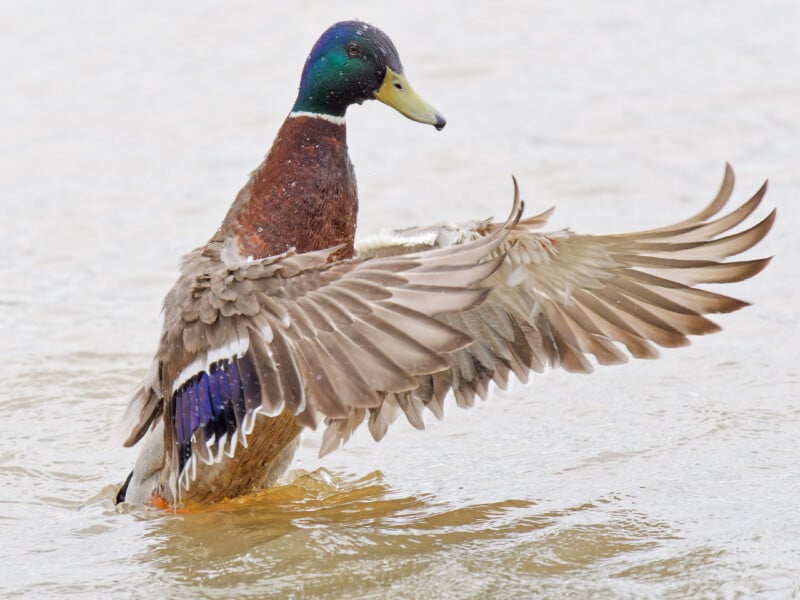
The future of bird photography lies in the integration of even more sophisticated computational photography. We are entering an era where cameras can predict flight paths and adjust focus preemptively. However, the core appeal of the genre remains unchanged: it is a pursuit that demands a deep connection with the natural world. For the dedicated practitioner, the journey is one of continuous improvement, where the ultimate reward is not just a high-resolution file, but a profound understanding of the complex lives of avian subjects. The next phase of this exploration will delve into advanced flight-path prediction and the specific ethical frameworks required for high-stakes conservation photography.
