


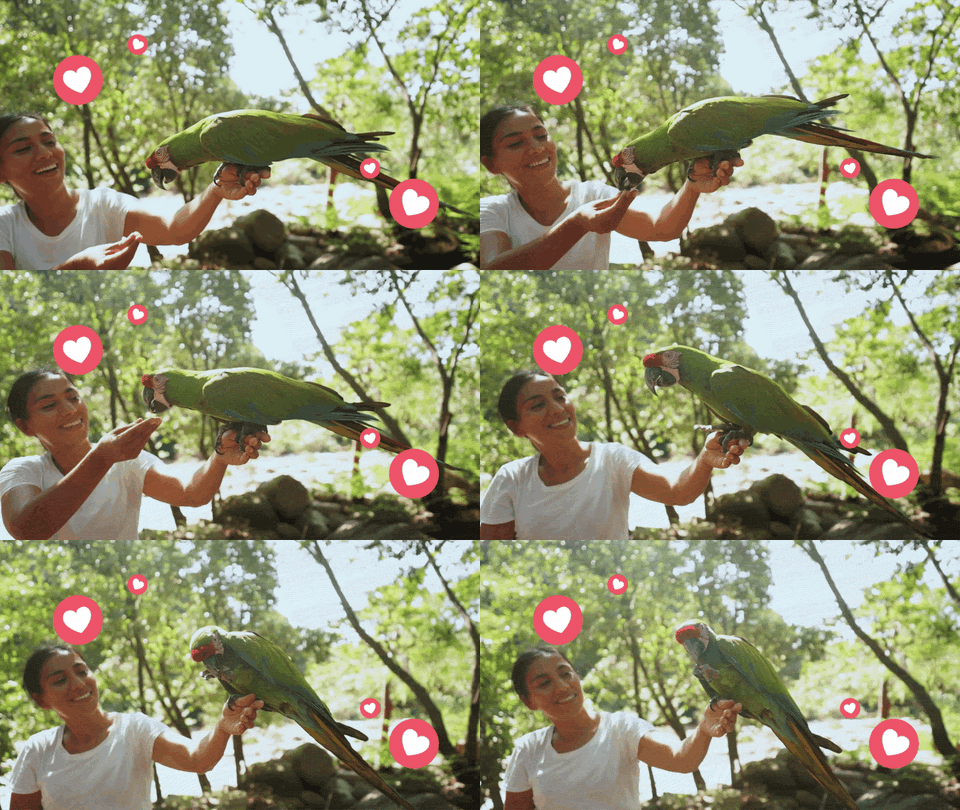
The seemingly simple act of a bird stepping onto a human hand or perch on command, universally known as the "step up," represents far more than a basic trick; it is a fundamental pillar of safety, communication, and mutual trust between a companion bird and its owner. For individuals sharing their lives with fully flighted avian companions, this singular behavior can profoundly dictate the rhythm of daily interactions, often determining the difference between a harmonious routine and a chaotic, potentially perilous struggle. Without this critical skill, a bird’s natural instinct to take flight can lead to frustrating and exhausting pursuits across various household surfaces, from curtain rods to cabinet tops, in a relentless game of chase. Beyond the inconvenience, the absence of a reliable "step up" poses significant safety risks. In moments of sudden alarm, an unforeseen emergency, or an immediate threat, the ability to calmly and effectively cue a bird to step up can be the decisive factor safeguarding its well-being and averting a potentially heartbreaking accident.
The Imperative of Avian Safety and Management
Living with a flighted bird introduces a unique set of management challenges within a human-centric environment. Unlike caged pets that are confined, a bird with full flight capability possesses the autonomy to navigate its surroundings, a freedom that, while enriching, also exposes it to numerous domestic hazards. Common household items such as hot stovetops, open windows, rapidly spinning ceiling fans, uncovered toilets, toxic houseplants, or even an unexpectedly opened front door can transform into immediate dangers. In these scenarios, the capacity to swiftly and calmly retrieve a bird is paramount. A bird that reliably steps up can be quickly moved away from danger, safely contained during an emergency evacuation, or prevented from escaping outdoors. Without this trained response, an owner might be forced to resort to less gentle, more stressful methods of retrieval, potentially damaging the bond and reinforcing fear.
The importance of the "step up" extends beyond emergency situations into routine care. Veterinary visits, nail trims, beak inspections, or administering medication all become significantly less stressful and more efficient when a bird can be cued to step onto a hand or a designated perch. This reduces anxiety for the bird, minimizes the risk of injury during handling, and facilitates a smoother, more positive experience for all involved. From a behavioral perspective, the "step up" serves as a foundational building block for more complex training, promoting cognitive engagement and reducing the likelihood of boredom-induced behavioral issues such as feather plucking or excessive screaming.
Evolution of Avian Training Philosophies
Historically, bird training often relied on dominance-based or coercive methods, sometimes involving physical restraint, wing clipping as a primary control measure, or even punishment for undesirable behaviors. These approaches, while sometimes achieving compliance, frequently came at the cost of the bird’s psychological well-being, fostering fear, anxiety, and a fractured relationship with its human caregivers.
The past few decades have witnessed a significant paradigm shift in animal training, driven by advancements in ethology, cognitive science, and applied behavior analysis (ABA). Modern avian training, championed by experts like Diane Burroughs, LCSW, firmly embraces force-free, positive reinforcement techniques. This methodology focuses on rewarding desired behaviors, thereby increasing their likelihood of repetition, rather than punishing unwanted ones. This approach is not merely gentler; it is scientifically proven to be more effective in the long term, promoting a deeper, trust-based bond between bird and owner. Positive reinforcement acknowledges birds as intelligent, sentient beings capable of learning through association and positive experiences, rather than fear or intimidation. The "step up" command, when taught through these humane methods, becomes an act of cooperation and confidence, reflecting the bird’s willingness to engage rather than its submission.
Why Bird Step-Up Training Matters: A Detailed Analysis
Consider a common household scenario: a sudden loud noise, perhaps children unexpectedly bursting through the front door, startles your parrot. In a flash, she takes flight, flapping wildly from her perch, ricocheting off the back of the couch, and landing confused and scared on the floor, beak open, wings spread in a defensive posture. In this moment of high stress, a bird that has not been trained to "step up" might bite, flee further, or become impossible to approach without causing more panic. However, an owner who has consistently practiced "step up" training can calmly kneel beside the bird, offering a hand or perch with the familiar, soothing verbal cue, "Step up." Because the bird recognizes the cue and associates it with positive outcomes, it willingly climbs onto the hand, allowing the owner to safely return it to its perch, averting a potential crisis.
This example underscores that teaching a bird to "step up" is far from a trivial parlor trick; it is a life-saving skill. It forms the bedrock of effective bird training, facilitating everything from routine daily handling to navigating unexpected emergencies or essential veterinary care. A bird that trusts its owner’s hands and understands the "step up" command is a more adaptable, less stressed, and ultimately, a safer companion. It enhances the bird’s quality of life by enabling greater interaction, safe exploration, and smoother transitions within its environment.
Understanding Avian Resistance: Why Your Bird Won’t Step Up (Yet)
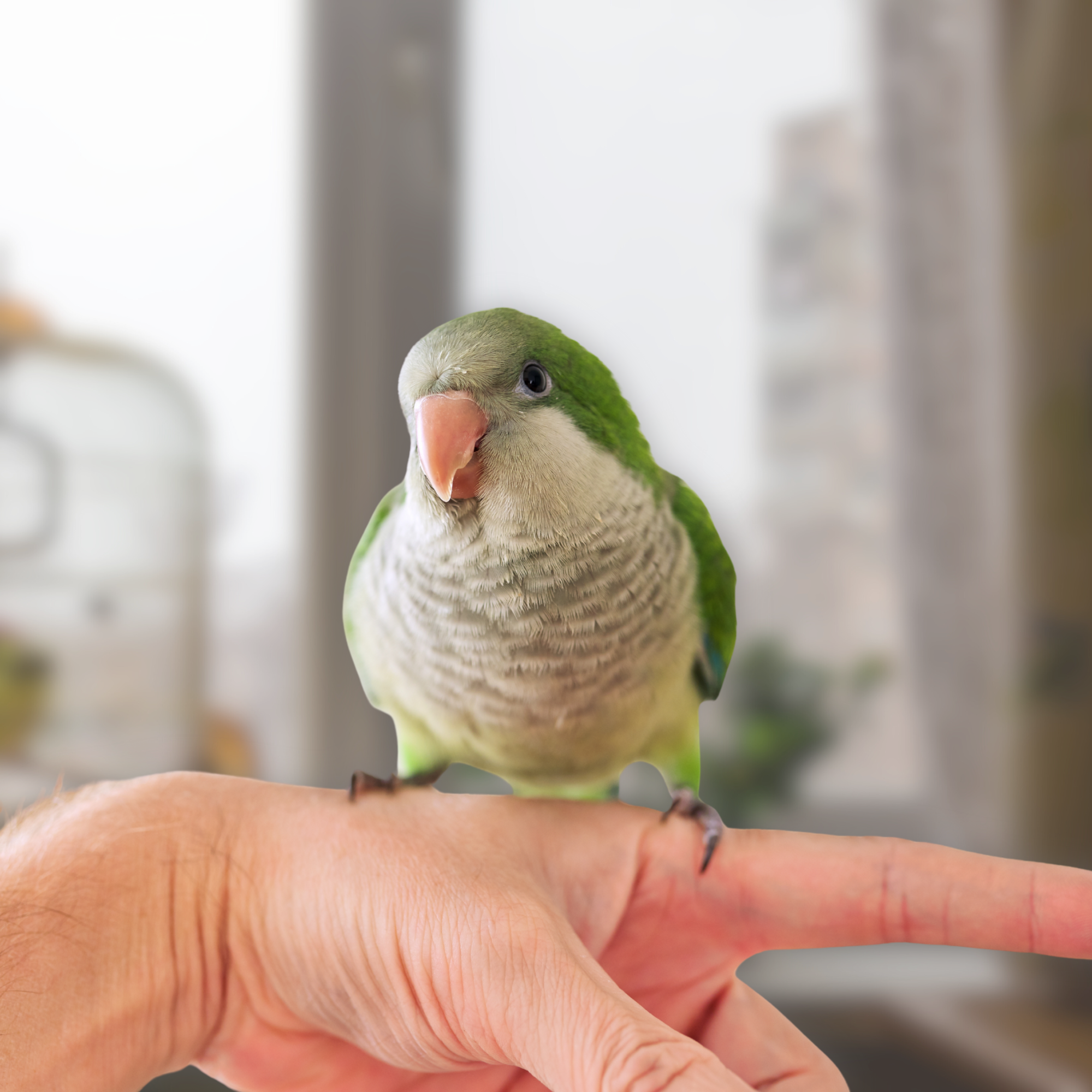
When a bird refuses to "step up," it’s rarely an act of deliberate defiance or "stubbornness." Instead, it almost invariably stems from underlying factors such as fear, confusion, physical discomfort, or a breakdown in communication. Addressing these root causes is crucial for successful training.
Common Reasons for Resistance:
- Past Trauma or Negative Associations: Birds possess excellent memories, particularly concerning negative experiences. If a bird has previously endured forced handling, aggressive grab-and-go tactics, or painful procedures while being restrained, it may develop a strong aversion to hands and human interaction. This trauma can manifest as fear, biting, or flight whenever a hand approaches. Counter-conditioning and desensitization are essential here.
- "Hands Feel Weird": From a bird’s perspective, a human finger or hand is fundamentally different from a natural perch. It moves, it can feel warm or cold, its texture is unfamiliar, and it might wobble. Birds rely on stable perches for security. If the hand feels unstable or alien, the bird may hesitate to transfer its weight.
- Unsteady Arm or Movement: Once a bird does step up, a sudden, jerky, or quick movement of the arm can startle it, causing it to lose trust and fly off. Consistency in movement and stability are key to maintaining the bird’s confidence.
- Weak Feet or Physical Limitations: Younger birds may have underdeveloped grip strength and balance. Elderly birds or those suffering from conditions like arthritis may experience pain or difficulty gripping firmly. For these birds, a thicker, more stable perch or a hand that provides more surface area might be necessary. Observing how a bird perches naturally can offer clues to potential physical issues.
- Using Ineffective or Inconsistent Training Methods: Birds are highly intelligent and quick learners, especially when training is clear, consistent, and positively reinforced. Methods that are confusing, inconsistent, too fast, or rely on punishment will hinder progress. A lack of a clear verbal or visual cue, or inconsistent reward delivery, can leave the bird unsure of what is being asked.
The Science of Positive Reinforcement for ‘Step Up’: Clear Cues, Calm Hands, and Consistent Practice
Effective "step up" training relies on a clear, consistent communication system based on positive reinforcement. This system integrates three primary tools: a verbal cue, a visual cue, and gentle physical pressure. These cues work synergistically to help the bird understand the desired action. The verbal cue signals the impending request, the visual cue directs the bird’s attention, and a soft nudge provides the tactile prompt to initiate movement. When these elements are consistently paired with a reward for successful execution, they become a seamless language understood by both bird and owner.
Phase 1: Building Foundational Trust and Desensitization
Before any expectation of a "step up," the paramount step is to establish trust and create positive associations with your hand. A bird will not willingly step onto a hand it perceives as a threat.
- Positive Associations: Begin by offering high-value treats (e.g., small pieces of almond, millet spray, favorite seeds) from your hand, without any pressure for interaction. The goal is for the bird to associate your hand with positive experiences.
- Proximity Training: Gradually reduce the distance between your hand and the bird. Start by holding a treat at a distance where the bird feels comfortable reaching for it. As the bird’s confidence grows, slowly move your hand closer, allowing it to take treats directly from your fingers.
- Observation: Pay close attention to your bird’s body language. Signs of comfort include relaxed feathers, blinking, and curiosity. Signs of discomfort or fear include flattened feathers, wide eyes, backing away, or hissing. Always respect these signals and back off if the bird shows signs of stress. If your bird is particularly fearful, start by using a stick or a neutral perch instead of your bare hand for initial interactions, gradually transitioning to your hand as trust develops.
Phase 2: Introducing the Core Command
Once your bird is comfortable taking treats from your hand and tolerates its presence nearby, you can begin to introduce the "step up" cue.
- Choose Your Cues: Select a simple, calm verbal cue, such as "step up," "up," or "come here." Pair this with a consistent visual cue: your hand, finger, or a preferred perch held just below the bird’s chest, slightly above its feet.
- Gentle Pressure: As you offer the verbal and visual cues, apply very gentle, upward pressure against the bird’s lower chest or belly. This is not a jab or a push, but a soft, consistent nudge designed to unbalance the bird slightly, prompting it to lift one foot to regain balance.
- Immediate Reinforcement: The moment your bird lifts even one foot onto your hand or perch, immediately mark the behavior with a clicker (if using one) or a verbal marker like "Good!" or "Yes!" and then offer a high-value treat. This immediate feedback helps the bird understand precisely which action earned the reward.
- Gradual Expectation: Initially, reward for just one foot stepping up. Once consistent, only reward when both feet are on your hand. Keep training sessions extremely short, no more than 5-10 minutes, and always end on a positive note.
Phase 3: Reinforcement and Generalization
Consistency and repetition are vital for solidifying the "step up" behavior.
- Consistent Practice: Practice the "step up" multiple times a day in short bursts. Regular, positive exposure reinforces the learned association.
- Varying Environments: Once the bird reliably steps up in a familiar, calm environment, begin to practice in different rooms, with different people, and from various perches or surfaces. This generalization ensures the bird understands the command applies in diverse contexts.
- Maintain Calm: Always approach your bird calmly and confidently. Your demeanor significantly influences your bird’s comfort level. Avoid sudden movements or loud noises during training.
Phase 4: Troubleshooting a Stubborn or Fearful Parrot
It’s crucial to reiterate that when a bird refuses to step up, bites, or flies off, it is almost never an act of "stubbornness" or malicious intent. These behaviors are almost always manifestations of fear, confusion, or miscommunication.

- Fear as the Root Cause: If your bird is displaying aggressive behaviors like biting or lunging, or consistently flying away, fear is likely the underlying issue. It might be a fear of hands, a fear of being trapped, or a general distrust.
- Confusion or Misunderstanding: The bird may simply not understand what you are asking. Perhaps the cues are inconsistent, the rewards are not motivating enough, or the training progression was too rapid.
- Physical Discomfort: As noted earlier, physical ailments can make stepping up painful or difficult. Consult an avian veterinarian if you suspect a health issue.
The Fix:
The solution to a resistant bird is almost always to back up. Revert to a step where your bird was comfortable and successful. For example, if your bird is biting when you try to offer your hand, go back to simply offering treats from your hand without any expectation of stepping up. Rebuild trust slowly.
- Reduce Pressure: If using your hand causes distress, try using a neutral perch or a target stick to guide the bird onto a perch first.
- Short, Positive Sessions: Keep all interactions light, rewarding, and entirely free of pressure. Even a brief moment of success, like your bird looking at your hand without fear, can be rewarded.
- Patience and Empathy: Building trust takes time, especially with birds that have negative past experiences. Consistency, understanding, and unwavering positive reinforcement will gradually lead to a confident, trusting bird.
Beyond the Basics: Step-Down, Laddering, and More
Once your bird has mastered the "step up," this foundational skill unlocks a plethora of other beneficial behaviors that enhance their physical and cognitive well-being.
- Step-Down: Teaching your bird to transition from your hand onto a designated perch or into its cage is equally important. Use similar positive reinforcement steps:
- Hold your hand (with the bird on it) above the desired perch or cage bar.
- Give a verbal cue like "step down" or "off."
- As the bird places one foot onto the new surface, click/mark and treat.
- Reward again when both feet are on the desired surface.
- Practice regularly to ensure smooth transitions and independence.
- Laddering: This exercise involves having your bird alternate stepping between your left hand and your right hand, moving upwards in a "ladder" fashion. This builds coordination, agility, stamina, and reinforces responsiveness to your cues. It’s an excellent way to keep your bird physically active and mentally engaged, with each step offering an opportunity for praise and a small reward.
- Enrichment Ideas: A bird that confidently steps up can be easily moved to explore new, safe environments within the home, participate in supervised outdoor adventures (with appropriate harness training), or engage with various enrichment stations. This freedom of movement, made possible by reliable handling, is crucial for preventing boredom and fostering a well-adjusted companion.
All these advanced behaviors and enrichment opportunities stem directly from a confident, reliable "bird step-up" cue.
Expert Perspectives and Responsible Pet Ownership
Experts in avian behavior, such as Diane Burroughs, LCSW, consistently emphasize that effective bird training is fundamentally about fostering a lifelong relationship built on mutual trust and clear communication. Diane’s approach, rooted in psychotherapy and Applied Behavior Analysis, highlights that understanding avian psychology and applying scientifically proven behavioral strategies are key to success. Avian veterinarians universally advocate for positive reinforcement training, recognizing its significant impact on a bird’s physical and mental health. A well-trained bird is less stressed during examinations, easier to medicate, and less prone to stress-related ailments.
Responsible pet ownership for companion birds includes the commitment to providing not just food and shelter, but also mental stimulation, social interaction, and safety training. The "step up" command is a critical component of this commitment. It empowers owners to manage their birds safely, promotes independence in birds by allowing them to explore safely, and significantly reduces the risk of accidental injury or escape. When a bird happily steps up on cue, it is a testament to the owner’s patience, consistency, and the bird’s confidence in its human companion, thereby enriching its world and ensuring a safer, more integrated life within the family.
Conclusion
The journey of bird training is one of dedication, understanding, and profound reward. While the concept of a bird stepping onto a hand might seem elementary, its mastery forms the bedrock of a fulfilling and safe coexistence. Knowing that your bird requires clear communication and trust is the first step; actively implementing the training and reaping its immense benefits is the transformative experience. By embracing positive reinforcement, understanding avian behavior, and committing to consistent, patient practice, bird owners can build an unbreakable bond with their feathered companions. This bond, forged through trust and clear communication, ensures that the bird’s world becomes safer, more stimulating, and ultimately, far more enriching, allowing both bird and human to thrive together. The "step up" is not just a command; it is a key to a lifetime of positive interactions and a testament to a deep, mutual understanding.
