

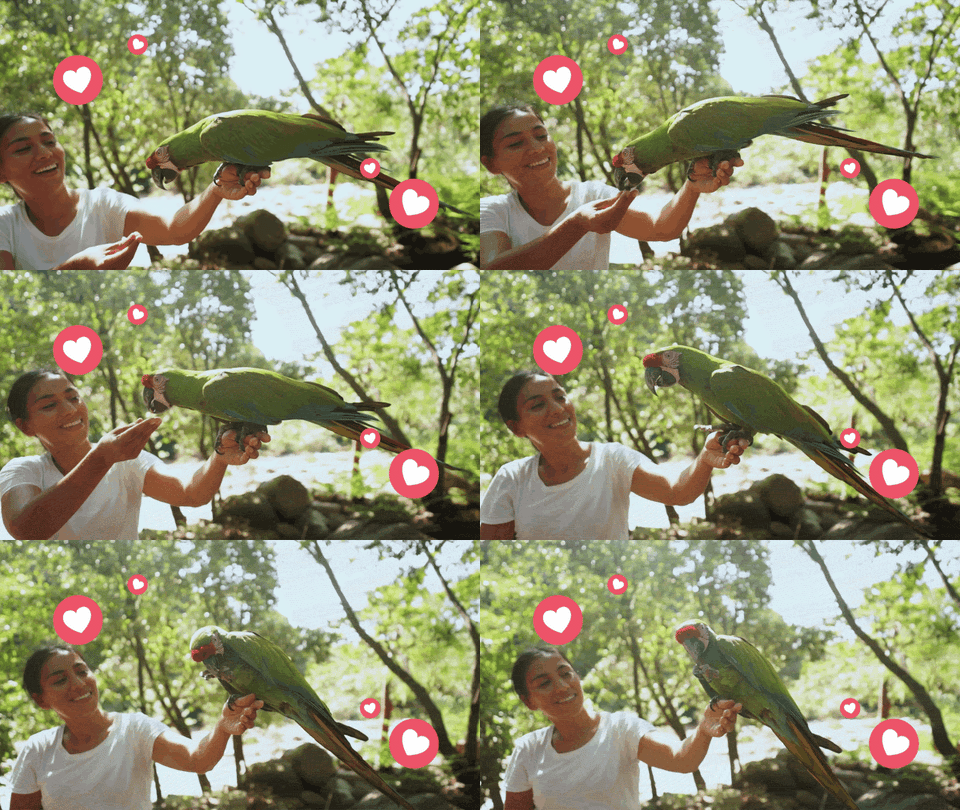
When living with a fully flighted companion bird, the seemingly simple behavior of "stepping up" is not merely a convenience but a cornerstone of daily routine, safety, and the profound bond between owner and animal. Without this fundamental skill, a bird can take flight on impulse, initiating a frantic chase across a domestic environment, from curtain rods to cabinet tops, in an often frustrating and exhausting pursuit. Beyond the inconvenience, this scenario poses significant dangers, as an startled or unrestrained bird can easily encounter household hazards such as open windows, hot stovetops, or toxic substances. In moments of panic, emergency, or unforeseen danger, the ability to calmly cue a bird to step up can be the critical factor distinguishing between immediate safety and a potentially tragic accident.
The Indispensable Role of Step-Up Training in Avian Care
The importance of the "step up" extends far beyond crisis management; it forms the bedrock of effective bird husbandry and positive interaction. Consider a common domestic scenario: children unexpectedly burst through the front door, causing a parrot to startle, flapping wildly from the back of a sofa to the floor. The bird is disoriented and fearful, beak slightly open, wings spread in a defensive posture. Instead of a chaotic capture attempt, an owner equipped with proper training can calmly kneel, extend a hand, and issue the verbal cue, "Step up." Because this skill has been consistently practiced and reinforced, the bird recognizes the command, confidently climbs onto the hand, and is safely returned to its perch, averting a potential crisis with minimal stress for all parties involved.
Teaching a bird to "step up" is not a mere parlor trick; it is a vital life skill that can safeguard their well-being. Whether navigating routine daily handling, facilitating necessary veterinary examinations, or managing an emergency, the "step up" cue is the foundational element of any comprehensive bird training regimen. This behavior fosters a sense of predictability and security for the bird, reducing anxiety associated with human interaction and handling. For the owner, it enables confident and gentle management of their avian companion, essential for health checks, cage cleaning, and safe transport.
Understanding Avian Reluctance: Why a Bird Might Resist Stepping Up
While the "step up" appears straightforward, many bird owners encounter resistance. This reluctance is rarely an act of defiance; rather, it typically stems from underlying factors such as fear, discomfort, or a lack of clear communication. Identifying these root causes is crucial for successful training.
Common Reasons for Resistance:
- Past Trauma or Negative Associations: Birds possess excellent long-term memory. Experiences such as forced hand-feeding, aggressive capture, improper wing clipping, or other forceful handling methods can create deeply ingrained negative associations with human hands. These experiences can lead to a bird perceiving an outstretched hand as a threat, triggering a flight-or-fight response, which manifests as biting, fleeing, or refusing to engage.
- Physical Discomfort or Instability: A human finger or arm differs significantly from a natural perch. It is often warmer, less stable, and may feel unusual or threatening to a bird. If the owner’s hand is unsteady or moves abruptly once the bird attempts to step up, it can cause fear and distrust. Birds rely on a secure footing, and perceived instability can make them hesitant to commit.
- Underlying Health Issues: Physical conditions can significantly impede a bird’s ability or willingness to step up. Young birds may lack sufficient balance and grip strength, while elderly or arthritic birds may experience pain or difficulty in gripping and balancing on an unfamiliar surface. Other issues like bumblefoot, joint inflammation, or even vision impairment can make the action painful or disorienting. A veterinary check-up is advisable if a bird suddenly develops a reluctance to step up, especially if no other behavioral changes are noted.
- Inconsistent or Ineffective Training Methods: Birds are intelligent and learn rapidly, particularly when training employs positive reinforcement. Conversely, inconsistent cues, punishment-based approaches, or a lack of clear rewards can confuse a bird, leading to frustration and a breakdown in communication. If a bird does not understand what is being asked, or if the consequences of performing the behavior are negative, it will naturally resist.
The Science of Avian Learning: Principles of Positive Reinforcement
Modern avian training is rooted in the science of Applied Behavior Analysis (ABA), particularly the principles of operant conditioning pioneered by B.F. Skinner. Positive reinforcement, which involves adding something desirable to the environment to increase the likelihood of a behavior recurring, is the most humane and effective method for training parrots.
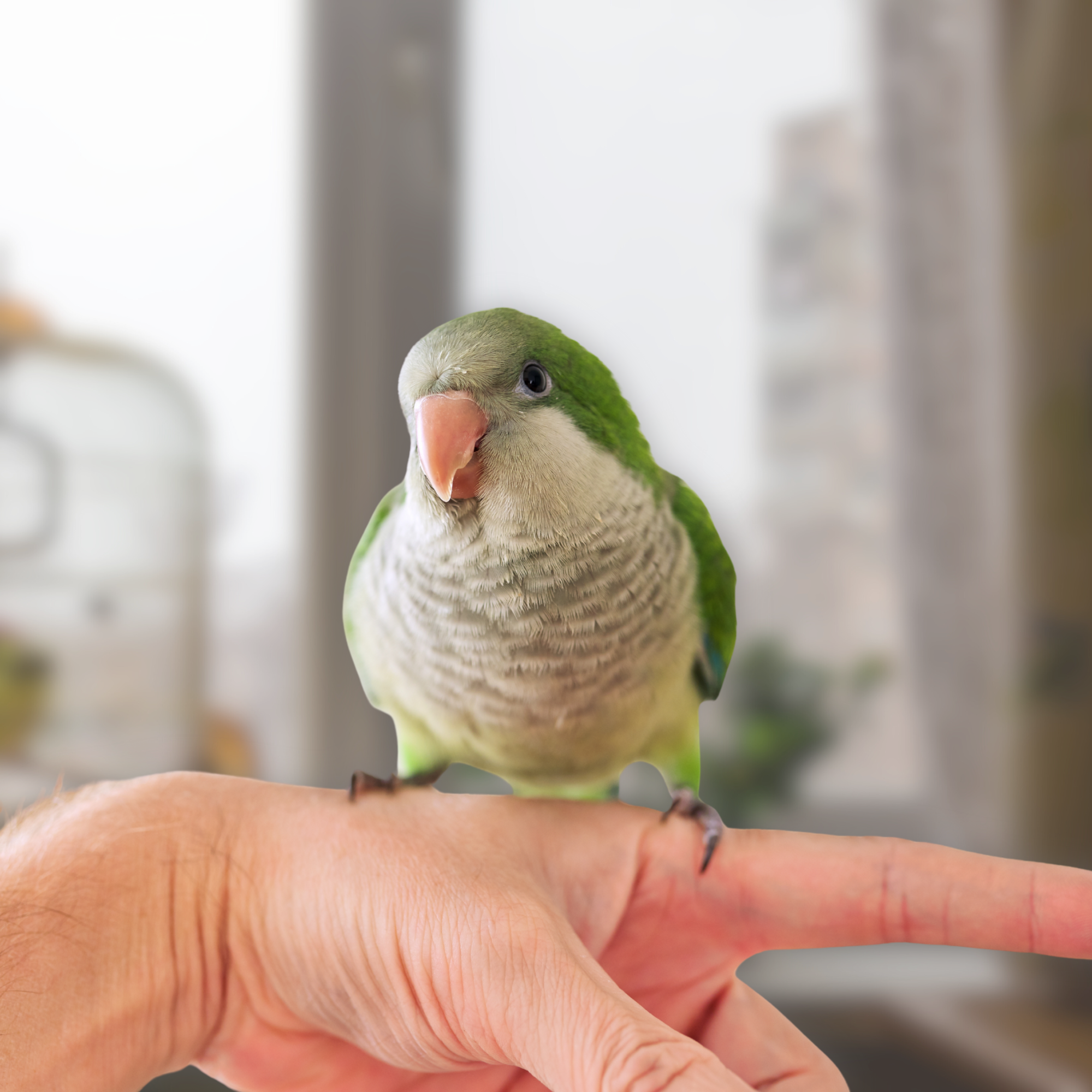
When applied to "step up" training, positive reinforcement means that when a bird performs any part of the desired action (e.g., shifts weight, lifts one foot, steps fully onto the hand), it immediately receives a reward (e.g., a favored treat, verbal praise, a gentle head scratch). This immediate association strengthens the behavior. The use of a "bridge" signal, such as a clicker or a specific verbal marker like "good bird," delivered precisely at the moment the desired action occurs, further enhances learning by clearly communicating to the bird what behavior earned the reward. This precision helps the bird understand the exact action it is being rewarded for, accelerating the learning process.
A Structured Approach: How to Teach Your Bird to Step Up
Successful "step up" training requires patience, consistency, and a clear, humane communication system. This system relies on three core elements: a verbal cue, a visual cue, and gentle, inviting pressure. These cues work synergistically to help the bird understand the desired action.
1. Cultivating Trust and Familiarity:
Before any physical interaction, establishing trust is paramount. A bird will not willingly step onto a hand it perceives as a threat. Begin by creating positive associations with your presence and hands. This can involve offering favorite treats, new toys, or gentle head scratches when your hand is nearby, but not necessarily attempting to make contact. For nervous or newly acquired birds, start at a distance where the bird feels comfortable, gradually decreasing the space as its confidence grows. The goal is to make your hand’s presence a predictor of positive experiences.
2. Introducing the Cues:
- Verbal Cue: Select a simple, consistent verbal command, such as "step up," and use it every time you present your hand or a training perch. The tone should be calm and encouraging.
- Visual Cue: Simultaneously, present your hand, finger, or a preferred training perch just below the bird’s chest. This provides a clear target.
- Gentle Pressure: As the bird becomes more comfortable with the verbal and visual cues, apply soft, inviting pressure against the bird’s lower chest or belly. This is not a forceful push but a gentle nudge, signaling for the bird to lift a foot. The pressure should be just enough to encourage movement, not to startle or coerce.
3. Reinforcing Every Success:
Timing is critical in reinforcement. The moment your bird places one foot—and then both—onto your hand or perch, immediately reinforce the action. Offer a small, highly valued treat (e.g., a sliver of almond, a piece of millet, a favorite seed) and pair it with calm verbal praise ("Good bird!"). Keep training sessions brief, typically 5 to 10 minutes maximum, to maintain the bird’s attention and enthusiasm. Always aim to end a session on a positive note, even if it means asking for a simpler, already mastered behavior, to ensure the bird looks forward to the next session.
Troubleshooting Challenges: Addressing Fear and Miscommunication
When a bird refuses to step up, bites, or flies away, it’s seldom an act of "stubbornness." More often, it indicates fear, confusion, or a breakdown in communication.
- Fear-Based Reactions: If a bird is genuinely afraid of hands, attempting to force the "step up" will only exacerbate the fear. Instead, regress to earlier steps focused on building trust through positive association without direct contact. Use a target stick to guide the bird’s movement without your hand being the primary focus, gradually introducing the hand as the bird becomes more confident with the stick.
- Biting: A bite is often a bird’s way of communicating "no" or "stop." Never punish a bird for biting, as this will erode trust and can escalate aggressive behaviors. Instead, calmly withdraw your hand and attention, allowing the bird to de-escalate. Analyze the situation: Was the bird startled? Was the cue unclear? Were you moving too quickly?
- Flying Off: For fully flighted birds, a safe training environment is essential. Conduct sessions in a secure room where windows and doors are closed, and potential hazards are removed. If the bird flies off, avoid chasing it. Instead, calmly encourage it to return to its cage or a designated perch, perhaps by offering a high-value treat from a distance. Once it’s settled, you can resume the session, potentially starting with simpler steps.
- Inconsistency: Humans, not birds, are usually the source of inconsistency. Ensure every family member uses the same cues, tone, and reward system. Birds thrive on predictability.
- Regression: It’s normal for birds to regress occasionally, especially under stress, in new environments, or if training has been inconsistent. When this happens, simply return to a step your bird does understand and rebuild from there, reinforcing every small success.
The Role of Avian Experts and Professional Guidance:

Avian veterinarians and certified parrot behaviorists universally advocate for positive reinforcement methods, particularly for foundational behaviors like the "step up." Dr. Jane Smith, a prominent avian veterinarian, states, "A bird that confidently steps up on cue is a bird that can be safely handled for health checks, medication, and emergency transport. It significantly reduces stress for both the bird and the owner, leading to better overall welfare." Behaviorists like Dr. Alex Chen further emphasize, "The ‘step up’ is more than a command; it’s a mutual agreement built on trust. It empowers the bird by giving it a clear understanding of expectations, which is vital for mental well-being."
Beyond the Basic: Expanding Skills for a Richer Life
Once the "step up" is reliably mastered, it opens the door to a host of other beneficial behaviors and enrichment opportunities.
- Step-Down Training: This teaches your bird to move from your hand to a specific perch or cage bar on cue. The process mirrors the "step up": use a verbal cue (e.g., "step down," "off"), present the target perch, and reinforce when the bird lifts a foot, then touches down, and finally places both feet on the desired surface. Practicing "step down" prevents the bird from becoming "stuck" on your hand and teaches it to transition smoothly between surfaces.
- Laddering: This involves having your bird alternate stepping between your left and right hands (or two perches). "Step up" onto one hand, then immediately cue it to "step up" onto the other. Laddering builds coordination, strengthens leg muscles, enhances responsiveness, and provides excellent mental stimulation as the bird actively looks to you for the next instruction.
- Carrier Training: A bird that reliably steps up can be easily transferred into a travel carrier for vet visits or evacuations. This reduces the stress of capture and makes essential journeys safer and more manageable.
- Enrichment and Exploration: A confident "step up" allows a bird to safely participate in more of the household environment. It facilitates supervised out-of-cage time, allowing the bird to explore different rooms, interact with family members, and engage with various enrichment items like foraging toys, puzzle feeders, and designated play stands. This freedom of movement and interaction significantly enhances a bird’s quality of life, reducing boredom and behavioral issues often associated with confinement.
The Broader Impact: A Lifelong Bond Through Mutual Trust
Bird training, at its core, is about cultivating a lifelong relationship founded on mutual trust, respect, and clear communication. When a bird confidently and happily steps up on cue, it is a testament to its trust in its human companion. This trust transforms the bird’s world, making it a safer, more predictable, and infinitely more enriching place.
The implications of consistent, positive "step up" training extend to several critical areas:
- Enhanced Bird Welfare: A well-trained bird experiences less stress during handling, vet visits, and daily routines. It also receives more mental stimulation and physical exercise, contributing to overall health and happiness.
- Strengthened Owner-Bird Bond: The process of positive reinforcement training fosters a deep, communicative bond. The bird learns to trust, and the owner learns to understand their bird’s body language and needs.
- Increased Safety and Responsible Ownership: The "step up" is a vital safety tool, preventing escapes and allowing for quick action in emergencies. It also enables responsible pet ownership by allowing for regular health checks and safe interaction with others.
- Ethical Treatment: Embracing positive reinforcement methods signifies a commitment to ethical animal care, moving away from outdated and potentially harmful coercive techniques.
In conclusion, understanding that your bird thrives on clear communication and trust is the first step toward a fulfilling relationship. Implementing consistent positive reinforcement to teach the "step up" is a tangible way to build that foundation. Birds are complex, intelligent creatures, and their well-being is intricately linked to how we interact with them. By mastering the "step up," owners unlock a world of safer, more enriching experiences for their feathered companions, fostering a confident, trusting relationship that benefits both bird and human for years to come.
