


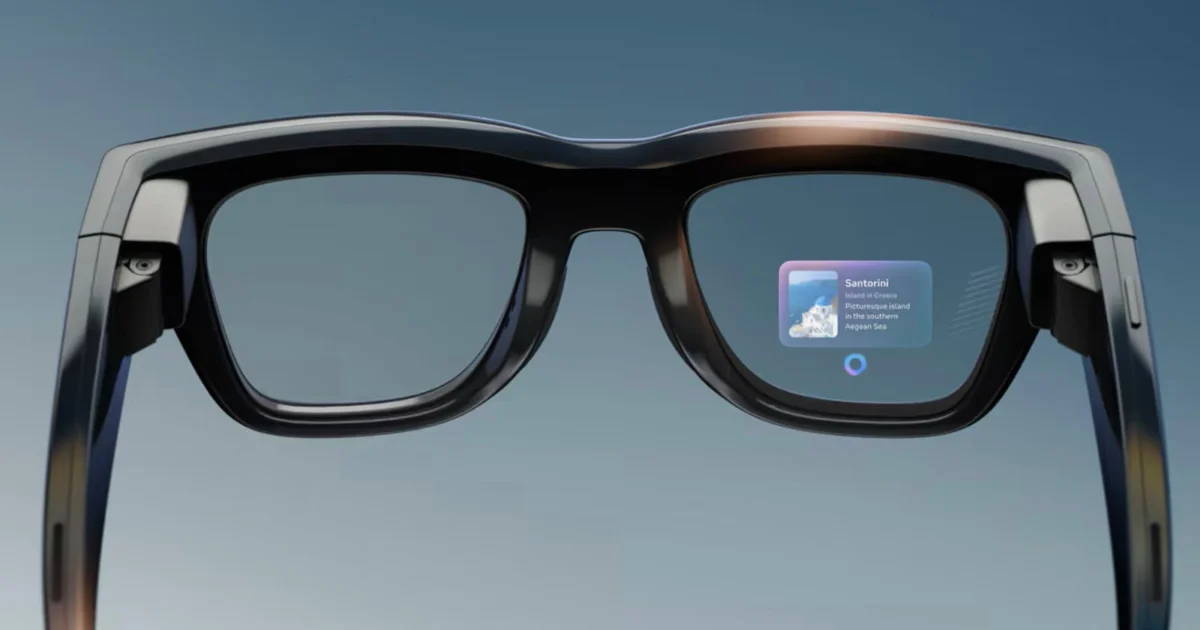
Meta’s ambitious international expansion of its latest hardware offering, the Ray-Ban Display Glasses, has encountered a formidable regulatory wall within the European Union. While the technology giant initially attributed the delay in the European rollout to supply chain constraints and manufacturing pauses announced in early 2024, new investigative reports suggest that the hurdle is far more structural. At the heart of the impasse are the European Union’s stringent new environmental and digital safety frameworks, specifically the upcoming battery repairability mandates and the comprehensive EU AI Act. These regulations threaten to keep one of Meta’s most successful hardware products in years off the shelves of one of the world’s largest consumer markets, forcing a confrontation between Silicon Valley’s design-first philosophy and Brussels’ consumer-protectionist legal landscape.
The Battery Repairability Mandate: A Design Dilemma
The primary technical obstacle facing Meta is the European Union’s Regulation (EU) 2023/1542, a sweeping legislative framework designed to make batteries more sustainable, durable, and performant. Under these rules, which are set to take full effect by 2027, most portable electronic devices sold within the EU must feature batteries that are "removable and replaceable by the end-user." The directive is a cornerstone of the EU’s "Right to Repair" movement, aimed at reducing electronic waste by ensuring that a failing battery does not render an entire device obsolete.
For Meta and its manufacturing partner, the European eyewear titan EssilorLuxottica SA, this mandate presents a significant engineering crisis. The current iteration of the Ray-Ban Display Glasses is designed to mirror the iconic Wayfarer and Headliner styles as closely as possible. To achieve this, the lithium-ion batteries are integrated deeply into the temples (arms) of the frames. This integration allows for a slim, lightweight profile that users find comfortable for all-day wear.
Meta has argued that requiring a user-accessible battery door or a modular battery system would necessitate a bulkier frame, compromising the aesthetic appeal that has made the glasses a surprise hit in the United States. Internal design documents suggest that adding a battery compartment would increase the thickness of the temples by several millimeters and add significant weight, potentially alienating the fashion-conscious demographic that Ray-Ban attracts. Despite Meta’s push for an exemption, EU regulators have remained firm, asserting that the environmental benefits of repairability outweigh the stylistic preferences of individual manufacturers.
The tension was highlighted recently by Andrew Puzer, the United States Ambassador to the European Union. In a public address, Puzer pointed to the glasses as a prime example of regulatory friction, noting that the EU is currently the only major global market where the product cannot be sold due to these specific battery requirements. While some competitors, such as the Inmo Go 3, have managed to incorporate removable battery elements, Meta maintains that doing so would undermine the premium build quality and water resistance of the Ray-Ban partnership.
Navigating the EU AI Act and Computer Vision
Beyond the physical constraints of the hardware, Meta’s software ecosystem is facing its own set of challenges under the EU AI Act. Approved in early 2024, the Act is the world’s first comprehensive horizontal legal framework for artificial intelligence. It categorizes AI systems based on the level of risk they pose to users, ranging from "unacceptable" to "low risk."
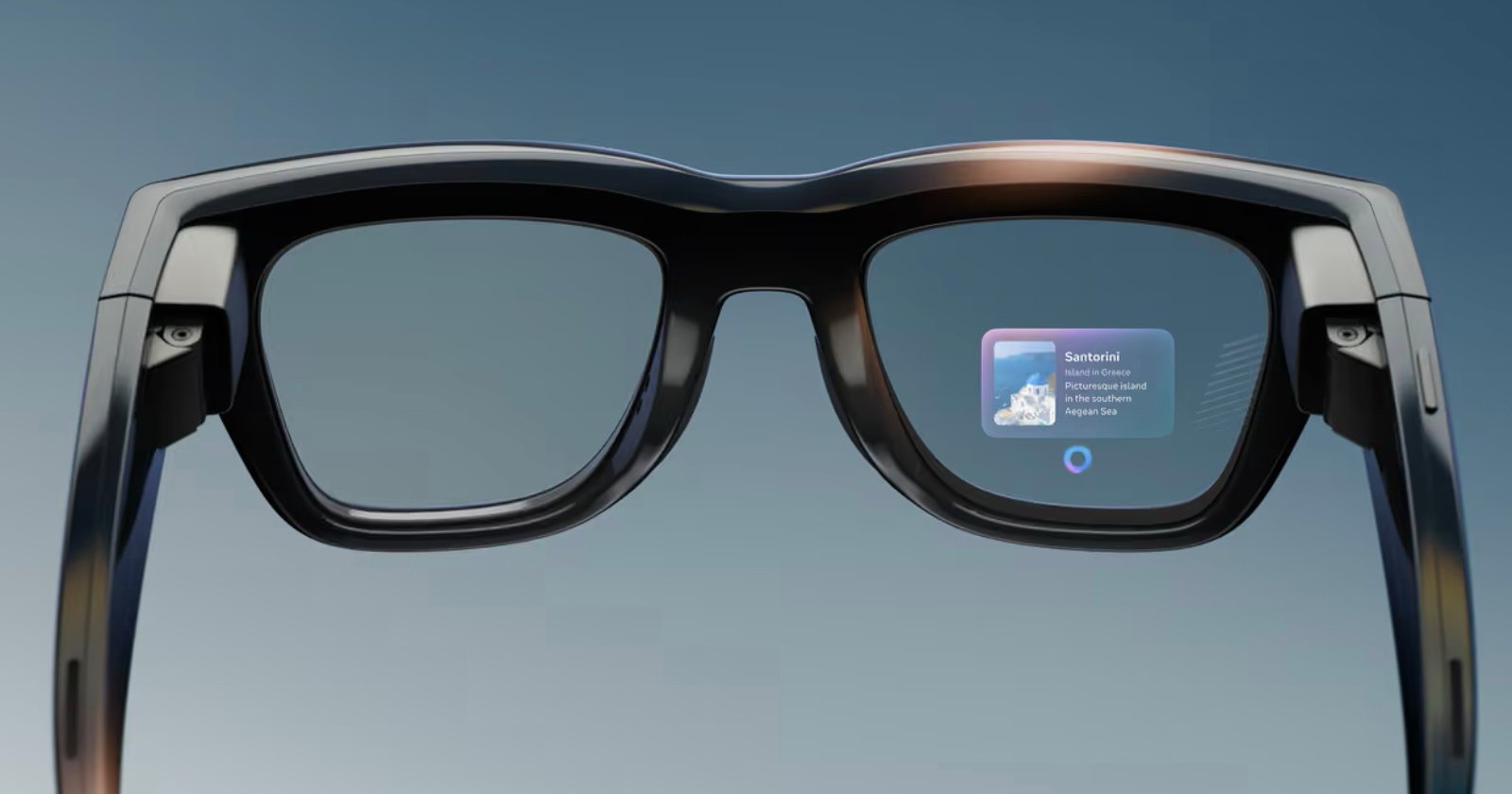
The Ray-Ban Display Glasses rely heavily on "multimodal" AI, which uses computer vision to interpret the world around the wearer. Features available in the U.S. allow users to look at a landmark and ask the glasses for historical context, or look at a menu in a foreign language and receive a real-time translation through the built-in speakers. However, the EU’s regulations on biometric identification and the processing of personal data in public spaces create a complex legal minefield for these features.
The EU AI Act places strict limits on real-time remote biometric identification and high-risk AI applications that could infringe on privacy. Because the Meta glasses essentially function as a constant, AI-connected sensor capable of identifying individuals or capturing sensitive data without explicit consent from bystanders, they fall under intense scrutiny. Meta has expressed concerns that the "General Purpose AI" (GPAI) requirements within the Act may force the company to strip the glasses of their most innovative features to comply with European standards, potentially resulting in a "watered-down" product that lacks the competitive edge found in the American market.
Chronology of the Meta Wearables Crisis
The current situation is the result of several years of shifting strategy and mounting regulatory pressure. To understand the gravity of the EU ban, it is necessary to look at the timeline of Meta’s wearable development:
- September 2021: Meta (then Facebook) launches "Ray-Ban Stories," its first-generation smart glasses. The product receives lukewarm reviews due to limited functionality and privacy concerns.
- October 2023: Meta launches the second-generation "Ray-Ban Meta" glasses with improved cameras, better audio, and integrated AI. Sales significantly exceed internal expectations.
- January 2024: Meta officially announces a "pause" on the international rollout of the new Display-enabled versions of the glasses, citing the need to manage supply chains.
- March 2024: The European Parliament formally approves the EU AI Act. Simultaneously, reports emerge that Meta is lobbying for exemptions from the 2027 battery repairability deadline.
- March 2025: Bloomberg reports that the EU rollout is indefinitely stalled due to the battery rules. Meta begins a series of significant layoffs within its Reality Labs division.
Internal Turmoil: The Pivot from Metaverse to AI
The regulatory struggle in Europe coincides with a period of intense internal restructuring at Meta. The company’s Reality Labs division, which is responsible for both the Quest VR headsets and the Ray-Ban smart glasses, has undergone a radical transformation. After years of multi-billion dollar losses pursuing the "Metaverse"—a fully immersive virtual reality world—CEO Mark Zuckerberg has pivoted the company toward "pragmatic AI."
This shift has resulted in significant human costs. In early 2025, Meta confirmed the layoff of several hundred employees from Reality Labs, bringing the total number of departures from that division to over 2,500 within a single year. The layoffs primarily targeted the VR hardware and "Horizon Worlds" teams, as Meta redirected its R&D budget toward augmented reality (AR) and AI-driven wearables like the Ray-Ban glasses.
The irony of the current situation is that while the Metaverse was widely seen as a commercial failure, the smart glasses have emerged as a genuine consumer success. Analysts suggest that the glasses represent Meta’s best chance at owning a primary hardware platform, similar to Apple’s iPhone or Google’s Android. However, being locked out of the European market—which accounts for approximately 20-25% of Meta’s global advertising revenue—represents a massive blow to the long-term viability of the Reality Labs division.
Privacy Backlash and Legal Challenges
Even in markets where the glasses are currently available, Meta is grappling with significant social and legal pushback. The "stealth" nature of the glasses, which allow users to record video or take photos with a simple voice command or a tap on the temple, has led to numerous privacy complaints. While a small LED light illuminates when the camera is active, critics argue this is insufficient to alert bystanders in bright sunlight or crowded environments.
In late 2024, Meta was hit with a high-profile lawsuit after allegations surfaced that workers within the Reality Labs division had access to "private moments" recorded by users during the testing phase of the AI training models. This has fueled the European Commission’s skepticism regarding Meta’s data-handling practices. European regulators are particularly concerned with how the "computer vision" data is stored, who has access to it, and whether it is being used to train Meta’s Llama language models without the explicit consent of those captured in the frame.
Broader Impact and Industry Implications
The standoff between Meta and the EU serves as a bellwether for the future of the entire "wearable AI" industry. If Meta is forced to redesign its hardware specifically for the European market, it could set a precedent that other manufacturers, such as Apple, Google, and Amazon, will have to follow.
The implications are twofold:
- Hardware Fragmentation: We may see a future where "European Edition" electronics are thicker, heavier, and more modular, while "Global Edition" electronics remain slim and integrated. This fragmentation increases manufacturing costs and could lead to higher prices for European consumers.
- The "Brussels Effect": Historically, EU regulations often become global de facto standards because companies find it easier to design one product that meets the strictest requirements rather than maintaining multiple production lines. If Meta eventually yields and designs a Ray-Ban frame with a removable battery, it is likely that this design will eventually become the global standard, fundamentally changing the aesthetics of wearable tech.
As of mid-2025, Meta remains in a state of tactical retreat regarding the European Union. While the company continues to see strong sales in the United States, Canada, and Australia, the absence of a European presence leaves a vacuum that local or Chinese competitors may eventually fill. For now, the Ray-Ban Display Glasses remain a symbol of the growing divide between the rapid pace of technological innovation and the increasing weight of global regulatory oversight. Meta’s ability to navigate these legal waters will ultimately determine whether its future lies in the hardware in our pockets, or the frames on our faces.
