


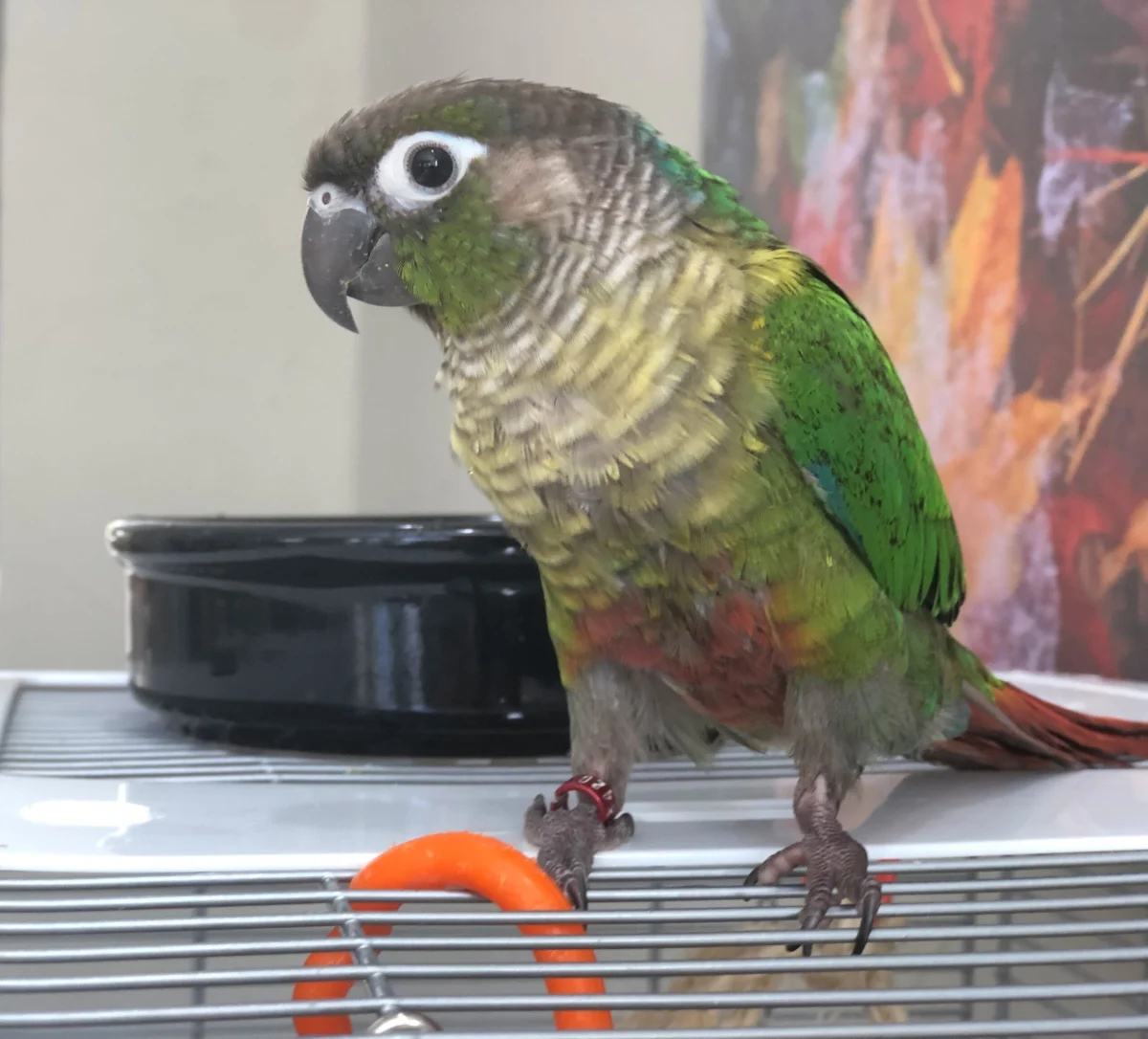
Indoor bird owners frequently observe signs of discomfort such as increased itchiness, excessive feather dust, and frequent scratching, particularly during colder months or periods of molting. These symptoms, while often appearing concerning, are frequently rooted in environmental factors, primarily dry indoor air, and can be effectively managed through informed husbandry practices and nutritional support. However, it is crucial for owners to differentiate between normal seasonal adjustments and signs indicative of underlying health issues requiring immediate veterinary attention. This article provides a detailed guide to understanding, preventing, and addressing common avian skin and feather discomfort, emphasizing proactive care and appropriate intervention.
Understanding the Avian Environment: The Impact of Indoor Air Quality
The modern indoor environment, especially during winter when heating systems are in active use, often presents a significant challenge to the health of pet birds. Central heating, air conditioning, and even passive ventilation systems can dramatically reduce ambient humidity levels, creating an arid atmosphere that contrasts sharply with the humid, tropical, or subtropical environments from which many popular pet bird species originate. Optimal indoor humidity for most avian species ranges between 40% and 60%. Levels consistently below this threshold can lead to a cascade of physiological effects on birds.
The delicate skin of birds, covered by feathers, is highly susceptible to desiccation. Dry air can strip moisture from the skin, leading to a sensation of tightness, flakiness, and increased itchiness. Furthermore, the preen gland (uropygial gland), located at the base of the tail, produces an oil that birds distribute over their feathers and skin during preening. This oil is vital for waterproofing, maintaining feather flexibility, and inhibiting bacterial growth. In very dry conditions, the effectiveness of this natural moisturizing and protective mechanism can be compromised, exacerbating skin dryness and making feathers brittle. The resulting discomfort often manifests as increased scratching, more vigorous preening, and the production of an unusual amount of fine feather dust (keratin particles), leading owners to question the normalcy of their bird’s behavior.
Differentiating Normal Signs from Veterinary Concerns
Before implementing home-based solutions, it is paramount for bird owners to assess the severity and nature of their bird’s symptoms. This initial evaluation helps determine whether the issue is a common environmental response or a symptom requiring professional veterinary diagnosis.
Usually Normal Signs (Often Linked to Dry Air or Molt):
- Increased scratching: Particularly evident on the head, neck, and underwings.
- More frequent preening: Birds may spend longer periods meticulously arranging their feathers.
- Visible feather dust: A fine, white powder (keratin) appearing on cage surfaces or the bird itself.
- Flaky skin: Subtle dry flakes visible on unfeathered areas or when parting feathers.
- Mild feather chewing (non-destructive): Gentle nibbling at feather shafts or tips without actual damage.
- General restlessness or mild irritability: The bird seems slightly more agitated or seeks more attention.
Signs Requiring Immediate Veterinary Consultation (Not Caused by Dry Air Alone):
- Open wounds or bleeding feathers: Any visible injury to the skin or active bleeding from feather shafts.
- Bald patches or significant feather loss: Areas of skin completely devoid of feathers, especially if not associated with a known molt cycle.
- Feather destruction: Actively pulling out, breaking, or severely damaging feathers. This includes barbering (chewing off feather tips) or self-mutilation.
- Sudden behavioral changes: Lethargy, loss of appetite, changes in droppings, difficulty breathing, or listlessness.
- Swelling, redness, or discharge: Any signs of inflammation or infection on the skin or around the eyes/nares.
- Limping or difficulty perching: Suggestive of physical injury or systemic illness.
- Persistent pain or distress: Vocalizations, hunched posture, or reluctance to move.
If any of these severe symptoms are observed, contacting an avian or exotics veterinarian without delay is crucial. Early intervention can significantly impact the prognosis for many avian health conditions.
The Nuance of Bathing: Method vs. Frequency
A common misconception among bird owners is that increased itchiness automatically necessitates more frequent or forceful bathing. While bathing is indeed critical for feather and skin health, the method of bathing often holds more significance than sheer frequency, especially when a bird shows resistance.
Dry Air Problem vs. Bathing Method Problem:
If a bird receives regular baths but itchiness quickly returns, accompanied by a dusty or flaky appearance, the underlying issue is likely persistent dry air, overwhelming the benefits of individual baths. However, if a bird actively avoids bathing—fluffing up, squawking, or retreating when water is presented—it’s often a sign of discomfort with the bathing technique rather than an aversion to cleanliness itself.
Avian experts, including veterinary professionals, consistently advocate for offering daily opportunities for bathing, particularly in dry environments, rather than enforcing a strict bathing schedule. The key is to empower the bird to choose when and how it interacts with water. This approach respects the bird’s natural instincts and reduces stress.
Effective Bathing Opportunities Include:
- Shallow water dishes: A wide, shallow ceramic or stainless steel dish filled with comfortably warm water, placed in a familiar spot.
- Misting with a fine spray bottle: Using lukewarm, filtered water, held at a distance, allowing a gentle "rain" effect rather than a direct blast. Many birds prefer misting from above or indirectly.
- Wet leafy greens: Offering thoroughly washed, damp greens like romaine lettuce or spinach for the bird to rub against.
- Shower perches: Allowing the bird to sit on a designated perch in a steamy bathroom, or even in the shower stream (ensuring water temperature and pressure are gentle).
- Running tap water: Some birds enjoy standing under a gently trickling faucet.
The overarching principle is that daily access to bathing is beneficial, but forcing a bath is counterproductive. When birds are given autonomy over their bathing, the experience typically becomes positive and stress-free.
Immediate Interventions: Addressing Discomfort Proactively
Once it’s determined that the bird’s discomfort is likely environmental or related to molt, several immediate steps can be taken to enhance comfort and support skin and feather health.
Safe Winter Bathing Basics:
During colder months, the priority is comfort and avoiding chilling. Birds should never be left cold or damp for extended periods.
- Warm water: Always use comfortably warm (not hot or cold) water for baths.
- Gentle approach: Mist from a distance or offer a shallow dish, letting the bird initiate contact.
- Warm room: Ensure the bathing area is free of drafts and adequately warm.
- Prompt drying: Allow the bird to air dry naturally in a warm, draft-free room, or use a low-setting hairdryer from a safe distance if necessary for larger birds, always monitoring for signs of overheating or distress.
If Feathers Look Dusty and Skin Seems Dry:
- Increase ambient humidity: Invest in a high-quality humidifier for the room where the bird spends most of its time. Ultrasonic humidifiers are generally preferred as they don’t produce heat. Ensure the humidifier is kept meticulously clean to prevent mold or bacterial growth, which can pose respiratory risks. Aim for 50-60% humidity.
- Offer daily bathing opportunities: As described above, provide various options and let the bird choose.
- Consider aloe vera mist: A very dilute, pure aloe vera mist (e.g., 1 part pure aloe juice to 10 parts water) can be gently misted on feathers, as aloe is known for its moisturizing properties. Ensure it’s bird-safe, unsweetened, and free of additives.
Beyond the Environment: The Role of Nutrition
If environmental adjustments and gentle bathing don’t yield noticeable improvements within several days, nutritional deficiencies warrant investigation. Diet plays a critical role in skin and feather quality, particularly for birds maintained on seed-heavy diets, which are often lacking in essential nutrients.
Key Nutritional Considerations:
- Vitamin A: Crucial for epithelial tissue health, including skin and mucous membranes. Deficiencies can lead to dry, flaky skin and poor feather quality. Many seed mixes are deficient in Vitamin A.
- Vitamin E: A powerful antioxidant that supports skin integrity and overall cellular health.
- Omega Fatty Acids (Omega-3 and Omega-6): Essential for maintaining skin barrier function, reducing inflammation, and promoting healthy feather growth. Sources include flaxseed, chia seeds, and certain specialized supplements.
Small, consistent dietary additions can significantly support skin comfort and feather quality over time. The emphasis is on sparing and consistent integration, rather than overwhelming the bird with multiple new products simultaneously. For owners seeking a balanced approach, products specifically designed for feather and skin health, containing carefully proportioned vitamins and essential fatty acids, can be beneficial. These supplements are intended to support the body’s natural processes, not to replace a balanced staple diet or professional veterinary care. Always adhere to package instructions and monitor the bird’s response over several weeks, adjusting as needed.
Molting: An Exacerbating Factor
Molting, the natural process of shedding old feathers and growing new ones, can significantly amplify existing discomfort, especially in dry environments. During a molt, new "pin feathers" (feathers encased in a keratin sheath) push through the skin. If the skin is dry, tight, or irritated, this process can be intensely itchy or even painful. Birds may increase scratching and preening behaviors in an attempt to alleviate this discomfort. Understanding this connection is crucial: birds are not misbehaving; they are seeking relief.
Why Early Support Matters During Molt:
Proactive measures to support skin comfort before a molt becomes severe can significantly reduce the urge to excessively scratch or over-preen. Comfortable, well-hydrated skin facilitates easier feather growth, which in turn lowers the risk of normal grooming escalating into a habit of feather destruction or self-mutilation. Small, consistent changes made early in the process are often more effective than drastic interventions later.
It is important to clarify that dry air alone does not cause severe feather destruction or plucking. When feather damage escalates to active breakage or pulling, it indicates a more complex underlying issue that extends beyond humidity or bathing practices.
Early Signs to Monitor During Molt:
- Increased sensitivity: The bird may react more strongly to touch during pin feather emergence.
- More vocalizations during preening: Suggesting discomfort.
- Visible dry flakes around emerging pin feathers: A sign of skin dryness.
- Slightly ruffled appearance even after preening: Indicating a struggle to manage new feathers.
These are indicators to adjust support earlier, not reasons to panic.
When to Seek Professional Veterinary Care
While many cases of avian skin and feather discomfort can be managed at home, recognizing when to consult an avian veterinarian is critical for the bird’s long-term health and well-being.
Call a Veterinarian If You Observe:
- Damaged skin or open sores: Any lesions that could lead to infection.
- Feather loss that is asymmetrical or non-molt related: Bald spots not explained by typical feather cycles.
- Persistent discomfort despite home interventions: If symptoms don’t improve within one to two weeks of consistent environmental and nutritional adjustments.
- Signs of active plucking or self-mutilation: Any behavior that results in broken or pulled feathers.
- Changes in preen gland appearance: Swelling, redness, or discharge from the uropygial gland.
Do Not Wait If:
- The bird is bleeding.
- There are signs of systemic illness (lethargy, anorexia, difficulty breathing).
- The bird appears to be in acute pain or distress.
Why Timing Matters:
Early veterinary intervention can diagnose underlying conditions that mimic dry skin or molt discomfort, such as parasitic infestations, bacterial or fungal infections, organ disease, or behavioral issues. Prompt diagnosis and treatment can prevent the progression of illness, reduce the bird’s suffering, and potentially save its life. Ignoring these signs can lead to chronic health problems, significant feather damage, and increased veterinary costs in the long run.
Outlook and Long-Term Implications
For mild, seasonal discomfort related to dry air or typical molting, owners should anticipate a reduction in scratching and calmer preening behaviors within one to two weeks of implementing improved humidity and bathing practices. If the issue is predominantly molt-related, feather comfort will gradually improve over several weeks as new, healthy feathers fully emerge.
If, however, no noticeable improvements occur after a week or two of diligent home care, a comprehensive veterinary examination is warranted to rule out other medical conditions. The ultimate goal is to proactively support the bird’s comfort, minimize irritation, and understand the limits of home management. Consistent, informed care not only alleviates immediate discomfort but also fosters a healthier, more resilient bird and strengthens the bond between owner and pet.
References and Expert Insights
The principles outlined in this article are supported by extensive research in avian physiology and veterinary medicine. Experts like Diane Burroughs, LCSW, an avian wellness educator with over 30 years of experience, emphasize a "nutrition and behavior-first, science-backed care" approach. Her work, alongside peer-reviewed studies (e.g., Chen et al., Frontiers in Physiology; Cooper & Harrison, Avian Medicine: Principles and Application; Lightfoot, Merck Veterinary Manual), consistently highlights the interconnectedness of environment, diet, and behavior in avian health. The implications of poor husbandry extend beyond mere discomfort, potentially contributing to chronic stress, feather destructive behaviors, and compromised immune function. Therefore, a holistic and proactive approach to avian care is not merely beneficial but essential for the well-being of indoor birds.
