

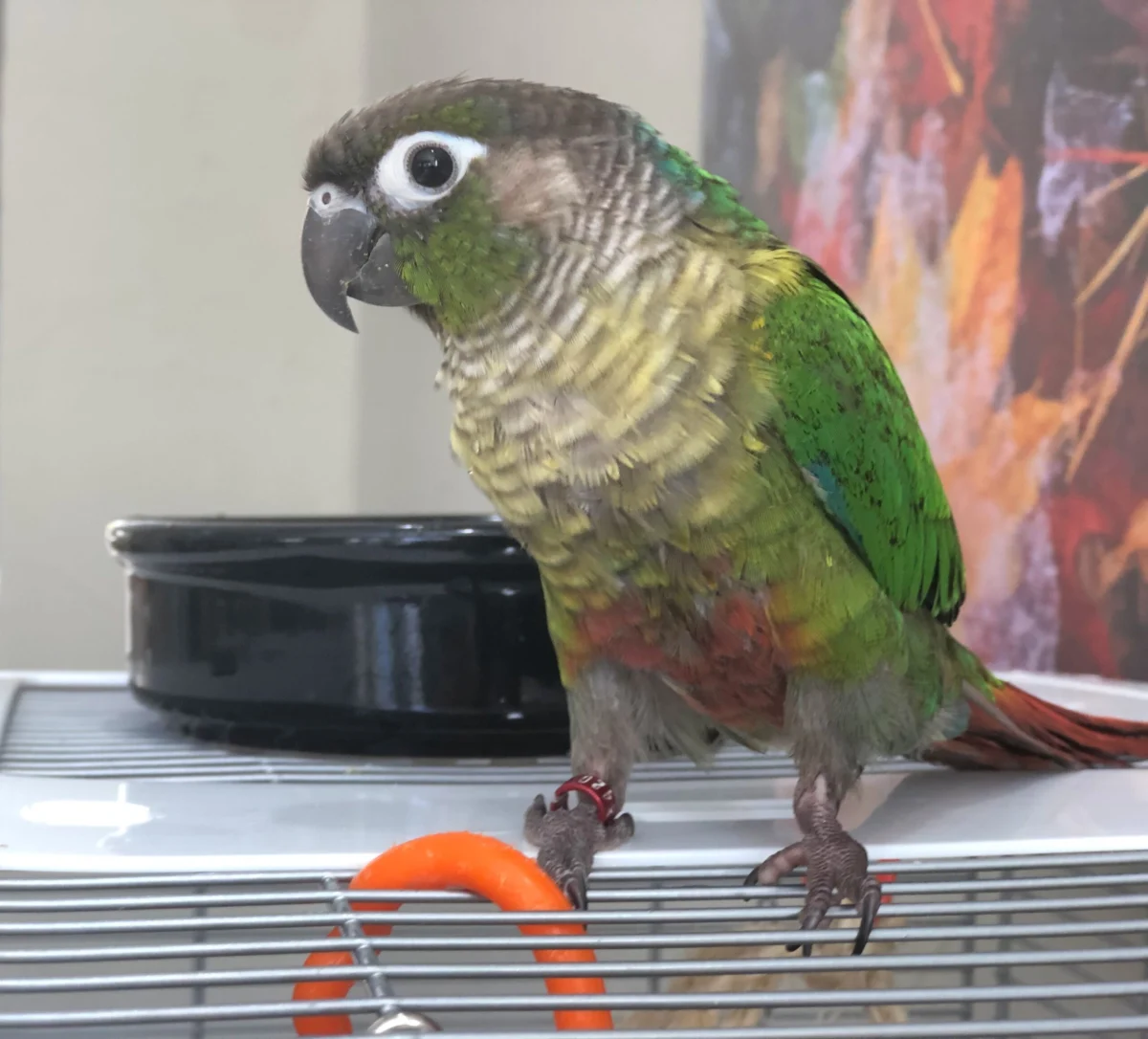
Indoor bird owners often observe their feathered companions exhibiting signs of discomfort such as itchiness, increased feather dust, and frequent scratching, particularly during colder months or periods of molting. These symptoms, frequently dismissed as minor inconveniences, are often indicative of "dry air syndrome," a common environmental challenge in homes with artificial heating. While a bird’s natural habitat provides varying humidity levels and opportunities for bathing, captive environments can fall short, leading to compromised skin and feather integrity. Understanding the nuances between normal physiological responses and signs requiring veterinary intervention is crucial for ensuring the well-being of pet birds. This guide delves into the causes, preventative measures, and appropriate responses to dry air-related discomfort in avian pets, emphasizing a proactive, informed approach to husbandry.
Understanding the Impact of Dry Indoor Air on Avian Health
The primary driver behind many instances of avian skin and feather irritation in domestic settings is low ambient humidity. Modern heating systems, while keeping homes warm, significantly strip moisture from the air, creating an environment far drier than what most bird species are naturally adapted to. This desiccated atmosphere directly affects a bird’s integumentary system—its skin and feathers. Feathers, composed of keratin, require a certain level of moisture to remain pliable and intact. Dry air can make feathers brittle, leading to breakage and excessive dust. The skin beneath, equally susceptible to dehydration, can become tight, flaky, and itchy. This discomfort often manifests as increased preening, scratching, and general restlessness.
Avian experts and veterinarians consistently highlight environmental factors as a leading cause of non-infectious skin and feather issues in pet birds. A 2020 study published in Frontiers in Physiology underscored the intricate relationship between environmental conditions and avian physiological responses, including dermatological health. While specific statistics on "dry air syndrome" are scarce, the prevalence of symptoms like excessive feather dust and itching reported by bird owners during winter months points to a widespread issue. Anecdotal evidence from avian veterinary clinics suggests a noticeable increase in related consultations coinciding with the onset of heating seasons.
Distinguishing Normal Discomfort from Urgent Concerns
It is imperative for bird owners to differentiate between mild, environmentally induced discomfort and more serious conditions that necessitate immediate veterinary attention.
Common Signs Associated with Dry Air (Usually Normal in Mild Cases):
- Increased Scratching and Preening: Birds may scratch more frequently with their feet or rub their heads on perches. Preening sessions might become more intense or prolonged as they attempt to alleviate itchiness.
- Visible Feather Dust: An unusual accumulation of fine, white powder (keratin dust) on surfaces around the cage or on the bird itself, even after regular cleaning, often indicates dry skin and brittle feather shafts.
- Slightly Flaky Skin: Close inspection might reveal minor flaking on areas of the skin not covered by dense feathers, such as around the cere, legs, or feet.
- Temporary Discomfort During Molt: Molting birds may appear more irritable, scratch pin feathers more vigorously, or seem generally more uncomfortable as new feathers push through dry skin.
- Transient Dullness of Feathers: While not always indicative, feathers may appear less vibrant or glossy due to dryness, lacking the natural sheen provided by preen gland oils distributed during optimal preening.
Signs Requiring Immediate Veterinary Consultation (Not Caused by Dry Air Alone):
- Open Wounds or Bleeding Feathers: Any visible skin breaks, lacerations, or actively bleeding feather shafts are medical emergencies.
- Bald Patches or Significant Feather Loss: Beyond normal molting, localized or generalized feather loss that exposes skin, particularly if accompanied by redness or inflammation, is a serious concern.
- Sudden Behavioral Changes: Lethargy, refusal to eat, extreme irritability, unusual aggression, or prolonged hiding are critical indicators of illness.
- Signs of Pain or Distress: Hunching, panting, straining, changes in droppings, or vocalizations of discomfort demand immediate veterinary assessment.
- Feather Destruction (Plucking/Chewing): While dry air can contribute to the urge to over-preen, active destruction of feathers (chewing them off, pulling them out) often points to underlying medical, nutritional, or behavioral issues beyond simple environmental dryness.
- Masses or Swellings: Any abnormal growths or swellings on the skin or body.
If any of the concerning signs are observed, contact an avian or exotics veterinarian without delay. Attempting home remedies for these severe symptoms can lead to worsening conditions and delayed diagnosis of potentially life-threatening issues.
The Critical Role of Humidity and Bathing
The distinction between a "bathing problem" and a "dry air problem" is fundamental. Many owners diligently offer baths, yet their birds continue to show signs of dryness.
The Dry Air Problem:
When ambient humidity is consistently low, baths offer only temporary relief. A bird may appear comfortable immediately after bathing, but the itchiness and dustiness return quickly, sometimes within hours, as the skin and feathers rapidly lose moisture to the dry environment. This is because bathing addresses the immediate hydration need but does not rectify the underlying environmental deficiency. The bird’s natural preen gland oil, which helps condition feathers, also struggles to perform optimally in overly dry conditions. Avian veterinarians often recommend maintaining indoor humidity levels between 50% and 70% for most pet bird species to support respiratory health, skin integrity, and feather quality.
The Bathing Method Problem:
A bird’s reluctance to bathe is rarely a sign of an aversion to cleanliness. Instead, it typically indicates discomfort or fear associated with the method of bathing. Birds are sensitive creatures, and a perceived threat during bath time can lead to avoidance. Forcing a bath, using overly cold or hot water, or employing a spray bottle aggressively can create negative associations.
Avian behavior specialists advocate for offering birds the opportunity to bathe daily, particularly in dry environments, allowing the bird to choose the timing and method. This approach respects the bird’s autonomy and natural instincts.
Effective Bathing Opportunities Include:
- Shallow Water Dishes: A wide, shallow dish filled with lukewarm water (about 1-2 inches deep) placed in a safe, familiar spot.
- Misted Leafy Greens: Offering wet, pesticide-free leafy greens like kale or romaine lettuce. Many birds enjoy rolling in the wet leaves, transferring moisture to their feathers.
- Shower Perches/Steam: Allowing the bird to sit on a shower perch while a warm shower runs, providing humid air and gentle mist, but without directly spraying the bird.
- Misting with a Fine Spray Bottle: For birds that tolerate it, a new, clean spray bottle set to a fine mist, aimed above the bird so the mist gently falls like rain. The water should be lukewarm.
- Bird Bath Fountains: Small, circulating water features designed for birds can entice some species.
The key principle is choice. When birds are given control over their bathing experience, the activity usually becomes a positive, self-regulating behavior rather than a stressful confrontation.
Proactive Measures: Enhancing Your Bird’s Environment
Addressing dry air syndrome requires a multi-faceted approach, starting with immediate environmental adjustments.
Start with Safe Winter Bathing Basics:
During colder months, the priority is bird comfort, not saturation. Birds must never be left chilled after bathing. Ensure the bathing area is warm and draft-free. Use lukewarm water. After bathing, allow the bird to air dry naturally in a warm room, or if necessary, use a bird-safe heating lamp or a hairdryer on a low, cool setting from a safe distance, being careful not to overheat or frighten the bird. Never cage a wet bird in a cold room.
If Feathers Look Dusty and Skin Seems Dry (Environmental Fixes):
- Introduce a Humidifier: This is often the most effective long-term solution.
- Cool Mist Humidifiers: Generally preferred for safety as they don’t produce hot steam that could burn. Ultrasonic humidifiers are also popular.
- Placement: Position the humidifier near the bird’s cage but not directly blowing onto it. Ensure the mist disperses effectively throughout the room.
- Maintenance: Regular cleaning of humidifiers is paramount to prevent the growth of mold and bacteria, which can aerosolize and cause respiratory problems for both birds and humans. Use distilled water to prevent mineral dust.
- Monitor Humidity Levels: Invest in a hygrometer to accurately measure the ambient humidity in the bird’s living space. Aim for levels between 50% and 70%.
- Regular Air Circulation and Cleaning: While not directly increasing humidity, good air quality reduces airborne irritants that can exacerbate skin issues. Use bird-safe air purifiers (avoiding ozone-producing models).
Nutritional Foundations for Feather and Skin Health
If environmental adjustments and appropriate bathing methods do not yield significant improvement within several days, dietary considerations become the next crucial step, particularly for birds on seed-heavy diets. Seed-only diets are notoriously deficient in essential vitamins and fatty acids vital for healthy skin and feather production.
Key Nutrients for Skin and Feather Health:
- Vitamin A (Retinol): Crucial for the health of epithelial tissues, including skin and mucous membranes. Deficiency can lead to dry, flaky skin and poor feather quality.
- Vitamin E (Tocopherol): A powerful antioxidant that protects skin cells from damage and supports overall skin health.
- Omega Fatty Acids (e.g., Omega-3 and Omega-6): Essential for maintaining skin barrier function, reducing inflammation, and promoting the production of healthy preen gland oils.
Dietary Strategies:
Transitioning a bird from a seed-heavy diet to a high-quality pelleted diet, supplemented with fresh vegetables, fruits, and a small amount of healthy fats (like flaxseed or chia seeds), can significantly improve skin and feather health over time. For owners seeking a conservative approach, targeted supplements, such as avian-specific omega fatty acid supplements or vitamin complexes, can be introduced sparingly and consistently. It is crucial to follow package instructions and observe the bird’s response over several weeks, avoiding the introduction of multiple new products simultaneously to identify what is truly beneficial. Always consult with an avian veterinarian before making significant dietary changes or adding supplements, as over-supplementation can be harmful.
Navigating Bathing: Empowering Your Bird’s Choices
The instinct to "try harder" when a bird avoids baths often backfires, creating a stressful cycle. The most effective approach is to reduce irritation and empower the bird with control over its comfort.
What Tends to Help When a Bird Avoids Baths:
- Consistent Offering: Make bathing opportunities a regular, predictable part of the day, allowing the bird to approach when ready.
- Variety of Methods: Experiment with different bath types (dish, mist, shower steam, wet greens) to discover individual preferences.
- Positive Association: Pair bath time with positive reinforcement, such as a favorite treat or calm verbal praise.
- Comfortable Environment: Ensure the bathing area is warm, draft-free, and feels secure to the bird.
What Often Backfires:
- Forcing Baths: This can lead to fear, anxiety, and a complete aversion to bathing.
- Using Cold or Hot Water: Water temperature should be comfortably lukewarm.
- Strong, Direct Sprays: Mimic gentle rain, not a power wash.
- Using Water as Punishment: Never spray a bird to interrupt unwanted behaviors; this creates severe negative associations.
- Adding Scents or Chemicals: Only use plain, clean water. Fragrances or additives can be toxic or irritating.
Any bathing or humidity setup must be meticulously clean, unscented, and well-maintained. Dirty humidifiers or contaminated water can introduce pathogens, leading to respiratory infections or skin issues mistaken for dryness.
The Molting Conundrum: Why Dry Air Exacerbates Feather Growth
Molting is a natural physiological process where old, worn feathers are shed and replaced by new ones. This process is energy-intensive and can be uncomfortable under ideal conditions. When combined with dry indoor air, molting discomfort is significantly amplified. As new "pin feathers" (developing feathers encased in a keratin sheath) push through the skin, dry skin can feel tight, itchy, and even painful. Birds instinctively scratch and preen more intensely to relieve this irritation and break down the keratin sheaths.
Why Early Support Matters During Molt:
Providing early and consistent support for skin comfort during molt reduces the initial urge to scratch and over-preen. Comfortable skin facilitates easier feather growth, which, in turn, minimizes the risk of normal grooming escalating into habitual over-preening or, in severe cases, self-mutilation (plucking). Small, consistent changes implemented early in the molting process are far more effective than aggressive interventions once a problem has become entrenched.
It is crucial to understand that while dry air can exacerbate molting discomfort, it does not cause severe feather destruction or plucking. When feathers are actively broken or pulled out, or if there is extensive skin damage, there are usually deeper medical, behavioral, or nutritional issues at play that extend beyond simple humidity or bathing deficiencies.
Early Signs During Molt Worth Paying Attention To (Reasons to Adjust Support, Not Panic):
- Excessive Scratching: More than typical for your bird during molt.
- Intense Preening of Pin Feathers: Aggressive rubbing or chewing at new feathers.
- Irritability: Showing signs of being more temperamental or sensitive to touch.
- Reluctance to Be Handled: Especially in areas with new feather growth.
These are indicators to increase environmental humidity, offer more frequent and gentle bathing opportunities, and review nutritional support.
When to Seek Professional Avian Care: Red Flags and Timely Intervention
Environmental fixes and improved husbandry can resolve many mild, seasonal issues. However, certain symptoms demand immediate veterinary attention.
Call a Vet If You See:
- Open Wounds, Lacerations, or Puncture Marks on the Skin: Any break in the skin barrier.
- Actively Bleeding Feathers or Skin: This can lead to significant blood loss.
- Sudden, Unexplained Bald Patches or Extensive Feather Loss: Beyond the pattern of normal molt.
- Signs of Infection: Redness, swelling, discharge, or foul odor.
- Lethargy, Ruffled Feathers, Loss of Appetite, or Changes in Droppings: General signs of illness.
- Persistent Self-Mutilation or Feather Plucking: Especially if skin is raw or damaged.
- Limping, Swelling, or Inability to Perch Normally: Indicating pain or injury.
Do Not Wait If:
- The Bird is Bleeding Profusely.
- The Bird is Unable to Stand or Perch.
- The Bird is Experiencing Difficulty Breathing.
- The Bird Has Collapsed or is Unresponsive.
Why Timing Matters:
Many avian conditions, including those starting with seemingly minor skin or feather issues, can rapidly escalate. Early diagnosis and intervention are critical for a positive prognosis. A condition that might be easily treatable with environmental adjustments or medication in its initial stages can become chronic, debilitating, or even life-threatening if neglected. Avian veterinarians possess specialized knowledge of bird physiology and pathology, enabling them to accurately diagnose underlying issues that may not be apparent to the untrained eye. Delaying care can lead to prolonged suffering, more complex and costly treatments, and in some cases, irreversible damage.
Expected Outcomes and Long-Term Wellness Strategies
With appropriate interventions, improvements in a bird’s comfort and feather health should be observable.
If Symptoms are Mild and Seasonal:
You should typically notice a reduction in scratching and calmer, more efficient preening within one to two weeks of consistently improving environmental humidity and offering appropriate bathing opportunities.
If Symptoms are Related to Molt:
Feather comfort and quality will improve gradually over several weeks as new, healthier feathers grow in, supported by the optimized environment and nutrition. Full feather regeneration can take time.
If Nothing Improves:
If, after a week or two of dedicated efforts to improve humidity, bathing, and dietary support, your bird still exhibits significant discomfort or worsening symptoms, it is imperative to contact your avian veterinarian. This indicates that the underlying cause may be more complex than simple dry air syndrome.
The Ultimate Goal:
The objective is to proactively support your bird’s comfort, minimize environmental irritation, and recognize the critical juncture at which professional veterinary assistance becomes necessary. Consistent monitoring, a responsive approach to husbandry, and a strong partnership with an avian veterinarian are the cornerstones of long-term avian wellness. By understanding the intricate relationship between indoor environments, avian physiology, and behavioral cues, bird owners can significantly enhance the quality of life for their feathered companions.
References:
- Chen, Y. C., et al. (2020). Frontiers in Physiology, "Environmental Factors Affecting Avian Health and Well-being."
- Cooper, J. E., & Harrison, G. J. (Eds.). (1994). Avian Medicine: Principles and Application. Wingers Publishing.
- Lightfoot, T. L. (2024). Merck Veterinary Manual, "Overview of Dermatologic Diseases in Birds."
Diane Burroughs, LCSW, an avian wellness educator and behavior specialist, contributes her 30+ years of experience to advocating for nutrition and behavior-first, science-backed care for pet birds.
