


The Infrastructure of a Global Pipeline
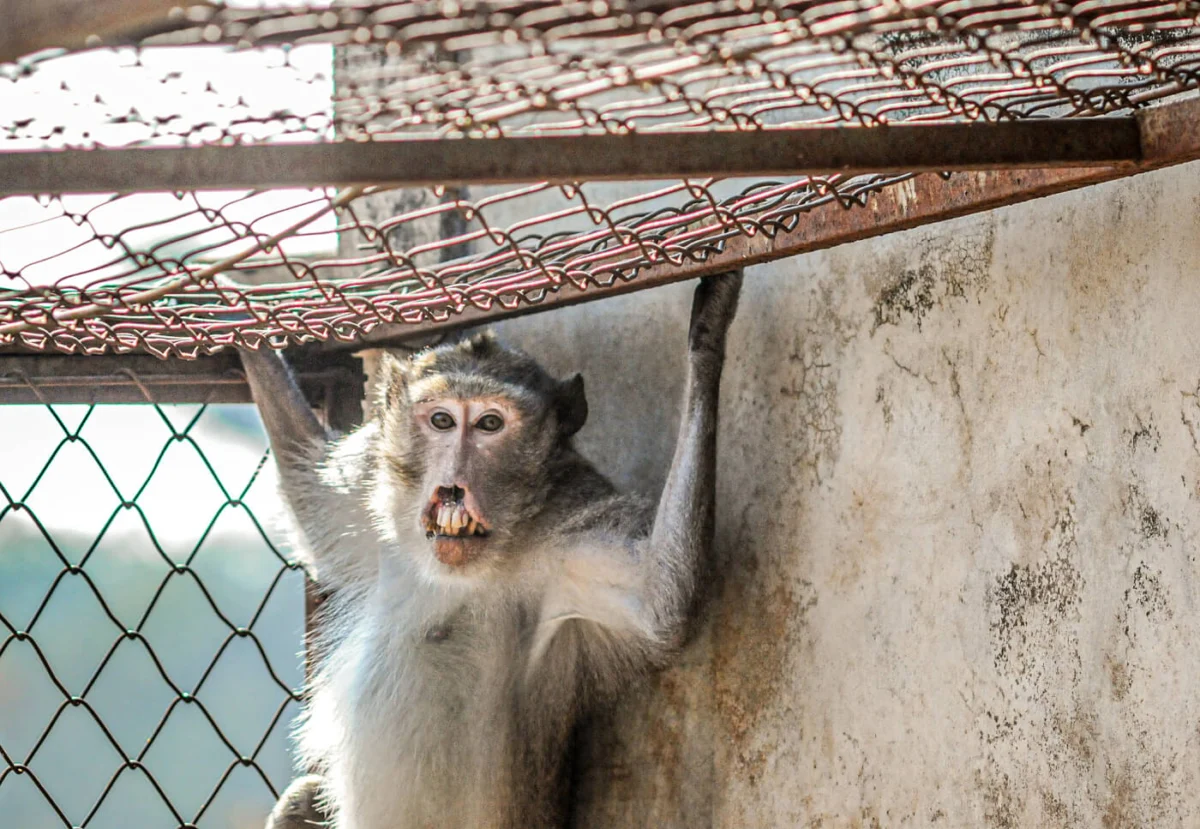
The demand for nonhuman primates in the U.S. is met primarily through imports from Southeast Asia and Mauritius. The industry is dominated by the trade of long-tailed macaques (Macaca fascicularis), a species that was once considered common but has recently seen its status downgraded to "Endangered" by the International Union for Conservation of Nature (IUCN). The IUCN specifically cited the international trade for laboratory research as a primary driver of this decline.
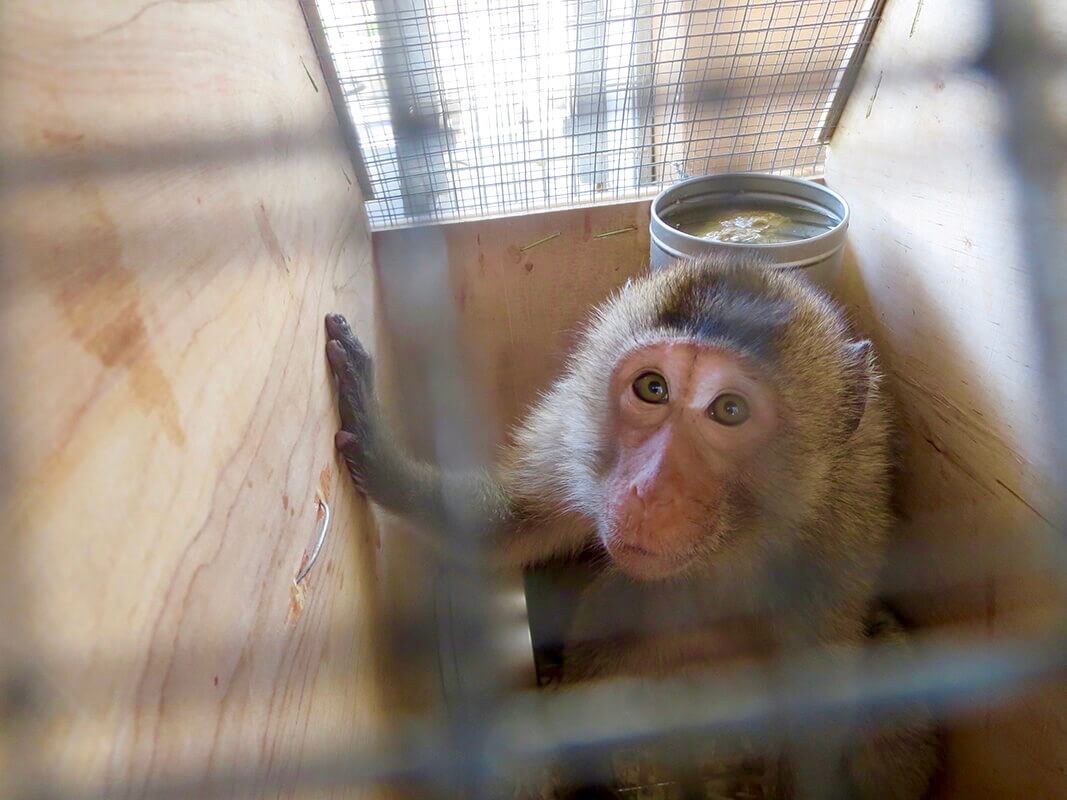
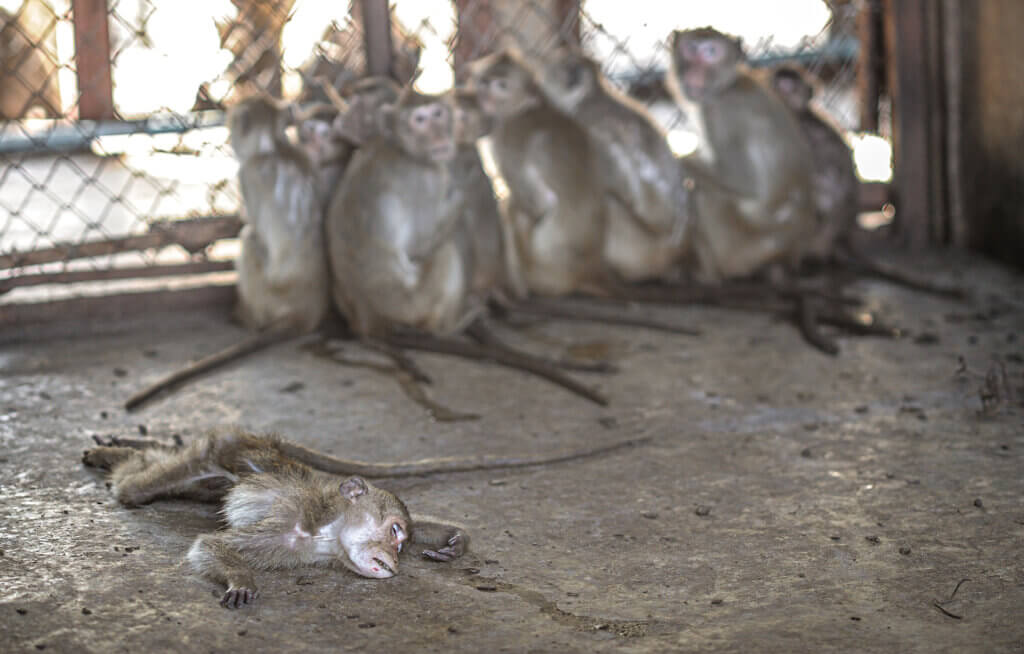
The supply chain begins in the forests of Cambodia, Indonesia, and Vietnam, or on the island nation of Mauritius. Historically, breeding facilities in these regions claimed to produce captive-bred monkeys. However, investigative reports and recent federal indictments suggest a more violent reality. To keep up with demand and maximize profit, wild monkeys are frequently trapped, separated from their social troops, and funneled into "monkey factory farms." In these facilities, wild-caught individuals are allegedly mixed with captive-bred ones, provided with fraudulent paperwork, and sold to U.S. labs for thousands of dollars "per tail."
Chronology of the Importation Process
The journey of a laboratory-bound monkey is characterized by high levels of stress, physical trauma, and significant mortality rates. The timeline of this process typically unfolds over several months:
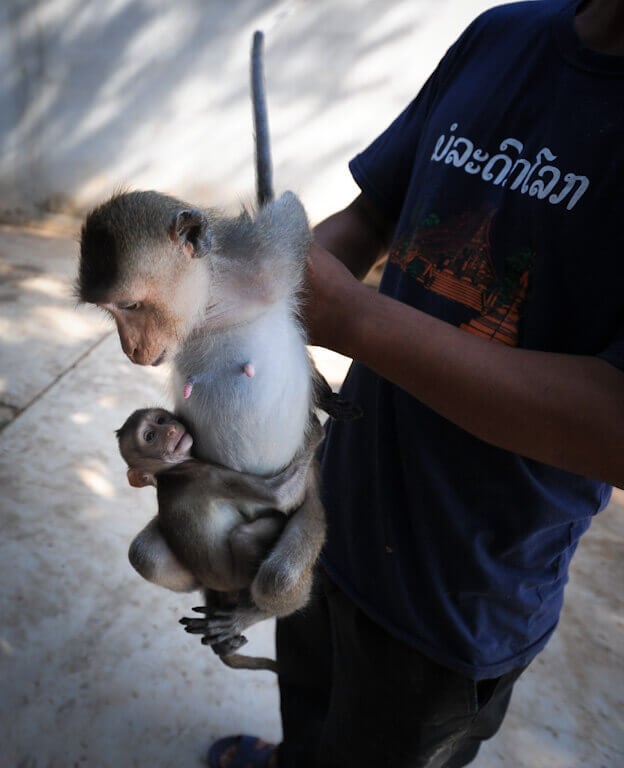
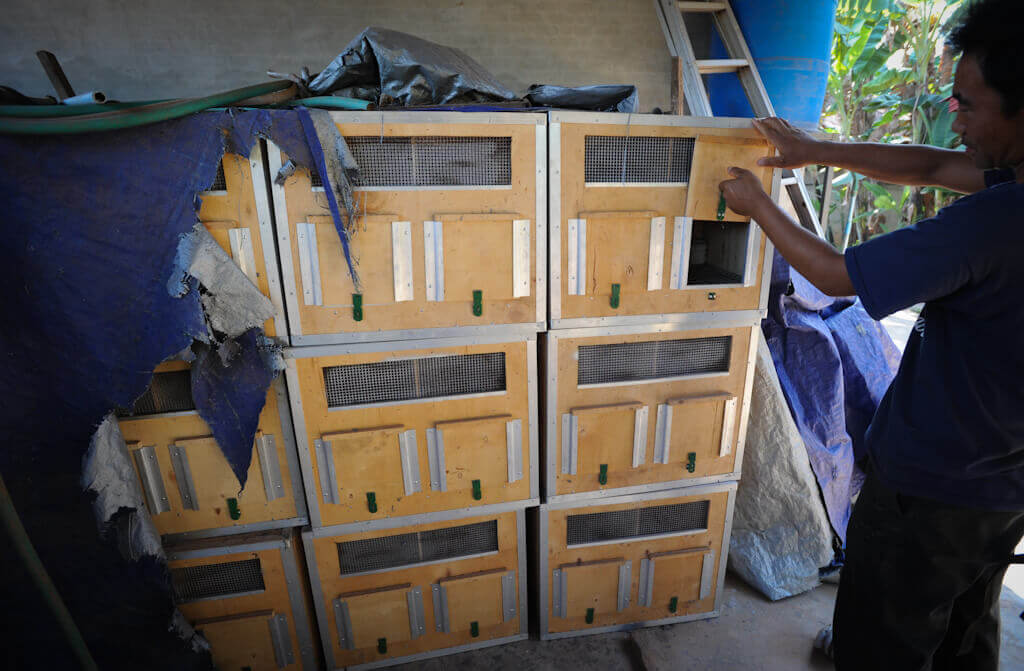
- Capture and Collection: Hunters trap wild monkeys using nets or baited crates. In many instances, nursing mothers are targeted, and their infants are forcibly removed. Survivors of the initial capture are often stuffed into mesh bags or cramped wooden crates for transport to local holding centers.
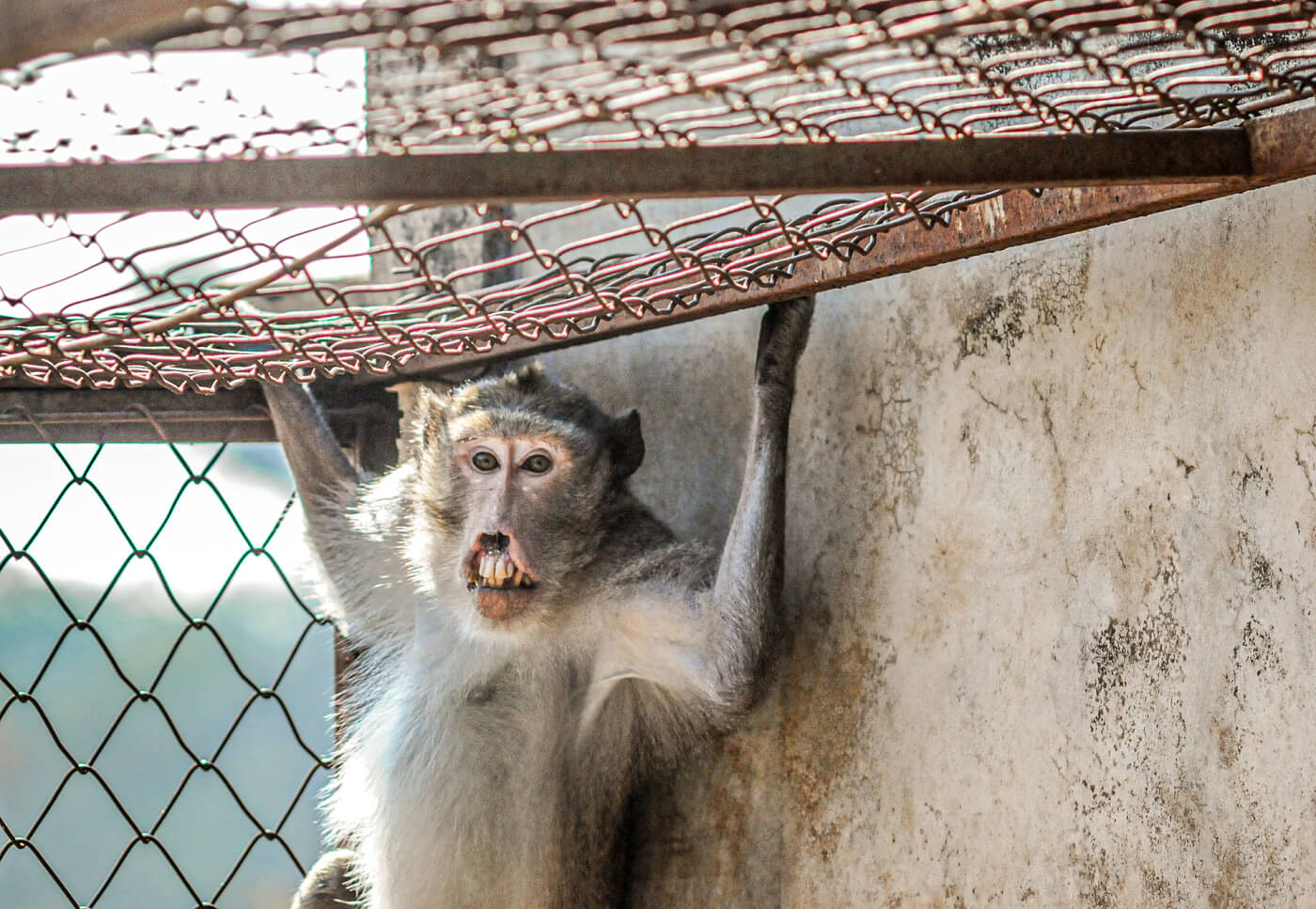
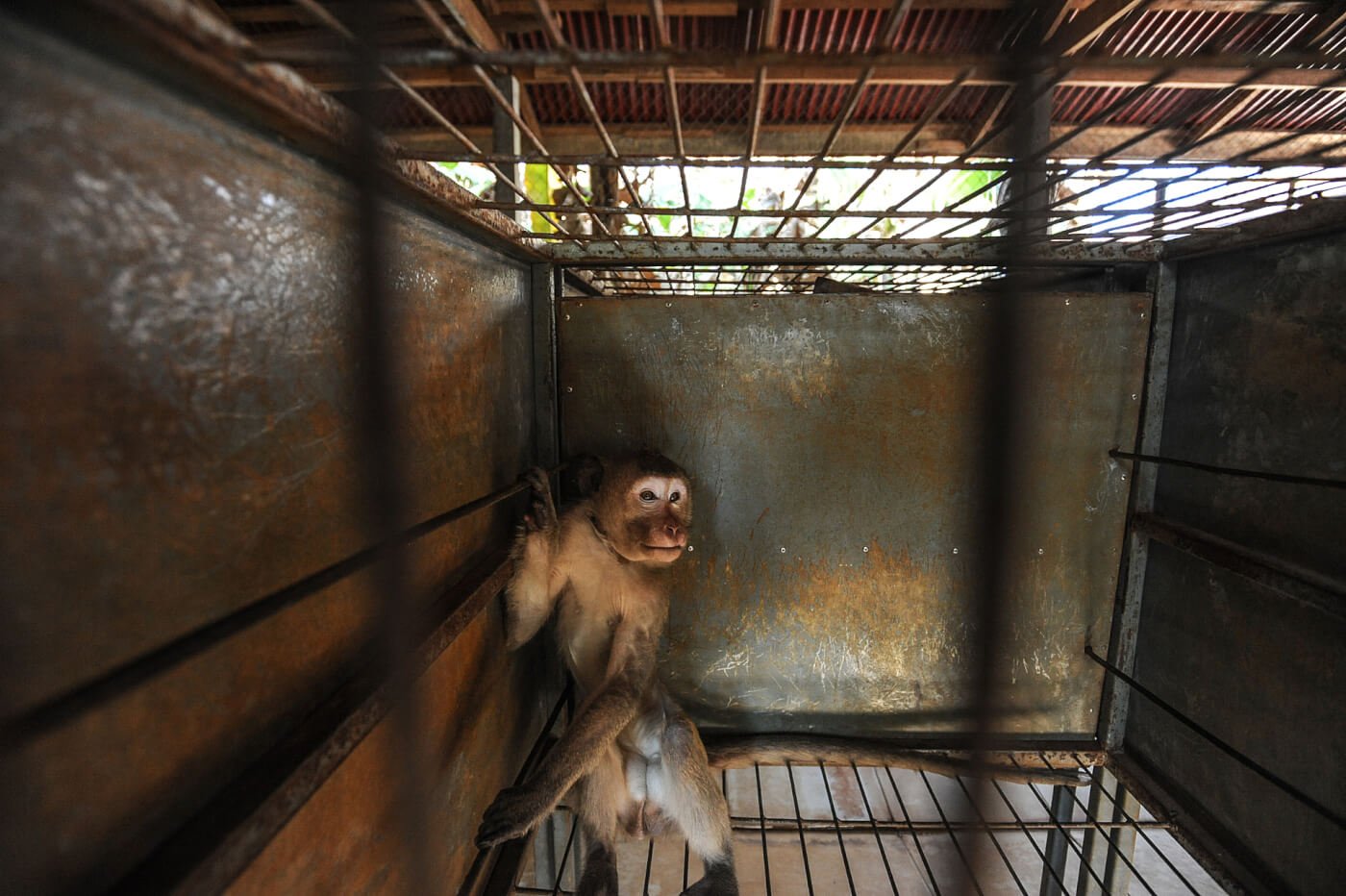
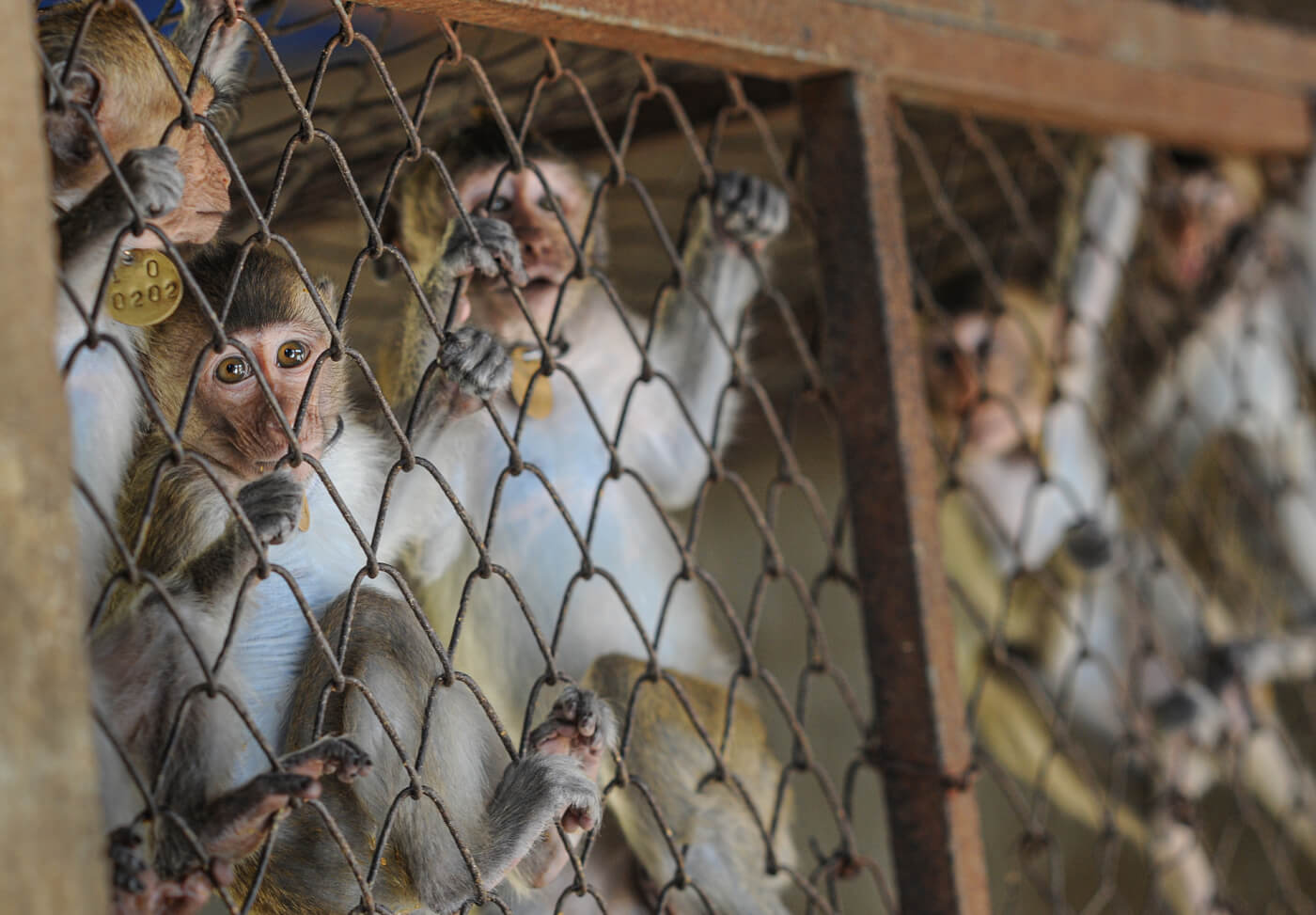
- Facility Integration: The animals are moved to large-scale breeding farms where they are held in barren, overcrowded conditions. Disease spreads rapidly in these environments, which often resemble "wet markets" due to the lack of sanitation and the high density of animals.
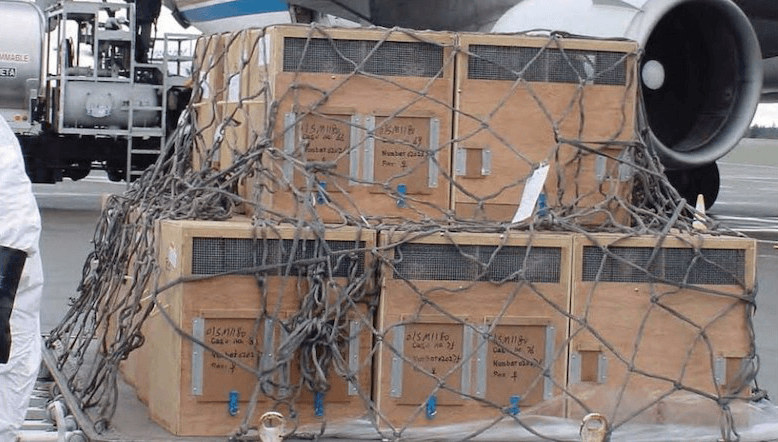
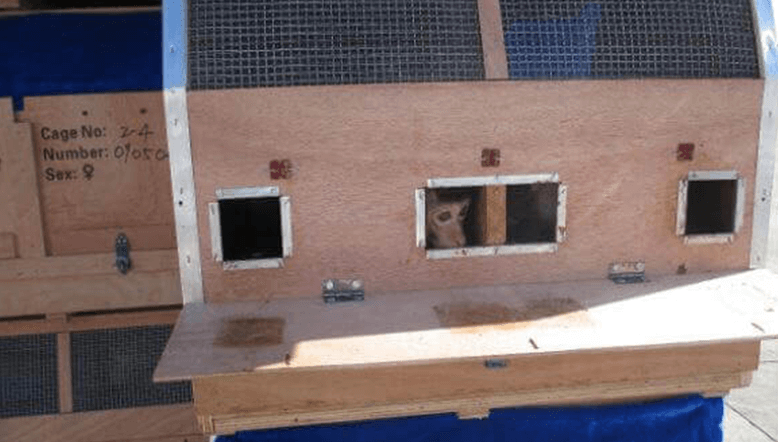
- International Air Transport: Once sold to U.S. importers, hundreds of monkeys at a time are packed into small wooden crates and loaded into the cargo holds of commercial or chartered aircraft. These flights can last over 30 hours, during which the animals remain confined in their own waste, often without adequate temperature control or hydration.
- Arrival and Quarantine: Upon landing at major U.S. ports of entry, the animals are transferred to quarantine facilities approved by the Centers for Disease Control and Prevention (CDC). These sites are often referred to as "black sites" because their locations and the health status of the animals within them are shielded from public view.
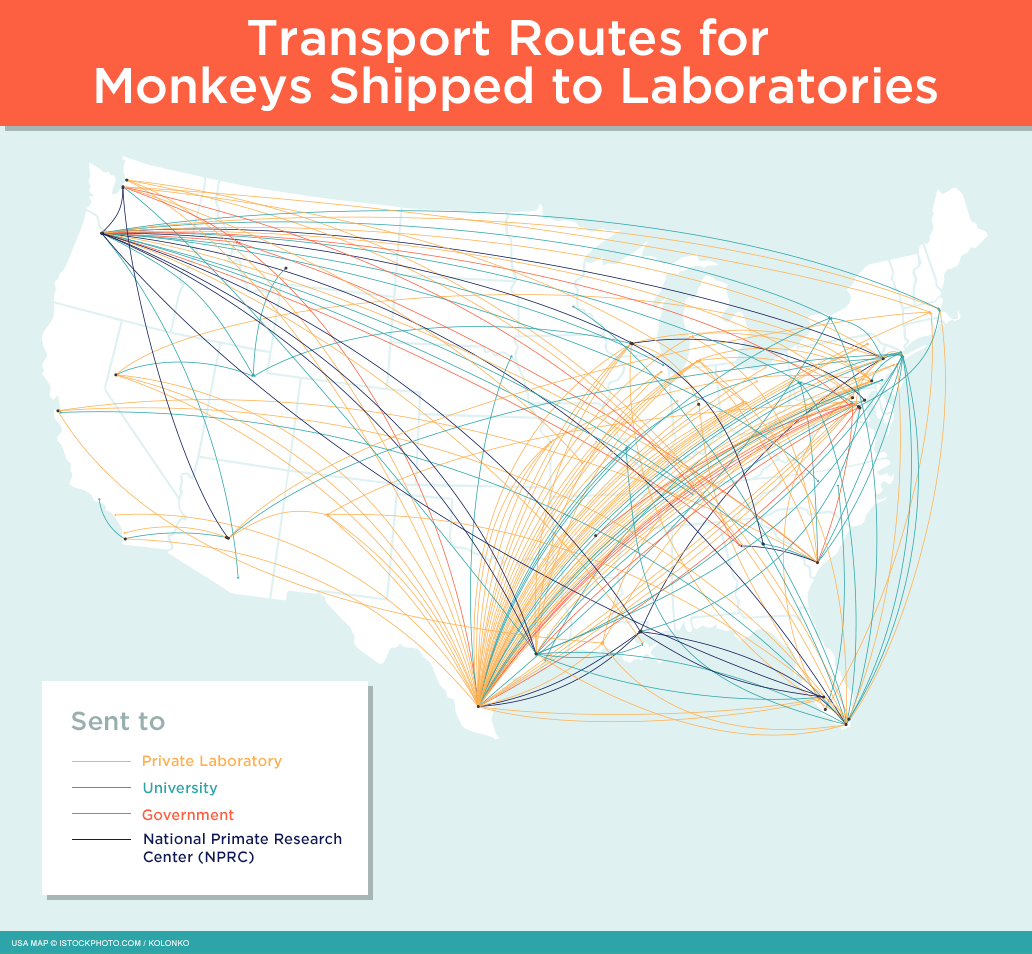
- Final Distribution: After a mandatory 31-day quarantine period, the monkeys are loaded onto unmarked trucks and driven to private pharmaceutical labs, university research centers, or federal facilities across the country.
Environmental Impact and the Threat of Extinction
The scale of the trade has reached a tipping point for primate conservation. Data from the U.S. Fish & Wildlife Service indicates that the U.S. imported approximately 30,000 long-tailed macaques in 2021 alone. Primate experts warn that the removal of breeding-age individuals from the wild disrupts the social hierarchy and reproductive success of remaining troops.

The "monkey laundering" phenomenon has further complicated conservation efforts. In late 2022, the U.S. Department of Justice charged several Cambodian officials and facility owners with conspiring to smuggle wild-caught long-tailed macaques into the U.S. by falsely identifying them as captive-bred. This legal action highlighted the industry’s role in bypassing the Convention on International Trade in Endangered Species of Wild Fauna and Flora (CITES) regulations, which are designed to protect vulnerable wildlife.
Public Health Risks and Zoonotic Disease
The biological similarity that makes monkeys attractive to researchers also makes them a significant vector for zoonotic diseases—illnesses that can jump from animals to humans. The CDC has long recognized this risk, banning the importation of primates for the pet trade in the 1970s. However, the exception for research remains a point of contention for public health advocates.
Primates imported from the wild or from unsanitary breeding farms can carry a range of pathogens, including:
- Herpes B Virus: Often fatal in humans if not treated immediately.
- Tuberculosis (TB): A highly contagious respiratory infection.
- Ebola-reston: A strain of the Ebola virus found in macaques.
- Simian Hemorrhagic Fever Virus: While not currently known to infect humans, it is devastating to primate colonies.
- Parasitic Infections: Including malaria, shigellosis, and salmonella.
The risk to the public was brought into sharp focus in January 2022, when a truck carrying 100 long-tailed macaques crashed in Danville, Pennsylvania. Several monkeys escaped into the surrounding woods, prompting a frantic search by state police and the CDC. A local resident who came into contact with the escaped animals was later forced to undergo medical treatment for potential disease exposure. This incident underscored the fact that these animals are frequently transported on public highways in unmarked vehicles driven by contractors who may not be fully trained in biohazard containment.
The Efficacy Debate in Biomedical Research
Despite the high cost—both financial and ethical—of the primate trade, the scientific community is increasingly divided on the necessity of these experiments. Data cited by the National Institutes of Health (NIH) and the U.S. Food and Drug Administration (FDA) suggests a staggering failure rate in animal-to-human translation. Approximately 95% of all new drugs that test safe and effective in animal trials ultimately fail in human clinical trials because they are either found to be toxic or simply do not work.
Critics of the industry argue that the reliance on primate models is a "sunk cost" fallacy, where billions of dollars continue to be poured into a system that yields diminishing returns. Advanced alternatives, such as organ-on-a-chip technology, high-speed computer modeling, and human-patient-derived stem cells, are increasingly viewed as more accurate and ethical pathways for medical discovery. The passage of the FDA Modernization Act 2.0 in late 2022 marked a legislative shift, as it removed the federal requirement that all new drugs must be tested on animals before proceeding to human trials.
Lack of Industry Transparency
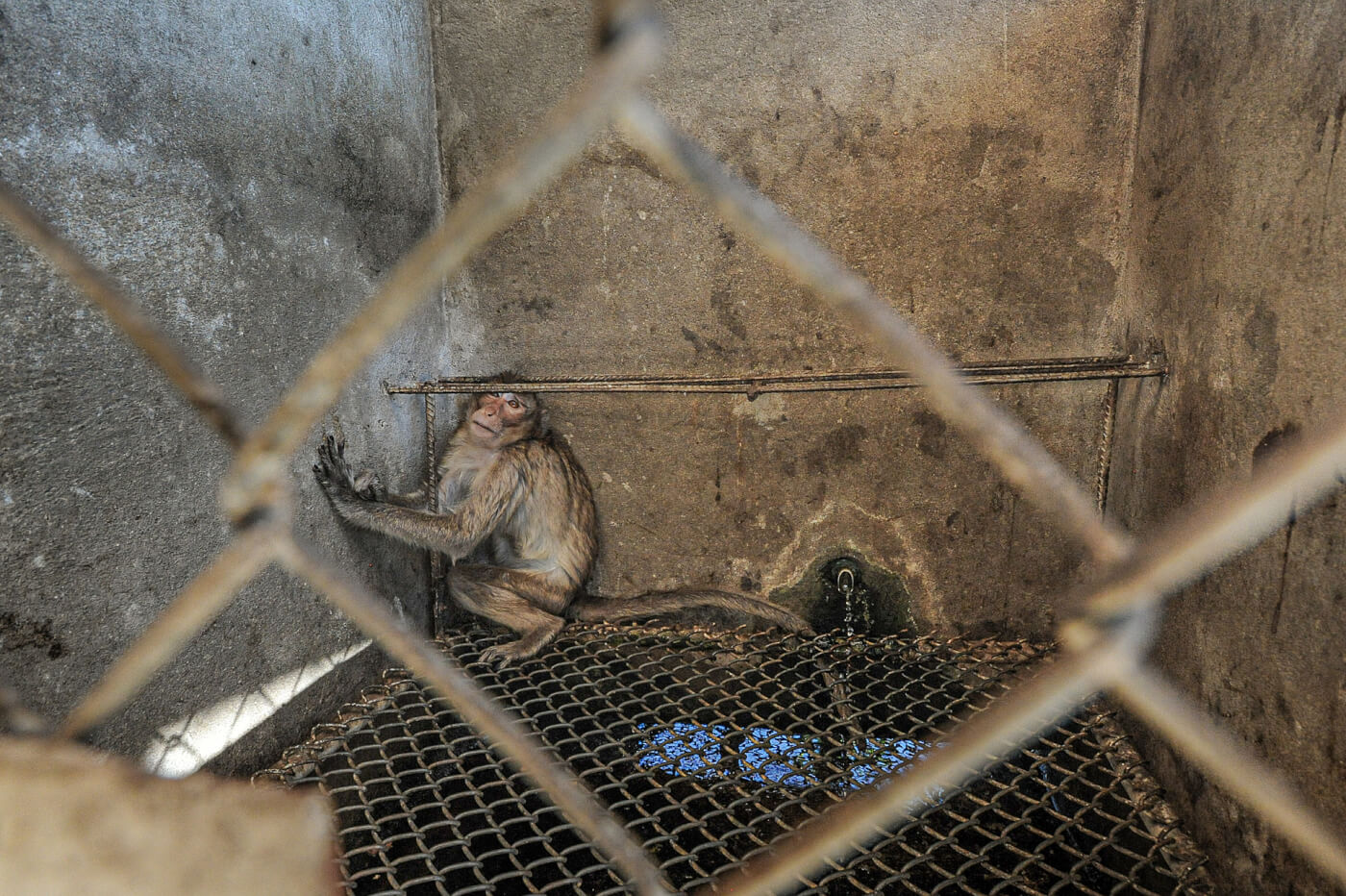
One of the most significant hurdles for public oversight is the pervasive secrecy surrounding the importation industry. Freedom of Information Act (FOIA) requests regarding primate shipments are frequently returned with heavy redactions, citing "proprietary business information." Information regarding the health of imported animals, including how many arrive dead or are euthanized during quarantine due to disease, is rarely disclosed to the public or even to local officials in the communities where these facilities operate.
Advocacy groups have called for greater accountability, noting that taxpayers often foot the bill for primate research through NIH grants. Without clear data on the origins of these animals and the health risks they pose, the public is left in the dark about an industry that operates in their own backyards.

Broader Implications and Future Outlook
The monkey importation industry stands at a crossroads. As global airlines face increasing pressure to stop transporting primates for research—with major carriers like Air France recently announcing a cessation of the practice—the logistics of the trade are becoming more difficult and expensive. Simultaneously, the ecological crisis facing the long-tailed macaque has forced a reevaluation of the ethics of wild-capture and large-scale breeding farms.
The shift toward non-animal research methods represents the most viable path forward for both conservation and public health. By investing in human-relevant science, the global research community can move away from a supply chain that thrives on the depletion of endangered species and the mistreatment of sentient beings. For now, however, the pipeline remains open, continuing to deliver a high-volume trade in life and death that remains largely hidden from the public eye.
