


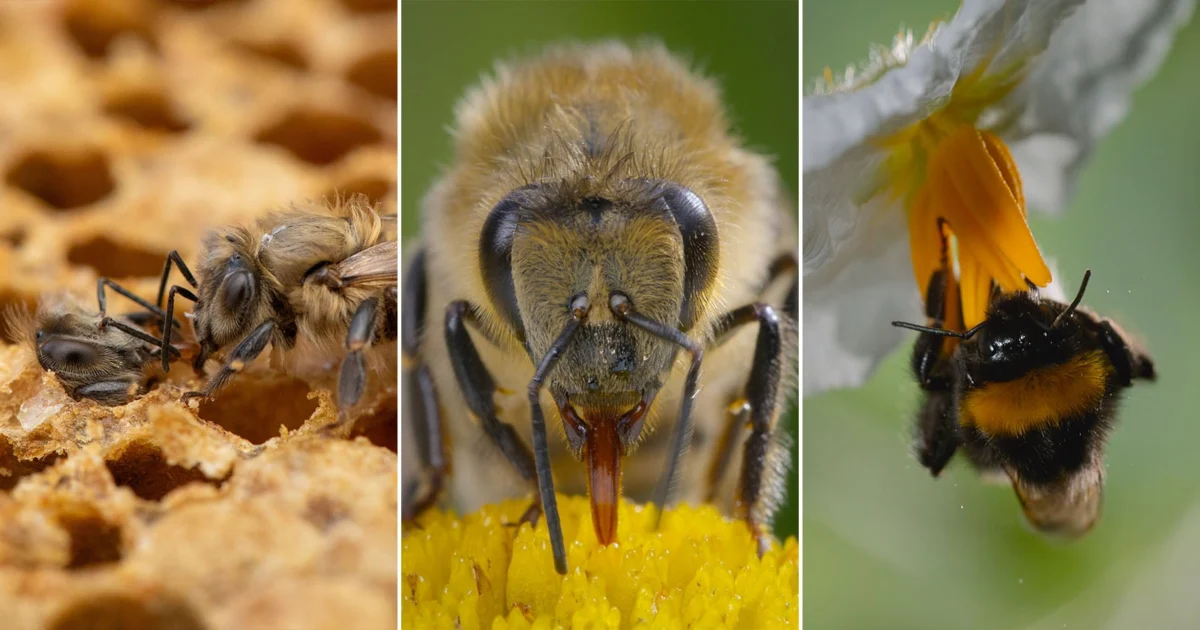
National Geographic has officially expanded its award-winning "Secrets of" franchise with the premiere of a groundbreaking two-part documentary series titled "Secrets of the Bees." Turning its high-definition lenses toward one of the planet’s most industrious and indispensable inhabitants, the series offers a transformative look at the complex lives, social structures, and survival strategies of various bee species. While the documentary is grounded in rigorous scientific inquiry, it is distinguished by its unprecedented cinematography, capturing macro-level behaviors that have never before been recorded on film. The production represents a culmination of years of field research and technical innovation, aiming to foster a deeper public understanding of creatures that are often overlooked despite their critical role in global food security and ecosystem health.
A Cinematic Tribute to Excellence and Innovation
The visual narrative of "Secrets of the Bees" is the result of a collaborative effort between two of the world’s most accomplished wildlife cinematographers: John Brown and the late Alastair MacEwen. MacEwen, a legendary figure in the natural history filmmaking industry whose career spanned decades and included work on numerous landmark documentaries, passed away recently. His contributions to "Secrets of the Bees" serve as a final testament to his enduring passion for the natural world and his relentless pursuit of technical perfection.
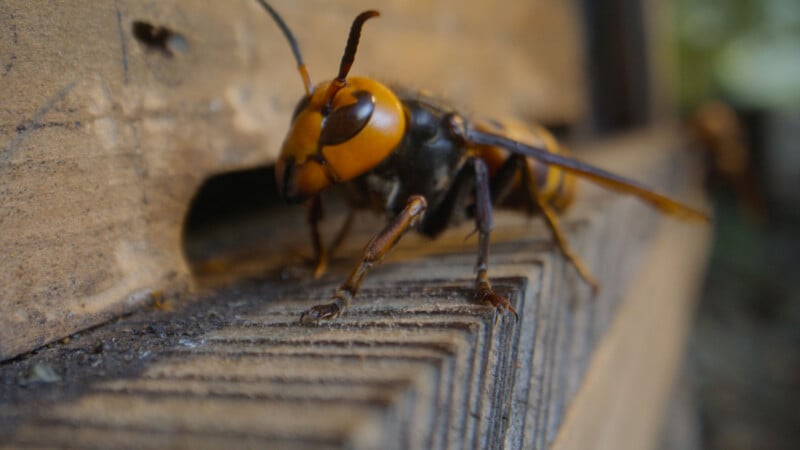
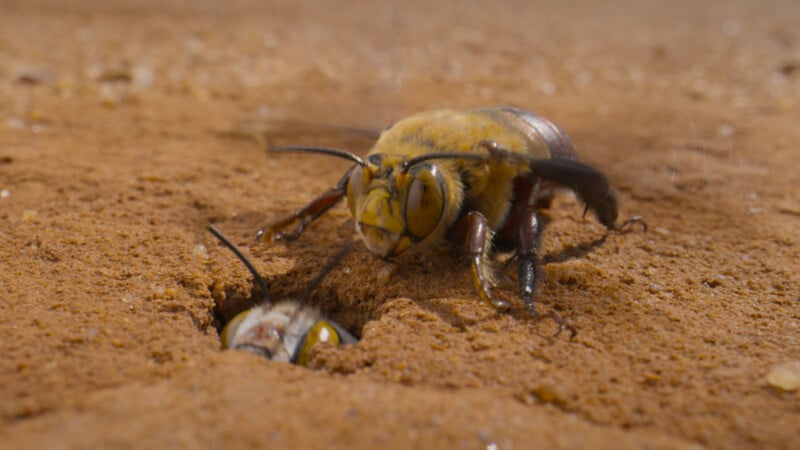
John Brown, an acclaimed photographer and filmmaker in his own right, reflected on the experience of working alongside MacEwen, describing him as a hero and a pioneer who set the gold standard for the industry. MacEwen was responsible for the majority of the honeybee sequences, utilizing his deep knowledge of hive dynamics to capture the intricate social maneuvers of the colony. Brown, meanwhile, focused on overseas assignments, documenting rare and specialized species across diverse geographic regions. His portfolio for the series includes the formidable Japanese giant hornet, the carrion-feeding vulture bees of South America, and the unique burrowing bees of Australia.
The production of the series was marked by an "intrinsically driven" curiosity, with the filmmakers often developing custom equipment to meet the unique challenges of macro-cinematography. The outpouring of respect from the filmmaking community following MacEwen’s passing underscores the impact of his work, which combined scientific accuracy with a profound sense of wonder.
Achieving Scientific "World Firsts" Through Macro Lens Technology
"Secrets of the Bees" is not merely a visual spectacle; it is a significant contribution to the field of entomology. The series features several "world firsts" in wildlife documentation, capturing behaviors that were previously only hypothesized by scientists or observed in controlled laboratory settings. Among these milestones is the first-ever footage of a broomstick bee in flight, a feat that required extreme precision due to the insect’s erratic movement and small size.
One of the most biologically fascinating sequences involves the vulture bees of South America. Unlike most bees that rely on nectar and pollen, these three species of stingless bees have evolved to feed on rotting meat. Brown spent three weeks in a swampy, rain-soaked environment to document the first-recorded footage of a vulture bee nest, providing a rare glimpse into the life cycle of these carrion-feeders.
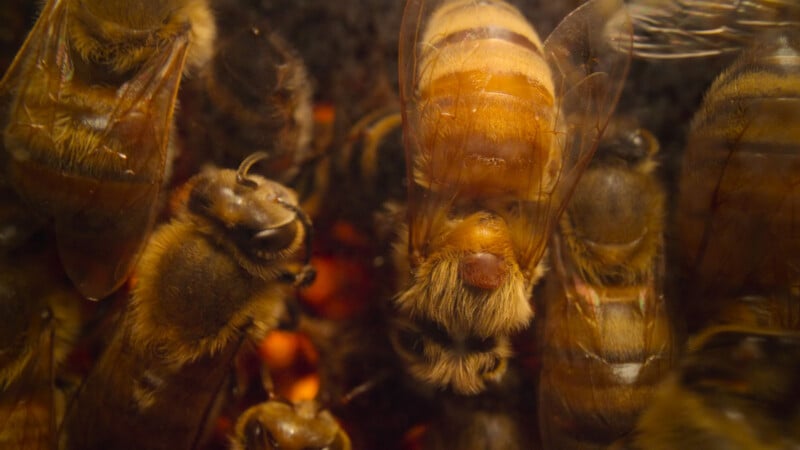
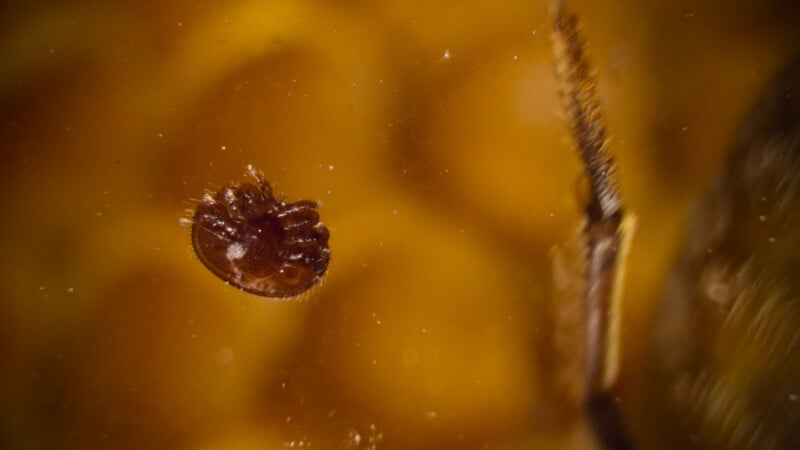
Furthermore, the series provides the first visual evidence of honeybees defending their colony against a Varroa mite invasion. The Varroa destructor mite is a parasitic threat that has decimated honeybee populations worldwide, contributing significantly to Colony Collapse Disorder (CCD). By capturing the bees’ defensive maneuvers in high definition, the documentary offers researchers new insights into how colonies attempt to mitigate these parasitic attacks.
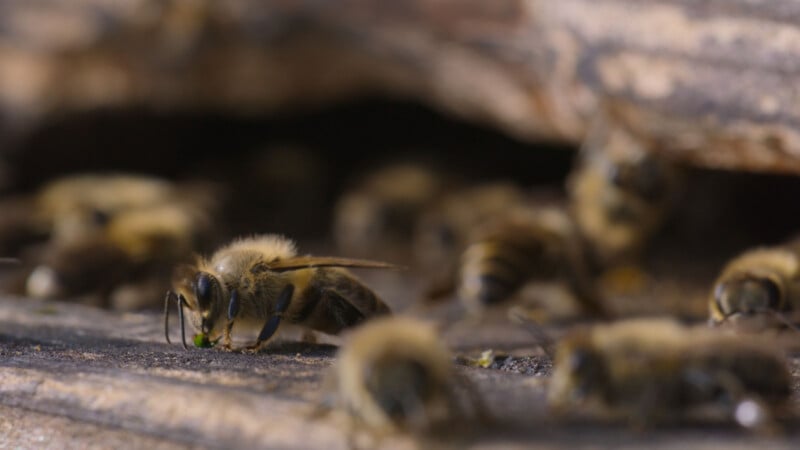
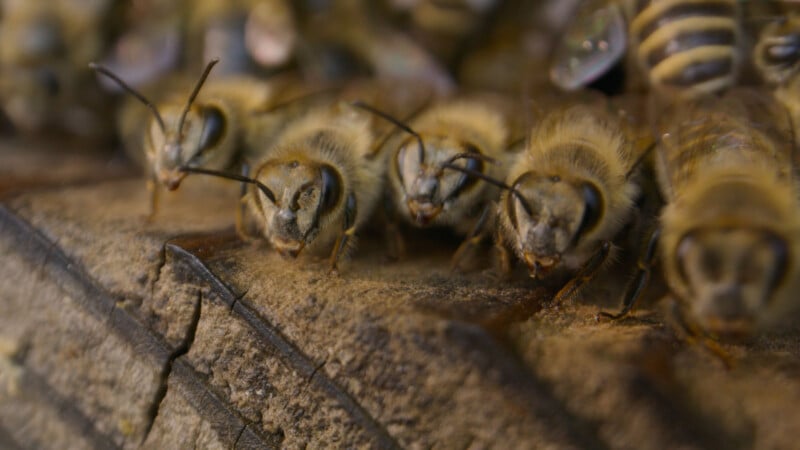
In Japan, the production team successfully filmed the sophisticated defensive strategies of Japanese honeybees (Apis cerana japonica) against the Asian giant hornet. The footage captures a remarkable behavior where the bees collect aromatic plant leaves and rub them around the hive entrance. This tactic is used to mask the pheromone markers left by hornet scouts, effectively "cloaking" the hive from a full-scale invasion. While this behavior had been described in scientific literature, "Secrets of the Bees" marks the first time it has been captured on film.
The Technical Rigor of Macro Wildlife Filmmaking
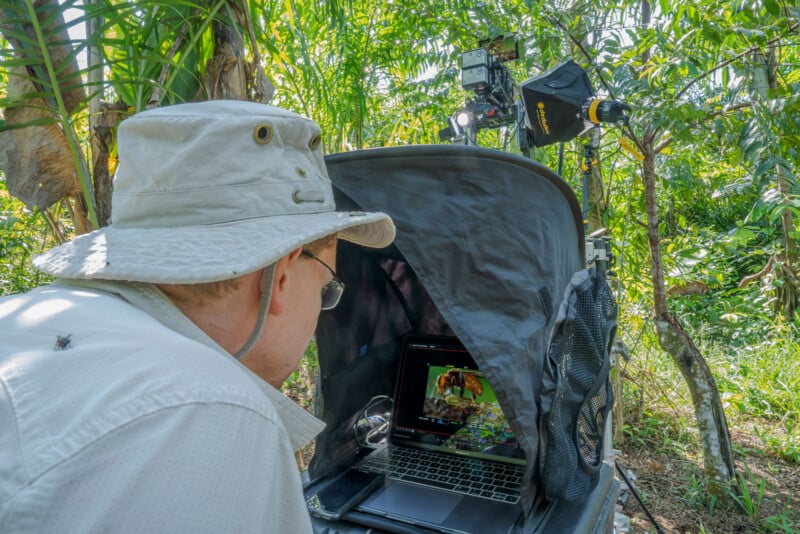
The process of filming insects at such a high level of detail is described by John Brown as a "mental drain" comparable to neurosurgery. Unlike filming large mammals such as tigers or chimpanzees, where the subject is easily tracked, macro filmmaking requires an extraordinary level of focus and manual dexterity. The depth of field at such high magnifications is often measured in millimeters, meaning that the slightest movement by the insect or the camera can result in a blurred image.
To overcome these physical limitations, Brown utilized a specialized system that allowed him to control the camera across three axes with extreme precision. This setup enabled him to pan, tilt, and focus simultaneously while monitoring the frame on a high-resolution screen. Brown estimates that this system was used for approximately 90% of his shots in the series. The goal was to move beyond the traditional "bug’s eye view" and instead treat the insects as characters in a cinematic narrative.
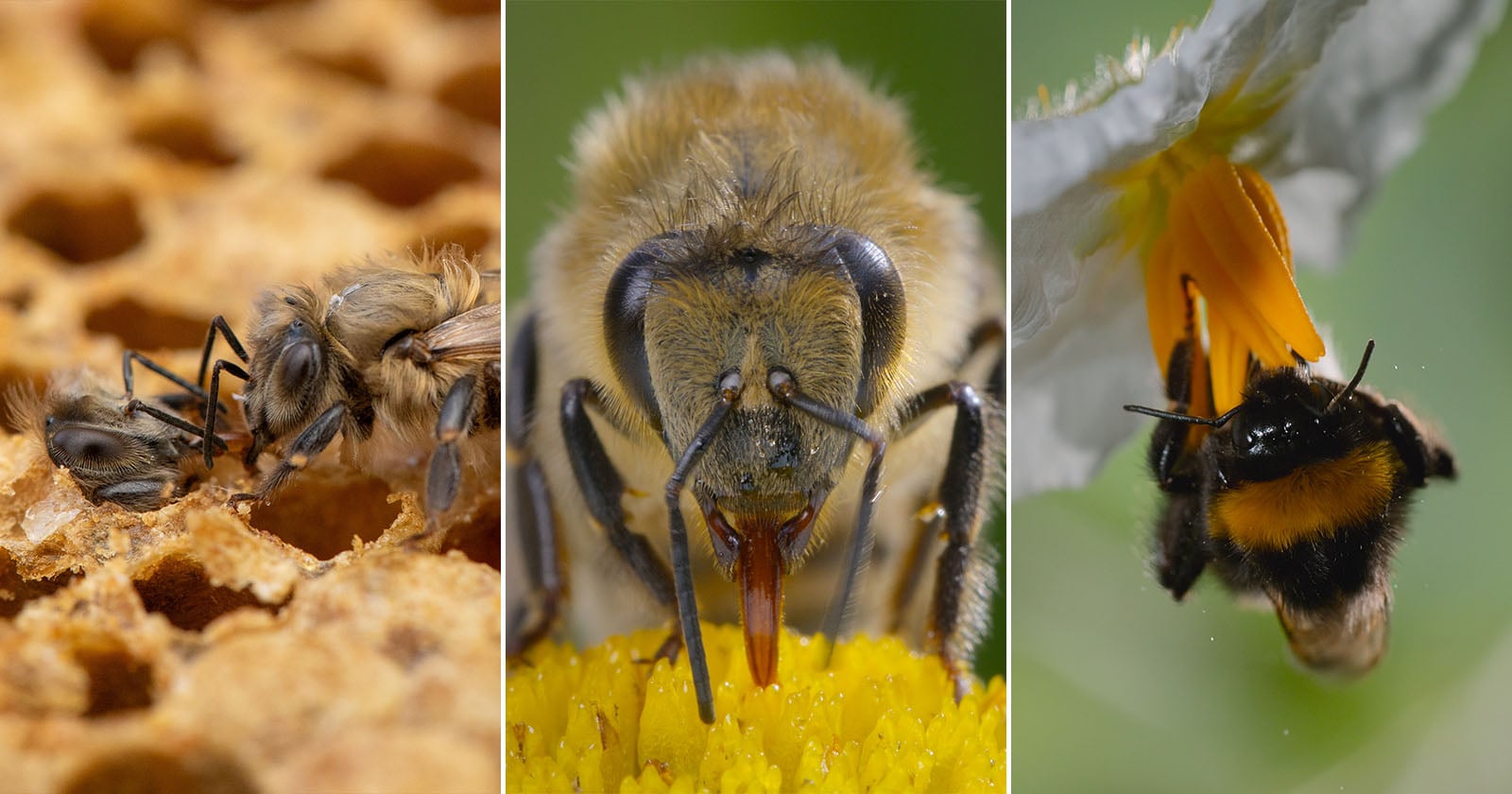
A key component of the technical kit was the Laowa Pro2be macro probe lenses. These wide-angle macro lenses, including 24mm and 35mm variants, allowed the filmmakers to capture detailed close-ups while maintaining a sense of the surrounding environment. This "wide macro" approach is aesthetically different from traditional macro photography, which often isolates the subject against a blurred background. By keeping the environment in view, the filmmakers were able to provide context for the bees’ behavior, making the tiny subjects feel as engaging and relatable as larger animals.
Broader Environmental Context and the Importance of Pollinators
The release of "Secrets of the Bees" comes at a critical juncture for global biodiversity. Bees are the world’s most important pollinators, responsible for the reproduction of nearly 90% of the earth’s wild flowering plant species and more than 75% of the world’s food crops. In the United States alone, honeybees contribute an estimated $15 billion annually to the economy through their pollination services.
Despite their importance, bee populations are facing unprecedented threats from habitat loss, pesticide use, climate change, and pathogens. The documentary aims to bridge the gap between scientific data and public empathy by showcasing the intelligence and complexity of these insects. By highlighting the "secret" lives of bees—from their complex communication via the "waggle dance" to their collective decision-making processes—the series advocates for the conservation of these essential pollinators.
The documentary also explores the diversity of the bee world, moving beyond the well-known honeybee to examine solitary bees, stingless bees, and specialized hunters. This broader perspective helps to illustrate the intricate web of life that depends on these insects and the cascading effects that their decline could have on global ecosystems.
The Evolution of the "Secrets of" Franchise
"Secrets of the Bees" follows in the footsteps of several Emmy Award-winning predecessors within the National Geographic portfolio. The "Secrets of" franchise has previously explored the hidden lives of whales, elephants, and octopuses, each time utilizing cutting-edge technology to reveal behaviors that were previously hidden from human eyes.
The franchise is characterized by its commitment to storytelling that combines emotional resonance with scientific integrity. By focusing on a single group of animals over multiple episodes, the series allows for a deep dive into the evolutionary adaptations and social cultures of its subjects. "Secrets of the Bees" maintains this high standard, offering a two-part journey that is as educational as it is visually stunning.
The series is narrated with an emphasis on the "aha" moments—those instances where the viewer discovers a surprising fact or witnesses a behavior that challenges their preconceived notions about insects. This narrative style is designed to inspire a sense of stewardship for the natural world, encouraging viewers to appreciate the complexity of life even at its smallest scale.
Premiere and Global Distribution
"Secrets of the Bees" premiered on the National Geographic channel on March 31, reaching a global audience of nature enthusiasts and science advocates. Following its television debut, the series became available for streaming on Disney+ and Hulu on April 1, ensuring that its groundbreaking footage and conservation message remain accessible to a wide demographic.
As part of National Geographic’s broader mission to explore and protect the planet, "Secrets of the Bees" serves as a reminder of the extraordinary complexity existing just out of sight in our gardens, forests, and fields. The series stands as a tribute to the filmmakers who risked physical and mental exhaustion to bring these tiny wonders to the screen, and to the bees themselves, whose tireless work sustains life as we know it. Through its combination of "world-first" scientific footage and high-end cinematic artistry, the documentary sets a new benchmark for natural history filmmaking in the 21st century.
