


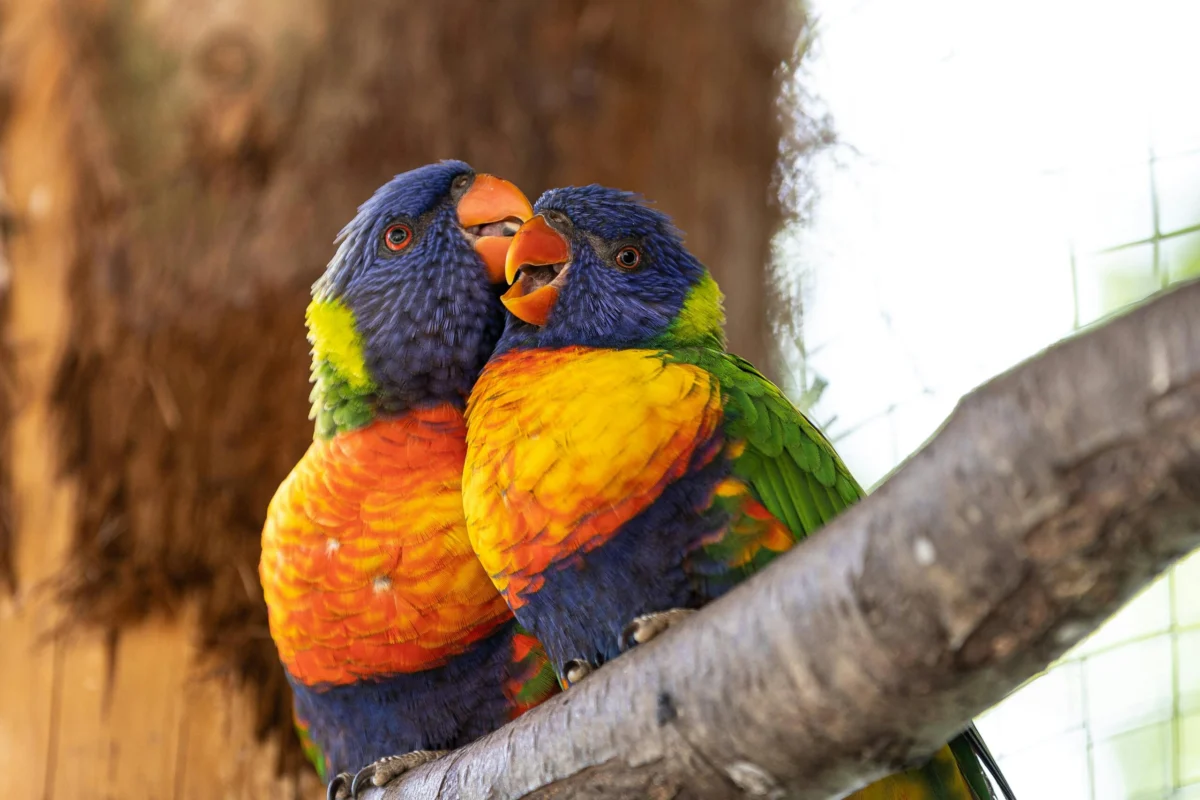
At first glance, the birds featured in this collection might seem too vibrant, their patterns too intricate, and their forms too fantastical to be real. They possess an almost surreal quality, resembling creations from animated films, digital art, or even elaborate toys rather than living creatures. Yet, each of these avian wonders exists in the wild today, a testament to the boundless creativity of evolution. Some can even be found within the United States, offering a chance for observant individuals to witness these breathtaking realities firsthand. This exploration delves into ten such birds, examining their extraordinary appearances and the evolutionary reasons behind nature’s seemingly unreal artistry.
The Resplendent Quetzal: A Jewel of the Cloud Forest
Often hailed as one of the most beautiful birds on Earth, the Resplendent Quetzal (Pharomachrus mocinno) appears as if it has flown directly from the pages of a myth or a fantasy epic. Its iridescent emerald green plumage, contrasted with a brilliant crimson breast, and the male’s extraordinarily long, flowing tail coverts – which can extend up to three feet – create a spectacle of unparalleled natural beauty. These stunning features are not merely decorative; they play a crucial role in mate selection.
Why it Looks Unreal: The quetzal’s dazzling colors are a product of structural coloration. Instead of relying solely on pigments, the microscopic structure of its feathers refracts light, producing vibrant, shifting hues that appear almost otherworldly. This phenomenon is particularly pronounced during the breeding season, where the males’ resplendent display signals their health and genetic fitness to potential mates. The sheer length and vibrancy of the male’s tail feathers are a significant investment, requiring energy to grow and maintain, and posing a potential challenge for evasion. However, their impressiveness is a powerful evolutionary advantage in attracting females.

Habitat and Conservation: Resplendent Quetzals inhabit the humid cloud forests of Central America, from southern Mexico to western Panama. Their specialized diet, which includes fruits like avocados and berries, and their reliance on large, old-growth trees for nesting, make them particularly vulnerable to habitat destruction. Deforestation due to agricultural expansion, logging, and infrastructure development poses the primary threat to their populations. Conservation efforts are focused on protecting their forest habitats and raising awareness about their ecological importance.
The Mandarin Duck: A Living Tapestry of Color
The Mandarin Duck (Aix galericulata) is a breathtaking waterfowl that seems to have been meticulously painted by an artist with an unrestrained palette. The male, in particular, is a riot of color, featuring a striking combination of iridescent green, purple, chestnut, and black, with distinctive orange "sails" extending from its back. Its face is adorned with intricate patterns of white, black, and russet, making it one of the most visually arresting duck species.
Why it Looks Fake: The Mandarin Duck’s plumage is a prime example of sexual dimorphism in the avian world, where males develop elaborate ornamentation to attract females. The complex and varied coloration, along with the unique feather structures, create a visual effect that is often described as artificial due to its sheer intensity and unusual combinations. These vibrant displays are crucial for courtship rituals, allowing males to stand out and demonstrate their desirability to females.
Distribution and Presence in the US: While native to East Asia, Mandarin Ducks have established small, feral populations in various parts of the world, including pockets in the United States. These populations are often found in parks, ornamental ponds, and urban waterways, where they have been introduced or escaped from captivity. Their presence in the US, though not widespread in the wild, adds to the surprise of encountering such an exotic-looking bird in a familiar setting.

The Painted Bunting: A Kaleidoscope in Feather Form
The Painted Bunting (Passerina ciris) is often referred to as the "most beautiful bird in North America" or the "rainbow bunting" due to its extraordinarily vibrant and multi-colored plumage. Adult males are a dazzling spectacle, with a sky-blue head, emerald green back, bright yellow underparts, and a red rump and breast. This combination of colors is so intense and varied that it can easily be mistaken for an artistic rendering rather than a natural specimen.
Where You Can See It: This jewel-toned bird is primarily found in the southeastern United States, with distinct populations in the Atlantic coast region and inland across Texas, Oklahoma, and Arkansas. They prefer dense shrubbery and woodland edges, often near agricultural fields. While their vibrant colors are most pronounced in males, females and juveniles exhibit more subdued but still attractive green and yellowish hues.
The Science Behind the Colors: The Painted Bunting’s spectacular coloration is a result of both pigments and structural coloration. The blues and greens are primarily structural, caused by the way light interacts with the feather’s microstructure. The reds and yellows are due to carotenoid pigments obtained from their diet, which includes seeds, fruits, and insects. The intensity of these colors is strongly linked to the bird’s health and diet, serving as a visual indicator of its condition to potential mates and rivals. This "painted" appearance is a significant factor in mate selection, with brighter males often being more successful in attracting females.
The Violet-Backed Starling: A Shimmering Spectacle of Iridescence
The Violet-Backed Starling (Cinnyricinclus leucogaster) presents a striking visual paradox. At first glance, its plumage appears a deep, almost unreal violet. However, this is not due to pigment alone but rather the fascinating phenomenon of iridescence. The feathers, particularly on its back and wings, possess a complex microscopic structure that reflects light in a way that creates a brilliant, shimmering violet hue that changes with the angle of observation.

A Reminder of Avian Vision: This bird serves as a profound reminder that birds perceive the world and its colors very differently from humans. Their visual systems are often more sensitive to certain wavelengths, and their ability to see ultraviolet light can make their own plumage appear even more spectacular to them than it does to us. The iridescent violet is a dynamic display, catching the light and shifting in intensity, making the bird seem to glow.
Geographic Range: This species is found in sub-Saharan Africa, inhabiting woodlands, savannas, and forest edges. While not found in the wild in the United States, its stunning appearance makes it a compelling example of nature’s capacity for producing visually astonishing creatures.
The Atlantic Puffin: A Clown of the Sea
The Atlantic Puffin (Fratercula arctica) is an endearing seabird whose breeding plumage gives it a distinctly comical and almost cartoonish appearance. Its black and white tuxedo-like body, combined with a remarkably large, brightly colored bill – featuring vibrant stripes of yellow, orange, and blue – makes it instantly recognizable and seemingly out of a storybook.
Why it Looks Fake: The puffin’s exaggerated features, especially its oversized and vividly patterned bill, contribute to its unreal appearance. This bill is not just for show; it is a crucial tool for catching and holding fish, which they can carry in large quantities to feed their young. The bill’s colors are most intense during the breeding season, serving as a visual signal to attract mates and possibly for species recognition.

Seasonal Transformation: A fascinating aspect of the puffin’s biology is the dramatic change in its appearance throughout the year. While its breeding plumage is extraordinarily vibrant, their colorful bills and facial markings fade significantly during the non-breeding season when they spend most of their time at sea. This seasonal transformation makes their summer appearance even more striking by contrast.
The Golden-Headed Quetzal: A Vision of Emerald and Ruby
Sharing the stage with its more famous cousin, the Golden-Headed Quetzal (Pharomachrus auriceps) is another avian marvel that appears almost too perfect to be real. This bird boasts a brilliant emerald green body, a striking crimson chest, and a distinctive golden-yellow head that gives it its name. Its overall coloration is so vivid and harmonious that it can easily be mistaken for a digital enhancement.
The Science of Its Shine: Like many brilliantly colored birds, the quetzal’s hues are a result of both pigments and the structural properties of its feathers. The iridescent greens and blues are created by microscopic structures within the feathers that scatter light, producing luminous and shifting colors. The reds and yellows come from pigments. This interplay of structural coloration and pigment allows for the creation of intensely saturated and vibrant colors that are essential for attracting mates and establishing social hierarchies within their species.
Habitat: This species is found in the mountainous cloud forests of Central and South America, preferring humid, high-altitude environments. Their presence in these remote and often inaccessible regions adds to their mystique.

The Blue Jay: A Common Bird with an Uncommon Hue
The Blue Jay (Cyanocitta cristata) is a familiar sight across eastern North America, yet its striking azure and white plumage, often accented with black and grey, can still evoke a sense of wonder. The vivid blue of its back and wings, coupled with its distinctive crest, gives it an almost artificial appearance, especially when observed up close.
A Surprising Fact About Its Color: The striking blue color of the Blue Jay is not due to a blue pigment. Instead, it’s a result of a phenomenon called structural coloration. The feathers have microscopic structures that scatter light, reflecting blue wavelengths more effectively. When a blue feather is crushed, the structural integrity is lost, and the blue color disappears, revealing a dull grey. This unique optical effect makes the Blue Jay’s color appear unusually vibrant and almost painted.
Distribution and Behavior: Blue Jays are known for their intelligence and boisterous calls. They are found in deciduous and mixed forests, as well as suburban areas. Their omnivorous diet includes nuts, seeds, insects, and even eggs of other birds, making them adaptable to various environments. Their presence across a wide range of habitats in the United States makes them one of the more accessible yet visually captivating birds on this list.
The Scarlet Macaw: A Symphony of Red, Yellow, and Blue
The Scarlet Macaw (Ara macao) is an iconic symbol of the tropics, renowned for its breathtakingly vibrant plumage. Dominated by a brilliant scarlet red, it is dramatically contrasted with bright yellow and vivid blue on its wings and tail. This bold and almost exaggerated color combination makes it appear as though it were designed by a surrealist artist.

Their Extreme Coloration Serves a Purpose: The macaw’s spectacular coloration is not merely for aesthetic appeal; it serves critical evolutionary functions. The bright colors are thought to aid in mate recognition and selection, with the intensity and purity of the colors potentially indicating the bird’s health and genetic quality. Furthermore, in the dense rainforest canopy, these vibrant colors may help macaws recognize each other at a distance, facilitating flock cohesion and communication.
Ecological Role and Threats: Scarlet Macaws are found in the tropical rainforests of Central and South America. They play an important role in their ecosystem as seed dispersers. However, like many tropical species, they face significant threats from habitat loss due to deforestation, the pet trade, and hunting. Conservation efforts are vital to protect their populations and ensure their continued presence in these vibrant ecosystems.
The Gouldian Finch: A Living Jewel of Multiple Hues
The Gouldian Finch (Erythrura gouldiae) is a small bird native to Australia that is famous for its extraordinarily diverse and vivid colorations. These finches can exhibit multiple head colors, including red, black, or yellow, contrasted with a vibrant green back and a striking purple or pink breast. Their multi-colored appearance is so intense and varied that they are often compared to living jewels or brightly colored gemstones.
Coloration and Social Behavior: Each distinct color morph in Gouldian Finches plays a role in their complex social behaviors and mate choice. Studies suggest that the specific colors and patterns can signal individual identity, health, and reproductive status. For instance, the intensity of the red on the head can be an indicator of health and dominance. This intricate system of visual communication underscores the importance of their vibrant plumage in their daily lives and reproductive success.

Conservation Status: Sadly, the Gouldian Finch is an endangered species, primarily due to habitat degradation and the illegal pet trade. Conservation efforts are underway to protect their remaining habitats in the Northern Territory and Western Australia and to combat illegal trapping.
The Keel-Billed Toucan: A Masterpiece of Avian Architecture
The Keel-Billed Toucan (Ramphastos sulfuratus) is instantly recognizable by its enormous, brightly colored bill, which features an astonishing array of rainbow hues – including green, blue, orange, and yellow. This oversized, multi-colored bill gives the toucan a whimsical and almost unreal appearance, making it one of the most distinctive birds in the world.
More Than Just a Pretty Bill: Despite its flamboyant appearance, the toucan’s massive bill serves several practical functions. One of its primary roles is thermoregulation. In the hot, humid climates where toucans live, the bill acts as a radiator, helping the bird release excess body heat. It is also used for reaching fruits on branches that are too thin to support the bird’s weight, for defense, and possibly for attracting mates and species recognition. The vivid coloration of the bill, while striking to humans, is thought to play a role in their social interactions and communication.
Habitat and Diet: Keel-billed toucans inhabit the tropical rainforests of Central and South America. They are primarily frugivores, feeding on a wide variety of fruits, but they will also supplement their diet with insects, eggs, and small vertebrates. Their presence is indicative of healthy forest ecosystems.

Why Birds Evolve Such Unreal Colors: Nature’s Palette for Survival and Communication
The astonishing colors and patterns of these birds are not mere accidents of nature but rather the result of sophisticated evolutionary processes. These vibrant displays are crucial for survival and communication, serving a multitude of purposes:
- Mate Attraction and Selection: In many species, particularly in the males, elaborate coloration is a primary tool for attracting females. Brighter, more vibrant plumage often signals good health, strong genes, and the ability to acquire resources, making the individual a more desirable mate. This is a key driver behind the evolution of spectacular colors in birds like the Resplendent Quetzal and the Painted Bunting.
- Species Recognition: In environments where multiple similar species coexist, distinct and vivid coloration can help birds recognize members of their own species, preventing interbreeding and ensuring reproductive success. The unique patterns of the Mandarin Duck, for example, aid in species identification.
- Camouflage and Predator Avoidance: While many of these birds are strikingly colorful, their plumage can also serve as camouflage in their specific environments. For instance, the mottled patterns of some birds can help them blend into their surroundings, making them harder for predators to spot. In other cases, bright colors might act as a warning signal (aposematism) to predators, indicating that the bird is distasteful or toxic.
- Thermoregulation: As seen with the Keel-Billed Toucan, large and brightly colored structures like bills can play a role in regulating body temperature by radiating excess heat.
- Social Signaling: Colors can communicate dominance, social status, and territorial claims within bird populations. For example, the intensity of a Blue Jay’s blue might signal its confidence and health to rivals.
- Communication in a Different Spectrum: It is vital to remember that birds perceive colors differently than humans. Many species can see ultraviolet light, which is invisible to us. This means that the colors we see are only part of the visual spectrum that birds experience, and their plumage may appear even more dazzling and complex to them.
Broader Impact and Implications: A Window into Biodiversity
The existence of these extraordinarily colored birds underscores the immense biodiversity of our planet and the incredible power of natural selection. Each species represents a unique evolutionary solution to the challenges of survival, reproduction, and communication in its specific ecological niche.
The existence of these visually stunning creatures also highlights the importance of conservation efforts. Habitat destruction, climate change, and pollution pose significant threats to many of these species, jeopardizing not only their existence but also the intricate ecological webs of which they are a part. The loss of even one species from such a vibrant display represents a reduction in the richness and complexity of life on Earth.
Furthermore, studying these birds offers valuable insights into the principles of optics, structural coloration, and the evolution of visual communication. Their seemingly unreal appearances are, in fact, highly functional adaptations that have been honed over millennia. As we continue to explore and understand the natural world, these birds serve as a constant reminder of nature’s unparalleled creativity and the profound beauty that can arise from the relentless forces of evolution. Their existence challenges our perceptions of reality and invites us to appreciate the wonders that often go unnoticed in the wild.
