


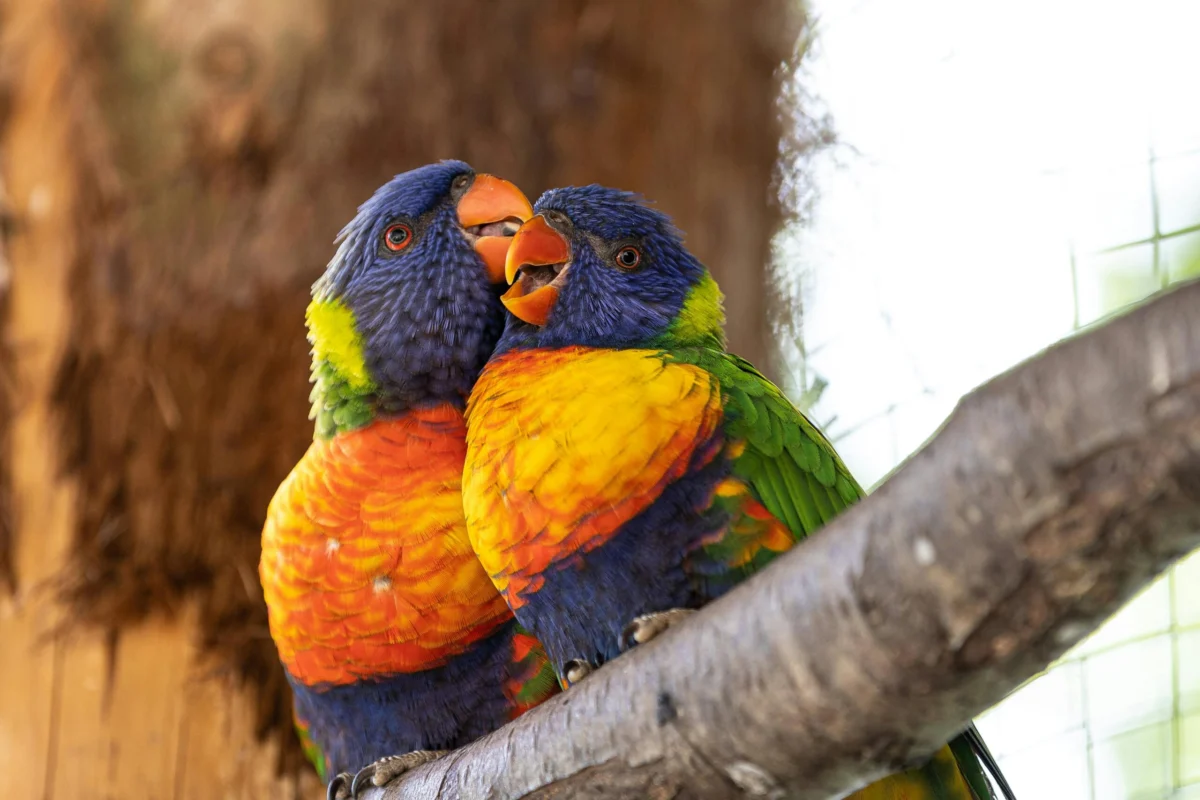
At first glance, the vibrant plumage and intricate patterns of certain avian species can leave observers questioning their reality. Their colors often appear too brilliant, their markings too precise, evoking the impression of toys, animated characters, or digital artistry rather than living creatures. However, each bird featured in this exploration is a testament to the breathtaking biodiversity of our planet, existing vibrantly in the wild. Several of these astonishing species can even be found within the United States, offering opportunities for local observation and appreciation. This article delves into ten birds that possess an almost unreal appearance, exploring the evolutionary and biological reasons behind their extraordinary aesthetics.
The Resplendent Quetzal: A Jewel of the Mesoamerican Forests
Often heralded as one of the most beautiful birds on Earth, the Resplendent Quetzal (Pharomachrus mocinno) seems to have flown straight out of a mythical realm. Its iridescent green plumage, contrasting sharply with a vivid red breast and a strikingly white undertail, is mesmerizing. Males are particularly renowned for their extraordinarily long, flowing tail coverts, which can extend up to three feet beyond their body, creating an ethereal spectacle as they move through the canopy.
Why it looks unreal: The quetzal’s breathtaking beauty is primarily a product of structural coloration and carotenoid pigments. The vibrant greens and blues are not due to pigments but rather to the way light reflects off the microscopic structure of its feathers. This structural coloration allows for an iridescent sheen that shifts and shimmers with movement, giving the bird an almost otherworldly glow. The brilliant red of its breast comes from carotenoids, pigments obtained from its diet.
Biological Significance: These dazzling colors serve a crucial role in mate selection. During the breeding season, the intensity and brilliance of a male quetzal’s plumage signal his health, vitality, and genetic fitness to potential mates. This intense visual display is a key component of their courtship rituals, ensuring the propagation of the species. The elaborate tail feathers, while stunning, are believed to be a sexually selected trait, indicating a male’s ability to survive and thrive despite the added burden of such conspicuous ornamentation.

Habitat and Conservation: Resplendent Quetzals inhabit the cloud forests of Central America, from southern Mexico to western Panama. Their reliance on pristine forest ecosystems makes them particularly vulnerable to habitat destruction due to deforestation for agriculture and logging. Conservation efforts are underway across their range, focusing on protecting and restoring their natural habitats. While not found in the wild in the United States, their stunning appearance continues to captivate ornithologists and nature enthusiasts worldwide.
The Mandarin Duck: A Canvas of Nature’s Artistry
The Mandarin Duck (Aix galericulata) presents a visual spectacle that often leads to disbelief. Its plumage is an astonishing mosaic of colors and patterns, with males sporting a truly unique and elaborate display. Shades of orange, purple, green, white, and chestnut intermingle in a way that appears almost too meticulously designed to be natural, resembling a piece of intricate textile art or a painter’s masterpiece.
Why it looks fake: The male Mandarin Duck’s flamboyant appearance is a result of highly specialized feather structures and pigmentation. The iridescent sheens, complex patterns, and contrasting colors are achieved through a combination of pigmentary colors (like melanin and carotenoids) and structural colors. The unique "sail" feathers on their backs, the distinctive orange "whiskers" or cheek tufts, and the vibrant patterns on their flanks all contribute to an effect that seems deliberately flamboyant.
Ecological Niche and Distribution: Native to East Asia, Mandarin Ducks have established small, feral populations in various parts of the world, including parks and ornamental ponds in the United States, particularly in regions like California and the Pacific Northwest. These populations often thrive in urban and suburban environments where they are provided with suitable aquatic habitats and are protected from predation. Their ability to adapt to these environments, while maintaining their spectacular appearance, is a testament to their resilience.
Behavioral Display: The intricate coloration of the male Mandarin Duck is primarily for attracting females. During the breeding season, these vibrant displays are amplified, serving as a beacon for courtship. Females, in contrast, are much more subtly colored in mottled brown and grey, providing effective camouflage while nesting. This stark sexual dimorphism highlights the evolutionary pressures driving such extreme visual displays in males.

The Painted Bunting: A Living Rainbow
The Painted Bunting (Passerina ciris) is often described as looking like several colors were "poured" onto it at once. This small songbird, found in the southeastern United States, boasts a dazzling array of colors, with males exhibiting a vibrant blue head, green back, and a bright red breast and underparts. Females and young males are a more subdued but still striking lime green.
Where you can see it: Painted Buntings are most commonly found in the southeastern United States, particularly in states like Texas, Oklahoma, Arkansas, Louisiana, Florida, and the Carolinas. They prefer dense shrubbery, vine tangles, and the edges of woodlands, often near agricultural fields or coastal areas. While their population has faced declines in some areas due to habitat loss, they remain a beloved sight for birdwatchers in their natural range.
Diet and Coloration: The bird’s remarkable colors are a fascinating interplay between diet and genetics. The vibrant red and orange hues are derived from carotenoid pigments obtained from their diet, which includes seeds, berries, and insects. The blue and green colors, on the other hand, are primarily structural. The combination of these pigments and structural elements creates the unparalleled, almost artificial-looking coloration that makes the Painted Bunting so distinctive.
Mating and Survival: As with many brightly colored birds, the male Painted Bunting’s vivid plumage plays a significant role in mate attraction. The intensity of their colors is an indicator of their health and foraging ability. These colors also serve as a form of intraspecific communication, allowing individuals to recognize each other and establish territories.
The Violet-Backed Starling: Shifting Hues of Iridescence
The Violet-Backed Starling (Cinnyricinclus leucogaster), also known as the Plum-colored Starling, appears to shimmer with an otherworldly purple hue. This effect is not due to a dense pigment but rather to a sophisticated interplay of light and feather structure.

Why it looks unreal: The striking violet coloration of the Violet-Backed Starling is a prime example of structural coloration. Microscopic structures within the bird’s feathers scatter light in a way that produces iridescent hues, particularly a deep violet that shifts and changes depending on the angle of light and the bird’s movement. This phenomenon creates a visual effect that seems almost too dynamic and luminous to be natural.
A Broader Perspective on Avian Vision: This bird serves as a potent reminder that the visual world perceived by birds is far richer and more complex than our own. Their tetrachromatic vision allows them to see ultraviolet light, a spectrum invisible to humans. This means that the iridescent displays, which already appear extraordinary to us, likely possess even greater depth and nuance when viewed by other birds, playing a crucial role in their social interactions and mating rituals.
Geographic Range: The Violet-Backed Starling is native to sub-Saharan Africa, inhabiting savannas, woodlands, and forest edges. While not found in the United States, its unique appearance continues to intrigue and inspire those who study or observe avian diversity.
The Atlantic Puffin: A Cartoonish Charm
The Atlantic Puffin (Fratercula arctica) possesses a distinctive appearance that often leads to comparisons with cartoon characters, especially during its breeding season. Its black and white tuxedo-like plumage, coupled with a brightly colored, oversized beak, creates a whimsical and almost comical look.
Why it looks fake: The puffin’s breeding plumage is particularly striking. Its black back and white belly, combined with a pale grey or white face and a vibrant, multi-colored beak (typically featuring shades of orange, yellow, and blue-grey), give it an exaggerated, almost artificial appearance. This dramatic coloration is temporary and is most pronounced during the mating and nesting periods.

Seasonal Transformations: A fascinating aspect of the puffin’s appearance is its seasonal transformation. While their breeding plumage is flamboyant and eye-catching, their winter appearance is much more subdued. During the non-breeding season, their beaks fade to a duller grey, and their facial feathers become darker, making them appear far less conspicuous as they spend months at sea. This dramatic shift underscores the adaptive nature of their coloration, emphasizing its role in reproductive success.
Habitat and Behavior: Atlantic Puffins are seabirds found in the North Atlantic Ocean. They nest in large colonies on rocky islands and coastal cliffs. Their breeding grounds are crucial for their life cycle, where they engage in elaborate courtship displays and raise their young. While their primary range is in the northern Atlantic, their unique appearance has made them a symbol of marine wildlife and a popular subject in nature photography.
The Golden-Headed Quetzal: A Symphony of Greens and Reds
A relative of the Resplendent Quetzal, the Golden-Headed Quetzal (Pharomachrus auriceps) also exhibits a strikingly vibrant appearance that seems almost unreal. Its body is a lustrous emerald green, contrasting with a brilliant crimson breast. What sets this species apart is its golden-yellow head, which adds a unique and regal touch to its already magnificent plumage.
Coloration Explained: The vivid green of its body, much like its cousin, is a result of structural coloration. The feathers contain microscopic structures that interfere with light waves, reflecting specific wavelengths to create the iridescent green sheen. The red breast is a result of carotenoid pigments, obtained through its diet. The striking golden-yellow head is also thought to be influenced by structural properties of the feathers, possibly enhanced by pigments.
Ecological Role and Habitat: These quetzals inhabit the montane cloud forests of the Andes in South America. They are frugivores, playing an important role in seed dispersal for various tree species, including the wild avocado, which forms a significant part of their diet. Their reliance on these specific forest ecosystems makes them indicators of forest health.

The Blue Jay: A Common Bird with Uncommon Coloration
The Blue Jay (Cyanocitta cristata) is a familiar sight across eastern and central North America, yet its brilliant blue, white, and black plumage often strikes observers as remarkably vivid. This commonality belies the sophisticated optical properties that create its striking coloration.
A Surprising Fact About Its Color: Contrary to what one might assume, the brilliant blue of a Blue Jay’s feathers is not due to blue pigment. Instead, it is created by the structure of the feathers themselves. Microscopic air pockets within the feather barbs scatter light, reflecting blue wavelengths. This phenomenon is known as Rayleigh scattering, similar to why the sky appears blue. This means that if a blue feather is crushed, its structural integrity is destroyed, and the blue color disappears, turning it a dull grey or black.
Habitat and Range: Blue Jays are adaptable birds, found in forests, woodlands, suburban gardens, and urban parks. Their presence across such a wide range in the United States makes them one of the most visible birds with such striking, yet seemingly artificial, coloration.
Behavioral Significance: The coloration of the Blue Jay is thought to play a role in social interactions, including territorial defense and courtship. Their intelligence is also well-documented, with observations showing them to be capable of complex problem-solving and tool use.
The Scarlet Macaw: A Tropical Masterpiece
The Scarlet Macaw (Ara macao) is an iconic symbol of the tropical rainforest, renowned for its spectacular and almost unbelievable coloration. Its plumage is a vibrant tapestry of scarlet red, bright yellow, and vivid blue, creating a visual impact that is both bold and breathtaking.

Extreme Coloration for Communication: The macaw’s extreme coloration is not merely for aesthetic appeal; it serves vital communication purposes in its natural environment. The bright red, yellow, and blue are highly visible against the green backdrop of the rainforest canopy. This allows macaws to easily locate and identify each other, crucial for flock cohesion and social bonding.
Diet and Health Indicators: The intensity of their colors can also be influenced by their diet, particularly their access to mineral-rich clay licks, which provide essential nutrients and help neutralize toxins from certain foods. The vibrancy of their plumage can therefore serve as an indicator of their health and access to resources, playing a role in mate selection.
Geographic Distribution: Scarlet Macaws are found in the humid evergreen forests of tropical South America and Central America, extending into parts of Mexico. While their range is primarily tropical, their striking appearance has made them a popular subject in zoos and aviaries worldwide.
The Gouldian Finch: A Living Gem of Australia
The Gouldian Finch (Erythrura gouldiae), native to Australia, is often considered one of the most vibrantly colored birds in the world. These small finches exhibit remarkable color variations, with common morphs featuring a black, red, or orange head, contrasted by a neon green back and a bright purple or yellow chest.
Varied Color Morphs and Their Significance: The diversity in head coloration among Gouldian Finches is a result of genetic variation. While all morphs are equally viable, researchers believe these color differences may play subtle roles in social dynamics and mate choice within finch populations. The overall dazzling combination of neon green, vibrant purple, and striking head colors creates an appearance that is almost jewel-like.

Social Behavior and Communication: The Gouldian Finch’s brilliant coloration is intrinsically linked to its social behavior. These finches are highly social birds, living in flocks. Their vivid colors facilitate individual recognition within the flock and are essential for courtship displays, with males using their spectacular plumage to attract females.
Conservation Status: Sadly, the Gouldian Finch is an endangered species, primarily due to habitat loss and degradation in its native Australia. Conservation efforts are focused on protecting its grassland habitats and addressing the threats that have led to its dramatic population decline.
The Keel-Billed Toucan: A Bill That Defies Logic
The Keel-Billed Toucan (Ramphastos sulfuratus) is instantly recognizable by its enormous, multi-colored bill, which features shades of green, blue, orange, and yellow. This oversized appendage, combined with its predominantly black body and a striking yellow or orange throat, gives the toucan a look that is both comical and extraordinary.
A Bill with a Purpose: While the toucan’s bill appears disproportionately large and brightly colored, it serves several crucial functions beyond mere aesthetics. Its hollow structure, filled with a network of air sacs, makes it lightweight despite its size. This allows it to be used for reaching distant fruits, as a tool for stripping bark, and importantly, for thermoregulation. In the warm tropical climates where toucans live, the bill acts as a radiator, releasing excess body heat to help the bird maintain a stable internal temperature.
Dietary Adaptations: The toucan’s bill is also perfectly adapted for its diet, which consists mainly of fruits. It allows the toucan to pluck fruits from branches that might not support its weight, and its serrated edges help in tearing and swallowing food. The vibrant colors of the bill are thought to be a form of communication, possibly used in courtship displays or territorial signaling.

Habitat and Distribution: Keel-billed Toucans are found in the tropical rainforests of Central and South America, from Belize to Colombia and Venezuela. They inhabit the canopy layer of these forests, playing a vital role in seed dispersal as they consume a wide variety of fruits.
Why Birds Evolve Such Unreal Colors
The evolutionary drive behind the often surreal coloration of birds is rooted in survival and reproduction. These vibrant hues and intricate patterns are not mere decorations but rather sophisticated tools honed by natural selection over millennia.
Bright colors help birds:
- Attract Mates: In many species, particularly among males, vivid plumage is a primary mechanism for attracting females. The intensity, complexity, and condition of these colors can signal a bird’s health, genetic quality, and ability to forage effectively, all desirable traits for successful reproduction. This sexual selection is a powerful evolutionary force driving the development of extreme coloration.
- Communicate within Species: Coloration plays a crucial role in intraspecific communication. It helps birds recognize their own species, distinguish between males and females, signal social status, and establish territories. The subtle variations in color can convey a wealth of information within a bird population.
- Camouflage and Mimicry: While some birds are brilliantly colored, others use their plumage for camouflage, blending seamlessly into their surroundings to avoid predators or ambush prey. In some cases, coloration can also be used for mimicry, allowing a less dominant species to benefit from the warning signals of a more dangerous one.
- Thermoregulation: As seen with the Keel-billed Toucan, large and brightly colored appendages can also serve physiological functions, such as regulating body temperature by radiating heat.
- Vitamin D Synthesis: While less direct, coloration can be indirectly linked to health. The ability to produce and maintain vibrant colors often requires a healthy diet rich in carotenoids, which are also beneficial for the bird’s immune system and overall well-being.
A Different Visual Spectrum: It is important to remember that many birds perceive colors differently than humans. Their visual systems are often more sensitive to ultraviolet (UV) light, meaning that colors that appear spectacular to us may possess even greater depth, intensity, and nuance to other birds. This expanded visual spectrum allows for a richer array of signaling and communication possibilities.
The Takeaway: Nature’s Unrivaled Creativity
The existence of birds with appearances so vibrant they seem unreal is a profound testament to the boundless creativity of nature. These creatures, far from being mere embellishments of the natural world, have evolved their extraordinary colors and patterns as essential tools for survival and communication. Their beauty is not arbitrary but deeply functional, serving critical roles in mate attraction, species recognition, and adaptation to their environments. Once one begins to observe and understand the evolutionary drivers behind these avian marvels, it becomes impossible to view them as mere illusions; they are instead breathtaking examples of life’s ingenuity, challenging our perceptions of what is possible and reminding us of the astonishing biodiversity that enriches our planet.
