


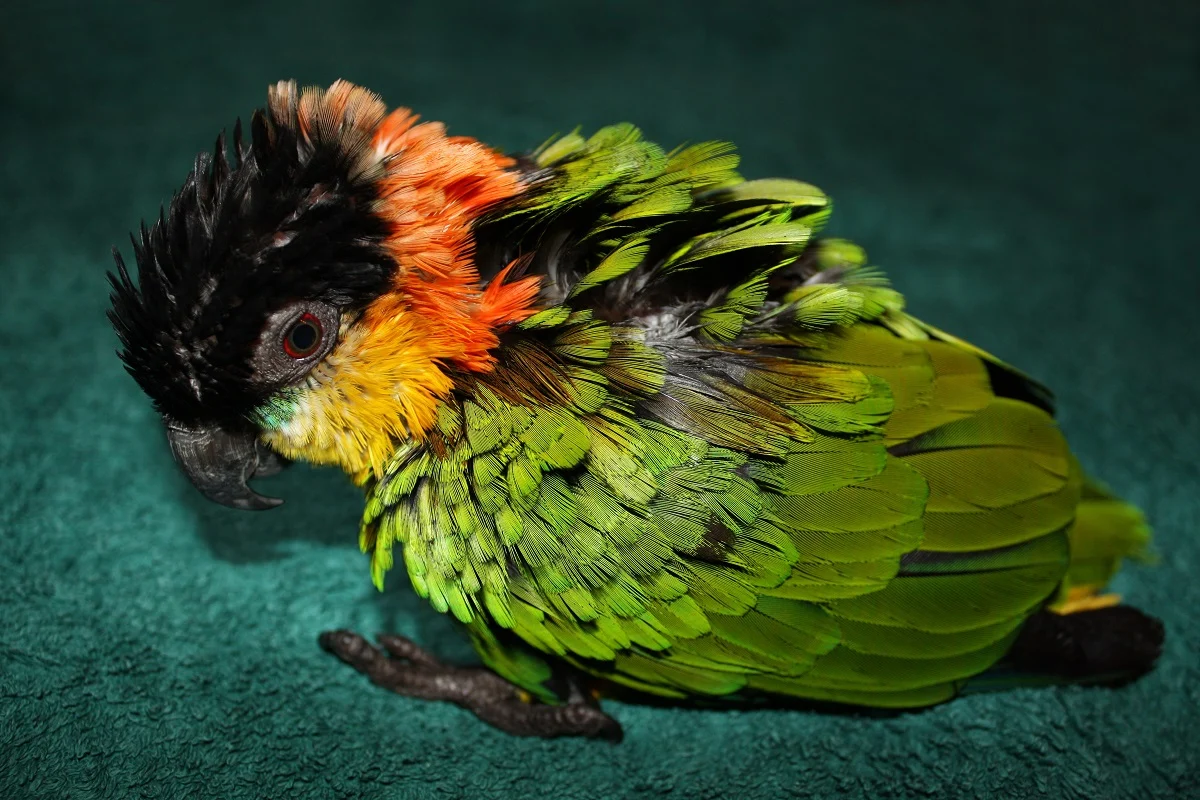
The prospect of a beloved feathered companion falling ill or sustaining an injury is a daunting thought for any parrot owner. Yet, preparing for such an emergency is not merely prudent; it can be the pivotal factor determining survival and recovery. This comprehensive guide outlines the essential steps and knowledge required to safeguard your parrot’s health, from preventative measures to immediate emergency responses, drawing on expert veterinary insights and best practices in avian care.
The Unique Vulnerability of Avian Companions
Parrots, despite their vibrant appearance and robust personalities, are inherently delicate creatures whose physiology differs significantly from mammals. Their high metabolism, small body mass, and unique respiratory systems mean that illness or injury can escalate rapidly, often with devastating consequences if not addressed promptly. Furthermore, as prey animals, parrots possess an instinctual ability to mask symptoms of illness or pain, a survival mechanism in the wild that can tragically delay intervention in a domestic setting. This innate behavior underscores the critical importance of owners being acutely attuned to their bird’s normal state and recognizing even the most subtle deviations. Statistics indicate that a significant percentage of avian veterinary visits are emergency-related, highlighting the unpredictable nature of pet bird health. For instance, data from exotic pet insurance providers often show trauma, respiratory distress, and toxic ingestions as leading causes of emergency presentations.
Proactive Preparedness: The Cornerstone of Avian Welfare
Effective emergency preparedness begins long before an incident occurs. A multi-faceted approach encompassing veterinary relationships, financial planning, environmental safety, and immediate care resources is crucial.
Establishing a Veterinary Relationship
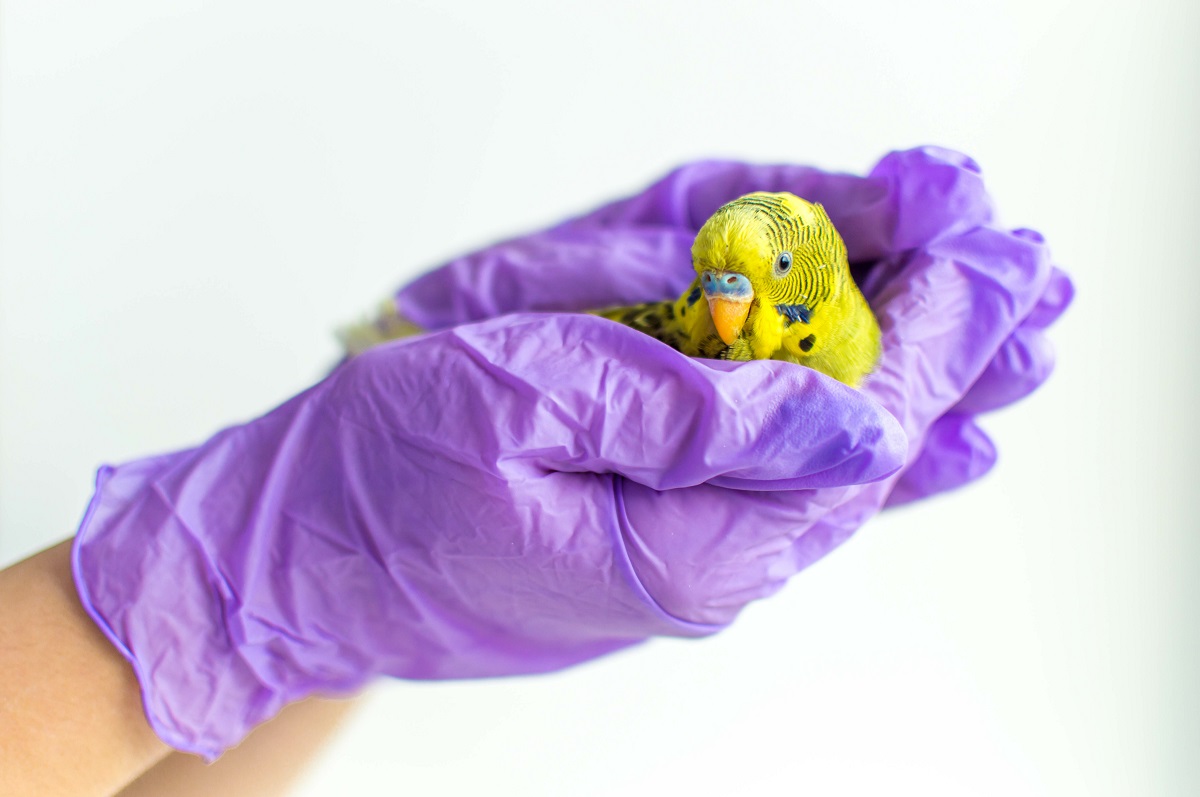
The single most important step is identifying and establishing a relationship with an avian veterinarian. Unlike general practitioners, avian vets possess specialized knowledge of bird anatomy, physiology, and common pathologies. They are equipped with specific diagnostic tools and treatments tailored to avian species. According to the Association of Avian Veterinarians, there are a limited number of board-certified avian specialists globally, making early identification and regular engagement with such a professional paramount. Owners should have their avian vet’s contact information readily accessible, including emergency numbers, and understand their clinic’s emergency protocols. Proactive, routine check-ups – ideally bi-annual – serve as a preventative measure, allowing vets to establish a baseline for your bird’s health, detect subtle issues early, and provide dietary or husbandry advice that can avert future emergencies. This regular engagement helps foster trust between the owner, bird, and vet, which is invaluable during a crisis.
Financial Safeguards for Unexpected Costs
Avian emergency treatments can be unexpectedly costly, often involving specialized diagnostics (e.g., radiographs, blood work), medications, hospitalization, and surgical interventions. For example, treating a fractured wing can range from $500 to several thousand dollars, while intensive care for severe respiratory distress might incur costs exceeding $1,000 per day. To mitigate this financial burden, owners are strongly advised to maintain a dedicated emergency fund or secure pet insurance that covers exotic animals. Financial preparedness ensures that critical care decisions are made based on the bird’s medical needs rather than monetary constraints.
Creating a Safe Environment: Parrot-Proofing Your Home
Prevention is undeniably superior to cure, especially given a parrot’s inherent curiosity and tendency to explore with their beaks. A "parrot-proofed" environment is non-negotiable for free-roaming birds. This entails meticulous attention to detail:
- Eliminating Toxic Substances: Many common household items are highly toxic to birds, including cleaning products, aerosols, certain air fresheners, lead (found in old paint, stained glass), zinc (galvanized cages, some toys), avocado, chocolate, caffeine, alcohol, and certain human medications. A detailed list of toxic plants, such as lilies, philodendrons, and dieffenbachia, should be consulted, and all such flora removed from accessible areas.
- Securing Electrical Hazards: Exposed electrical wires are a significant danger, as parrots are prone to chewing. All cords should be secured, covered, or made inaccessible.
- Preventing Escapes: Ensuring all windows and doors are securely closed and screened is vital. Parrots can slip through surprisingly small openings and become lost or injured outdoors.
- Managing Other Pets: The presence of other household pets, particularly cats and dogs, poses a risk. Even a playful swat from a cat can inflict potentially fatal bacterial infections on a bird, necessitating immediate veterinary attention. Supervision or complete separation is often required.
- Kitchen Hazards: Hot stoves, open ovens, boiling water, and non-stick cookware (which releases toxic fumes when overheated) are serious threats. Parrots should never be left unsupervised in the kitchen.
- Cage Safety: Even the bird’s cage requires scrutiny. Inspect toys for loose threads, small parts that can be ingested, or sharp edges. Ensure cage bar spacing is appropriate for the species to prevent entrapment. Regular cleaning is essential to prevent bacterial and fungal infections.
The Essential Avian First Aid Kit
Despite the most rigorous preventative measures, accidents can still occur. A well-stocked avian first aid kit, easily accessible to all household members, can be a lifesaver. Key components should include:
- Blood Clotting Agent: Styptic powder (e.g., Kwik Stop) is crucial for stopping bleeding from broken blood feathers, minor cuts, or nail trims.
- Antiseptic Solution: Betadine or chlorhexidine solution for cleaning minor wounds.
- Sterile Gauze Pads and Non-Stick Bandages: For covering wounds and applying pressure.
- Medical Tape: Hypoallergenic tape for securing bandages.
- Tweezers: For removing splinters or foreign objects.
- Small Scissors: For cutting bandages or removing entangled materials.
- Heat Source: A microwavable heat pack or a hot water bottle wrapped in a towel, to provide warmth to a compromised bird.
- Oral Rehydration Solution: Electrolyte solutions designed for birds (e.g., Pedialyte diluted) to combat dehydration.
- Small Syringes (without needles): For administering fluids or medications orally if safe to do so.
- Carrier: A small, secure, darken-able carrier lined with paper towels for safe transport to the vet.
- Flashlight/Headlamp: For detailed examination in low light.
- Avian Vet Contact Information: Clearly listed.
Dr. Daisy May, a resident veterinarian specializing in avian care, emphasizes the urgency in managing bleeding: "Around 10% of your bird’s bodyweight is blood; a 100g cockatiel, for example, has about 10mls. A loss of more than 10% of that total blood volume, meaning just over 1ml for our cockatiel, can quickly become life-threatening. Time is absolutely critical."
Recognizing the Subtle Signs: Identifying Illness and Injury

Due to their instinct to hide illness, owners must develop a keen observational eye for their bird’s normal behavior. Subtle changes can be the earliest indicators of a serious problem.
Understanding Normal Behavior
Familiarize yourself with your parrot’s typical vocalizations, activity levels, appetite, posture, feather condition, and the appearance of their droppings. Any deviation from this baseline warrants close attention. A healthy parrot is typically alert, active, vocal, has clear eyes, smooth feathers, and consistent droppings.
Early Warning Indicators (Non-Urgent Vet Visit)
Veterinary experts advise contacting your avian vet for guidance if you observe the following, as they may indicate an emerging health issue requiring attention, though not necessarily immediate emergency care:
- Changes in Droppings: Variations in color, consistency, or volume (unless related to recent diet changes, e.g., beetroot or bell pepper causing reddish droppings).
- Decreased Appetite or Thirst: A noticeable reduction in food or water intake.
- Increased Sleep or Lethargy: Spending more time sleeping, being less active, or showing reduced responsiveness.
- Ruffled Feathers: Especially if prolonged and not related to preening or resting.
- Subtle Changes in Breathing: Slight tail bobbing or audible breathing.
- Discharge: From nostrils, eyes, or beak.
- Minor Lameness: Slight limping or favoring a leg.
- Behavioral Shifts: Increased aggression, unusual quietness, or changes in interaction.
Immediate Emergency Indicators (Rush to Vet)
Certain symptoms demand immediate veterinary intervention. In these cases, contact your vet while en route, explaining the situation:
- Severe Respiratory Distress: Open-mouth breathing, pronounced tail bobbing, gasping, or wheezing.
- Collapse or Non-Responsiveness: Inability to perch, lying on the cage floor, or unresponsive to stimuli.
- Profuse Bleeding: Uncontrolled bleeding from any wound, especially a broken blood feather that won’t clot.
- Neurological Signs: Seizures, tremors, head tilt (torticollis), loss of balance, or disorientation.
- Severe Trauma: Visible fractures, deep wounds, or impact injuries.
- Vomiting or Regurgitation: Persistent or forceful expulsion of stomach contents (distinguish from normal regurgitation during courtship).
- Egg Binding: A female bird straining to lay an egg that is stuck.
- Severe Swelling: Any rapid and significant swelling, especially around the face or joints.
- Toxic Ingestion: Witnessing your bird consume a known toxic substance.
As Dr. Daisy May recounts, "I once woke up to find my budgie’s head stuck at an angle. I rushed to the vet so he could be examined, receive anti-inflammatory medication, and more. He eventually made a full recovery. Don’t wait, see a vet!" This personal account underscores the urgency required for seemingly subtle yet critical symptoms.
Responding to an Avian Emergency: Critical First Steps

Once an emergency is identified and veterinary contact made, immediate first aid can stabilize your bird and significantly improve their prognosis.
Immediate Action Protocol
The paramount directive during an avian emergency is to get your bird to an avian veterinarian without delay. If the situation is clearly urgent (e.g., trouble breathing, non-responsive), place your bird in a pre-prepared carrier immediately and call the vet while en route. For less clear situations, call the vet from home, describe the symptoms, and follow their instructions. If no avian vet is immediately available, continue contacting other clinics while providing basic supportive care at home.
Managing Acute Bleeding
If your parrot is bleeding, controlling it is the immediate priority. Apply styptic powder directly to the source of the bleeding (e.g., a broken blood feather or nail) and apply gentle but firm pressure with clean gauze for several minutes. Birds have excellent clotting abilities, and this typically suffices for minor bleeds. If the wound is deep and penetrates a body cavity (abdomen or thorax), do not use styptic powder; instead, apply continuous pressure with clean gauze and transport to the vet immediately. When applying pressure, always be mindful not to constrict your bird’s chest, as they rely entirely on chest expansion for respiration due to the absence of a diaphragm. Continue applying pressure until veterinary care is available if bleeding persists.
Providing Supportive Care: Warmth and Isolation
Stress and hypothermia are major killers of compromised birds. A sick or injured parrot will struggle to maintain its body temperature and can quickly succumb to shock. The ideal ambient temperature for a sick bird is approximately 85°F (29°C). To provide this:
- Prepare a Safe Space: Use a small carrier or a clean box, lined with soft paper towels for easy observation of droppings.
- Add a Heat Source: Place a covered heating pad on a low setting or a wrapped hot water bottle (ensure it’s not too hot and cannot burst) beneath half of the enclosure. This allows the bird to move to a cooler spot if needed. Microwavable heat pads are generally safer.
- Darken the Enclosure: Cover the carrier or box to provide a dark, quiet, and stress-free environment. This isolation minimizes visual stimuli and helps conserve energy.
Transport your bird to the vet in this warmed, darkened container.
Addressing Dehydration
Vomiting, diarrhea, or prolonged illness can rapidly lead to dehydration in birds. Moderate to severe dehydration requires immediate veterinary intervention for fluid therapy, but mild dehydration can sometimes be managed at home under vet guidance.

To assess dehydration, a quick check of the basilic wing vein refill time can be performed. Locate the basilic wing vein, a raised blue line on the inside of the bird’s "elbow" (humeral-radioulnar joint). Gently press on the vein to displace the blood, then release. In a well-hydrated bird, the vein refills immediately. If it takes more than two seconds, moderate to severe dehydration is present, necessitating immediate veterinary attention.
If your bird is only mildly dehydrated, alert, and able to swallow, you can offer a veterinarian-approved oral rehydration solution. These sachets should be prepared according to package directions and gently warmed to body temperature. Offer the solution via a clean teaspoon or a syringe, especially if your bird is syringe-trained. Crucially, never attempt to force fluids directly into the back of a bird’s mouth unless explicitly trained by an avian professional, as there is a high risk of aspiration into the lungs, which can be fatal. If your bird is unwilling or unable to drink independently, it signifies severe dehydration and the need for urgent professional care.
The Broader Implications of Responsible Parrot Ownership
Owning a parrot is a significant ethical commitment. It extends beyond providing food and shelter to encompass a deep understanding of their unique needs, vulnerabilities, and the proactive measures required to ensure their well-being. The implications of responsible ownership include:
- Animal Welfare: Ensuring a high quality of life for a long-lived companion, preventing suffering through preparedness.
- Public Education: Sharing knowledge with other bird owners and the public about proper avian care and emergency readiness.
- Conservation: For many species, pet parrots are ambassadors for their wild counterparts, and their healthy existence in captivity raises awareness for broader conservation efforts.
- Financial Prudence: The necessity of budgeting for potentially high veterinary costs, emphasizing that pet ownership is a financial responsibility.
In conclusion, the health and survival of a parrot during an emergency depend critically on the owner’s preparedness and ability to act swiftly and appropriately. By establishing a relationship with an avian veterinarian, creating a safe environment, assembling a comprehensive first aid kit, and knowing how to recognize and respond to symptoms, owners can significantly enhance their feathered friend’s chances of recovery. Birds are incredibly fragile, and emergencies can escalate rapidly, making proactive measures and immediate professional intervention the cornerstones of responsible avian care.
Sources

Avianmedicine.net: Emergency and Critical Care
Association of Avian Veterinarians: Resources for Bird Owners
