


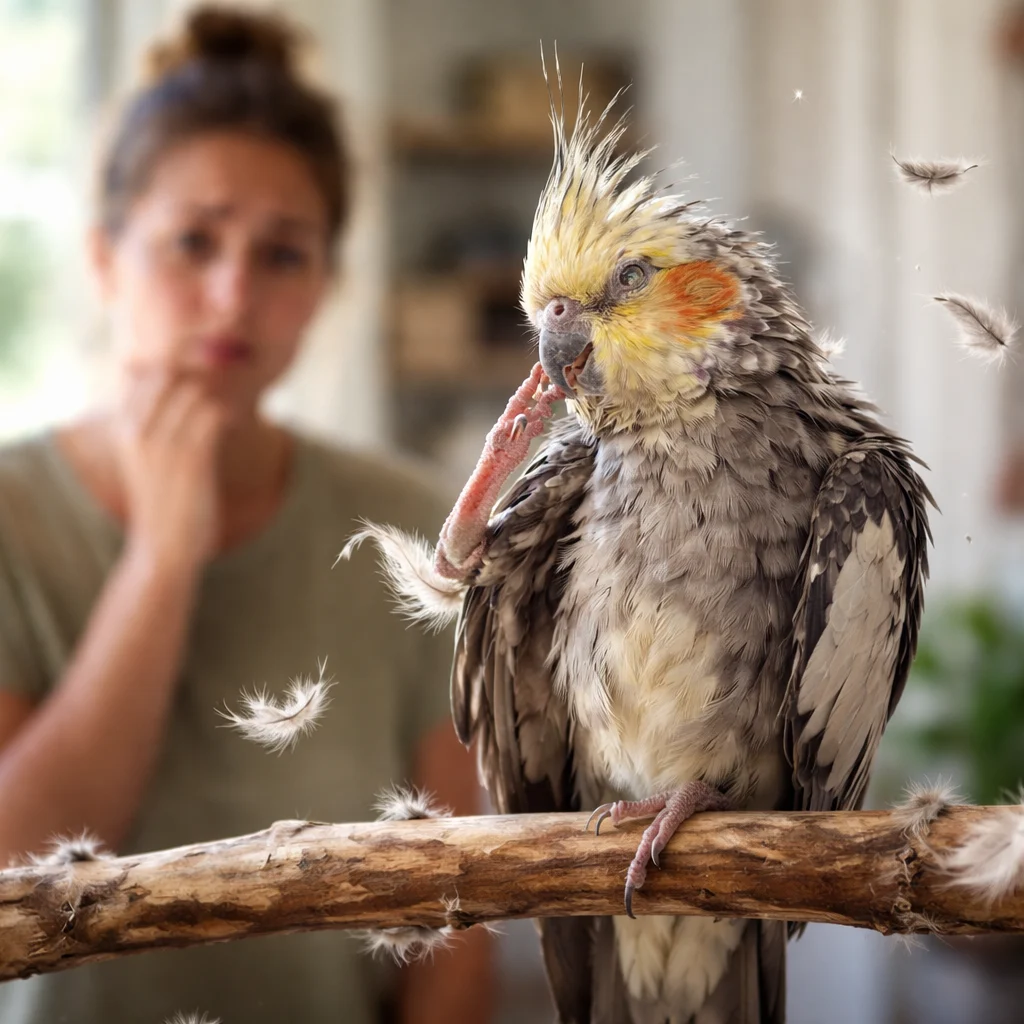
Avian feather health is a cornerstone of a bird’s overall well-being, crucial for insulation, flight, waterproofing, and social display. For bird owners, understanding the nuances of feather growth and loss is paramount, particularly when distinguishing between a natural physiological process—molting—and a potentially distressing behavioral or medical issue—feather plucking. This distinction, often subtle, is critical for ensuring appropriate care and timely intervention.
Diane Burroughs, LCSW, a seasoned psychotherapist and ABA-trained behaviorist with over three decades of experience in avian behavior, emphasizes a science-backed, behavior-first approach to parrot care, integrating nutritional insights to foster optimal health. Her expertise highlights the necessity for "parronts" to be acutely aware of their bird’s feather condition. This comprehensive guide, first published on December 27, 2025, and last updated on February 8, 2026, aims to equip bird owners with the knowledge to identify, manage, and support their avian companions through these critical periods.
Understanding the Avian Molt Cycle: A Natural Renewal Process
Molting is an intrinsic and vital part of avian biology, representing the cyclical shedding of old, worn-out feathers and the growth of new ones. This process is essential for maintaining the integrity and functionality of the plumage, which naturally degrades over time due to environmental exposure, preening, and daily activities. The frequency and intensity of molting vary significantly among bird species, influenced by factors such as age, species-specific genetics, environmental photoperiod (daylight length), ambient temperature, and nutritional status. Most domesticated birds undergo one to two complete molts annually, often triggered by seasonal changes.
During a normal molt, feathers are shed in a highly organized and symmetrical fashion to ensure that the bird never loses too many feathers simultaneously, thereby preserving its ability to fly and maintain thermoregulation. This systematic replacement ensures continuous functional plumage. The emerging new feathers, known as "pin feathers," initially appear as spiky quills encased in a waxy keratin sheath. As these feathers grow, the bird or its companion will preen, breaking down the sheath to allow the feather to unfurl. This stage can be intensely itchy and uncomfortable for the bird, often leading to increased preening activity and temporary irritability. Recognizing these natural signs is the first step in differentiating a healthy molt from a potential problem.
Differentiating Molt from Plucking: A Diagnostic Guide for Owners
The visual cues presented by a bird’s plumage are often the primary indicators of whether it is undergoing a normal molt or exhibiting feather plucking behavior. A careful observation, coupled with an understanding of avian physiology, can guide owners toward the correct assessment.
-
Symmetrical Bald Spots vs. Ragged/Chewed Edges: A hallmark of a normal molt is the appearance of symmetrical bald spots, typically observed under the wings, on the legs, or along specific feather tracts. These areas temporarily appear sparse as old feathers are shed and new ones emerge in an organized pattern. This symmetry is a key indicator of a natural process. In stark contrast, ragged or chewed edges on remaining feathers, often accompanied by patches of bare skin in asymmetrical or easily accessible areas (e.g., chest, inner thighs, upper back), strongly suggest potential plucking. This damage indicates active self-mutilation rather than natural shedding.
-
Spiky "Pins" Coming Through the Skin: The presence of spiky "pins" (pin feathers) pushing through the skin is an unequivocal sign of active feather regeneration, characteristic of a normal molt. These new feathers are vital for plumage renewal. The waxy sheath covering them can be itchy, prompting increased preening, which helps the bird remove the sheath.
-
Blood or Scabs on the Skin Surface: Any observation of blood or scabs on the skin surface beneath the feathers should be treated as an immediate emergency, warranting an urgent veterinary consultation. While a broken blood feather can bleed, extensive skin damage, persistent bleeding, or scabs are indicative of severe trauma, infection, or aggressive plucking that has caused skin lesions. This is a critical red flag for serious underlying issues.
-
Behavioral Cues: Beyond visual feather assessment, a bird’s behavior offers crucial clues. During a molt, a bird might be more irritable, sleep more, and engage in increased, but purposeful, preening of pin feathers. In cases of plucking, behaviors can range from frantic feather pulling, excessive feather chewing, skin picking, and sometimes even self-mutilation that extends to the skin. Birds that pluck often show signs of distress, anxiety, or boredom, sometimes accompanied by changes in vocalization or appetite.
-
Feather Distribution and Appearance: When a bird is molting, the feathers found at the bottom of the cage are typically intact and appear relatively clean, representing naturally shed plumage. In contrast, a bird that is plucking will often leave behind feathers with damaged shafts, chewed vanes, or even skin fragments, indicating destructive behavior. Plucking tends to target specific, easily accessible areas, while molting affects feather tracts more broadly and symmetrically.
The "Smooth Molt" Expert Routine: Minimizing Discomfort and Promoting Health
Once a normal molt has been confirmed, the owner’s primary objective shifts to reducing the "friction" and discomfort associated with growing new feathers. This involves a multi-pronged approach focusing on environmental enrichment, nutritional support, and physical comfort.
-
Hydration and Humidity: The waxy sheaths of pin feathers can be intensely itchy and hard. Maintaining optimal hydration and environmental humidity is crucial. Regular bathing or misting with warm, clean water helps to soften these sheaths, making them easier for the bird to remove through preening, thereby alleviating discomfort. Many birds enjoy a shallow dish of water for bathing, while others prefer a gentle misting. In arid environments, a humidifier can be beneficial, especially during peak molting periods, to maintain ambient humidity levels between 50-60%. This not only aids in softening pin feathers but also prevents dry, flaky skin, which can exacerbate itching.
-
Nutritional Support for Feather Growth: Feathers are primarily composed of keratin, a protein, making nutritional support paramount during a molt. A balanced diet rich in specific nutrients is essential for growing strong, vibrant new plumage.
- High-Quality Protein: Ensure the bird receives adequate high-quality protein from sources such as pelleted diets, cooked lean meats, legumes, and certain seeds. Protein provides the amino acid building blocks for keratin synthesis.
- Biotin and B Vitamins: Biotin (Vitamin B7) is particularly critical for keratin production and overall feather integrity. Other B vitamins also play roles in metabolic processes essential for feather growth. Supplements specifically formulated for avian feather health often include a robust B-vitamin complex.
- Omega Fatty Acids: Omega-3 and Omega-6 fatty acids are vital for maintaining healthy skin and producing glossy, supple feathers. Sources include flaxseed, chia seeds, and specialized avian supplements like red palm oil, which is also rich in Vitamin A precursors.
- Vitamins A, D, and E: Vitamin A is crucial for healthy skin and epithelial tissue, including feather follicles. Vitamin D supports calcium absorption, essential for bone health and indirectly for feather quality. Vitamin E acts as an antioxidant, protecting cells from damage.
- Minerals: Zinc, sulfur, and copper are trace minerals that contribute to feather strength and pigmentation. A high-quality pelleted diet typically provides these, but specific supplementation may be considered under veterinary guidance.
-
Stress Reduction and Environmental Enrichment: While molting is a natural process, it can be physically demanding and stressful for birds. Minimizing environmental stressors and providing ample enrichment can significantly improve their experience. Ensure the bird has a consistent sleep schedule (10-12 hours of uninterrupted sleep), a quiet and secure environment, and plenty of stimulating toys to distract from potential discomfort. Social interaction, appropriate foraging opportunities, and a spacious, clean cage also contribute to a bird’s overall well-being, potentially reducing the likelihood of stress-induced behaviors that could mimic or escalate into plucking.
When to Call the Vet: The Avian Health Stoplight
Most molts are simply "itchy," but some situations demand immediate veterinary attention. The following "Safety Stoplight" system provides a framework for owners to gauge the urgency of their bird’s condition.
-
🔴 RED LIGHT: CALL NOW (Emergency)
- Excessive Bleeding: If a broken blood feather bleeds profusely and cannot be stopped with gentle pressure, cornstarch, or styptic powder within a few minutes. Blood feathers contain a live blood supply and significant bleeding can lead to anemia or shock.
- Open Wounds, Severe Scabs, or Signs of Infection: Any deep cuts, persistent scabs, swelling, redness, discharge, or foul odor on the skin, especially if accompanied by lethargy or loss of appetite, indicate a serious problem requiring immediate medical intervention.
- Sudden, Unexplained, or Severe Feather Loss: If feather loss is rapid, extensive, or asymmetrical, and not clearly attributable to a normal molt, it could signal an underlying disease, parasite infestation, or severe plucking.
- Self-Mutilation: Any behavior where the bird is actively tearing at its skin, causing significant injury, or showing signs of severe pain or distress.
- Systemic Illness Signs: Lethargy, extreme weakness, persistent loss of appetite, dramatic changes in droppings (color, consistency, volume), rapid weight loss, or difficulty breathing, even if accompanied by feather issues, are critical signs of illness.
-
🟡 YELLOW LIGHT: MONITOR CLOSELY (Consult Vet Soon)
- Increased Irritability or Grumpiness: While common during molt, if this behavior becomes extreme, prolonged, or is accompanied by other mild concerns.
- Slightly Dull or Brittle New Feathers: This could indicate a minor nutritional deficiency or a less than optimal molting environment, which warrants dietary review and potentially a check-up.
- Minor Skin Irritation/Redness: If there’s mild redness or dryness that doesn’t involve open wounds or bleeding, it suggests discomfort that might benefit from environmental adjustments or mild topical treatments (like aloe spray), but a vet consultation is advisable if it persists or worsens.
- Increased, but Not Frantic, Preening: While normal, if preening seems obsessive without clear pin feathers, it could be an early sign of behavioral issues or mild skin irritation.
- Minor Changes in Activity Levels or Appetite: If the bird is slightly less active or its appetite is slightly reduced, but not severely so, it warrants close monitoring and a potential vet visit if it doesn’t resolve quickly.
-
🟢 GREEN LIGHT: PROCEED WITH CARE (Routine Support)
- Normal Shedding of Old Feathers: Intact, clean feathers found on the cage bottom.
- Appearance of Numerous Pin Feathers: Indicating active feather growth.
- Increased Bathing or Misting: The bird is actively trying to relieve its own discomfort, which is a healthy coping mechanism.
- Temporary Grumpiness: A common behavioral response to the discomfort of molting, as long as it’s not extreme or prolonged.
- Healthy Appetite and Activity: Despite the molt, the bird maintains its normal eating habits and activity levels. In these cases, focus on providing optimal molting support through diet, humidity, and enrichment.
The "Smooth Molt" Essential Trio: Expert-Vetted Supports
To maximize comfort and expedite healthy feather growth during a molt, specific products can be highly beneficial, acting as targeted support mechanisms for the bird’s natural physiological process.
-
Aloe Vera Bird Spray: This product offers instant relief for the intense itching associated with pin feathers and dry skin. Aloe vera is widely recognized for its anti-inflammatory, moisturizing, and soothing properties. A bird-safe aloe vera spray can be gently applied to the bird’s feathers and skin (avoiding eyes and nostrils) to hydrate the skin, soften pin feather sheaths, and reduce irritation, making the molting process less uncomfortable. Regular application, especially after bathing, can significantly improve the bird’s comfort.
-
FeatherUp! + Biotin: This nutritional supplement is designed to provide the specific vitamins and minerals your bird needs to grow strong, healthy feathers efficiently. Biotin, as discussed, is a key component for keratin synthesis. Often, such supplements also contain a blend of other B vitamins, amino acids (like methionine and lysine, crucial for keratin), and trace minerals (zinc, copper) that collectively support robust feather development and skin health. Administering such a supplement, particularly during molting periods, ensures the bird has all the necessary building blocks for superior plumage.
-
Red Palm Oil: Rich in beneficial omega fatty acids, Beta-carotene (a precursor to Vitamin A), and Vitamin E, red palm oil is an excellent dietary addition for ensuring vibrant, glossy plumage and promoting overall skin health. Omega fatty acids contribute to the natural oils that give feathers their shine and pliability, while Beta-carotene supports healthy skin and feather pigmentation. Vitamin E acts as a powerful antioxidant, protecting cellular health. A small, appropriate amount of avian-grade red palm oil can be added to a bird’s food, providing a concentrated source of these vital nutrients and supporting the growth of lush, resilient feathers.
Broader Implications and Preventative Measures for Plucking
While this article primarily focuses on differentiating molt from plucking and managing molting, it is crucial to briefly address the broader implications of feather plucking. Feather plucking is a complex issue with multifactorial causes, ranging from medical conditions (e.g., parasites, fungal infections, liver disease, allergies) to environmental factors (e.g., dry air, inadequate lighting, lack of bathing, poor diet) and psychological stressors (e.g., boredom, anxiety, lack of enrichment, inconsistent routine, perceived threats).
Early recognition and intervention are key. If plucking is suspected, a comprehensive veterinary examination is essential to rule out medical causes. Once medical issues are excluded, attention turns to environmental and behavioral modifications. A consistent routine, species-appropriate enrichment, a balanced diet, adequate sleep, and positive reinforcement training can all contribute to reducing stress and redirecting unwanted behaviors. The care strategies outlined for a "smooth molt" – particularly optimal nutrition and environmental humidity – are also foundational preventative measures against plucking behavior, as a healthy, comfortable bird is less likely to resort to self-destructive habits. Regular veterinary check-ups are always recommended to monitor overall health and catch potential issues early.
Expert Perspective and References
Diane Burroughs’ approach, rooted in both psychotherapy and applied behavior analysis, offers a unique perspective on avian care, moving beyond mere symptom management to address the underlying behavioral and nutritional needs of birds. By translating complex scientific principles into practical, actionable advice, she empowers bird owners to provide holistic care that genuinely supports their bird’s physical and psychological health.
The recommendations presented are supported by established avian medical and physiological research, including works cited from reputable sources such as Chen et al. in Frontiers in Physiology (2020), Cooper & Harrison’s foundational Avian Medicine: Principles and Application, and Lightfoot’s contributions to the Merck Veterinary Manual (2024). These references underscore the scientific basis for understanding avian feather biology and best care practices.
By diligently observing their birds, understanding the natural molting process, providing comprehensive nutritional and environmental support, and knowing when to seek professional veterinary assistance, bird owners can ensure their feathered companions navigate the essential process of feather renewal with comfort and maintain vibrant, healthy plumage for years to come.
