

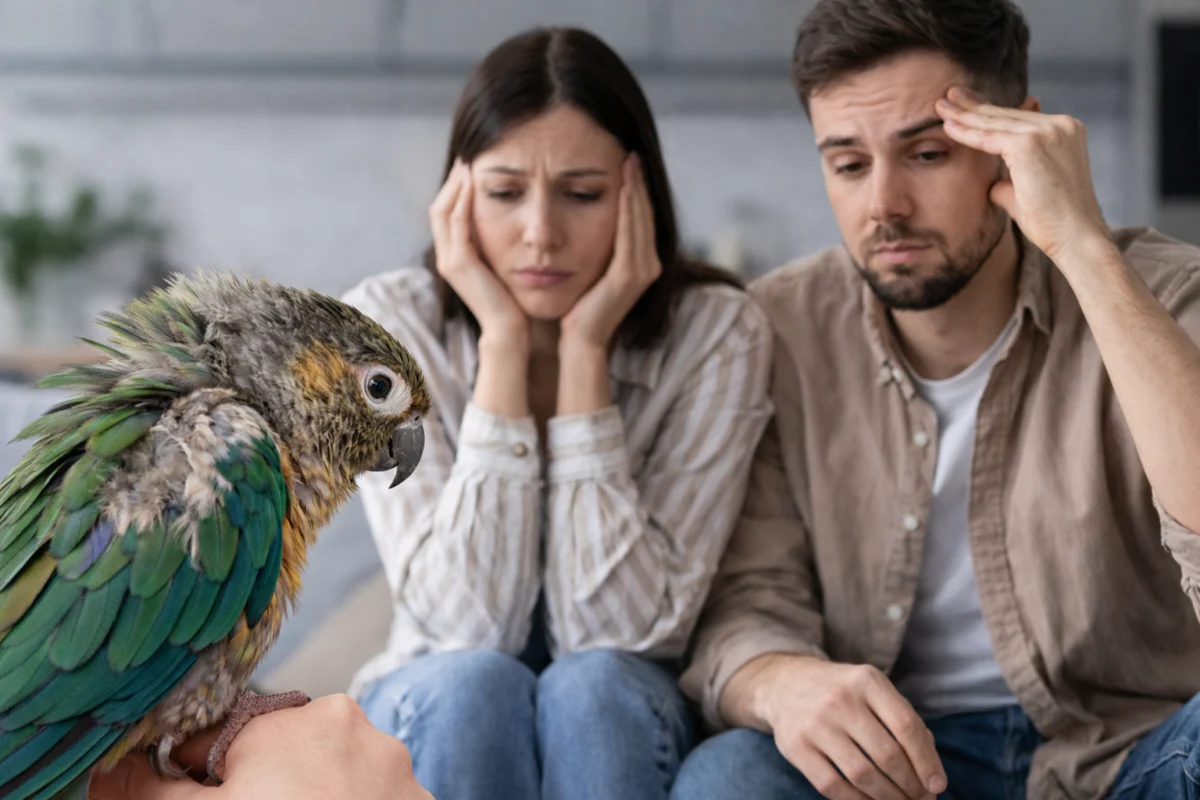
The appearance of chronic feather and skin issues in pet birds, often manifesting as a "never-ending molt" or poor feather regrowth, represents a significant and often distressing challenge for owners. Unlike isolated incidents, these conditions typically emerge over weeks or months, signaling a deeper physiological or environmental imbalance within the bird. Owners frequently grapple with fundamental questions: Is this a normal molt or a sign of plucking? Why does the problem persist? What can be done to promote healing? Addressing these concerns requires a methodical approach that prioritizes understanding the bird’s observable behaviors, distinguishing between normal and concerning symptoms, stabilizing the bird’s environment, and seeking appropriate professional intervention.
Understanding Avian Integumentary Health: More Than Just Feathers
Feathers are far more than mere ornamentation for birds; they are vital, multi-functional structures critical for survival and well-being. Composed primarily of keratin, feathers provide insulation against extreme temperatures, facilitate flight, offer protection from environmental elements like rain and UV radiation, and play a crucial role in social signaling and camouflage. The health of a bird’s plumage is a direct indicator of its overall physiological state, reflecting nutritional adequacy, stress levels, and the absence of underlying medical conditions.
The natural process of molting is a regular and essential part of a bird’s life cycle, typically occurring one to two times per year, depending on the species, age, and environmental factors. During a normal molt, old, worn feathers are shed symmetrically and replaced by new ones. This process is energy-intensive, requiring significant protein and nutrient intake. Owners often observe a temporary increase in feather shedding, the emergence of "pin feathers" (new feathers encased in a keratin sheath), and perhaps a brief period of irritability or lethargy in their birds. However, a healthy molt is generally self-limiting, with the bird’s plumage returning to full health within a predictable timeframe, usually a few weeks to a couple of months. The skin underneath remains healthy, and the new feathers grow in without defects.
When this natural cycle is disrupted, what begins as a minor concern can escalate into a chronic issue. Persistent feather loss, the growth of malformed feathers, constant itching, or noticeable skin irritation signal that the bird’s body is struggling to complete its repair mechanisms. Estimates suggest that feather destructive behaviors (FDB) and chronic dermatological conditions can affect a significant portion of captive bird populations, with some studies indicating prevalence rates of 10-15% or higher in certain parrot species, underscoring the widespread nature of this problem.
A Progressive Concern: From Subtle Signs to Persistent Patterns
Owners rarely arrive at a point of severe concern after a single "bad feather day." Instead, it is the persistent, repeating pattern of feather issues that triggers alarm. This conceptual chronology of developing concern begins with initial observations that subtly deviate from the norm, gradually intensifying into a chronic problem that demands attention.
Initially, an owner might notice a few more feathers than usual on the cage floor or observe their bird scratching more frequently. This might be dismissed as a typical, albeit perhaps slightly prolonged, molt. However, as weeks turn into months, the pattern solidifies: feathers fall out, new ones emerge but appear brittle, discolored, or malformed, and the bird continues to exhibit signs of discomfort. This extended period of observation is crucial for discerning a true chronic issue from a normal, albeit sometimes awkward, molting phase.
Identifying specific concerning indicators is paramount for effective intervention. These signs go beyond simple feather shedding and point to deeper issues:
- Persistent Bald Spots or Thinning: Unlike a normal molt where feather loss is generally distributed and quickly replaced, chronic issues often manifest as localized bald patches or an overall thinning of plumage that does not resolve.
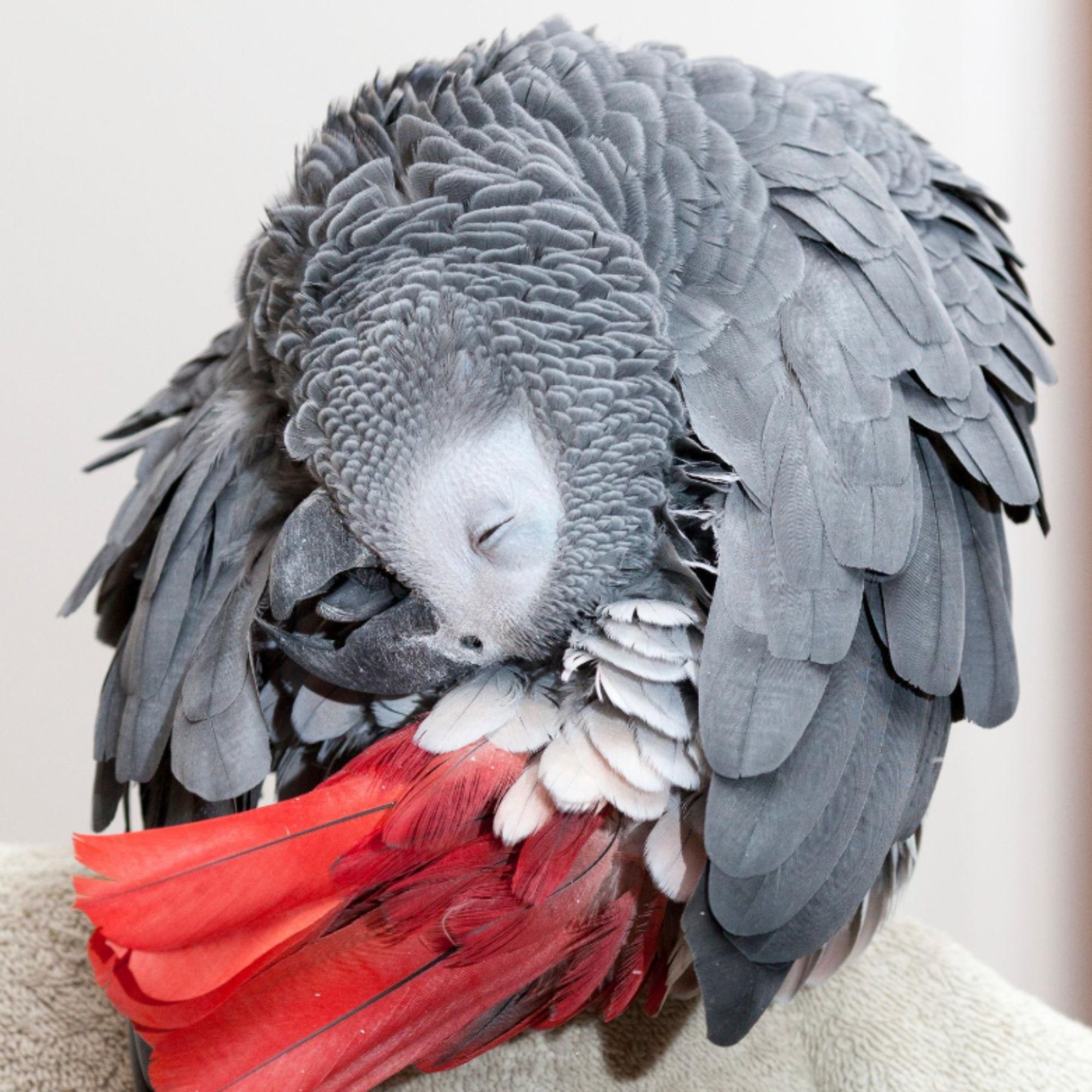
- Damaged Feathers and Stress Bars: New feathers that emerge with visible "stress bars"—transverse lines or weak points—are a clear indication of a physiological disruption during feather formation. These bars suggest periods of nutritional deficiency, illness, or severe stress during the specific time the feather was growing. Feathers that are bent, chewed, frayed, or discolored are also significant red flags.
- Excessive Itching or Self-Mutilation: While some preening is normal, constant, aggressive scratching, biting, or plucking at feathers and skin, sometimes to the point of causing lesions or bleeding, is a serious sign of distress. This can lead to secondary bacterial or fungal infections.
- Lethargy or Behavioral Changes: A bird struggling with chronic health issues may exhibit decreased energy, reduced vocalization, changes in appetite or water consumption, increased aggression, or withdrawal from social interaction. These systemic signs indicate that the feather problem is not isolated but part of a broader health challenge.
It is tempting for owners to compare their bird’s plumage to images of other healthy birds or to anecdotal accounts. However, leading avian experts, including certified avian behaviorist Diane Burroughs, emphasize that the most valuable comparison is to the individual bird’s own historical feather health. Documenting the bird’s condition through weekly photographs, taken in consistent lighting, provides an objective record of progression or regression, preventing guesswork and facilitating accurate diagnosis.
The Critical First Steps: Stabilizing the Bird’s Environment
When confronted with chronic feather and skin issues, the immediate focus should be on stabilization rather than attempting to "fix" everything at once. This initial phase is about providing the bird’s body with the optimal conditions for recovery, reducing systemic stress, and supporting its innate healing mechanisms.
- Prioritizing Rest and Predictability: Birds, like all animals, heal best when their environment is stable, predictable, and conducive to ample rest. This means ensuring a consistent sleep schedule (10-12 hours of uninterrupted darkness), minimizing sudden loud noises or startling events, and maintaining a regular daily routine for feeding, interaction, and cage cleaning. A stressed bird remains in a heightened physiological state, which directly impedes the development of healthy new feathers and prolongs recovery.
- Nutritional Support and Hydration: Proper nutrition is foundational for feather health, as feather regrowth is one of the most metabolically demanding processes a bird undergoes. During a molt, a bird may require up to 30% more protein and specific micronutrients. A diet primarily composed of seeds is often deficient in essential vitamins, minerals, and amino acids necessary for robust feather development. Transitioning to a high-quality pelleted diet, supplemented with fresh vegetables, fruits, and appropriate avian vitamins (under veterinary guidance), can significantly improve feather quality. Ensuring constant access to fresh, clean water is also crucial for hydration and overall metabolic function.
- Minimizing Environmental Stressors: Beyond a stable routine, it is important to assess and mitigate other potential environmental stressors. This could include ensuring appropriate cage size, providing varied enrichment (toys, perches), maintaining optimal humidity levels (especially for species native to tropical climates), and ensuring adequate natural or full-spectrum lighting. Over-handling, forced interactions, or exposure to household toxins (e.g., strong cleaning fumes, Teflon off-gassing) can also contribute to chronic stress and impede healing. As Diane Burroughs advises, "The goal here is to give your bird’s body the support and breathing room it needs so healthier feathers can grow in. When you rush into fixing everything at once, the body often stays in a stress state – and that directly affects how new feathers develop."
This stabilization phase is not about diagnosing the underlying cause or implementing complex behavioral modifications. It is a period of supportive care, allowing the bird’s physiology to recover from chronic strain.
The Science Behind Feather Health: Stress, Nutrition, and Physiology
The intricate process of feather growth and regeneration is a testament to avian physiology, demanding precise molecular signaling and substantial nutritional resources. Research highlights the complex interplay between diet, hormones, and environmental factors in feather development (Chen et al., 2020; McGraw, 2006).
- Physiological Demands of Feather Regrowth: Growing new feathers is one of the most metabolically demanding activities for a bird. It requires significant amounts of protein, amino acids (especially sulfur-containing ones like methionine and cysteine, which are crucial for keratin synthesis), vitamins (particularly A, D, E, and B-complex), and minerals (calcium, zinc, selenium). A deficiency in any of these components can result in brittle, discolored, or poorly formed feathers, characterized by stress bars or abnormal texture. This high demand means that if a bird’s diet is insufficient, its body will prioritize vital organ function over feather quality, leading to visible plumage problems.
- The Impact of Chronic Stress: The link between stress and physiological health is well-established across species, and birds are no exception. Chronic stress, whether from environmental instability, social conflicts, lack of adequate sleep, or perceived threats, triggers the release of stress hormones like corticosterone. Prolonged elevation of these hormones can suppress the immune system, divert energy away from non-essential functions like feather growth, and alter nutrient metabolism. This can lead to a vicious cycle where poor feather quality causes discomfort, increasing stress, which further impairs feather regrowth. As Lucas and Stettenheim (1972) detailed, the integumentary system is highly sensitive to physiological disturbances.
- Nutritional Imperatives for Healthy Plumage: The quality of a bird’s diet is a primary determinant of feather health. A diet rich in variety, including a high-quality pelleted base, fresh vegetables, fruits, and occasional healthy supplements, provides the necessary building blocks for robust feathers. Specific nutrients like Vitamin A are essential for skin and feather follicle health, while Vitamin D plays a crucial role in calcium metabolism, which indirectly impacts feather structure. Fatty acids, particularly omega-3s, contribute to healthy skin and a shiny, resilient plumage. An imbalanced or deficient diet is a common underlying cause of chronic feather issues, even if other factors are present.
Expert Consensus: Medical Evaluation Precedes Behavioral Intervention
A cornerstone of responsible avian care, echoed by avian veterinarians and behaviorists alike, is the principle that medical causes for feather and skin issues must be thoroughly investigated and ruled out before any behavioral modification strategies are implemented. This consensus is vital because many physical ailments can manifest as feather destructive behavior or poor feather quality, and addressing behavior without treating the underlying medical condition is futile and can delay effective treatment.
- The Avian Veterinarian’s Role: An avian veterinarian is the primary professional to consult when chronic feather or skin issues arise. They possess the specialized knowledge to diagnose and treat bird-specific diseases. Key indicators such as weight loss, a prominent keel bone, skin damage (wounds, infections), low energy, or appetite shifts absolutely necessitate an immediate veterinary visit. These are often signs of systemic illness, not just a behavioral problem.
- Diagnostic Approaches: A comprehensive veterinary workup for feather issues typically includes:
- Physical Examination: A thorough assessment of the bird’s overall condition, including palpation of the keel, examination of the skin, feather follicles, and internal organs.
- Blood Work: Complete blood count (CBC) and biochemistry panel to check for infection, inflammation, organ dysfunction, and nutritional deficiencies.
- Feather and Skin Biopsies/Cultures: To identify bacterial, fungal, or parasitic infections, or to diagnose dermatological conditions.
- Radiographs (X-rays): To assess internal organ size, look for masses, or identify skeletal abnormalities.
- Psittacine Beak and Feather Disease (PBFD) and Polyomavirus Testing: These highly contagious viral diseases can cause severe feather abnormalities and immunodeficiency.
- Nutritional Assessment: Reviewing the bird’s diet and making recommendations.
- The Limits of Behavioral Modification Without Medical Clearance: Attempting to modify a bird’s "plucking" behavior when it is actually caused by pain, itching from an infection, or a metabolic disorder is not only ineffective but can exacerbate the bird’s distress. Forcing a bird to stop a behavior driven by a physiological need can increase its stress, potentially leading to further complications. As such, the first call for physical changes must always be to an avian vet.
Strategic Behavioral Support: Fostering Natural Parrot Behaviors
Once medical causes have been definitively ruled out by an avian veterinarian, and the issue appears to be habit-driven or stress-related, a qualified bird behaviorist can provide invaluable support. The approach here is not about "correcting" feather behavior directly, but rather about enriching the bird’s environment and reinforcing positive, natural parrot activities.
- Shifting Focus from Problem to Positive: Instead of reacting to or punishing feather-focused behaviors, the strategy involves creating an environment where natural, species-appropriate behaviors are actively encouraged and rewarded. This includes activities like foraging, chewing, bathing, exploring, and playing. By strengthening these positive outlets, the bird naturally spends less time fixated on its feathers.
- Enrichment as a Therapeutic Tool: Environmental enrichment is paramount. This encompasses providing a variety of safe, destructible toys for chewing, puzzle feeders that encourage natural foraging instincts, opportunities for regular bathing, and a varied landscape of perches to promote physical activity. These activities serve as mental and physical stimulation, reducing boredom and redirecting energy into constructive channels. Diane Burroughs, a proponent of this approach, highlights that "natural parrot behaviors are stress relief."
- The Link Between Predictability and Reduced Stress: Establishing predictable routines contributes significantly to a bird’s sense of security and reduces anxiety. A consistent schedule for feeding, sleep, out-of-cage time, and interaction helps birds feel more in control of their environment, thereby lowering chronic stress levels. When stress decreases and predictability increases, both the bird’s overall behavior and the quality of its feather growth often show marked improvement. Behavior modification, in this context, is about shaping a bird’s overall lifestyle to be more fulfilling and less stressful, rather than merely suppressing an undesirable symptom.
Knowing When to Seek Professional Help: A Timely Intervention
Recognizing when to transition from supportive home care to professional intervention is a critical aspect of managing chronic feather and skin issues. Delaying professional help can lead to worsening conditions, increased suffering for the bird, and more complex treatment protocols.

-
Red Flags Warranting Immediate Veterinary Care: Certain signs unequivocally demand an immediate visit to an avian veterinarian. These include:
- Weight Loss: Any noticeable decrease in body weight, especially if accompanied by a prominent keel bone, is a serious sign of underlying illness.
- Skin Damage: Open wounds, bleeding, persistent redness, inflammation, or signs of infection on the skin require urgent medical attention.
- Low Energy/Lethargy: A bird that is unusually quiet, sleeping excessively, or showing a marked decrease in activity levels is likely unwell.
- Appetite Shifts: Significant changes in food or water intake, either an increase or decrease, can indicate a medical problem.
- Any worsening of feather condition despite supportive care.
- Sudden onset of severe plucking or self-mutilation.
-
The Role of a Certified Avian Behaviorist: Once medical conditions have been comprehensively ruled out by an avian veterinarian, and the problem is identified as primarily habit-driven or stress-related, a qualified avian behaviorist can provide targeted strategies. These professionals specialize in understanding avian psychology and can help owners identify triggers for undesirable behaviors, develop enrichment plans, and implement positive reinforcement techniques to encourage healthier coping mechanisms. It is crucial to ensure the behaviorist is certified and experienced with avian species, as their approach will be tailored to the unique needs of birds.
Broader Implications: Enhancing Avian Welfare Through Informed Care
The prevalence and persistence of chronic feather and skin issues in pet birds highlight broader implications for avian welfare, extending beyond individual cases to the entire pet bird community.
- Improving Quality of Life for Pet Birds: By understanding the complex etiology of these conditions and adopting a methodical, expert-guided approach, owners can significantly improve their birds’ quality of life. Addressing underlying medical issues, reducing stress, and enriching the environment leads to healthier plumage, reduced discomfort, and a more fulfilling existence for the bird.
- Educating the Pet Owner Community: The challenges faced by owners underscore the critical need for comprehensive owner education. Providing accessible, evidence-based information on avian nutrition, environmental enrichment, stress management, and the importance of regular veterinary care can empower owners to prevent many chronic issues before they start. Resources like those provided by Diane Burroughs and publications in the Journal of Avian Medicine & Surgery are vital for disseminating this knowledge.
- The Responsibility of the Pet Industry: The issue also calls for greater responsibility within the pet bird industry, from breeders to pet stores. Ensuring that birds are raised in low-stress environments, fed appropriate diets from a young age, and that new owners receive thorough guidance on species-specific care can reduce the incidence of these problems.
In conclusion, managing chronic feather and skin issues in pet birds is a nuanced process that demands patience, keen observation, and a collaborative approach with avian professionals. The initial response should always center on supporting the bird’s fundamental physiological needs: optimizing physical health, ensuring adequate rest, providing superior nutrition, and establishing predictable, low-stress routines. If these measures do not lead to improvement, or if the bird exhibits signs of pain, weight loss, or skin damage, an avian veterinarian is the indispensable first point of contact. Behavioral support, focusing on stress reduction and the reinforcement of natural parrot behaviors, becomes appropriate only after medical causes have been definitively ruled out. By adhering to this structured, holistic approach, owners can offer their feathered companions the best chance for recovery and a lifetime of healthy, vibrant plumage.
Author Information & Resources
This comprehensive guide draws upon the expertise of Diane Burroughs, LCSW, a licensed psychotherapist and ABA-trained behavior specialist with extensive experience in avian anxiety and wellness. Certified in Nutrition for Mental Health, Ms. Burroughs translates scientific understanding into practical solutions for feathered companions, as demonstrated through her multiple bird behavior books and one-on-one consultations. She is also the founder of UnRuffledRx, a line of science-backed parrot wellness products. Her work has been recognized in publications such as the Journal of Avian Medicine & Surgery and presented at Exoticscon, reflecting over 30 years of dedicated experience in helping thousands of birds thrive through customized behavior plans.
References
Chen, M.-J., Xie, W.-Y., Jiang, S.-G., Wang, X.-Q., Yan, H.-C., & Gao, C.-Q. (2020). Molecular signaling and nutritional regulation in the context of poultry feather growth and regeneration. Frontiers in Physiology, 10, Article 1609.
Lightfoot, T. L. (2024, September). Skin and feather disorders of pet birds. In Merck Veterinary Manual.
Lucas, A. M., & Stettenheim, P. R. (1972). Avian anatomy: Integument (Agriculture Handbook No. 362). U.S. Department of Agriculture.
McGraw, K. J. (2006). Mechanics of carotenoid-based coloration. In G. E. Hill & K. J. McGraw (Eds.), Bird coloration, Vol. 1: Mechanisms and measurements (pp. 177–242). Harvard University Press.
Stettenheim, P. R. (2000). The integumentary morphology of modern birds—An overview. American Zoologist, 40(4), 461–477.
