


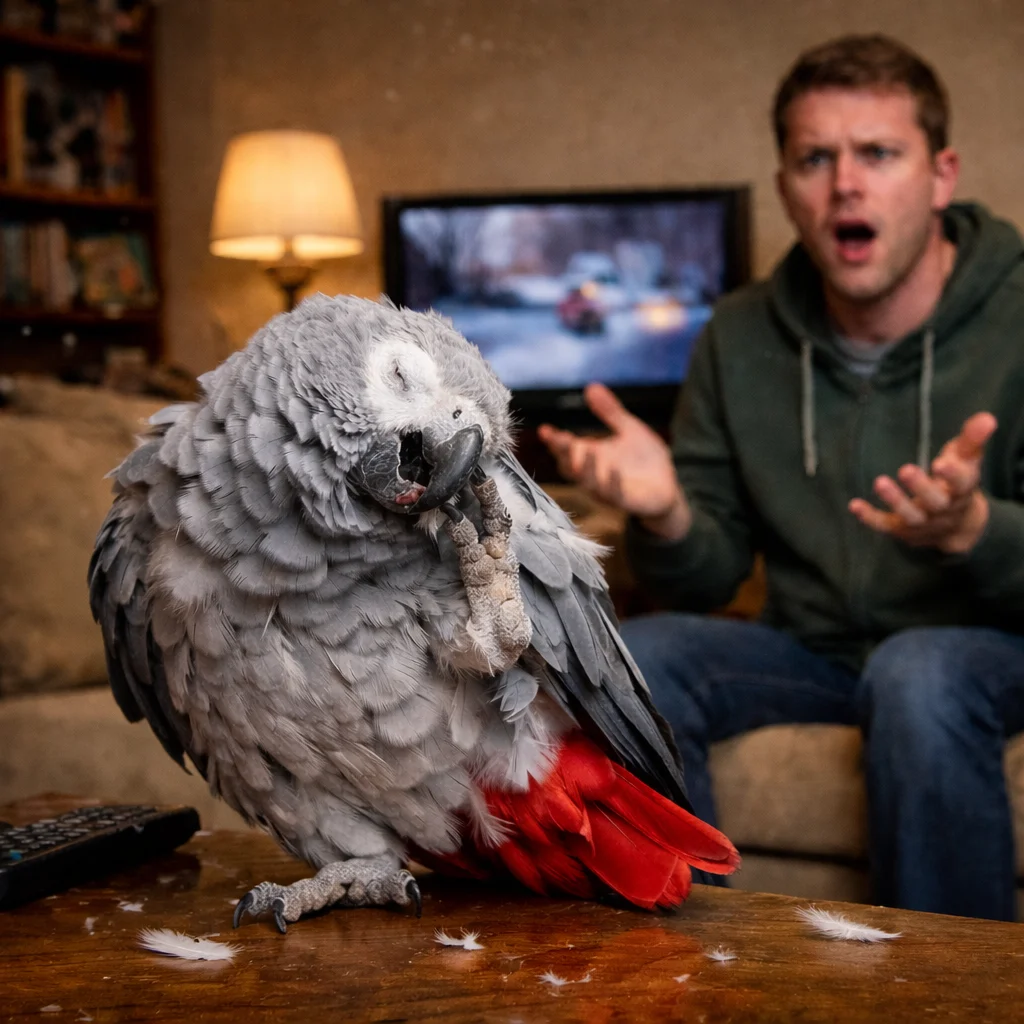
For many bird owners, observing their beloved companion undergoing a molt can be a source of both fascination and significant anxiety. The natural process of shedding old feathers and growing new ones, while essential for avian health and flight, often presents with symptoms that closely mimic the initial stages of feather-destructive behavior (FDB), a complex and often distressing condition. This article aims to provide a comprehensive guide for owners to discern between normal molting discomfort and the concerning onset of feather plucking, offering insights into the underlying physiology, nutritional imperatives, and critical behavioral cues that necessitate professional intervention.
Understanding the Avian Molt: A Biological Imperative
Molting is a highly regulated physiological process vital for a bird’s survival, ensuring the replacement of worn, damaged, or lost feathers with fresh, functional plumage. Feathers are dead structures made primarily of keratin, similar to human hair and fingernails, and cannot repair themselves. Therefore, periodic replacement is crucial for insulation, waterproofing, flight, and camouflage. The timing and duration of molting vary significantly among species, influenced by factors such as age, season, nutrition, hormone levels, and environmental light cycles. Smaller birds, like finches and parakeets, may undergo frequent, less noticeable molts, while larger parrots might have one or two extensive molts annually, which can last for several weeks or even months. Juvenile birds experience a "juvenile molt" to replace their initial downy or immature plumage with adult feathers.
During a molt, old feathers are pushed out by new ones emerging from the feather follicles. These new feathers, often called "pin feathers" or "blood feathers," are encased in a keratin sheath and supplied with blood vessels at their base to facilitate growth. As the feather matures, the blood supply recedes, and the sheath dries and flakes off, revealing the new feather. This entire process is incredibly energy-intensive, with feathers comprising approximately 4-12% of a bird’s total body weight, and composed of about 90% protein. Consequently, a bird’s nutritional demands soar during this period, requiring a substantial intake of high-quality protein, essential amino acids, vitamins (particularly Vitamin A and B-complex), and crucial minerals like calcium and zinc.
The Discomfort of Renewal: What Normal Molt Looks Like
It is a well-established fact among avian veterinarians and behaviorists that molting is not a pain-free process. The emergence of numerous pin feathers, especially in dense areas, can cause considerable itching and irritation. Birds instinctively respond to this discomfort by increasing their preening activity, a natural grooming behavior essential for maintaining feather health and distributing preen oil. During a normal molt, an owner might observe their bird:
- Increased Preening and Scratching: Birds will spend more time meticulously preening, using their beak to remove the keratin sheaths from new pin feathers. They may also use their feet to scratch their head and neck vigorously. This activity is typically spread across the body as new feathers emerge in different areas.
- Irritability and Reduced Social Tolerance: The persistent itching and the general physiological strain can make birds more sensitive, less tolerant of handling, and occasionally short-tempered. They might emit soft chirps or grumbles while preening, indicating their discomfort.
- Visible Pin Feathers: Numerous small, spiky pin feathers will be visible, particularly on the head, neck, and chest. The bird may appear "messy" or "spiky."
- Slightly Fluffed Appearance: Due to the physiological demands and discomfort, some birds might appear slightly fluffed up for short periods, seeking warmth or comfort.
- Temporary Bald Patches: As old feathers are shed, small, temporary bald areas might appear, especially around the eyes or vent, but these should quickly fill in with new growth.
- Intermittent Behavior: The intensity of preening and scratching usually comes in waves, corresponding to the emergence of new feathers. The bird should be able to disengage from preening to eat, play, or rest normally.
According to Dr. Eleanor Vance, a board-certified avian veterinarian practicing in a major metropolitan area, "A healthy molt is a sign of a healthy bird. While it can look dramatic, the key is the bird’s ability to cycle through the discomfort. They should still be eating, interacting, and engaging in normal behaviors, even if they’re a bit grumpier or spend more time grooming."
The Alarming Transition: When Molt Signals the Onset of Feather-Destructive Behavior
The line between intense molting and the early stages of FDB can be distressingly blurry, leading to significant owner distress. FDB, often mistakenly referred to simply as "feather plucking," encompasses a range of self-mutilating behaviors from mild feather chewing to severe plucking, barbering, and even skin mutilation. It is a symptom, not a diagnosis, with an underlying cause that can be medical, environmental, or behavioral. Early recognition is paramount, as chronic FDB is notoriously difficult to treat and can severely impact a bird’s welfare.
The primary distinguishing factor lies in escalation and fixation, rather than mere intensity. While a molting bird may preen intensely, its focus shifts across the body, and it can be easily distracted. A bird developing FDB, however, will exhibit a pattern of escalating, repetitive, and often compulsive focus on specific body areas.
Key indicators that warrant concern and immediate veterinary consultation include:
- Fixation on Specific Areas: The bird repeatedly targets the same patch of feathers, often accessible areas like the chest, wings, or legs, even when other areas also have pin feathers.
- Damaged Feathers: Instead of neatly removing sheaths, the bird chews, breaks, or barbers feathers, leaving ragged edges or exposed shafts. Whole, healthy feathers may be pulled out, sometimes with the follicle intact.
- Skin Irritation or Injury: The skin beneath the feathers may appear red, inflamed, bruised, or even exhibit open wounds, scabs, or bleeding. This is a clear red flag.
- Prolonged, Ininterruptible Preening: The bird becomes so engrossed in preening or plucking that it cannot be easily distracted by food, toys, or human interaction. This behavior may persist for extended periods, even hours.
- Bald Patches That Do Not Re-Grow: Bald areas persist or expand, with no new feather growth appearing, or new feathers are immediately destroyed upon emergence.
- Changes in Feather Quality: New feathers, if they do grow, may be malformed, stress-barred, or discolored, indicating underlying physiological issues.
- Excessive Fluffing and Lethargy: While some temporary fluffing is normal, prolonged fluffing, coupled with lethargy, reduced appetite, or decreased vocalization, suggests illness.
- Squinting or Half-Closed Eyes: These are classic signs of pain or discomfort.
- Weight Loss or Changes in Droppings: These indicate systemic illness.
According to the Merck Veterinary Manual, FDB is a prevalent issue in captive psittacine birds (parrots) and can affect up to 10-15% of the captive parrot population, though precise figures are challenging to obtain due to varied reporting. The challenge often lies in distinguishing primary behavioral causes from underlying medical conditions, as chronic pain or discomfort from an illness can manifest as plucking.
The Role of Nutrition: Fueling Feather Health
The quality of a bird’s diet is a critical determinant of its ability to navigate a molt smoothly and a significant factor in preventing FDB. As Chen et al. (2020) highlighted in Frontiers in Physiology, feather production places immense metabolic demands on a bird. Deficiencies in key nutrients, particularly Vitamin A and essential fatty acids (EFAs), can severely compromise feather and skin health.
- Vitamin A: Crucial for epithelial cell health, including skin and feather follicles. A deficiency can lead to abnormal keratinization, causing dry, flaky skin, brittle feathers, and irritation that can trigger excessive preening. Many seed-based diets are notoriously deficient in Vitamin A.
- Essential Fatty Acids (Omega-3 and Omega-6): Vital for maintaining skin barrier function, reducing inflammation, and producing healthy, pliable feathers. EFAs contribute to the luster and integrity of plumage.
- Protein and Amino Acids: As feathers are primarily protein, a diet lacking in complete proteins or specific amino acids (like methionine and lysine) will result in poor feather quality, slow growth, and a prolonged, difficult molt.
"Many ‘rough molts’ are simply the point where long-standing dietary limitations finally manifest," explains Diane Burroughs, LCSW, an ABA-trained behavior specialist and founder of UnRuffledRx. "It’s not bad luck; it’s often the cumulative effect of a less-than-optimal diet that becomes apparent under the stress of feather renewal." A diet primarily consisting of seeds, while palatable, is almost always nutritionally incomplete and contributes significantly to such issues. A high-quality pelleted diet, supplemented with fresh vegetables, fruits, and appropriate healthy fats, is generally recommended by avian veterinarians.
Environmental and Behavioral Factors: Beyond the Plate
While nutrition is foundational, the bird’s environment and psychological well-being also play crucial roles during molt and in preventing FDB.
- Humidity: Dry environments can exacerbate skin irritation during molt. Regular bathing or misting helps soften keratin sheaths, making them easier to remove and reducing itchiness.
- Enrichment: Boredom, stress, and lack of mental stimulation are significant contributors to FDB. A bird with insufficient toys, foraging opportunities, and social interaction may turn to its feathers out of frustration or anxiety.
- Sleep: Birds require ample, uninterrupted sleep (10-12 hours in darkness). Chronic sleep deprivation can lead to stress, weakened immune response, and behavioral problems.
- Stressors: Changes in routine, new pets, loud noises, perceived threats, or lack of a secure environment can trigger stress, which manifests physically.
Proactive Measures: Supporting Your Bird Through Molt
The goal during a molt is to reduce discomfort and prevent the escalation of normal preening into a destructive habit. Owners can implement several strategies:
- Optimize Diet: Ensure a high-quality, balanced diet rich in pellets, fresh vegetables, and fruits. Consider supplements like omega fatty acids or a comprehensive avian vitamin (always consult a vet first).
- Increase Humidity and Bathing: Offer daily opportunities for bathing or misting with lukewarm water. This helps soften pin feather sheaths, making them easier and less painful to remove.
- Gentle Preening Assistance: For very tame birds, gently rolling the sheaths of fully emerged pin feathers between your fingers can provide relief, but only if the bird clearly enjoys it. Never force it or pull on blood feathers.
- Provide Enrichment: Offer new foraging toys, shreddable materials, and rotate existing toys to keep the bird mentally stimulated and prevent boredom-induced plucking.
- Maintain Routine and Calm: Minimize stressors. Ensure consistent sleep schedules and a predictable environment.
- Avoid Counterproductive Interventions:
- Over-preening: Do not excessively pick at your bird’s feathers or attempt to remove sheaths aggressively.
- Punishment: Never punish a bird for preening or plucking. This only increases stress and can worsen the behavior.
- Sudden Dietary Changes: Introduce dietary changes gradually to avoid digestive upset.
- Ignoring the Problem: Hoping it will go away often allows FDB to become entrenched.
When to Seek Professional Veterinary Care
The decision of when to move from home management to professional veterinary care is critical. While it’s normal to observe patterns over weeks, not hours, the following signs unequivocally warrant an immediate consultation with an avian or exotics veterinarian:
- Any signs of open skin, bleeding, or persistent wounds.
- Bald areas that are not filling back in with new feathers.
- Feathers that are clearly being pulled out, chewed, or damaged.
- The bird appears weak, lethargic, or unusually quiet.
- Persistent fluffing, squinting, or keeping eyes half-closed.
- Any changes in appetite, water intake, or droppings.
- Obsessive, repetitive plucking that cannot be interrupted.
- The behavior steadily intensifies or fixates on one spot over days or weeks.
Dr. Vance stresses, "If you’re asking yourself, ‘Is this normal?’ for more than a few days, or if you see any signs of self-inflicted injury, it’s time to call us. Early intervention vastly improves outcomes for FDB. We have diagnostic tools like blood work, feather stress analysis, and even skin biopsies to rule out underlying medical causes like parasites, bacterial or fungal infections, organ disease, or nutritional deficiencies."
Broader Implications: Welfare and Responsibility
The prevalence of FDB highlights significant welfare challenges for captive birds. A bird suffering from chronic plucking experiences persistent discomfort, potential pain, and often, a reduced quality of life. Beyond the immediate physical harm, FDB can lead to secondary infections, systemic illness from stress, and a breakdown in the human-animal bond.
Owners bear a profound responsibility to provide environments that cater to the complex needs of their avian companions. This includes not only meeting basic nutritional and housing requirements but also providing rich environmental enrichment, consistent positive interaction, and vigilant observation for signs of distress. As research continues to unravel the multifactorial causes of FDB, from genetic predispositions to environmental triggers, the importance of a holistic approach to avian care becomes increasingly clear. Support for molting birds is not passive; it requires proactive, science-backed steps that reduce irritation and prevent the tragic transition from a natural process to a chronic, self-destructive behavior.
References:
Chen et al., 2020. Frontiers in Physiology.
Cooper & Harrison, 1994. Avian Medicine.
Merck Veterinary Manual, 2024.
