


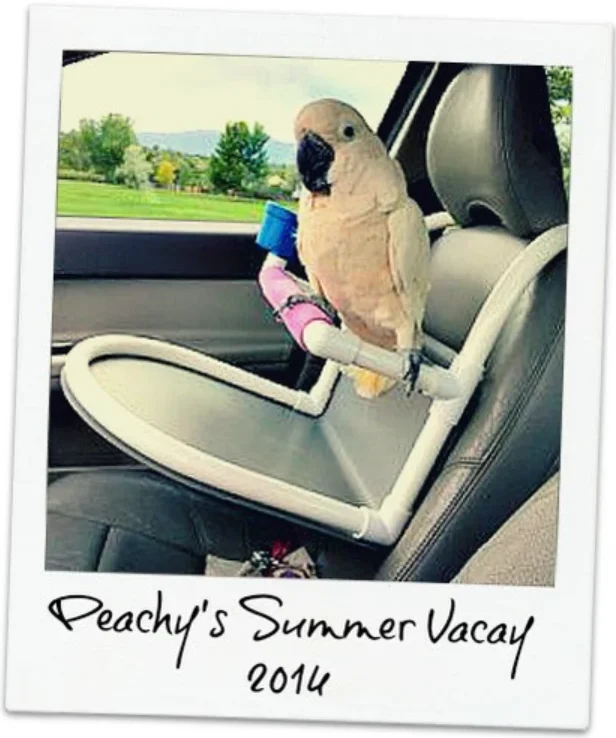
The landscape of pet ownership has dramatically evolved, with companion animals increasingly regarded as integral family members. This shift has led to a burgeoning trend: pet parents opting to include their beloved animals in travel plans, rather than leaving them behind. Among these, the unique challenges and rewards of traveling with a bird have captured the attention of thousands of parrot owners, who are now seeking reliable guidance to ensure their feathered friends enjoy the journey as much as the destination. This extensive guide delves into the essential preparations, safety protocols, and psychological considerations for embarking on a car trip with a pet bird, aiming to make every adventure safe, enriching, and stress-free.
The Evolving Trend of Avian Travel
For many years, the default for pet birds during family vacations was often a pet sitter or boarding facility. However, a growing understanding of avian intelligence and emotional needs, coupled with advances in specialized pet travel gear, has empowered owners to consider a different approach. Traveling with a bird is not merely feasible but can foster an unparalleled bonding experience. Parrots, being highly social and flock-minded creatures, derive immense security from the constant presence of their human companions. This innate need for flock proximity can paradoxically make car travel less stressful than separation, provided the journey is meticulously planned and executed.
Yet, the decision to take a parrot on vacation demands a level of preparation comparable to planning for any other family member. It extends far beyond simply placing a cage in the back seat; it requires a deep understanding of avian behavior, environmental controls, and emergency readiness. This guide consolidates expert advice, practical strategies, and essential product recommendations to equip bird owners for successful road trips, from short excursions to extended vacations.
Understanding Avian Psychology and Travel Stress
While the presence of their human flock can be reassuring, travel inherently introduces elements that can trigger anxiety in birds. Parrots are creatures of habit, thriving on predictable routines and familiar surroundings. New sounds, vibrations, unfamiliar sights, and changes in atmospheric pressure can easily disrupt their sense of security. Recognizing the signs of stress is paramount for any bird owner contemplating travel.
Common indicators of avian travel stress include:
- Panting or heavy breathing: Often misinterpreted as being too warm, it can signal anxiety.
- Excessive feather fluffing: A bird feeling unwell or stressed may fluff its feathers to appear larger or conserve heat.
- Increased vocalizations or unusual silence: While some birds may vocalize more when stressed, others may become uncharacteristically quiet.
- Aggression or biting: A stressed bird may lash out due to fear or discomfort.
- Changes in posture or balance: Difficulty perching, crouching, or trembling can indicate distress.
- Loss of appetite or refusal to drink: Stress can suppress a bird’s normal feeding and drinking patterns.
- Feather plucking or self-mutilation: In severe cases, extreme stress can lead to self-destructive behaviors.
- Regurgitation: Motion sickness or severe anxiety can cause a bird to regurgitate its food.
- Diarrhea or changes in droppings: Stress often manifests in digestive upset.
Should any of these signs appear, immediate intervention is necessary. This could mean pulling over to a quiet location, offering water, adjusting environmental conditions, or simply providing a comforting presence. Ideally, gradual exposure to car travel—starting with short, gentle drives—is the best preventative measure. However, in emergency situations like wildfire evacuations, where gradual acclimation is impossible, providing maximum comfort and security within the constraints is crucial. Owners are encouraged to review emergency preparedness guides for parrots, which often include specific advice for rapid evacuations.
Conversely, many avian experts observe that some parrots genuinely prefer car trips to being left behind. The constant proximity to their trusted flock (you) can significantly reduce separation anxiety, which can be far more distressing than the novelty of travel. The cornerstone of a positive travel experience lies in meticulous preparation and establishing positive associations with the travel environment. With the right strategies, car rides can transform into anticipated adventures.
To support a bird’s emotional well-being throughout the journey, owners should consider vet-approved calming products. These solutions, often incorporating natural ingredients or pheromones, can help soothe an anxious bird before, during, and after travel, ensuring a smoother transition between environments.
Pre-Travel Preparation: A Phased Approach to Success
Successful avian travel begins long before the car engine starts. A structured preparation timeline, ideally initiated several weeks prior to the trip, is essential.
1. Comprehensive Veterinary Consultation:
Approximately one to two weeks before departure, schedule a wellness check with an avian veterinarian. This appointment serves multiple critical purposes:
- Health Assessment: Confirm your bird is in optimal health for travel. An ailing, heavily molting, or hormonally aggressive bird should ideally remain home.
- Grooming: Discuss safe wing and nail trims to mitigate the risk of accidental escape or injury during travel or stops.
- Calming Aids: Consult your vet about appropriate mild calming supplements or pheromone sprays, considering your bird’s species and temperament. Never administer any product without veterinary guidance.
- Emergency Contacts: Obtain your vet’s contact information and inquire about recommended avian vets along your route or at your destination.
2. Carrier Selection and Acclimation: The Avian Safe Haven:
The travel carrier is perhaps the most critical piece of equipment. It must be:
- Secure: Escape-proof latches are non-negotiable.
- Well-ventilated: Essential for airflow and temperature regulation.
- Appropriate Size: Large enough for the bird to stand, turn around, and perch comfortably, but not so large that it allows excessive movement during bumps, which can cause injury.
- Durable and Easy to Clean: Acrylic or sturdy plastic carriers are often preferred.
- Visibility: Clear-sided carriers can reduce a bird’s claustrophobia, but partial covers should be available to reduce overstimulation.
- Stable Perching: Include a comfortable, non-slip perch that is securely fastened.
Carrier training should commence weeks in advance. Begin by introducing the carrier in a safe, familiar home environment. Leave the door open, place favorite treats and toys inside, and allow your bird to explore at its own pace. Gradually encourage longer stays, closing the door for short periods. Once comfortable inside, move the carrier to the vehicle, initially with the engine off, then with the engine running, and finally, embark on very short drives around the block. Observe your bird’s body language meticulously at each stage. This gradual desensitization builds positive associations and prevents panic.
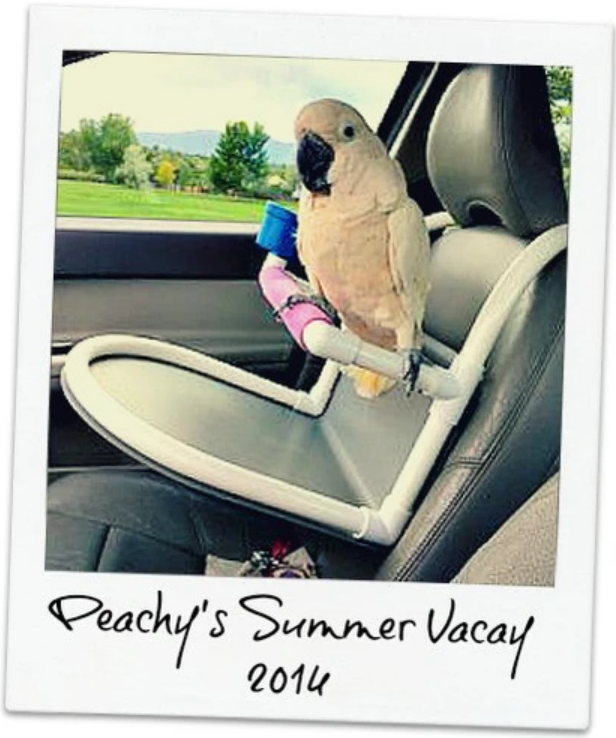
While specialized bird car seats exist, often designed for harness-trained parrots, they should only be considered for highly confident birds accustomed to motion and always with a secure travel carrier as a backup. The primary concern is safety in case of sudden stops or accidents, where a well-secured carrier offers superior protection.
3. Harness Training: Expanding Freedom with Safety:
For owners willing to invest the time, harness training unlocks a new dimension of travel. A bird accustomed to a harness can safely explore during breaks, stretch its wings (under strict supervision), or enjoy the fresh air outside the vehicle. This provides vital exercise and mental stimulation, significantly reducing travel-related stress. Consistent, positive reinforcement-based harness training should be a long-term project, not rushed before a trip. Always ensure the harness fits correctly and is used in a secure, controlled environment.
4. Emergency Preparedness Kit:
Beyond the standard travel kit, an emergency plan is vital. This includes:
- Identification: Ensure your bird has an ID band or microchip. Carry recent photos.
- Medical Records: Keep a copy of your bird’s health records, including vaccination history (if applicable) and medication details.
- First-Aid Kit: Include avian-specific items like styptic powder, wound cleaner, bandages, and a vet-recommended pain reliever.
- Evacuation Plan: In regions prone to natural disasters, pre-plan evacuation routes and safe havens. Practice loading your bird quickly into its travel carrier.
5. Route Planning and Accommodation:
Thorough planning extends to the journey itself.

- Bird-Friendly Hotels: Do not assume "pet-friendly" includes birds. Call hotels directly to confirm their avian policies, inquire about quiet rooms, and clarify rules regarding cage covers.
- Break Schedule: Plan regular stops every 90-120 minutes. Select quiet, safe locations away from heavy traffic.
- Temperature Control: Research expected temperatures along your route and at your destination. Extreme heat (over 85°F/29°C) or cold (under 45°F/7°C) is dangerous for birds.
During the Journey: Ensuring Comfort and Safety
Once on the road, continuous vigilance and adherence to safety protocols are paramount.
1. Carrier Security in the Vehicle:
The travel carrier must be firmly secured in the back seat to prevent shifting, tipping, or injury during sudden stops or turns. Seatbelts can be threaded through carrier handles or around the base. For larger carriers, additional straps or bungee cords may be necessary. Placing a non-slip mat underneath can also help.
2. Environmental Control:
- Temperature: Maintain a comfortable cabin temperature. Avoid direct sunlight on the carrier, which can cause rapid overheating. Conversely, prevent direct drafts from air conditioning or open windows.
- Light and Noise: Partially covering the carrier can reduce visual overstimulation and create a sense of security. Keep music volume low and avoid sudden loud noises.
- Air Quality: Avoid air fresheners, perfumes, or smoking in the car, as birds have highly sensitive respiratory systems.
3. Hydration and Nutrition:
Offer fresh water at every stop. For longer stretches, a drip water bottle can be used, though some birds may not be accustomed to it. Pack familiar food items, as novelty can be stressful. Avoid messy or highly perishable foods during the drive. A quick spritz of an avian-safe aloe vera spray can help counteract the drying effects of car A/C or altitude changes, keeping skin and feathers hydrated.
4. Preventing Motion Sickness:
Birds can experience motion sickness. To minimize this:
- Ensure the carrier is level and stable.
- Remove dangling or unpredictably moving toys during the drive; these can cause disorientation. Instead, offer a stationary comfort item like a shreddable block or a soft chew toy.
- Avoid erratic driving, sudden acceleration, or braking.
5. Scheduled Breaks and Enrichment:
During planned breaks, pull over to a quiet, secure location. With the car engine off and the area calm, offer fresh water and a familiar snack. Observe your bird for signs of stress or comfort. If harness-trained, allow 5-10 minutes of supervised exploration outside the carrier, ensuring it’s a safe, enclosed space away from potential hazards or predators. This movement and mental stimulation are crucial for multi-day trips.
Essential Bird Travel Kit:
A well-stocked travel kit ensures you have everything needed:
- Secure travel carrier
- Water bottles and food bowls (attachable to carrier)
- Familiar food and treats
- Bottled water
- Cage cover (partial or full)
- Favorite toys and comfort items
- Bird-safe cleaning wipes/spray
- Small first-aid kit
- Copies of vet records and emergency contacts
- Portable perch (for hotel room)
- Waterproof mat for under the cage
- Calming supplements (vet-approved)
- Aloe mist or hydrating spray
- Harness and leash (if trained)
- ID tags for carrier
- Disinfectant for carrier
When to Opt Out: Recognizing Travel Limitations
Despite best intentions, there are instances when traveling with a bird is not advisable, prioritizing their health and well-being.

- Health Concerns: If your bird is currently ill, recovering from an injury, undergoing a heavy molt, or exhibiting severe hormonal mood swings, the added stress of travel could exacerbate their condition.
- Lack of Training: If your bird has not been acclimated to a travel carrier or harness, or if previous short trips have resulted in extreme distress, postpone the journey. A panicked bird poses a risk to itself and others.
- Weather Extremes: Avoid travel during periods of extreme heat (above 85°F/29°C) or cold (below 45°F/7°C). Birds are highly susceptible to heatstroke and hypothermia, and maintaining a safe internal temperature in a vehicle can be challenging.
Conclusion: Travel Smart, Travel Safe
The decision to embark on a road trip with a feathered companion is a significant one, reflecting the deep bond shared between owner and bird. While the prospect might seem daunting, with meticulous planning, gradual training, and a proactive approach to safety and comfort, traveling with your bird can be an immensely rewarding experience. Parrots thrive on security and connection to their flock, and when provided with a thoughtfully prepared travel environment, they often embrace the adventure.
By adhering to veterinary advice, investing in appropriate travel gear such as robust, well-ventilated carriers and considering the benefits of harness training, owners can transform potential stress into shared joy. Products like the Pak’o’Bird carrier and UnRuffledRx supplements, trusted by avian professionals and thousands of bird parents, exemplify the commitment to avian well-being during travel. When a bird feels safe, seen, and supported throughout the journey, they will undoubtedly cherish the experience as much as the destination, solidifying the unique bond that makes these creatures such cherished members of our families.
Related Posts:
- 6 Tips for Car Travel with Parrots
- Pet Friendly Vacations: RV Travel With Your Bird
- Finding a Bird-Friendly Hotel
Link to this blog
Burroughs, D. (2025, July 2). Birds in the backseat: Parrot travel made easy [Blog post]. BirdSupplies.com. Retrieved from https://birdsupplies.com/blogs/news/birds-in-the-backseat-parrot-travel-made-easy
Diane Burroughs, LCSW, brings over 30 years of experience helping bird lovers build stronger, healthier bonds with their parrots. With a foundation in psychotherapy and Applied Behavior Analysis (ABA), Diane combines proven behavioral science with simple, real-life strategies anyone can use. Through her books, behavior consultations, and UnRuffledRx parrot wellness products, she’s dedicated to helping real bird owners create trust, confidence, and a lifetime of positive experiences with their feathered companions.
Diane’s products have been featured in the Journal of Avian Medicine and Surgery and at ExoticsCon, a national conference for exotic animal veterinarians. Her bird collars and supplements are trusted by avian vets and stocked in vet clinics across the U.S. With thousands of individualized behavior plans under her belt, Diane’s mission is simple: to help parrots and their people thrive together.
TAGS: #CarTravelWithBirds #TakingYourBirdOnVacation
SHARING IS CARING! 💖
Love what you read? Help spread the word on Facebook & Instagram 🐦
✍️ Leave a comment below and let us know your thoughts!
