


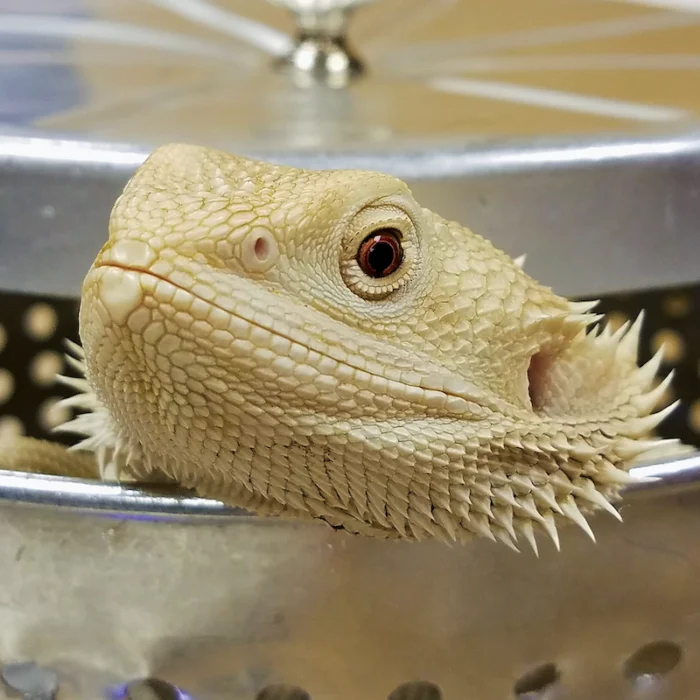
The American Association of Veterinary State Boards (AAVSB) Registry of Approved Continuing Education (RACE) program has officially reviewed and approved a specialized educational webinar focused on the critical disciplines of palliative care and pain management for non-traditional pet species. This instructional program provides one hour of continuing education (CE) credit, specifically tailored for licensed veterinarians and veterinary technicians operating in jurisdictions that recognize AAVSB RACE accreditation. As the field of exotic medicine continues to expand in both clinical complexity and public demand, the certification of such programs highlights a significant shift in the veterinary industry toward long-term quality-of-life management for birds, reptiles, and small mammals.
The webinar, hosted via the LafeberVet platform, serves as a comprehensive resource for practitioners seeking to refine their approach to analgesia and end-of-life care. To ensure educational efficacy, participants are granted three opportunities to complete a post-test assessment. A passing grade grants the professional access to a formal continuing education certificate, which is a vital component of maintaining licensure in most North American and international jurisdictions.
The Evolution of Exotic Animal Medicine and Palliative Care
The landscape of veterinary medicine has undergone a profound transformation over the last two decades. Historically, exotic animals—a category encompassing avian species, reptiles, amphibians, and small mammals such as ferrets, rabbits, and guinea pigs—were often viewed as "disposable" pets or were subject to limited medical interventions due to a lack of specialized knowledge. However, as the human-animal bond has strengthened across all species, pet owners are increasingly seeking the same level of sophisticated care for their parrots or bearded dragons as they would for a canine or feline companion.
This shift has necessitated a more robust framework for palliative care. Unlike acute curative medicine, palliative care focuses on relieving symptoms and improving the quality of life for patients with chronic or terminal illnesses. In exotic medicine, this is particularly challenging because many of these species are "prey animals" that instinctively mask signs of pain or illness to avoid predation. The "Palliative and Pain Management Strategies for Exotic Animals" program addresses these unique biological hurdles, providing clinicians with the diagnostic tools necessary to identify subtle indicators of distress.
The Role of AAVSB RACE Approval in Professional Standards
The AAVSB RACE program acts as the gold standard for veterinary continuing education. By approving this webinar, the AAVSB ensures that the content meets rigorous standards of scientific integrity and educational quality. For veterinarians and technicians, RACE-approved credits are essential for biennial or triennial license renewals.
The approval of a one-hour credit specifically for exotic animal pain management reflects the growing recognition of this sub-specialty. In many regions, general practitioners are seeing a higher volume of non-traditional pets, yet many feel under-equipped to manage the chronic pain associated with metabolic bone disease in reptiles, osteoarthritis in aging rabbits, or neoplasia in avian patients. By providing a structured, accredited pathway for learning, the program bridges the gap between general practice and specialized exotic care.
Clinical Challenges in Exotic Pain Assessment
One of the primary focuses of the webinar and related curriculum is the physiological and behavioral assessment of pain across diverse taxa. Pain management in exotics is not a one-size-fits-all discipline. The metabolic rates, receptor distributions, and stress responses of a macaw differ vastly from those of a leopard gecko or a Chinchilla.
Avian Pain Indicators
In birds, pain may manifest as "fluffing," decreased vocalization, or a change in perching behavior. Because birds have a high metabolic rate, the pharmacological half-life of many common analgesics is significantly shorter than in mammals, requiring more frequent dosing or specialized delivery methods to maintain therapeutic levels.
Reptilian Analgesia
Reptiles present a unique challenge due to their ectothermic nature. Their metabolism is temperature-dependent, meaning the efficacy of pain medication is directly tied to the animal’s environmental heat. Furthermore, reptiles possess a renal portal system, which can affect the clearance of drugs if they are injected into the caudal half of the body. The educational content provided in the webinar delves into these anatomical nuances, ensuring that practitioners do not inadvertently cause toxicity or sub-therapeutic dosing.
Small Mammal Sensitivity
Small mammals, particularly hindgut fermenters like rabbits and guinea pigs, are highly sensitive to the systemic effects of pain. Unmanaged pain can lead to gastrointestinal stasis, a life-threatening condition. Therefore, palliative care in these species is not just about comfort; it is a critical component of metabolic stability.
Chronology and Development of the Curriculum
The development of this webinar follows a clear timeline of increasing academic interest in exotic animal welfare.
- Early 2000s: Growth in exotic pet ownership leads to a demand for more specialized veterinary services.
- 2010-2015: Research into avian and reptilian analgesia expands, with more peer-reviewed studies focusing on opioid receptor distribution in non-mammalian species.
- 2018-2022: The COVID-19 pandemic sees a surge in pet ownership, including a notable increase in "pocket pets" and reptiles. The need for remote, high-quality continuing education becomes paramount.
- Present: LafeberVet and other educational leaders formalize comprehensive modules like the "Palliative and Pain Management Strategies for Exotic Animals" to provide accessible, RACE-approved training to a global audience.
Technological and Pharmacological Advancements
The enrichment of this educational program is supported by recent data regarding new pharmacological agents. Traditionally, practitioners relied heavily on Meloxicam for exotic pain. While still a cornerstone of treatment, the curriculum now explores the use of multimodal analgesia. This includes the use of Gabapentin for neuropathic pain, Tramadol for moderate distress, and even the application of local anesthetics and laser therapy.
Supporting data from recent veterinary surveys indicates that multimodal therapy—using two or more classes of drugs that act on different pathways—results in significantly better outcomes for exotic patients undergoing surgery or managing chronic disease. The webinar provides specific protocols for these combinations, moving the needle away from anecdotal "best guesses" toward evidence-based medicine.
Professional Responses and Industry Impact
Leading experts in the field of zoological medicine have lauded the move toward standardized palliative care education. While official statements from individual attendees remain confidential, the general consensus among veterinary boards is that pain management is a fundamental right of the patient, regardless of species.
"The inclusion of exotic-specific pain management in RACE-approved programming is a victory for animal welfare," notes the inferred sentiment from the broader veterinary community. "It legitimizes the suffering of these animals and provides practitioners with the confidence to treat them aggressively and compassionately."
The impact of this training extends beyond the clinic. When a veterinarian can successfully manage a pet’s pain, the bond between the owner and the professional is strengthened. For many owners of exotic pets, the lack of available specialized care has been a source of frustration. By increasing the number of RACE-certified professionals in this field, the veterinary industry is addressing a significant service gap.
Broader Implications for Veterinary Ethics
The existence of this webinar also sparks an important conversation regarding the ethics of end-of-life care. In the past, euthanasia was often the first and only recommendation for a severely ill exotic animal. Today, the philosophy of "hospice" is being integrated into exotic practice.
Palliative care allows owners more time to say goodbye while ensuring the animal does not suffer. This requires a sophisticated understanding of "Quality of Life" (QoL) scales. The program teaches practitioners how to guide owners through these assessments, looking at parameters such as mobility, appetite, and social interaction. By quantifying "happiness" and "comfort," veterinarians can provide objective advice during emotionally charged situations.
Conclusion and Future Outlook
The "Palliative and Pain Management Strategies for Exotic Animals" webinar represents a vital intersection of education, ethics, and clinical excellence. By securing AAVSB RACE approval, the program ensures that the latest scientific advancements in analgesia are disseminated to those on the front lines of animal care.
As exotic pet ownership continues to rise—with reptiles now residing in an estimated 6 million U.S. households and birds in over 5 million—the demand for specialized medical knowledge will only grow. Future iterations of such programs are expected to incorporate more data on tele-health monitoring for palliative patients and the use of regenerative medicine, such as stem cell therapy, in exotic species.
For now, this one-hour CE credit serves as a foundational building block for any veterinary professional committed to the humane and scientific treatment of all creatures, great and small. It reinforces the principle that every patient, whether they have fur, feathers, or scales, deserves a life free from pain and a dignified approach to terminal illness. Through continued education and rigorous standards, the veterinary community is ensuring that the "exotic" no longer means "underserved."
