


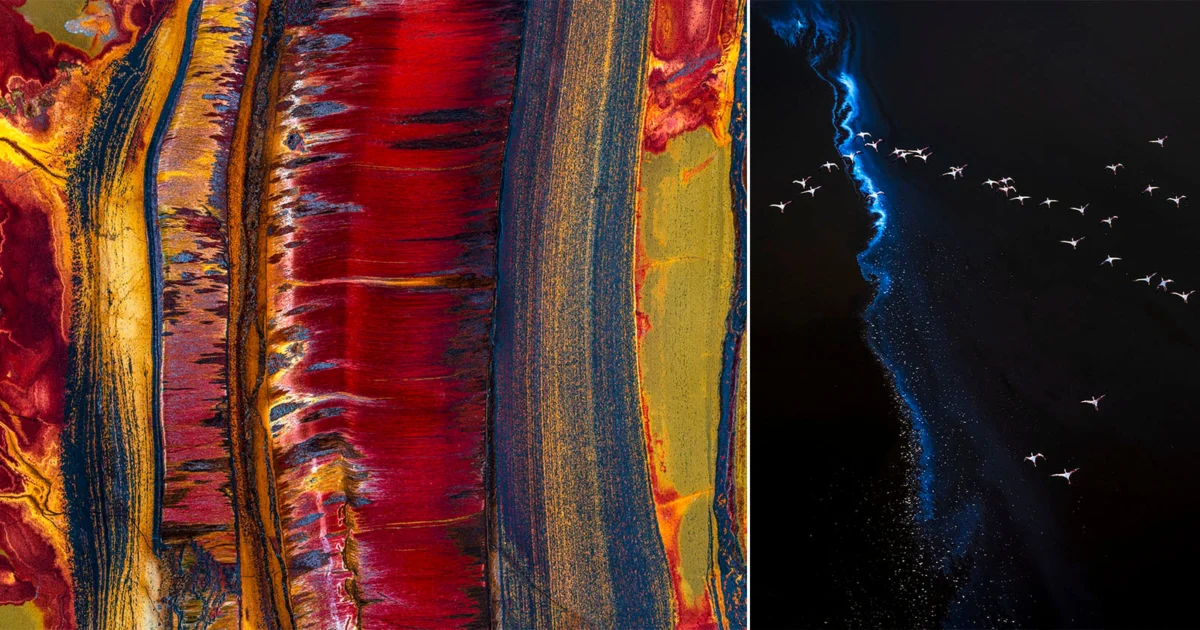
The intersection of high-level technology and raw, natural artistry has found a unique spokesperson in Jon McCormack. As the lead for iPhone camera software at Apple, McCormack spends his professional hours defining how billions of people capture their daily lives through computational photography. However, his personal creative output, culminating in the upcoming monograph "Patterns: Art of the Natural World," reveals a deeply contemplative approach to the medium that prioritizes the slow observation of nature’s smallest and largest structures. Published by Damiani Books and scheduled for release on Earth Day, April 26, 2026, the volume serves as both a career retrospective and a philanthropic engine for global conservation efforts.
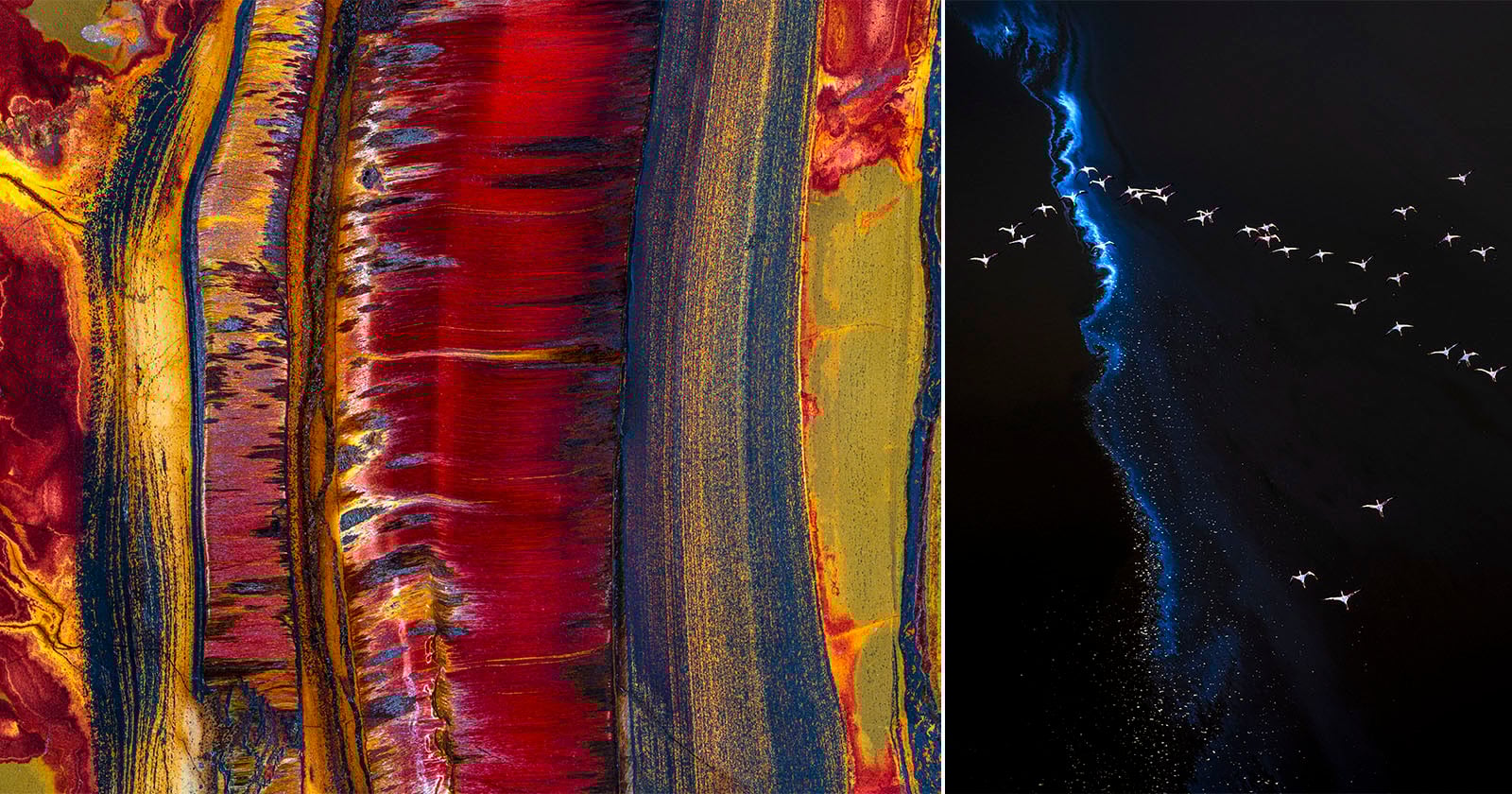
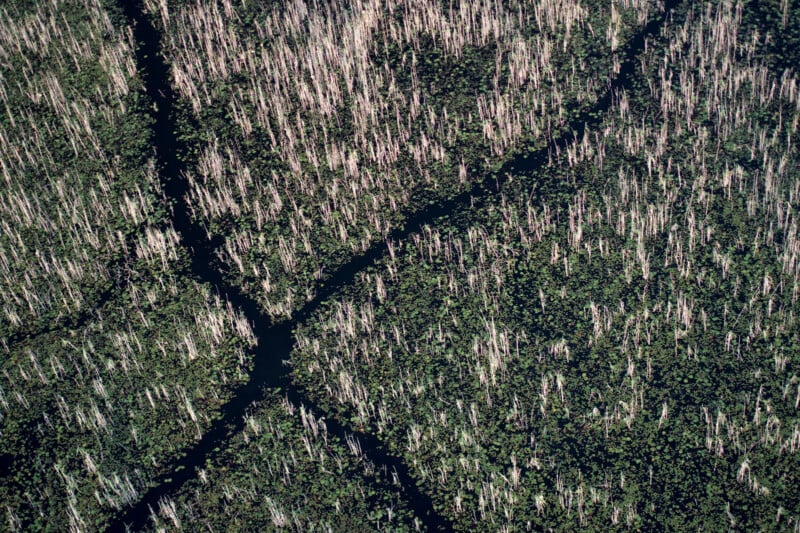
The monograph is the result of a multi-decade journey that spans the rugged terrains of the Australian Outback to the microscopic worlds of diatoms and the vast, icy expanses of the Arctic. Through a collection of images that often defy immediate scale, McCormack challenges the viewer to look beyond the "signpost" landmarks of traditional nature photography and instead focus on the underlying geometry, textures, and rhythms that define the physical world.
The Formative Years: Discipline in the Australian Outback
McCormack’s photographic philosophy was forged in an environment of scarcity and isolation. Growing up on a remote sheep and cattle property in Queensland, Australia, his early life was dictated by the rhythms of the land rather than the conveniences of modern technology. The family relied on a 32-volt generator for intermittent electricity, and the nearest town capable of processing film was a two-hour journey away.
His entry into photography began with a family heirloom: a Minolta 35mm Mark IV, manufactured circa 1949. This fully manual instrument offered no automation, forcing the young photographer to master the mechanics of light, aperture, and shutter speed through trial and error. Because film development occurred only once every few months, McCormack developed a rigorous system of field notes. He would sketch the composition of each frame, record light meter readings, and document his creative intent.
This delayed gratification became a cornerstone of his professional discipline. By the time he received his prints and negatives, he could cross-reference his successes and failures with his written records. This iterative process allowed him to internalize the "exposure triangle" and the nuances of dynamic range long before digital sensors made such feedback instantaneous. This period of his life underscores a broader truth in the arts: that technical limitations often serve as the most effective catalysts for creative growth.
From Slide Film to Computational Leadership
In the 1990s, McCormack transitioned to the San Francisco Bay Area, a move that coincided with his professional ascent in the technology sector. During this era, he primarily utilized Fujifilm Velvia, a slide film legendary among landscape photographers for its high contrast and saturated colors, but notorious for its unforgiving narrow dynamic range. A deviation of even a third of a stop could ruin a frame, a reality that further sharpened McCormack’s technical precision.
Despite his current role leading the software teams that develop some of the world’s most advanced mobile imaging algorithms, McCormack maintains a humble view of equipment. He argues that while modern mirrorless systems and smartphones offer unprecedented convenience by "pre-visualizing" the image for the user, they also present a temptation to bypass the essential stage of mental reflection. To McCormack, the 10,000-hour rule of mastery remains relevant; a photographer must reach a level of technical reflexivity where the camera becomes an extension of the body, allowing the mind to focus entirely on the artistic "voice."
The Pandemic as a Catalyst for Artistic Re-evaluation
The global lockdowns of 2020 provided an unexpected opportunity for McCormack to refine his visual language. Restricted to his local environment in California, he began a project of repetitive observation at a nearby beach. This period of "forced" localism moved him away from the pursuit of the spectacular—such as the classic sunset—and toward a deeper investigation of textural elements.
By returning to the same coastal stretch night after night, McCormack removed the pressure of the "new." He began to set up his compositions and wait, sometimes for hours, for a specific interaction between a wave and a rock or a particular quality of atmospheric mist. This process mirrored the slow photography of his youth, emphasizing that "to see takes time," a sentiment he frequently attributes to the artist Georgia O’Keeffe.

This period solidified his self-identification as a "pattern photographer." While many in the field categorize themselves by subject matter—such as wildlife or landscape—McCormack realized his interest lay in the repetition and structure found within those subjects. This realization was partly influenced by his red-green colorblindness. Because he cannot rely on certain color contrasts, such as red flowers against green foliage, his visual system naturally prioritizes form, texture, and tonal transitions.
The Technical Breadth of Patterns
The monograph "Patterns: Art of the Natural World" showcases a diverse array of imaging technologies. McCormack utilized approximately eight different camera systems to complete the book, ranging from high-resolution medium-format cameras and modern mirrorless units to specialized microscopes and the iPhone.

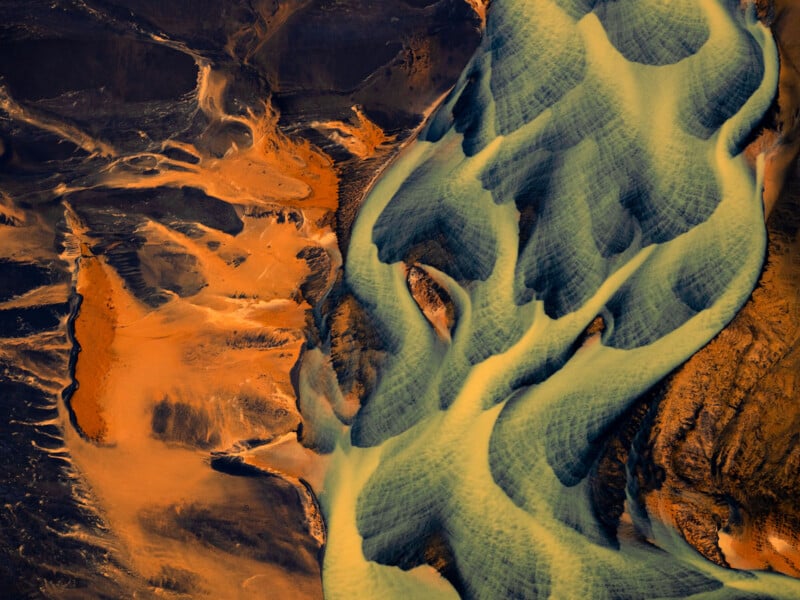
His approach to gear is strictly utilitarian: the tool is chosen based on the specific artistic challenge. For example, his work with diatoms—microscopic algae with intricate silica shells—required specialized optical equipment to reveal structures invisible to the naked eye. Conversely, his aerial photography in Iceland and Kenya required systems capable of capturing vast, painterly landscapes from moving platforms.
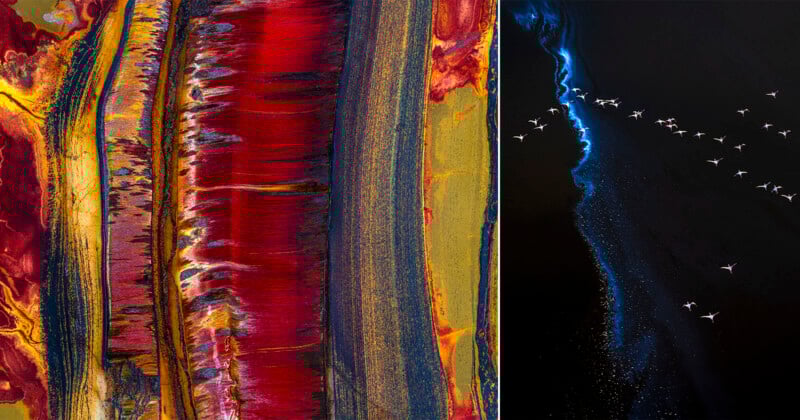
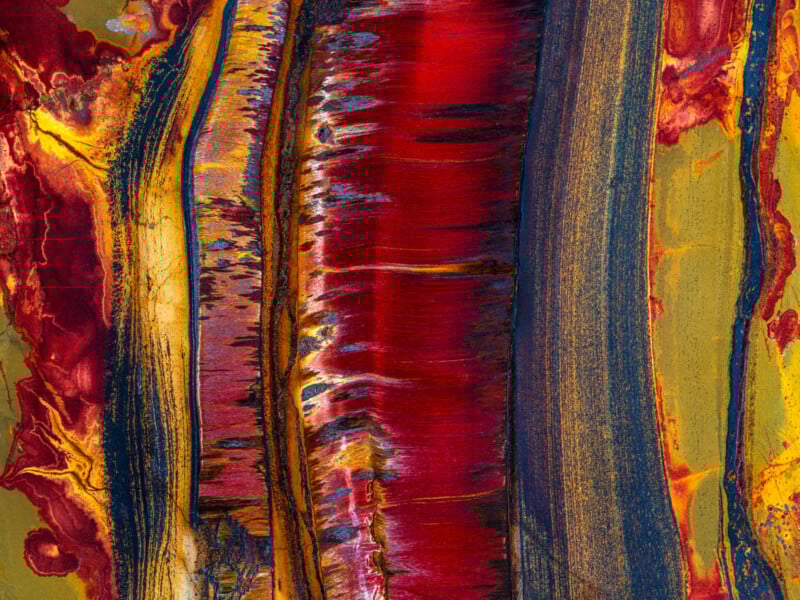
One of the most striking aspects of the collection is the intentional removal of scale. A photograph of tigerite from Australia’s Northern Territory, formed over millions of years through the replacement of ironstone with silica, can appear as vast as a canyon or as small as a pebble. Similarly, the spotted patterns of bird feathers in Kenya or the trapped air bubbles in Icelandic glacial ice create abstract compositions that force the viewer to engage with the image as a work of structural art rather than a literal representation of a subject.

Conservation Through Visual Storytelling
Beyond its aesthetic merits, "Patterns" is a mission-driven project. All proceeds from the book are dedicated to Vital Impacts, a non-profit organization co-founded by National Geographic photographer Ami Vitale and Eileen Mignoni. Vital Impacts works to support grassroots conservation initiatives and provide opportunities for visual storytellers around the world.
McCormack’s collaboration with Vitale dates back to a 2008 meeting in the Himalayas. Both share a philosophy described as "irrational optimism"—the belief that highlighting the beauty and fragility of the planet is a more effective catalyst for change than focusing solely on environmental degradation. McCormack likens the Earth to a Fabergé egg: unique, intricate, and irreplaceable.
The publication of the book on Earth Day 2026 is a deliberate choice intended to align with global conversations about biodiversity and climate resilience. By presenting nature as a series of intricate patterns, McCormack aims to foster a sense of "wonder" which, he argues, is the necessary precursor to "care."
Analysis of Implications: The Future of Nature Photography
The release of "Patterns" comes at a pivotal moment for the photography industry. As artificial intelligence begins to generate photorealistic imagery of the natural world, the role of the human witness is being redefined. McCormack’s work emphasizes the importance of the "point of view"—the unique human perspective that an algorithm cannot replicate because it lacks the lived experience and the specific "limitations" (such as colorblindness or personal history) that shape an artist’s eye.

Furthermore, the book highlights the evolving relationship between professional photography and mobile technology. As the person responsible for the iPhone’s camera software, McCormack’s use of the device in a professional monograph validates the smartphone as a legitimate tool for high-art nature photography. This democratization of the medium means that the ability to document and advocate for the environment is now in the hands of billions of people.
Publication Details and Availability
"Patterns: Art of the Natural World" is published by Damiani Books, an Italian house known for high-quality art and photography volumes. The standard edition is priced at $50. In a move to further support environmental causes, a special edition is available through Vital Impacts for $99, which includes a signed, limited-edition print.

The book’s structure is designed to take the reader on a journey through different layers of existence. It begins with the microscopic, moves through the terrestrial and wildlife patterns of the African savannah and the Australian bush, and concludes with the celestial-like vistas of the polar regions. Each section is accompanied by descriptions that blend geological and biological facts with McCormack’s personal reflections on the scenes.
As the global community faces increasing environmental challenges, works like "Patterns" serve as a reminder of what remains at stake. McCormack’s journey from a manual Minolta in the Outback to the pinnacle of Silicon Valley’s imaging industry suggests that while technology will continue to change how we see, the fundamental act of looking—deeply, slowly, and with intent—remains the most powerful tool in the photographer’s arsenal. Through his unique lens, the "art of the natural world" is revealed not just as something to be observed, but as a complex, beautiful system that demands our stewardship.
