


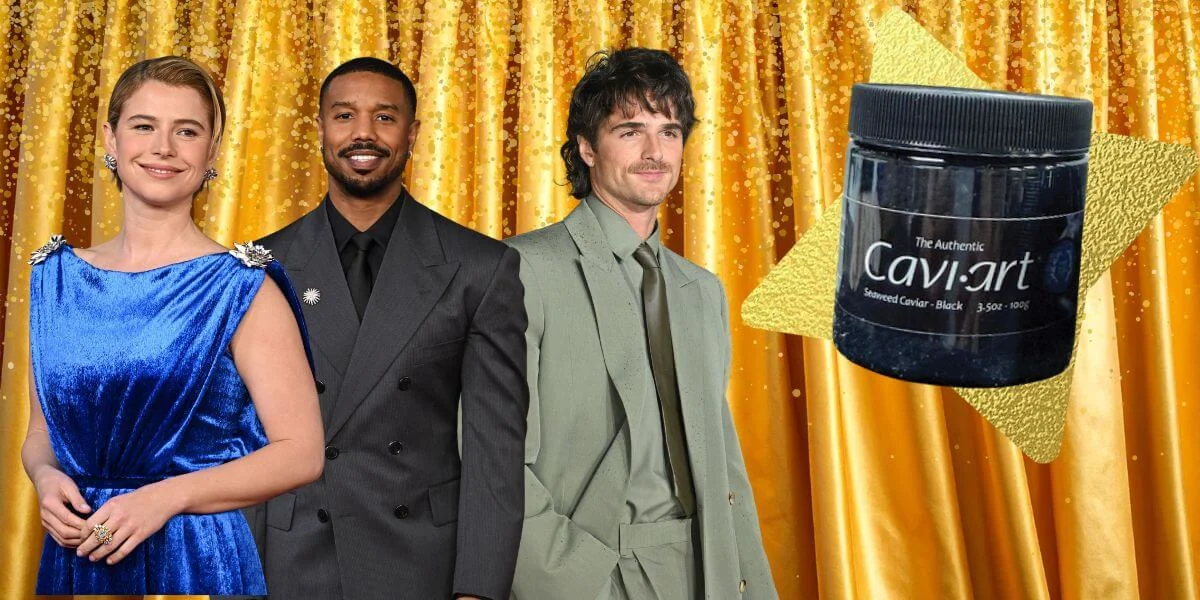
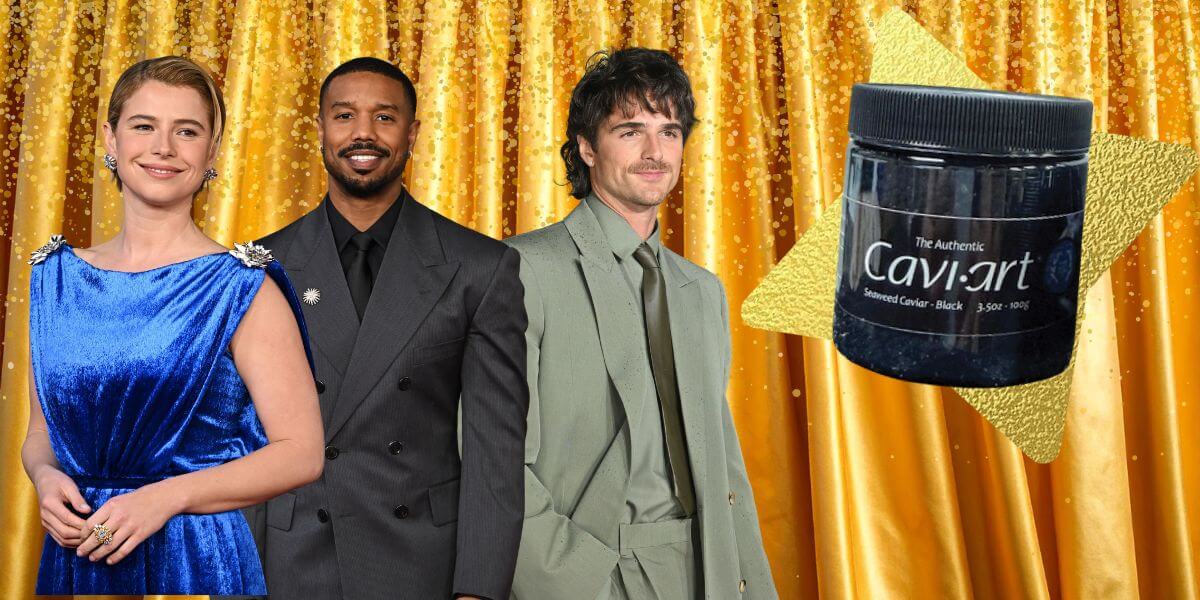
As the global entertainment industry converges on Los Angeles for the 98th Academy Awards, the intersection of high fashion, culinary excellence, and social consciousness has taken center stage. While the pursuit of the gold-plated Oscar statuette remains the primary focus for Hollywood’s elite, a parallel tradition of high-value gifting continues to evolve, reflecting broader societal shifts toward sustainability and animal welfare. This year, People for the Ethical Treatment of Animals (PETA) has secured a prominent place within the prestigious "Everyone Wins" Nominee Gift Bags, offering a curated selection of "kind luxury" items to a select group of the industry’s most influential figures. The 2026 selection features a sophisticated microfiber vegan "Birkin"-style handbag from the ethical brand GUNAS and an innovative, plant-powered caviar produced by Cavi-art. These items have been designated for top-tier nominees and creators, including Michael B. Jordan, Jacob Elordi, Jessie Buckley, Teyana Taylor, and Paul Thomas Anderson, signaling a deliberate effort to align red-carpet glamour with ethical consumption.
The Evolution of the "Everyone Wins" Nominee Gift Bag
The "Everyone Wins" Nominee Gift Bag, while not officially affiliated with the Academy of Motion Picture Arts and Sciences, has become a legendary fixture of Oscar week. Distributed independently by the marketing agency Distinctive Assets for over two decades, these bags are delivered to nominees in the major acting and directing categories. The valuation of these gift suites often reaches six figures, frequently exceeding $100,000, and includes a diverse array of items ranging from ultra-luxury travel packages and aesthetic procedures to high-end artisanal food and fashion.
In recent years, the composition of these bags has undergone a noticeable transformation. As the climate crisis and animal rights move to the forefront of public discourse, the inclusion of ethical brands has become a strategic priority for both the distributors and the advocacy groups that partner with them. PETA’s participation in the 2026 gift bag represents a sophisticated form of "celebrity diplomacy," utilizing the visibility of A-list stars to normalize vegan alternatives in sectors traditionally dominated by animal products, such as exotic skins and fine roe.
Technological Innovations in Ethical Fashion: The GUNAS Handbag
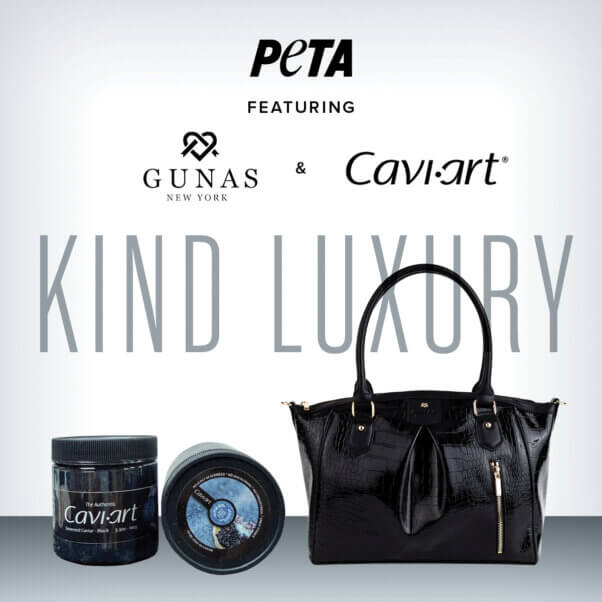
The centerpiece of PETA’s 2026 contribution is a structured, statement-making handbag from GUNAS, a brand that has garnered international acclaim for its commitment to "couture without cruelty." The bag is designed to emulate the silhouette of the iconic Birkin bag—a staple of luxury fashion that has historically been synonymous with rare animal skins. However, the GUNAS iteration utilizes high-grade microfiber vegan leather, a material engineered to replicate the durability, texture, and aesthetic appeal of traditional leather without the environmental or ethical toll of animal agriculture.
Microfiber leather represents a significant leap in textile engineering. Unlike older synthetic alternatives like PVC, which often lacked breathability and had a shorter lifespan, modern high-end microfibers are composed of a combination of polyurethane resin and ultra-fine microfibers. This results in a material that is often more resistant to tearing and aging than bovine leather. By providing this item to nominees like Michael B. Jordan and Jacob Elordi, PETA aims to demonstrate that masculine and feminine luxury can be maintained through innovation rather than exploitation.
The fashion industry’s reliance on exotic skins has faced increasing scrutiny. Industry data suggests that the "wildlife skins" market involves the slaughter of millions of animals annually. PETA’s choice to highlight a "Birkin-style" bag is a direct commentary on the traditional luxury market; a single authentic crocodile-skin Birkin can require the hides of up to three individual crocodiles. By offering a high-fashion alternative, the organization provides stars with a viable path to maintaining their "A-list" aesthetic while adhering to modern ethical standards.
Culinary Sophistication Without Exploitation: Cavi-art Seaweed Caviar
Complementing the GUNAS handbag is a selection of plant-based caviar from Cavi-art. Traditionally, caviar—the salt-cured roe of the sturgeon—has been regarded as the ultimate culinary status symbol. However, the production of traditional caviar is fraught with ecological and ethical concerns. Cavi-art, a Danish innovation, utilizes seaweed pearls to recreate the "pop" and briny flavor profile of sturgeon roe.
The process of harvesting traditional caviar often involves the killing of female sturgeons to extract their eggs. Sturgeon are among the oldest surviving species on the planet, having existed for over 200 million years, yet many subspecies are currently classified as critically endangered due to overfishing and the high demand for their roe. Furthermore, the industrial fishing of sturgeon often involves traumatic handling of the fish, which are sentient beings capable of experiencing stress and pain.
Cavi-art’s seaweed-based alternative addresses these issues by utilizing a renewable marine resource: algae. Seaweed cultivation requires no fresh water, no fertilizer, and actually aids in carbon sequestration, making it one of the most sustainable food sources available. For Oscar nominees like Paul Thomas Anderson or Jessie Buckley, the inclusion of this delicacy allows for the celebration of cinematic achievements with a product that respects marine biodiversity and ocean health.
The Ethical Impetus: Protecting Sensitive Species
The inclusion of these gifts is backed by a rigorous advocacy campaign that highlights the biological and social complexities of the animals saved by these alternatives. PETA’s messaging focuses on the inherent value of the species traditionally used in the luxury trade.
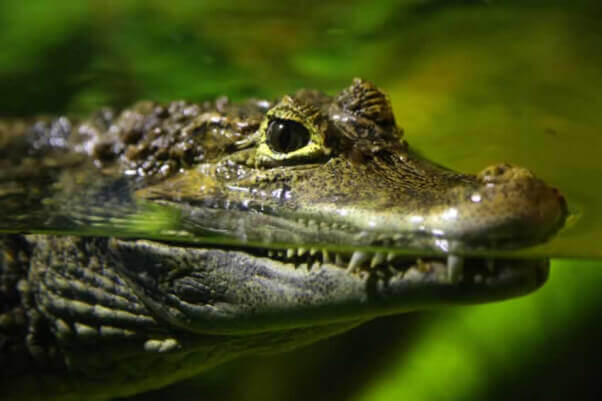
Crocodiles and alligators, for instance, are often misunderstood as mere predators. In reality, mother crocodiles are known to be fiercely protective, guarding their nests and carrying their hatchlings to the water in their mouths for safety. Similarly, ostriches—another frequent victim of the exotic skins trade—exhibit complex social structures and shared parenting duties. In the wild, ostriches can live up to 40 years, yet in the fashion industry, they are typically slaughtered at just one year of age.
The plight of the sturgeon is equally compelling. These "living fossils" can live for over a century and grow to immense sizes. The modern caviar trade has pushed these gentle giants to the brink of extinction. By placing plant-based alternatives in the hands of cultural tastemakers, PETA seeks to shift the narrative from one of "scarcity-driven luxury" to one of "innovation-driven empathy."
Broader Impact and the Shift in Global Luxury Trends
The presence of vegan luxury at the Academy Awards is not an isolated event but rather a reflection of a massive shift in the global marketplace. The vegan leather market was valued at approximately $39 billion in 2022 and is projected to reach over $74 billion by 2030, according to industry analysts. This growth is driven by "Gen Z" and Millennial consumers who prioritize brand ethics as much as product quality.
Major fashion houses have begun to take note. In recent years, brands such as Chanel, Diane von Furstenberg, and Victoria Beckham have banned the use of exotic skins in their collections. The "PETA effect" at the Oscars serves to accelerate this trend by providing visible proof that ethical products can hold their own on the world’s most scrutinized red carpet.
The environmental implications are also significant. The livestock industry, which includes leather production, is a leading contributor to deforestation, water scarcity, and greenhouse gas emissions. Transitioning to plant-based or synthetic alternatives significantly reduces the ecological footprint of a garment or food product. For an industry like Hollywood, which has increasingly sought to brand itself as "green" through sustainable set practices and carbon-offsetting, the adoption of vegan luxury is a logical extension of its corporate social responsibility goals.
Chronology of Advocacy: PETA’s History with the Academy Awards
PETA’s involvement in the Oscar gift bags is part of a multi-decade strategy to influence Hollywood.
- Early 2000s: The organization focused primarily on anti-fur protests outside the Kodak Theatre, targeting celebrities who wore mink or fox on the red carpet.
- 2010s: The strategy shifted toward collaboration. PETA began working with stylists to source "cruelty-free" gowns and tuxedos for stars.
- 2020-Present: The focus has expanded to include high-tech material innovation. By partnering with companies like GUNAS and Cavi-art, PETA has moved from telling celebrities what not to wear to providing them with what to wear and eat.
The 2026 "Everyone Wins" bag represents the pinnacle of this evolution. By targeting influential nominees like Teyana Taylor and Michael B. Jordan—individuals who are not only actors but also fashion icons and business moguls—PETA ensures that the message of "kind luxury" reaches a global audience of millions.
Conclusion: A New Standard for Red Carpet Success
As the 2026 Oscar nominees prepare for the ceremony, the gifts they receive serve as a reminder that the definition of "winning" is expanding. While the Academy Awards celebrate excellence in cinematic storytelling, the "Everyone Wins" bag, bolstered by PETA’s contributions, celebrates progress in human ethics. The transition from animal skins and endangered roe to microfiber leather and seaweed pearls reflects a broader cultural realization: true luxury does not require a victim.
By integrating these products into the highest echelons of celebrity culture, GUNAS, Cavi-art, and PETA are proving that empathy and elegance are not mutually exclusive. As these "A-list" advocates carry their vegan bags and sample their plant-based delicacies, they are not just receiving a gift; they are participating in a movement that prioritizes the protection of the planet and its most vulnerable inhabitants. In the grand theater of Hollywood, where image is everything, the choice to embrace kindness may be the most enduring performance of all.
