

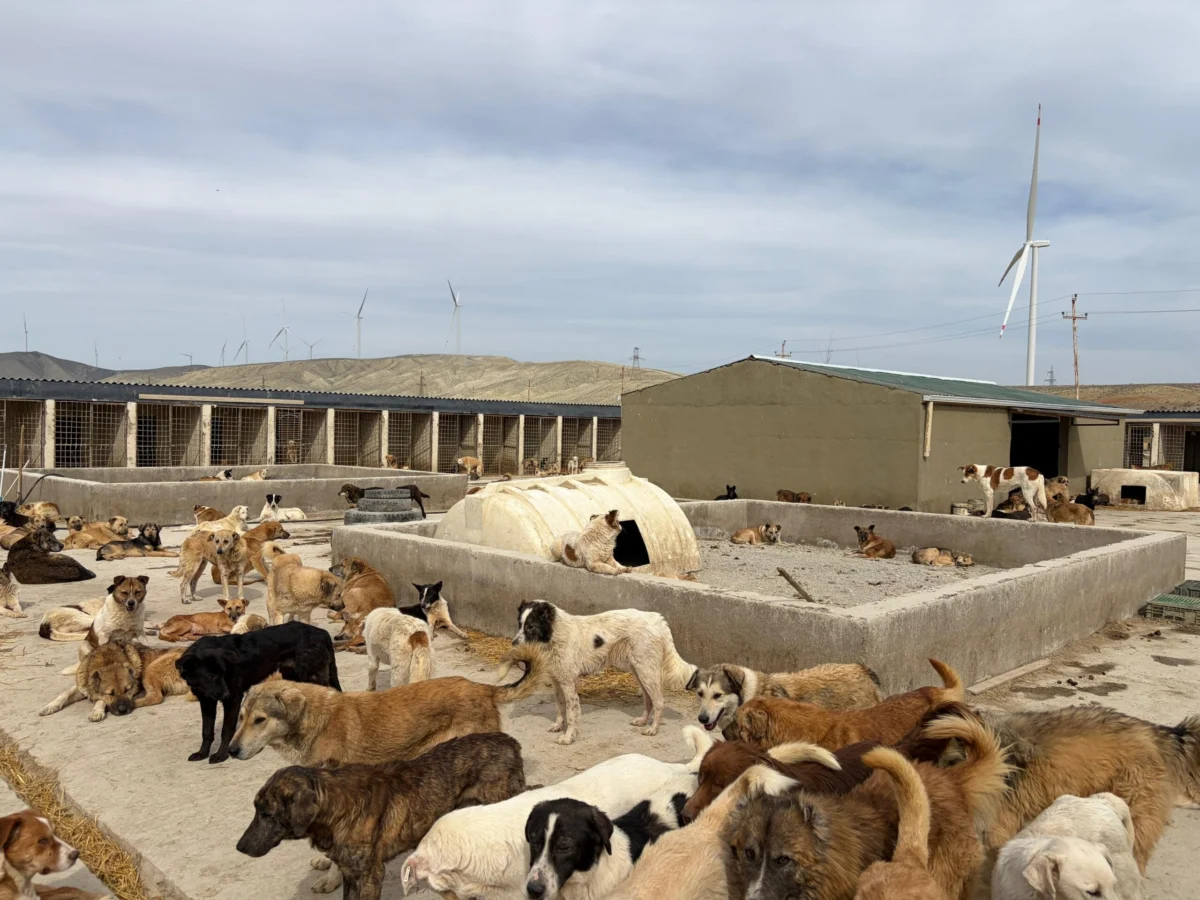
In a region of the world where animal welfare advocacy is often met with systemic resistance, and where both animals and their human protectors face the threat of persecution or even legal prosecution, the PETA Global Compassion Fund has facilitated a transformative intervention to support local rescuers. By providing essential financial and logistical resources to a remote shelter in the Middle East, the fund has enabled a series of critical infrastructure upgrades designed to protect vulnerable canine populations from environmental hazards and human-inflicted cruelty. This initiative highlights the growing necessity for international solidarity in animal rescue operations, particularly in territories where local resources are scarce and the social climate is frequently hostile toward non-human welfare efforts.
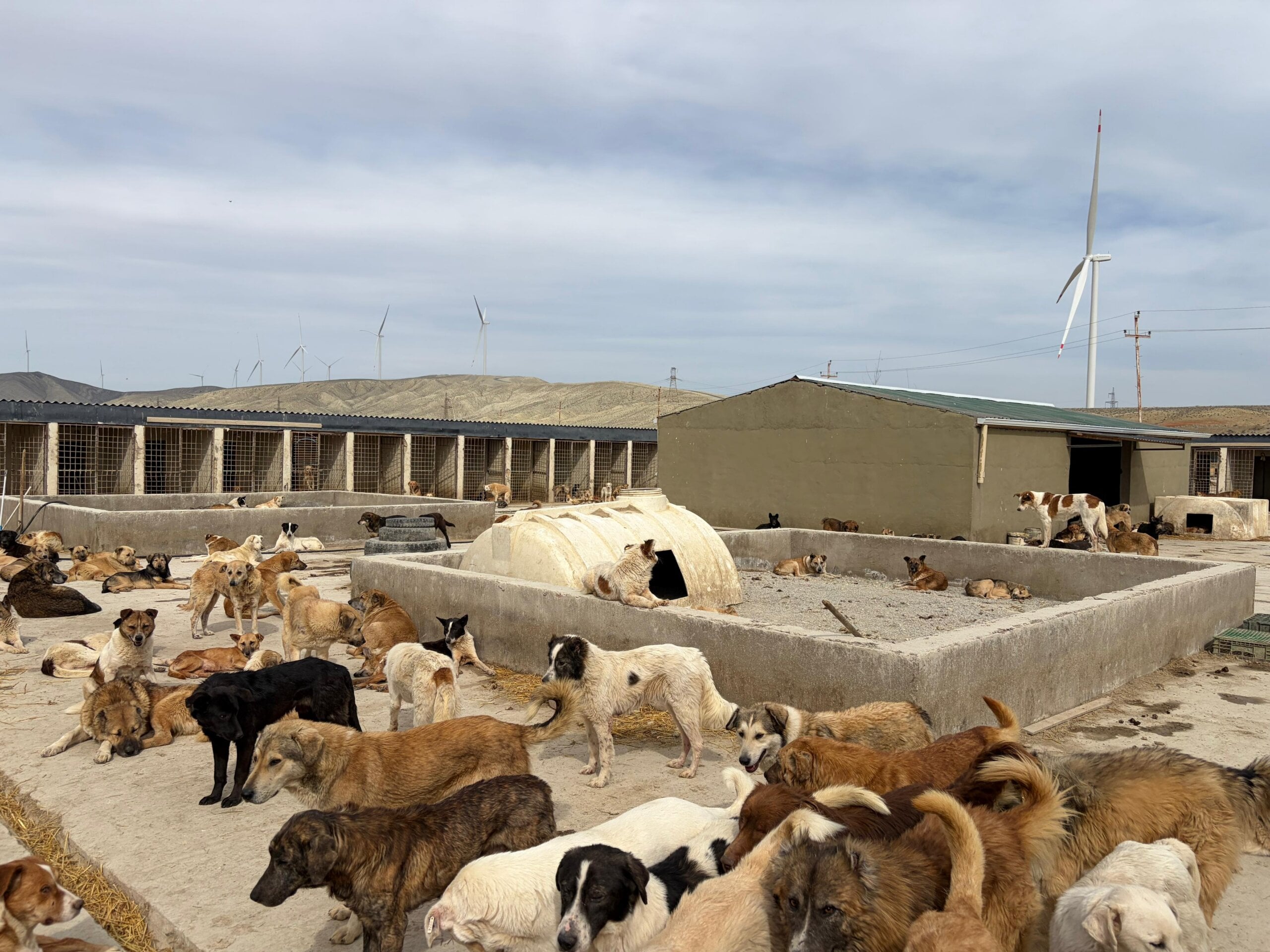
The intervention was catalyzed by the dire circumstances facing a grassroots shelter founded by a small group of volunteers. Operating in a geographically isolated area, these individuals had established a rudimentary sanctuary to house unwanted and homeless dogs, aiming to provide a reprieve from the privation and violence often experienced by stray animals in the region. However, the lack of formal funding and professional construction materials meant the facility was ill-equipped to handle the local climate’s extremes. During the rainy season, torrential downpours frequently transformed the shelter’s outdoor enclosures into deep, mud-filled pits. This environmental instability meant that the resident dogs were unable to exercise, play, or even relieve themselves without becoming saturated with filth, leading to significant concerns regarding hygiene, skin infections, and the overall psychological well-being of the animals.
Navigating a Hostile Landscape for Animal Advocacy
The socio-political context of the Middle East presents unique challenges for animal welfare organizations. In several jurisdictions within the region, the ownership of dogs and the act of public animal rescue are sometimes viewed through a lens of cultural or religious controversy. In some extreme cases, local authorities have moved to restrict animal advocacy, viewing it as an external cultural imposition or a low priority relative to other social issues. Consequently, rescuers often work in the shadows, risking their personal safety and legal standing to provide care for species that are frequently marginalized or targeted for culling.
The PETA Global Compassion Fund, working in tandem with PETA Germany, identified this specific shelter as a high-priority site for intervention. The fund is specifically designed to operate in areas where traditional animal welfare infrastructure is non-existent or where local activists are under duress. By injecting capital into these high-risk zones, the organization aims to create "safe havens" that serve as a model for humane animal management in regions that might otherwise rely on lethal methods of population control.
A Comprehensive Engineering and Infrastructure Overhaul
The primary objective of the PETA-funded project was to move the shelter beyond a state of temporary survival and toward long-term sustainability. The most immediate concern was the stabilization of the ground and the creation of weatherproof housing. To address the issue of flooding and mud, volunteers and hired workers implemented a sophisticated drainage system. This system was engineered to redirect rainwater away from the primary recreation and living areas, ensuring that the ground remains dry even during the most severe weather events.
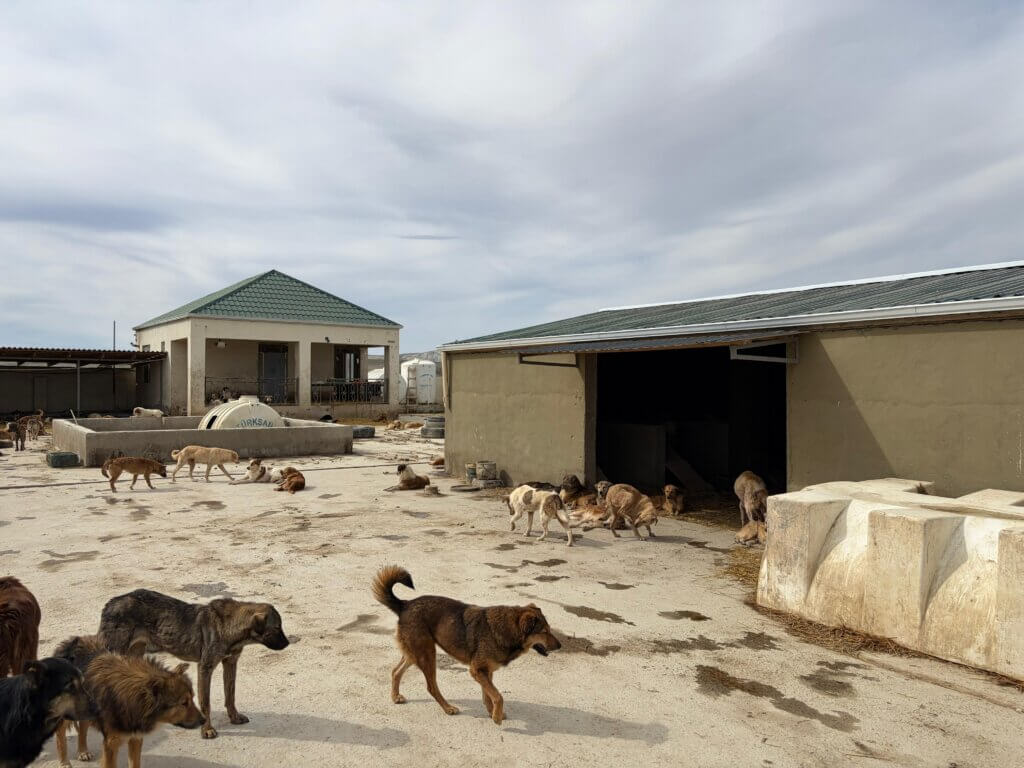
In addition to drainage, the project focused on structural reinforcement. Workers utilized concrete to pave key high-traffic areas, providing a solid foundation that prevents the accumulation of stagnant water and mud. To supplement the outdoor spaces, large, raised sandboxes were installed. These sandboxes provide the dogs with a naturalistic environment for digging and resting while remaining elevated from the damp ground, offering a clean alternative for outdoor activity during stretches of inclement weather.
The indoor living conditions saw equally significant improvements. Before the intervention, dogs often slept on cold, damp floors. The new funding allowed for the construction of wooden bunk-style beds. These elevated structures are equipped with soft, durable mattresses, allowing the animals to sleep in a warm, dry, and comfortable environment. Elevating the sleeping quarters is a standard practice in professional shelter management, as it reduces the transmission of soil-borne parasites and helps regulate the animals’ body temperatures during cold desert nights.
Expanding Capacity and Socialization Opportunities
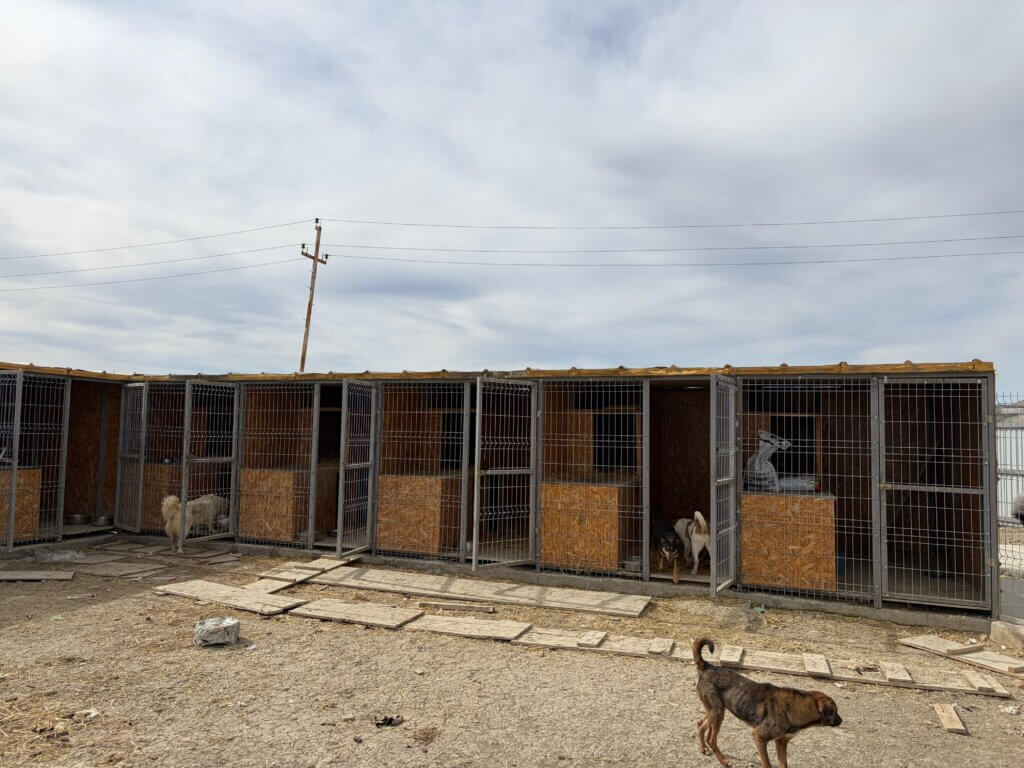
Beyond the immediate repairs to existing structures, the initiative also sought to expand the shelter’s capacity to take in more animals. An unused, dilapidated structure on the property was completely renovated and converted into ten additional kennels. These new units were designed with wooden floors to provide better insulation and a more comfortable surface than stone or dirt.
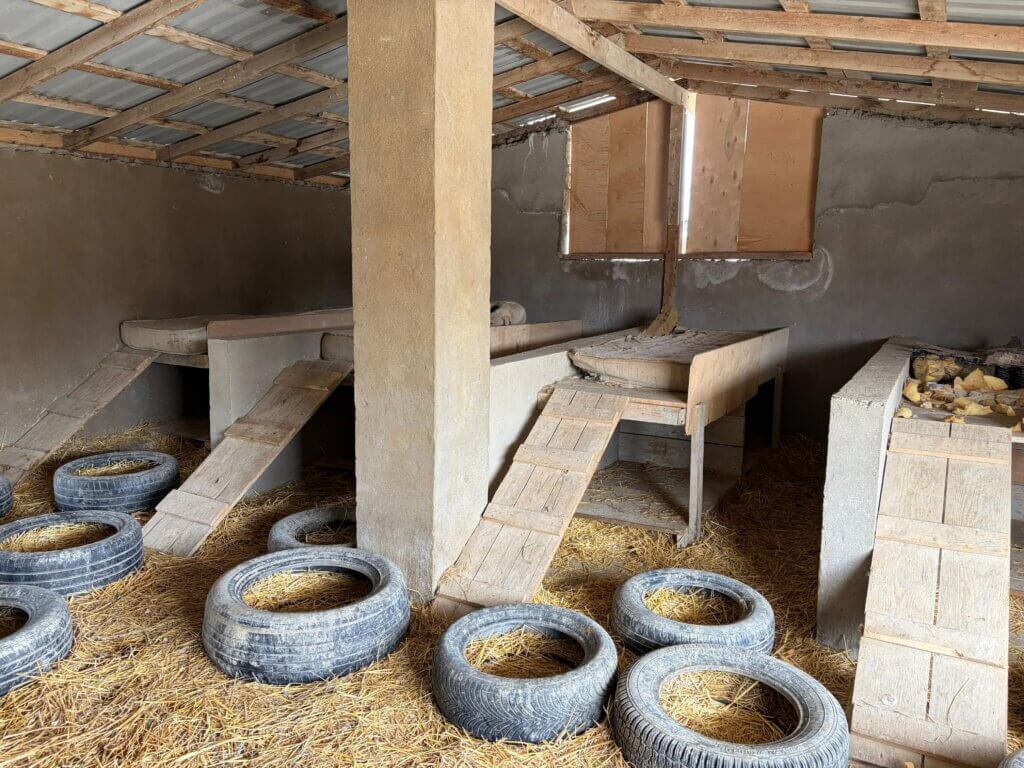
Crucially, the layout of these new kennels was designed with socialization in mind. In modern animal behavior science, the ability for dogs to interact safely with their peers is considered essential for reducing the stress of confinement. The new annex allows for flexible grouping of dogs based on temperament, ensuring that social animals can interact while those requiring more individual care can be housed safely. This expansion not only increases the number of dogs the shelter can save but also improves the quality of life for every resident by reducing overcrowding in the original units.
The Role of the Global Compassion Fund in International Welfare
The success of the project in this remote Middle Eastern area serves as a case study for the effectiveness of the Global Compassion Fund. Established to provide life-altering aid in the world’s most vulnerable regions, the fund operates on the principle that animal suffering is a global issue that requires a borderless response. In recent years, the fund has been active in various crisis zones, including providing food and veterinary care in war-torn Ukraine and offering emergency relief following the devastating earthquakes in Turkey and Syria.
By focusing on infrastructure rather than just temporary supplies, the fund ensures that local rescuers have the tools they need to continue their work independently. The Middle Eastern shelter project included not only the provision of materials but also the transfer of knowledge regarding best practices in shelter hygiene and animal management. This approach empowers local communities to advocate for animals more effectively, even in the face of systemic opposition.
Broader Implications for Public Health and Community Stability
While the primary focus of the PETA intervention is animal welfare, the improvements to the shelter have broader implications for the surrounding community. In many parts of the Middle East, stray dog populations are a significant concern for public health, particularly regarding the spread of zoonotic diseases such as rabies. By providing a secure, hygienic environment for these dogs, the shelter helps mitigate the risks associated with free-roaming animal populations.
Furthermore, the existence of a well-maintained, professional shelter can serve to shift local perceptions of animals. When community members see dogs housed in clean, organized, and humane conditions, it challenges the stigma often associated with "unclean" or "dangerous" strays. This educational byproduct of the infrastructure project is essential for the long-term goal of fostering a culture of compassion and responsible pet ownership in the region.
Future Projects and Long-Term Sustainability
The dedicated founders of the shelter have indicated that the current upgrades are only the beginning of a larger vision for the facility. With the continued support of PETA’s donors, future projects are already in the planning stages. These include the potential for a dedicated veterinary clinic on-site to handle spaying and neutering—the only truly effective way to manage the homeless animal crisis in the long term—as well as educational outreach programs for local youth.
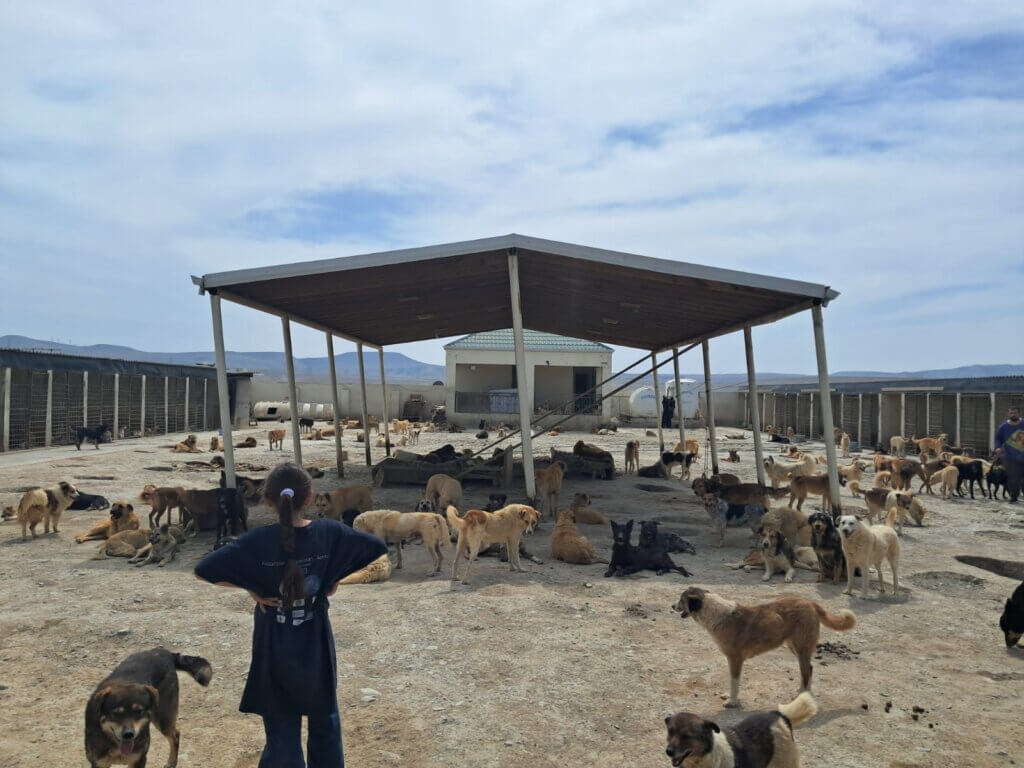
The transformation of a muddy, basic enclosure into a "cheerful refuge" is a testament to the impact of targeted international aid. For the dogs currently residing in the shelter, the changes mean the difference between a life of constant physical discomfort and one of safety and dignity. For the rescuers, the support from the Global Compassion Fund provides a vital moral and financial boost, signaling that their "brave" work is recognized by the international community.
As animal rights continues to be a contentious issue in various parts of the globe, the PETA Global Compassion Fund remains a critical lifeline. The organization continues to call for support from the public to maintain these operations, emphasizing that in regions where animals have no other hope, international intervention is not just a luxury, but a necessity. The ongoing mission in the Middle East stands as a reminder that even in the most challenging environments, meaningful progress is possible through persistence, strategic funding, and a commitment to the principle that all sentient beings deserve protection from cruelty and neglect.
