


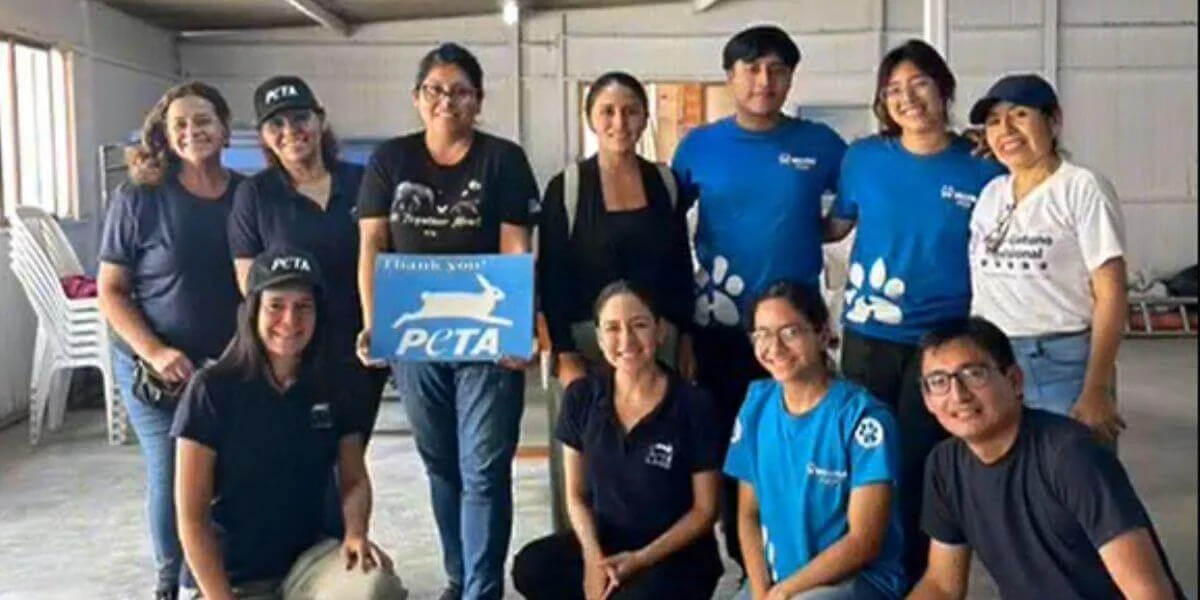
In the sprawling urban centers and rural outskirts of Peru, an estimated 12 million homeless dogs and cats struggle to survive in an environment often hostile to their presence. These animals, frequently referred to as "callejeros," face a daily gauntlet of life-threatening challenges, ranging from high-speed traffic and extreme weather to malnutrition and the rapid spread of preventable diseases. Without a centralized state-funded animal control infrastructure or widespread access to affordable veterinary care, the burden of managing this demographic crisis has fallen largely on non-governmental organizations and dedicated private citizens. Among the most prominent figures in this movement is Maru Vigo, a long-time PETA volunteer who, alongside her specialized team, Voluntarios de PETA en Lima, has spearheaded a decade-long campaign to address animal overpopulation at its source through aggressive spay and neuter programs.
The Scope of the Crisis in Peru
The animal overpopulation crisis in Peru is a multifaceted issue rooted in socio-economic factors and a historical lack of public education regarding animal welfare. In many Peruvian communities, particularly in low-income districts of Lima and remote provincial areas, the cost of veterinary services remains prohibitively high for the average household. Consequently, pets are often left unaltered, leading to a continuous cycle of unplanned litters. When these kittens and puppies are born into households that cannot support them, they are frequently abandoned in markets, parks, or on the streets, where they begin the cycle of reproduction anew.
The ecological and public health implications of 12 million stray animals are significant. Stray populations contribute to the spread of zoonotic diseases—illnesses that can jump from animals to humans—including rabies and various parasitic infections. Furthermore, the presence of large numbers of scavenging animals can impact local sanitation and waste management efforts. For the animals themselves, the reality is one of profound suffering; many succumb to mange, distemper, or parvovirus, while others suffer debilitating injuries from vehicular accidents or human cruelty.
A Decadelong Commitment to Sterilization
Recognizing that rescue and adoption efforts alone cannot solve a crisis of this magnitude, Maru Vigo shifted her focus toward preventative measures. Since 2014, Vigo has meticulously coordinated sterilization clinics designed to provide high-quality surgical services to animals in underserved regions. Her organization, Voluntarios de PETA en Lima, operates as a "small but mighty" unit, focusing on high-impact, pop-up clinics that bring essential medical services directly to the communities that need them most.
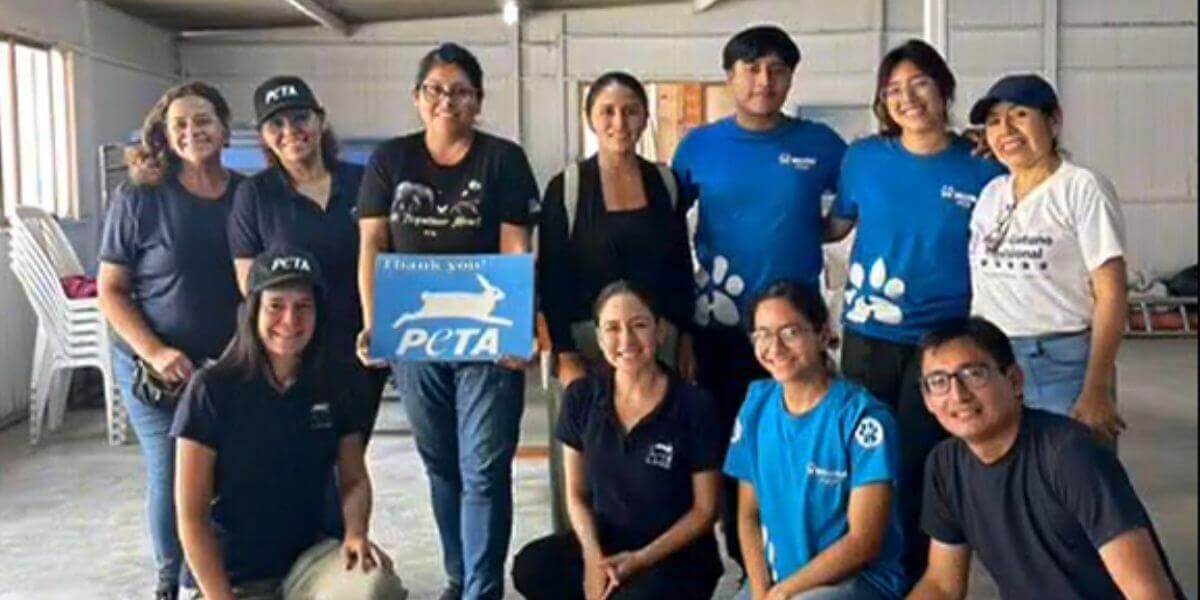
The logistical complexity of these clinics is substantial. Vigo’s role involves securing qualified veterinary teams who are willing to work in field conditions, rallying local volunteers to assist with animal handling and administrative tasks, and conducting extensive community outreach. A critical component of the program is education; guardians who bring their pets to the clinics are provided with information on responsible pet ownership, nutrition, and the long-term health benefits of sterilization, which include a reduced risk of certain cancers and the elimination of behaviors associated with mating cycles.
Since the program’s inception, these efforts have resulted in the sterilization of 2,577 dogs and cats. While this number represents the direct patients treated, the ripple effect on the total animal population is exponential. By preventing these thousands of animals from reproducing, the program has effectively halted the birth of millions of potential offspring who would have otherwise been born into a life of homelessness.
The February 2026 Clinic: A Case Study in Field Medicine
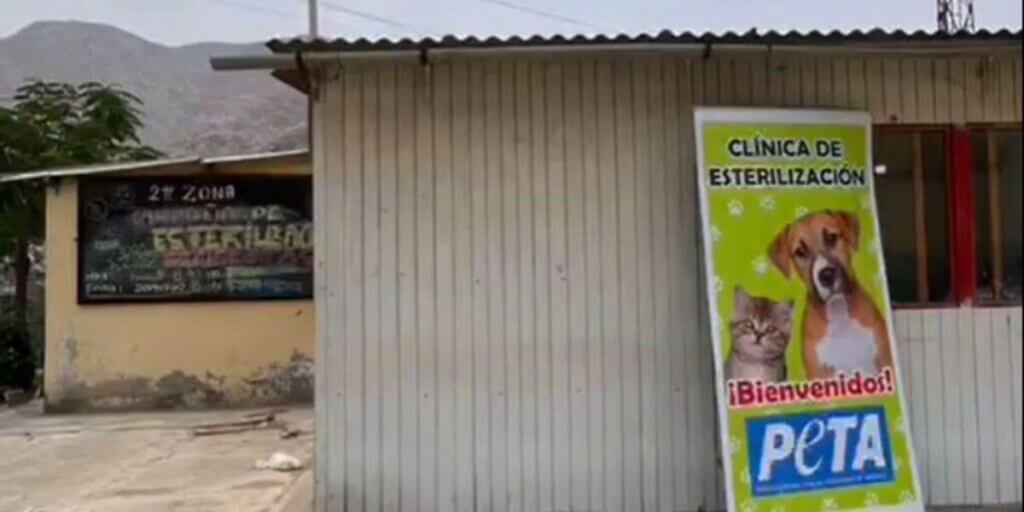
The most recent intervention took place on February 8, 2026, marking another milestone for the Voluntarios de PETA en Lima. During this single-day event, 35 dogs and cats were successfully spayed or neutered. The clinic followed a rigorous medical protocol designed to ensure the safety and comfort of every patient, mirroring the standards found in permanent veterinary hospitals.
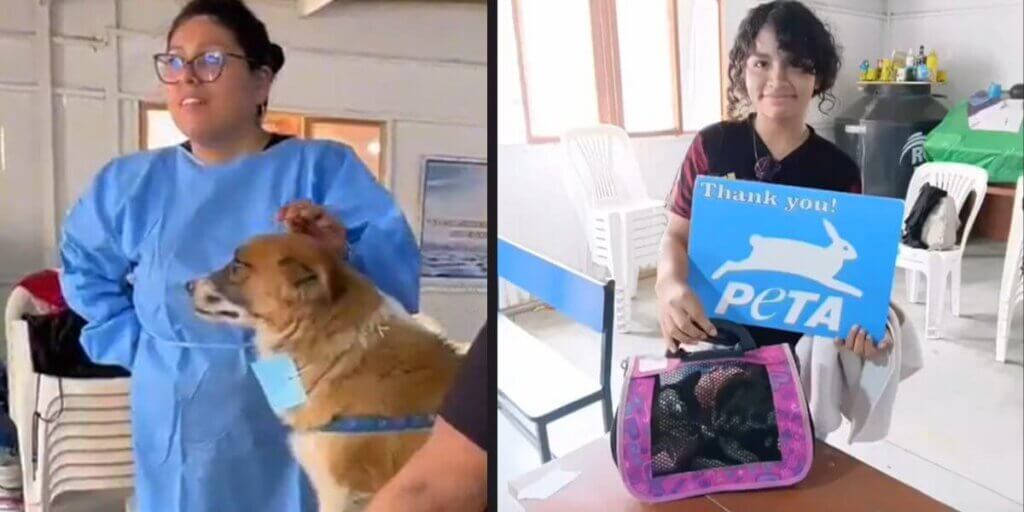
Each animal underwent a pre-operative assessment before being cleared for surgery. Following the procedure, patients were fitted with post-surgery "belly guards"—protective garments designed to prevent the animals from agitating their incisions. The recovery process was closely monitored by on-site veterinarians who tracked vital signs as the animals emerged from anesthesia. To facilitate long-term tracking and prevent the unnecessary re-operation of stray animals in the future, each patient received a small identification tattoo.
The care did not end with the surgery. Each guardian was provided with post-operative medications, including analgesics and antibiotics, to manage pain and prevent infection. Furthermore, the team conducted wellness checks the following day to ensure that all 35 patients were recovering as expected. This comprehensive approach to follow-up care is a hallmark of Vigo’s methodology, ensuring that the intervention remains a positive turning point in the animal’s life rather than a source of further trauma.
The Mathematical Reality of Overpopulation
To understand the urgency of the work performed by PETA’s volunteers in Lima, one must examine the staggering reproductive capacity of domestic animals. Veterinary data indicates that a single unaltered female dog and her offspring can potentially produce 67,000 puppies within just six years. The statistics for felines are even more dramatic; in seven years, one female cat and her descendants can produce upwards of 370,000 kittens.
Based on these growth projections, the 35 sterilizations performed during the February 8 clinic alone prevented an estimated 2,345,000 animals from being born into homelessness over the next several years. When applied to the total of 2,577 animals sterilized since 2014, the number of prevented births reaches into the hundreds of millions. These figures underscore the efficiency of spay/neuter programs as the most cost-effective and humane method of population control. By focusing on "one snip at a time," Vigo and her team are systematically dismantling the cycle of neglect that has plagued Peru’s urban and rural landscapes for decades.
Community Response and Socio-Economic Impact
The success of these clinics relies heavily on the trust and cooperation of the local population. In many areas where Voluntarios de PETA en Lima operates, there is an initial hesitation regarding the safety of the procedures. However, the visible success of the clinics and the improved health of the animals have fostered a growing demand for these services.
Local community leaders have noted that the reduction in stray populations leads to cleaner streets and a decrease in animal-related nuisances, such as late-night noise and aggressive behavior between competing males. For pet owners in these regions, the clinics offer a form of financial relief. The cost of caring for unexpected litters can drive families deeper into poverty, often forcing the difficult decision to abandon the young animals. By providing free or low-cost sterilization, the program enables families to keep their existing pets while ensuring they do not contribute to the wider overpopulation problem.
Global Support and Future Outlook
The work of Maru Vigo and her team is supported by PETA’s Global Compassion Fund, an initiative that provides resources for animal welfare projects in regions where local funding is scarce. This international support allows for the purchase of surgical supplies, anesthesia, and recovery medications, as well as the rental of spaces suitable for pop-up clinics.
As the program moves deeper into 2026, the goal is to increase the frequency of these clinics and expand their reach into the Peruvian highlands and Amazonian regions, where veterinary resources are even more limited than in the capital. The long-term vision involves not only the physical act of sterilization but also lobbying for legislative changes within Peru. Animal rights advocates are increasingly calling for mandatory sterilization laws and state-funded clinics, using the data and success stories from Vigo’s team as a proof-of-concept for a national strategy.
Analysis of Implications
The efforts in Lima serve as a critical model for animal welfare intervention in developing nations. The "Vigo Model" demonstrates that a single, highly motivated individual, backed by a global network and a clear strategic focus, can effect measurable change in a large-scale crisis. The shift from reactive rescue (sheltering) to proactive prevention (sterilization) is essential for any country facing a stray animal crisis of this magnitude.
Furthermore, the emphasis on high-quality medical standards, even in temporary clinic settings, ensures the sustainability of the program. By maintaining a high success rate and prioritizing the post-operative health of the animals, the volunteers build the social capital necessary to continue their work in skeptical or underserved communities.
In conclusion, while the challenge of 12 million homeless animals remains a daunting reality for Peru, the consistent and disciplined work of Maru Vigo and Voluntarios de PETA en Lima provides a blueprint for a future where every cat and dog is born into a home that can care for them. Through a combination of surgical intervention, community education, and international solidarity, they are proving that the overpopulation crisis is not an insurmountable destiny, but a problem with a clear, albeit labor-intensive, solution. Each clinic held and every animal sterilized represents a significant step toward a more compassionate and manageable environment for both the people and animals of Peru.
