

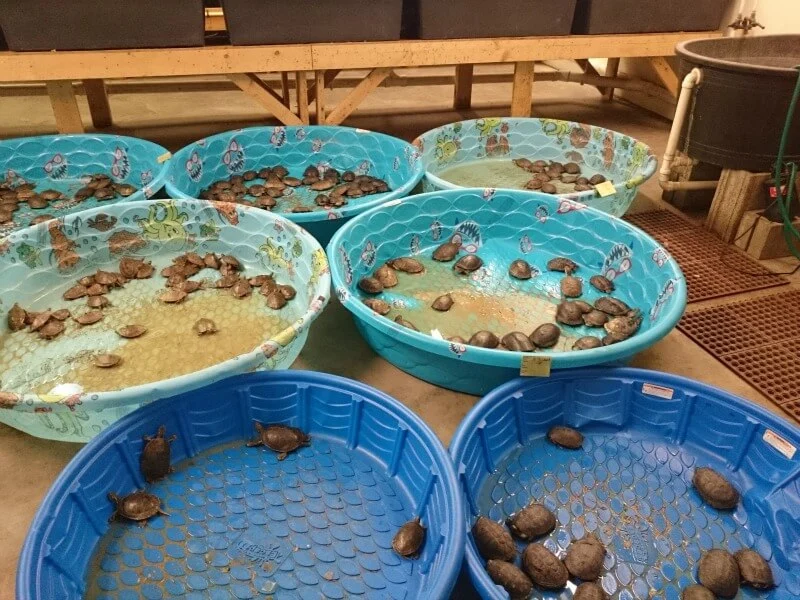
PetSmart, the largest specialty pet retailer in North America, has officially announced a significant shift in its livestock sales policy by ending the sale of several live animal species across its thousands of retail locations. The decision follows a series of high-profile investigations conducted by People for the Ethical Treatment of Animals (PETA), which documented systemic issues within the supply chains that provide small animals to major retail outlets. The species removed from PetSmart’s inventory include various types of turtles and tortoises, as well as Cuban false chameleons, Bahamian anoles, and red claw crabs. This move marks a pivotal moment in the multi-billion-dollar pet industry, reflecting a growing corporate sensitivity to animal welfare concerns and the logistical complexities of housing species with highly specialized biological needs.
For decades, the retail sale of reptiles and small amphibians has been a staple of the pet store business model. However, the decision to discontinue these specific lines suggests an acknowledgement of the inherent difficulties in maintaining these animals in a retail environment. PETA’s investigations, which spanned several years and targeted multiple "middleman" suppliers, revealed a pattern of deprivation, extreme confinement, and inadequate veterinary care. By removing these animals from their shelves, PetSmart is addressing long-standing criticisms regarding the ethics of the exotic pet trade and the high mortality rates often associated with the mass-market sale of delicate wildlife.
The Scope of the Policy Change
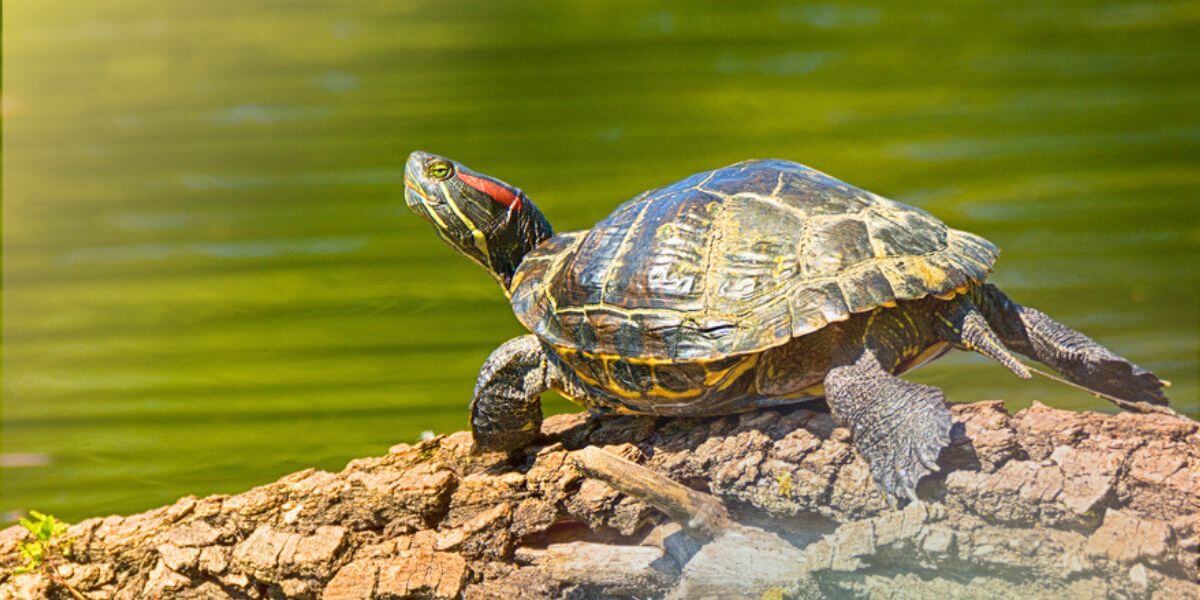
The policy change specifically targets species that require complex environmental controls, such as precise humidity levels, UVB lighting, and specialized diets. Turtles and tortoises, in particular, are known for their longevity—with some species living between 50 and 100 years—and their propensity to grow significantly larger than their size at the time of purchase. These factors often lead to "owner surrender" situations, where local animal shelters and reptile rescues become overwhelmed by animals that were impulsively purchased at retail stores.
By also discontinuing the sale of Cuban false chameleons, Bahamian anoles, and red claw crabs, PetSmart is narrowing its focus on animals that are arguably more "standardized" in their care requirements, though animal rights groups argue that no live animal should be sold in a retail setting. The removal of these species is expected to reduce the strain on the company’s in-store staff, who are often tasked with caring for dozens of different species with varying biological requirements, sometimes without the specialized herpetological training necessary to ensure their well-being.
A History of Investigations and Findings
The catalyst for this decision can be traced back to a series of undercover investigations conducted by PETA at various facilities that supply PetSmart and its competitors. These investigations provided a rare glimpse into the "backstage" of the pet industry, moving beyond the clean, brightly lit aisles of the retail stores to the industrial-scale breeding and distribution warehouses.
In one notable investigation involving Sun Pet Ltd., a major wholesale distributor, investigators documented thousands of bearded dragons, hamsters, and other small animals being "warehoused" in barren, plastic tubs. The report highlighted cases where animals were denied water, left in filthy conditions, and suffered from untreated injuries and illnesses. Perhaps most distressing were reports of workers using inhumane euthanasia methods, such as slamming bags containing live hamsters against hard surfaces.
Further investigations into the reptile trade revealed that a significant percentage of animals destined for retail shelves die during transport or shortly after arrival due to the stress of the supply chain. Reptiles are cold-blooded and highly sensitive to temperature fluctuations; the process of being boxed, shipped, and unboxed multiple times creates a physiological toll that many do not survive. PETA has argued for years that the "inventory" model of selling live animals is fundamentally incompatible with the basic requirements of animal welfare.
Chronology of the Conflict and Resolution
The tension between animal rights organizations and large-scale pet retailers has evolved over several decades. To understand the significance of PetSmart’s recent move, one must look at the timeline of the exotic pet trade’s regulation and the escalating pressure from activists:
- 1975: The U.S. Food and Drug Administration (FDA) bans the sale of small turtles (with shells less than four inches long) due to the high risk of Salmonella transmission to children. This remains one of the most significant pieces of federal legislation affecting the reptile trade.
- 2010–2016: PETA releases a series of investigations into major suppliers like Global Captive Breeders and Millbrook Reptiles, leading to seizures of thousands of animals and several facility closures.
- 2021: An investigation into Sun Pet Ltd. reveals widespread neglect. The findings are shared with corporate leadership at PetSmart and Petco, prompting internal audits.
- 2023: PETA intensifies its "PetSmart: Animals Are Not Products" campaign, utilizing social media and public petitions to pressure the company to transition to a "supplies-only" business model.
- 2024: PetSmart quietly begins phasing out turtles, tortoises, and specific lizard species. The company confirms the end of these sales, citing a commitment to animal health and evolving standards of care.
Supporting Data and Industry Context
The exotic pet trade is a massive global enterprise. According to industry data, the United States is the world’s largest importer of live reptiles, with millions of individuals brought into the country annually for the pet trade. While many are captive-bred, a significant portion is wild-caught, which raises additional concerns regarding biodiversity and the ecological impact of removing species from their natural habitats.
Data from the American Pet Products Association (APPA) suggests that while reptile ownership saw a surge during the COVID-19 pandemic, the long-term retention of these pets is lower than that of dogs or cats. The high "turnover" rate is often attributed to the "impulse buy" nature of retail pet sales, where customers purchase a small turtle or lizard without fully understanding the financial and temporal commitment required. A 2021 study on reptile welfare in the pet trade estimated that up to 75% of pet reptiles die within their first year in a domestic home, largely due to improper husbandry.
From a corporate perspective, the sale of live animals often represents a small fraction of total revenue compared to high-margin items like premium pet food, grooming services, and accessories. However, the presence of live animals serves as a "foot traffic" driver. The decision to remove certain species suggests that the potential for brand damage—driven by PETA’s viral investigations—now outweighs the foot-traffic benefits of selling these specific animals.
Broader Impact and Implications for the Retail Industry
PetSmart’s decision is likely to send shockwaves through the pet retail sector, putting pressure on competitors like Petco and independent pet stores to re-evaluate their own livestock policies. If the industry moves away from selling specialized exotic species, it could lead to a more regulated and professionalized market where such animals are only available through specialized breeders or adoption centers.
There is also a public health dimension to this shift. Reptiles and amphibians are known carriers of Salmonella, and the CDC regularly issues warnings regarding outbreaks linked to pet turtles and bearded dragons. By reducing the retail availability of these animals, the risk of zoonotic disease transmission to the general public is marginally lowered.
Furthermore, this move aligns with broader "ESG" (Environmental, Social, and Governance) trends in the corporate world. Investors are increasingly looking at how companies manage ethical risks, and the "warehousing" of live animals is a significant liability. PetSmart, which is owned by private equity firm BC Partners, has made strides in recent years to highlight its charitable arm, PetSmart Charities, which focuses on dog and cat adoptions. Expanding this focus to include the ethical sourcing—or the cessation of sourcing—of reptiles is a logical extension of that brand identity.
Analysis of the "Adopt-Don’t-Shop" Movement for Reptiles
While PetSmart has stopped selling certain species, PETA and other advocacy groups maintain that the ultimate goal is the total cessation of all live animal sales. The "Adopt-Don’t-Shop" mantra, long associated with dogs and cats, is now being applied to the reptile world. Thousands of turtles, iguanas, and snakes are currently in the care of specialized rescues across the United States, many of them "dumped" by owners who purchased them as hatchlings from retail stores.
The transition away from retail sales of turtles and tortoises is a victory for these rescue organizations, as it potentially slows the influx of abandoned animals. However, critics of the ban argue that it may drive the trade underground or toward less regulated online marketplaces, where animal welfare standards are even harder to monitor.
Conclusion and Future Outlook
PetSmart’s exit from the turtle and tortoise market represents a significant concession to the realities of animal welfare in the 21st century. It acknowledges that certain species are fundamentally unsuited for the mass-market retail environment and that the supply chains required to stock thousands of stores are prone to systemic failures.
As the company moves forward, the focus will likely shift to its remaining live inventory, which includes birds, small mammals like hamsters and guinea pigs, and various fish species. PETA has already indicated that it will continue to monitor these categories, pushing for a future where pet stores serve exclusively as centers for supplies, grooming, and the adoption of homeless animals from shelters. For now, the "huge win" celebrated by animal advocates serves as a reminder that consumer pressure and investigative journalism remain powerful tools in shaping the ethical landscape of global commerce. The animals that remain in PetSmart’s inventory—and those who will no longer be subjected to the stresses of its supply chain—stand at the center of an ongoing debate about the price of companionship in a consumer-driven society.
