


The Biological Imperative of Molting and Feather Renewal
Feathers are complex epidermal outgrowths crucial for avian survival, performing vital roles in thermoregulation, flight, camouflage, and social signaling. Unlike mammalian hair, feathers are not continuously growing structures; they have a finite lifespan and must be regularly replaced through a process known as molting. Molting is a metabolically intensive event, driven by hormonal changes and environmental cues such as photoperiod (day length). Most bird species undergo at least one complete molt annually, often post-breeding season, though some may have partial molts or continuous feather replacement throughout the year. The primary objective of molting is to replace worn or damaged feathers with new, fully functional ones, ensuring the bird’s continued ability to fly efficiently, insulate itself effectively, and maintain its aesthetic appeal for mating and social interactions.
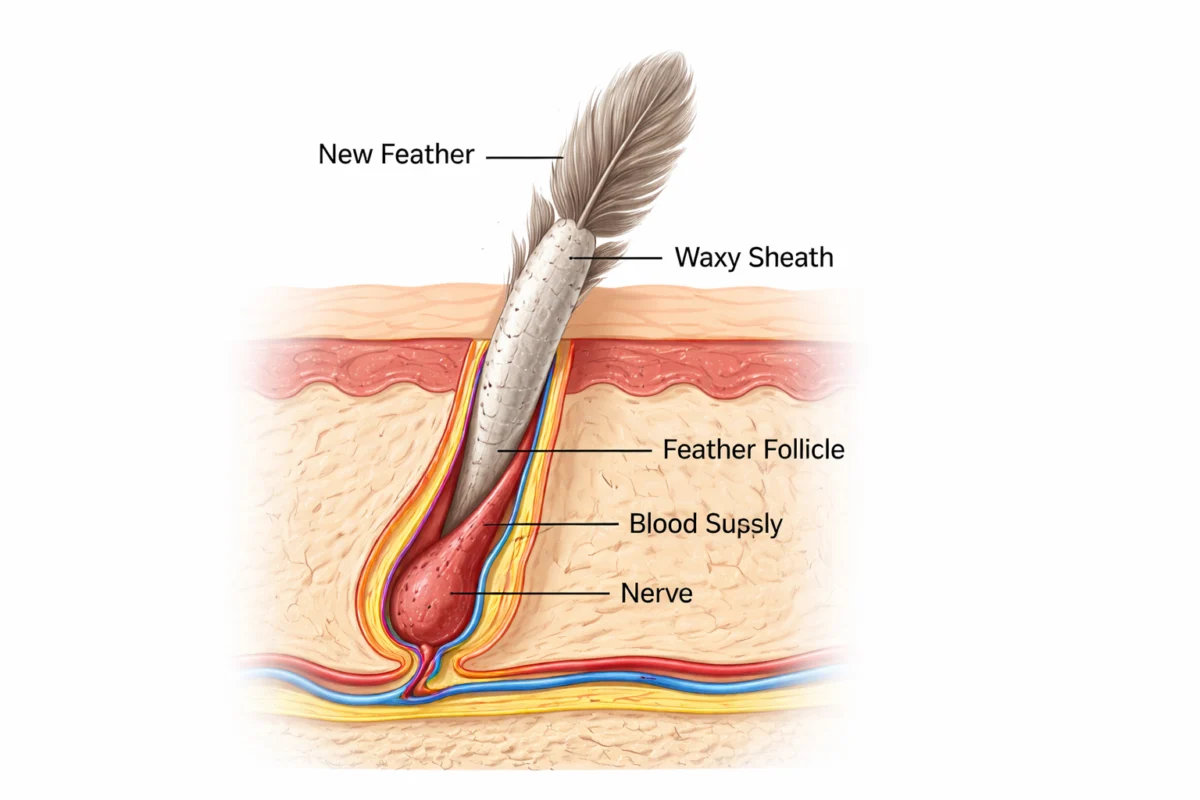
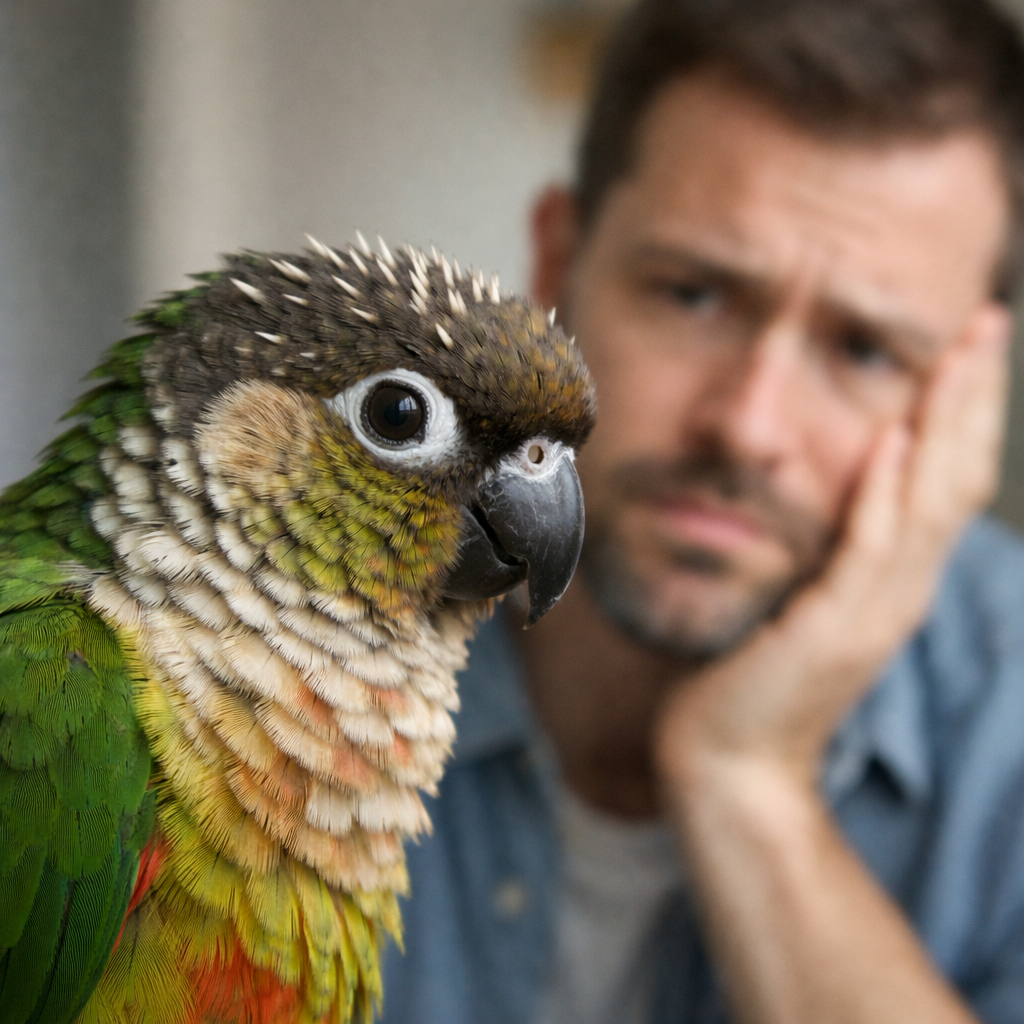
Pin feathers are the nascent stages of these new feathers, emerging from the follicles after the old feathers have been shed. Each new feather initially grows encased in a protective keratin sheath, a waxy, tube-like structure that safeguards the delicate developing feather during its early growth phases. Visually, these appear as pale, whitish, or even dark "spikes" protruding from the bird’s skin, often most noticeable on the head and neck where the bird cannot easily preen itself. It is common for these pin feathers to emerge in clusters, giving the bird a temporarily disheveled or "spiky" appearance, which, despite seeming unkempt, is a perfectly normal indication of a healthy feather replacement cycle. The synchronous appearance of multiple pin feathers is due to the body’s physiological mechanism of activating groups of feather follicles simultaneously within a specific area, leading to the shedding of old feathers and the initiation of new growth on a coordinated schedule. This coordinated growth can make the skin feel congested or irritated, even in the absence of any medical pathology.
The Phased Experience of Pin Feather Development
The development of a pin feather is a dynamic process characterized by distinct physiological and sensory stages, each presenting unique challenges and requiring specific supportive measures. Understanding these phases is crucial for bird owners to provide appropriate care and alleviate discomfort.
1. Early Growth: The Tender Phase
In its earliest stages, each pin feather is actively growing and is still connected to a small, transient blood supply. This vascular connection renders the feather follicle and the surrounding skin exquisitely sensitive. Any direct pressure, squeezing, or rough handling of pin feathers during this phase can be profoundly uncomfortable or even painful for the bird. Owners may observe their bird becoming unusually protective of certain areas, exhibiting mild irritability, or actively avoiding physical contact. It is imperative during this tender phase to minimize handling and avoid any attempts to "help" open these nascent feathers, as doing so prematurely can cause pain, damage the developing feather, or lead to bleeding. The priority here is gentle care and observation, allowing the natural process to unfold without interference.
2. The Itchy Phase: Keratin Sheath Desiccation
As the pin feather matures, its internal structure solidifies, and the protective keratin sheath begins to dry out and become brittle. This desiccation process often leads to significant pruritus, or itchiness. This is typically the phase where bird owners notice a marked increase in their bird’s self-preening activities, rubbing against perches or cage bars, and focused scratching, particularly on areas like the head and neck that are difficult to reach. While these behaviors might initially appear behavioral or indicative of stress, they are predominantly a physical response to the irritation caused by the drying and cracking keratin sheaths. This phase can be particularly challenging for birds, as the intense itching can lead to excessive preening, which, if not managed, might escalate into skin irritation or even over-preening. Providing opportunities for bathing, increasing ambient humidity, and ensuring a nutritionally supportive diet can significantly alleviate the discomfort during this period.
3. The Release Phase: Unfurling and Consolidation
Once the pin feather is fully developed and the keratin sheath has completely dried and become friable, it begins to flake away. This allows the new, mature feather to unfurl and settle into its final position. During this release phase, it is common to observe fine, white, dust-like flakes around the bird and within its cage, which are the remnants of the shed keratin sheaths. The discomfort associated with itchiness typically subsides as the feathers fully emerge. Birds may continue with gentle preening to remove any remaining sheath fragments, but the intensity of scratching and rubbing usually decreases. This stage signifies the successful completion of the feather’s growth cycle, leading to improved comfort and a smooth, well-maintained plumage.
Pin Feathers Versus Blood Feathers: A Critical Distinction
While all pin feathers are, by definition, new feathers in various stages of growth, a crucial distinction exists between typical body pin feathers and "blood feathers," particularly those located in the wings or tail. All pin feathers initially possess a small blood supply, which gradually recedes as the feather matures. However, "blood feathers" specifically refer to larger, often thicker feathers, typically found in the primary flight feathers of the wings or tail, which retain an active and more substantial blood supply for a longer duration due to their larger size and longer growth period.
This distinction is critically important because if a blood feather breaks, it can result in significant and potentially heavy bleeding. The vascular nature of these larger feathers means that a fracture can compromise the blood vessel within the shaft, leading to a continuous flow of blood. For smaller avian species, uncontrolled or persistent bleeding can rapidly become a life-threatening emergency, potentially leading to hypovolemic shock if not promptly addressed.
Action in Case of a Broken Blood Feather:
Should a blood feather break, immediate action is paramount. The first step involves applying steady, direct pressure to the bleeding site using a clean cloth or gauze for several minutes. Concurrently, a clotting agent, such as styptic powder (available at pet stores or from your veterinarian), cornstarch, or flour, can be carefully applied to the tip of the bleeding shaft to help constrict the vessel and promote clot formation. If bleeding subsides with these measures within 10-15 minutes, monitor the bird closely for the next 30-60 minutes, reapplying the clotting agent if minor re-bleeding occurs. However, if bleeding persists beyond 10-15 minutes, appears heavy, or if the owner is uncertain about its control, immediate contact with an avian or exotics veterinarian is essential.
Critical Warning: Do Not Attempt Self-Removal:
Under no circumstances should an owner attempt to pull a broken blood feather themselves. Feather removal is an extremely painful procedure and carries significant risks. Improper removal can exacerbate bleeding, damage the feather follicle, potentially leading to permanent feather growth issues, or even cause infection. Blood feathers requiring removal due to persistent bleeding or trauma must only be extracted by a qualified avian veterinarian or a trained professional, who possesses the necessary expertise and sterile instruments to perform the procedure safely and minimize trauma to the bird.
Effective Strategies for Alleviating Molt Discomfort
The primary objective during a bird’s molt is to ease skin irritation, prevent excessive scratching from escalating into a compulsive habit, and protect the delicate new feathers as they grow. When a bird is visibly itchy but otherwise displaying normal behavior, a combination of safe home support strategies can provide meaningful relief.
1. Enhanced Humidity: Providing an environment with adequate humidity is one of the most effective non-invasive methods to support molting birds. Increased humidity helps to soften the keratin sheaths, making them more pliable and easier for the bird to preen off, thereby reducing the associated itchiness. This can be achieved through various means, such as running a humidifier near the bird’s cage, placing shallow dishes of water around the living space, or even bringing the bird into a steamy bathroom for short periods.
2. Regular Bathing Opportunities: Offering regular bathing opportunities is crucial. Bathing not only helps to hydrate the skin and feathers but also physically aids in washing away loose keratin flakes and dander, which can contribute to irritation. Birds have individual preferences for bathing—some enjoy misting with a spray bottle, others prefer a shallow dish of water, while some might even appreciate a gentle shower. The water should always be clean and lukewarm.
3. Nutritional Support: The metabolic demands of feather growth are substantial, making nutrition a cornerstone of molt support. A diet rich in essential vitamins, minerals, and amino acids is critical. Specifically, Vitamin A plays a vital role in maintaining healthy epithelial tissues, including skin and feather follicles. Vitamin E acts as an antioxidant, protecting cells from damage, while omega fatty acids are integral for skin hydration and the structural integrity of feathers. Many commercial seed-only diets are deficient in these critical nutrients, which can compromise feather quality and prolong molt discomfort. Supplementing with targeted nutritional products designed for avian feather and skin health, or ensuring a balanced diet with fresh vegetables, fruits, and a high-quality pelleted food, is highly recommended. Scientific studies, such as those by Chen et al. (2020) and McGraw (2006), underscore the importance of specific nutrients and molecular signaling in feather growth and coloration.
4. Gentle Preening Assistance (When Appropriate): While most birds manage their molts independently, some, particularly those with difficulty reaching certain areas like the head and neck, may benefit from gentle preening assistance from their owners. This assistance should only be offered when the pin feathers are visibly mature, the sheaths are dry and flaky, and the bird is receptive to handling. Using clean, dry fingers, very gently roll the flaky sheath between the thumb and forefinger to help it crumble away. Never squeeze or pull a pin feather, especially if it feels tender or appears to have a dark shaft (indicating active blood supply). If the bird shows any signs of discomfort or resistance, cease immediately. Many experienced owners opt not to assist at all, relying instead on bathing, humidity, and time.
Recognizing Abnormal Molt and When to Seek Veterinary Care
Normal pin feather irritation is a transient phenomenon that gradually improves as feathers mature and sheaths are shed. However, certain signs suggest that the discomfort extends beyond routine molt and may indicate an underlying health issue requiring professional veterinary attention. Owners should be vigilant for the following red flags:
- Persistent or Rapidly Expanding Bald Areas: While some temporary patchiness is normal during a heavy molt, rapidly expanding bald areas or patches that fail to regrow feathers are concerning.
- Open Skin Lesions or Active Bleeding (Beyond a Minor Broken Pin Feather): Any signs of skin damage, cuts, or bleeding not easily controlled, especially if associated with excessive scratching or self-mutilation, warrant immediate veterinary evaluation.
- Feather Destruction: If the bird is actively chewing, plucking, or damaging its new or existing feathers, this indicates a significant problem that could stem from deep-seated irritation, nutritional deficiencies, behavioral issues, or systemic disease.
- Signs of Systemic Illness: Accompanying symptoms such as lethargy, loss of appetite, changes in droppings, fluffed posture, or any other deviation from normal behavior signal a potential underlying illness that could be exacerbating molt discomfort or causing abnormal feather growth.
- Escalation or Fixation: If the itchiness or preening behavior escalates to a point of fixation, where the bird spends an inordinate amount of time on feather maintenance to the exclusion of other activities, or if the irritation does not improve over time, it’s a cause for concern.
If any of these signs appear, it is crucial to cease home troubleshooting and consult an avian veterinarian promptly. These symptoms can be indicative of various conditions, including nutritional imbalances, parasitic infestations, bacterial or fungal infections, organ disease, or psychological stress, all of which require accurate diagnosis and targeted treatment from a qualified professional.
Addressing Common Owner Inquiries
Is it too late to help if my bird already has itchy pin feathers?
No, it is never too late to provide supportive care. While dietary changes initiated after pin feathers appear won’t stop the immediate itching, ongoing nutritional support, particularly with Vitamin A, Vitamin E, and omega fatty acids, significantly contributes to overall skin health and feather structure. This not only aids in the healthy completion of current feather growth but also primes the bird for a healthier, less irritating molt in the future.
How long should pin feather itchiness last?
The duration of itchiness often occurs in waves, corresponding to the stages of feather growth and sheath breakdown, and should gradually improve as the sheaths open and feathers unfurl. Persistent, escalating, or fixated itchiness that does not resolve over a reasonable period (e.g., several weeks for a heavy molt) suggests a potential underlying issue that needs veterinary attention.
Is it normal for head pin feathers to bother birds more?
Yes, it is common for pin feathers on the head and neck to cause more visible irritation. Birds are unable to effectively preen these areas themselves, relying on rubbing against objects or receiving "head scratches" from their human companions or cage mates. This inability to self-groom these areas means the keratin sheaths may take longer to break down, leading to prolonged discomfort.
Can pin feathers turn into plucking?
Yes, persistent and unrelieved irritation from molting can indeed contribute to the development of plucking or other forms of feather destructive behavior. When a bird experiences chronic discomfort without adequate relief, it can lead to a fixation on the irritating sensation, potentially escalating into self-mutilation. Providing early and consistent comfort support during the molt helps to reduce this risk by alleviating the physical discomfort and preventing the formation of maladaptive behaviors.
Broader Implications for Avian Welfare
The management of molting and pin feathers extends beyond immediate comfort; it is a critical component of holistic avian welfare, particularly for companion birds in domestic environments. Optimal molting processes are indicative of a bird’s overall health and the suitability of its captive environment. Inadequate nutrition, insufficient humidity, chronic stress, or underlying health conditions can disrupt the natural molting cycle, leading to compromised feather quality, prolonged discomfort, and increased susceptibility to other health issues. Conversely, a well-managed molt, supported by proper nutrition, environmental enrichment, and attentive care, results in a bird with a vibrant, healthy plumage, reflecting its robust internal health and emotional well-being.
The information provided in this guide is supported by extensive research in avian physiology and veterinary medicine, as referenced by works from Lucas & Stettenheim (1972), Stettenheim (2000), and Lightfoot (2024), among others. Understanding these biological nuances empowers bird owners to be proactive advocates for their pets’ health, transforming a potentially stressful natural process into a manageable and even comfortable transition. The expertise of professionals like Diane Burroughs, LCSW, whose work in avian behavior and wellness emphasizes science-backed solutions, further underscores the importance of integrating behavioral and nutritional strategies for comprehensive bird care. By diligently monitoring their birds during molt and implementing appropriate supportive measures, owners contribute significantly to the long-term health, happiness, and vibrant vitality of their feathered companions.
