

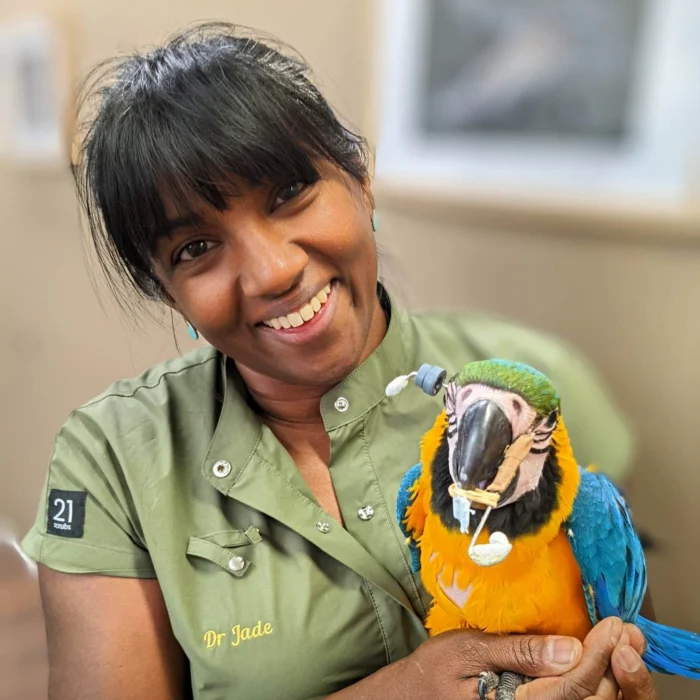
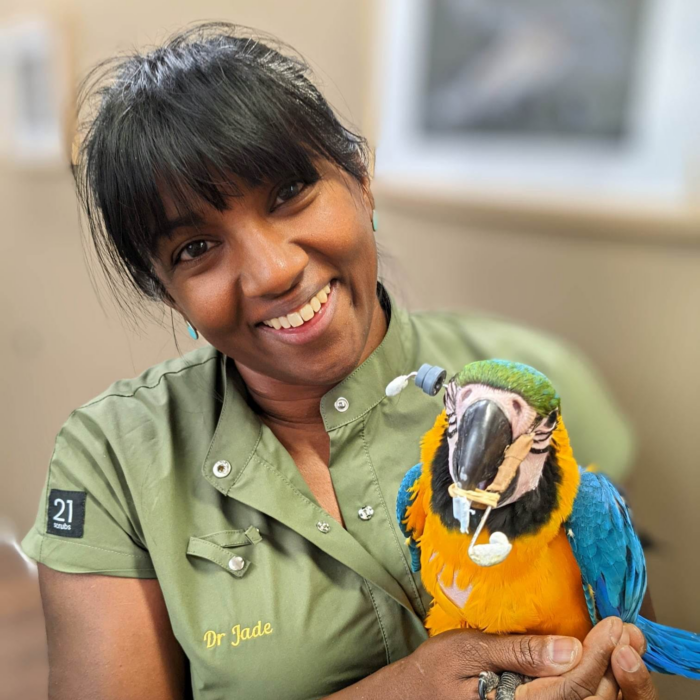
Dr. Jade Kingsley stands as a prominent figure in the evolving landscape of Australian veterinary medicine, specifically within the highly specialized niches of exotic animal care and wildlife conservation. As a consultant in both primary accession and referral exotic medicine, her career trajectory reflects a broader shift in the veterinary profession toward high-level specialization for non-traditional species. This move comes at a time when exotic pet ownership is surging globally, necessitating a more sophisticated understanding of the unique physiological and nutritional needs of birds, reptiles, and small mammals.
Educational Foundation and International Training
The professional journey of Dr. Kingsley began at the University of Sydney, where she graduated in 2012. Her time at one of Australia’s premier veterinary institutions provided a robust foundation in general animal health, but it was her early pursuit of international experience that set her apart. During her veterinary training, Dr. Kingsley sought out internships in zoological and wildlife medicine at multiple institutions across the globe.
These international rotations are critical in the field of exotic medicine, as they expose practitioners to a biodiversity that cannot be found within a single geographic region. By working with diverse species in various clinical settings, Dr. Kingsley gained early exposure to the complexities of treating animals that often mask symptoms of illness—a common evolutionary trait in prey species like birds and small mammals. This background in zoological medicine provided the necessary diagnostic "eye" required for the high-stakes environment of emergency and wildlife hospitals, where she spent the formative years of her post-graduate career.
The Path to Specialization: MANZCVS and Avian Health
In the veterinary world, the transition from general practice to specialized medicine is marked by rigorous peer-reviewed milestones. For Dr. Kingsley, a significant turning point occurred in 2018 when she attained Membership of the Australian and New Zealand College of Veterinary Scientists (MANZCVS) in Avian Health.
The MANZCVS is not merely a certification of longevity in the field; it is a demonstration of high-level competence and a commitment to the advancement of veterinary science. The Avian Health chapter of the college requires candidates to demonstrate an advanced understanding of avian anatomy, physiology, pharmacology, and surgery. In a country like Australia, which is home to some of the world’s most unique and endangered bird species, the role of an avian specialist is vital. Dr. Kingsley’s certification signifies her ability to handle complex referral cases—those which general practitioners may not have the equipment or specialized knowledge to manage.
Clinical Focus: Nutrition and the "Silent Killers" of Exotics
One of Dr. Kingsley’s primary clinical interests lies in nutrition, a field that is often cited as the most critical yet misunderstood aspect of exotic pet ownership. Data from veterinary teaching hospitals suggests that a significant percentage of illnesses in captive exotic animals—ranging from metabolic bone disease in reptiles to hepatic lipidosis in parrots—can be traced back to improper diet.
In her consulting role, Dr. Kingsley emphasizes the importance of species-specific nutritional protocols. Unlike domestic dogs and cats, for whom commercial diets are highly standardized and researched, exotic species often require diets that mimic their natural foraging habits. Dr. Kingsley’s focus on this area addresses a major gap in pet owner education. By integrating nutritional counseling into primary and referral care, she works to prevent chronic diseases that are often irreversible by the time clinical symptoms appear.
Palliative Care: Ethics and Compassion in Small Species
As veterinary medicine advances, the life expectancy of exotic pets has increased, leading to a greater need for geriatric care and palliative medicine. Dr. Kingsley has identified palliative care as a core area of her practice, focusing on maintaining the quality of life for animals with terminal illnesses or age-related decline.
Palliative care for exotic species presents unique challenges. Pain management in birds and reptiles requires a deep understanding of specialized pharmacology, as these animals metabolize medications differently than mammals. Furthermore, the ethical considerations of "when to say goodbye" are complex for species like tortoises or large parrots, which may live for several decades. Dr. Kingsley’s work in this area involves close collaboration with pet owners to develop end-of-life plans that prioritize animal welfare and minimize suffering, reflecting a modern, empathetic approach to veterinary science.
Impact on Wildlife Conservation and Emergency Medicine
Australia’s wildlife faces unprecedented threats from habitat loss, climate change, and extreme weather events. Dr. Kingsley’s history of working in emergency and wildlife hospitals across Australia has positioned her as a key contributor to conservation efforts. Her continued collaboration with wildlife organizations, both domestically and internationally, ensures that the latest clinical techniques are applied to the treatment of native fauna.
The role of the veterinarian in wildlife conservation extends beyond individual animal care. It involves disease surveillance, the rehabilitation of injured animals for release, and the development of protocols for mass-casualty events, such as bushfires. Dr. Kingsley’s expertise in avian health is particularly relevant here, as Australian bird populations are often the "canaries in the coal mine" for environmental health. Her involvement with these organizations provides a bridge between clinical practice and field conservation.
The Rise of Exotic Pet Ownership in Australia
To understand the context of Dr. Kingsley’s work, one must look at the changing demographics of pet ownership. Recent industry reports indicate that while dogs and cats remain the most popular pets in Australia, there has been a notable increase in "non-traditional" pets.
- Birds: Australia has one of the highest rates of bird ownership per capita, with millions of budgerigars, cockatiels, and parrots kept in households.
- Small Mammals: Rabbits and guinea pigs have seen a surge in popularity, particularly in urban environments like Sydney, where space is at a premium.
- Reptiles: The legalization of certain reptile species for domestic keep in various states has led to a growing need for specialized herpetological vets.
At Sydney Exotics and Rabbit Vets, where Dr. Kingsley has practiced, the demand for specialized care is a direct reflection of this trend. Owners of these animals are increasingly seeking the same level of diagnostic and surgical care for their 500-gram rabbit as they would for a 30-kilogram Labrador. This "humanization" of exotic pets has driven the need for specialists who can perform advanced imaging, microsurgery, and complex pathology.
Chronology of Professional Development
- 2012: Graduation from the University of Sydney (BVSc).
- 2012–2017: Completion of international internships in zoological and wildlife medicine; employment in various emergency and wildlife hospitals across Australia.
- 2018: Achievement of MANZCVS (Avian Health) membership, marking a transition into exclusive exotic animal practice.
- Post-2018: Appointment to specialist-led clinics such as Sydney Exotics and Rabbit Vets; expansion of consulting services in primary and referral medicine.
- Current: Ongoing collaboration with global wildlife organizations and a focus on palliative care and nutritional medicine.
Broader Implications for the Veterinary Industry
The career of Dr. Jade Kingsley illustrates a broader movement toward the professionalization and specialization of exotic animal medicine. Historically, exotic pets were often treated by general practitioners who may have lacked the specific equipment or training required for such delicate patients. The emergence of practitioners like Dr. Kingsley, who hold advanced certifications and focus exclusively on these species, has raised the standard of care across the industry.
This specialization also has implications for veterinary education. As more students see a viable career path in exotic medicine, universities are under pressure to expand their curricula beyond the traditional focus on livestock and domestic pets. Dr. Kingsley’s role as a consultant and contributor to veterinary resources (such as LafeberVet) helps disseminate knowledge to the next generation of veterinarians.
Furthermore, the integration of palliative care and nutrition into exotic practice signals a move toward holistic animal health. It acknowledges that the "success" of a veterinary intervention is not just measured by the survival of a surgical procedure, but by the long-term well-being and quality of life of the patient.
Conclusion: A Legacy of Specialized Care
Dr. Jade Kingsley’s contributions to avian and exotic medicine are characterized by a blend of academic rigor, international perspective, and a deep-seated commitment to animal welfare. By focusing on the often-overlooked areas of nutrition and palliative care, she addresses the most common causes of morbidity and mortality in exotic species.
As the bond between humans and their non-traditional pets continues to strengthen, the role of the specialist veterinarian will only become more vital. Dr. Kingsley’s work ensures that whether an animal is a beloved household parrot or a wild creature recovering from an environmental disaster, it receives care informed by the highest standards of modern veterinary science. Her ongoing collaborations and clinical practice continue to shape the future of exotic medicine in Australia and beyond, providing a roadmap for excellence in this challenging and rewarding field.
