


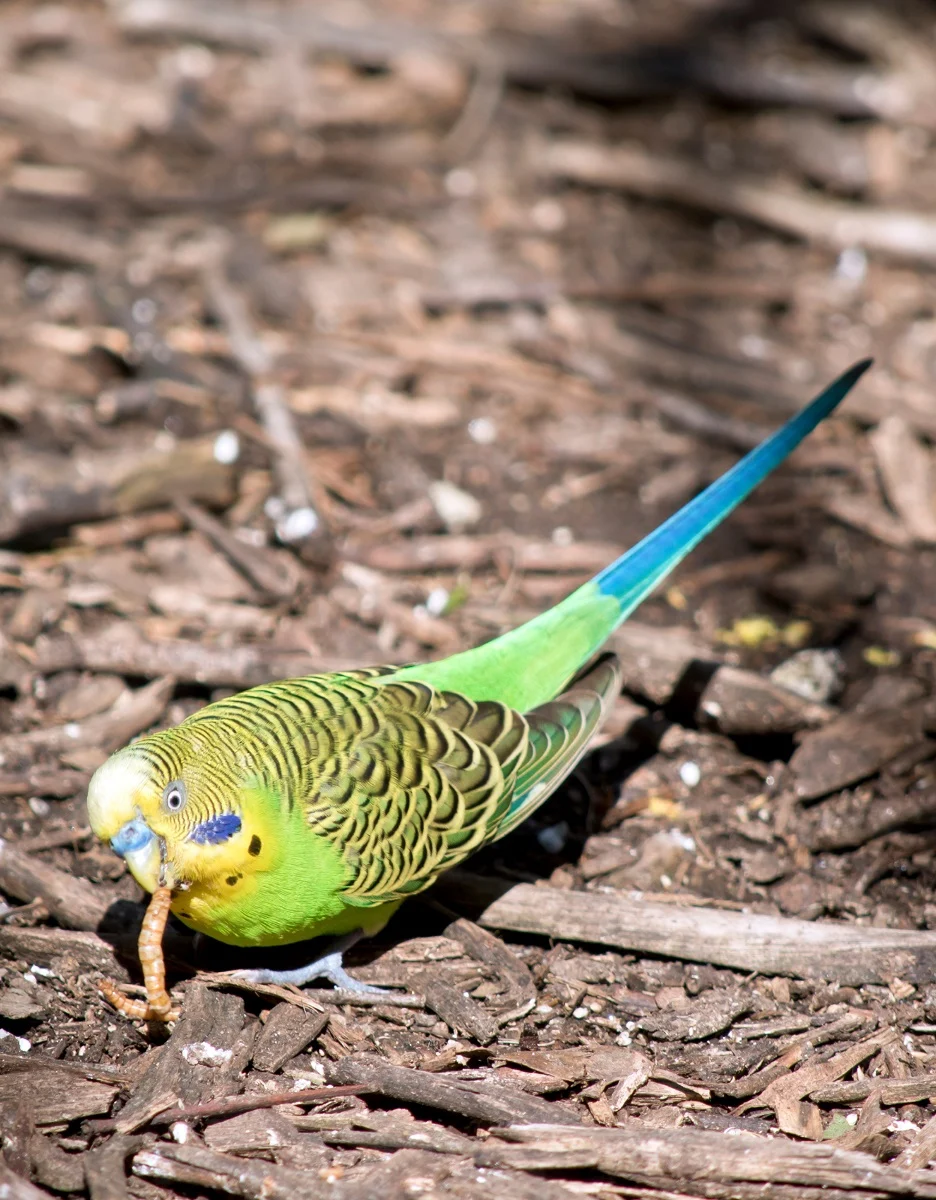
Budgie parakeets, known for their vibrant personalities and captivating beauty, require a meticulously balanced and varied diet to thrive. While commercial budgie seed mixes and pellets form the cornerstone of their nutrition, supplementing their meals with a selection of human-grade foods is crucial for enhancing their health, providing essential nutrients, and offering valuable enrichment. However, discerning which items are beneficial and which pose significant risks is a common challenge for pet owners. This guide aims to clarify these distinctions, offering a comprehensive overview of safe household foods that can enrich a budgie’s diet and highlighting those that must be strictly avoided.
The Nutritional Imperative for Budgies
The dietary requirements of captive budgies are often misunderstood, leading to common health issues stemming from nutritional deficiencies. In their native Australian habitats, wild budgies consume a diverse array of grass seeds, native plants, and occasional insects, providing a broad spectrum of vitamins, minerals, and proteins. A diet solely composed of commercial seed mixes, particularly those high in fatty seeds like sunflower, can lead to severe health problems, including obesity, fatty liver disease, kidney dysfunction, and vitamin deficiencies. Avian veterinarians consistently advocate for a diet that comprises approximately 70-80% high-quality pellets, with the remaining 20-30% consisting of fresh vegetables, a small amount of fruit, and occasional healthy human snacks. This approach mimics the nutritional diversity found in their natural environment and supports optimal physiological function. Integrating appropriate human foods into this framework not only boosts nutritional intake but also provides mental stimulation through varied textures and tastes, promoting natural foraging behaviors.
Navigating the Pantry: 19 Safe Household Foods for Budgies
Many everyday kitchen staples can serve as nutritious and enjoyable additions to your budgie’s diet, provided they are offered in moderation and prepared correctly. These foods can be invaluable for supplementing their regular meals or as emergency options if primary budgie food runs low. The key principle is to always opt for natural, single-ingredient, unprocessed options, free from added salt, sugar, fats, or artificial preservatives.
1. Bread: While not a primary dietary component, small pieces of plain, whole-wheat bread can be offered as a rare treat. It is crucial to avoid white bread, brioche, or any bread laden with sugar, excessive salt, or other additives. The occasional sharing of seeds from the top of an unsalted whole-wheat loaf, such as sesame or poppy seeds, is also acceptable.
2. Sunflower Seeds: A perennial favorite for many birds, sunflower seeds are safe in their unsalted form. However, due to their high fat content, they should be strictly limited to occasional training treats rather than a regular dietary inclusion. Avoid any commercial seed mixes that feature them prominently.
3. Natural Peanut Butter: Provided it consists solely of peanuts and perhaps a minimal amount of salt, natural peanut butter can be used sparingly. Its high fat content means it’s not for daily consumption. It can, however, be an excellent tool for enrichment, as a tiny smear on a new toy or food item can encourage investigation and reduce neophobia.
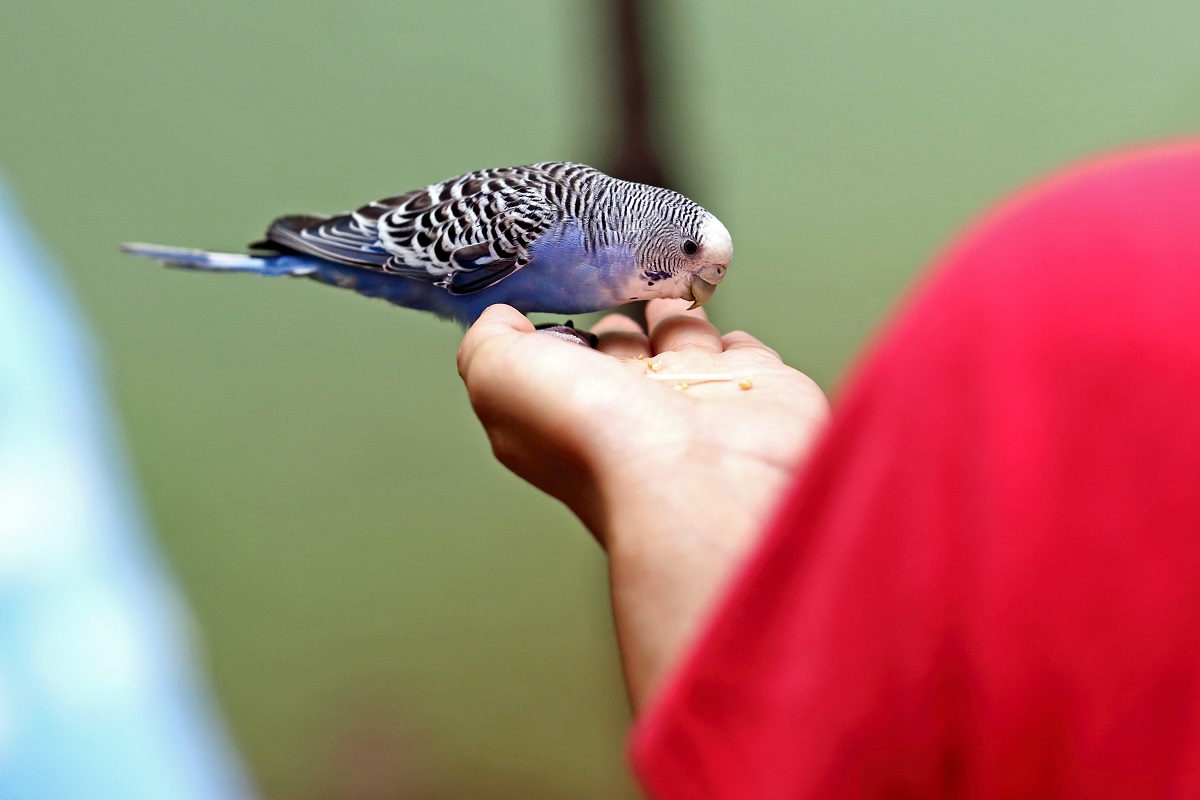
4. Boiled Eggs: A superb source of protein and calcium, especially beneficial for laying hens or birds recovering from illness. Plain, hard-boiled eggs, either crumbled or offered in small pieces, are highly nutritious. Scrambled eggs prepared without oil, butter, or salt are also acceptable.
5. Chia Seeds: These tiny powerhouses are excellent for budgies. Rich in Omega-3 fatty acids, fiber, and antioxidants, chia seeds can be sprinkled (about 1/4 teaspoon) directly into their food bowl or offered as a water-soaked pudding. They are a valuable daily supplement.
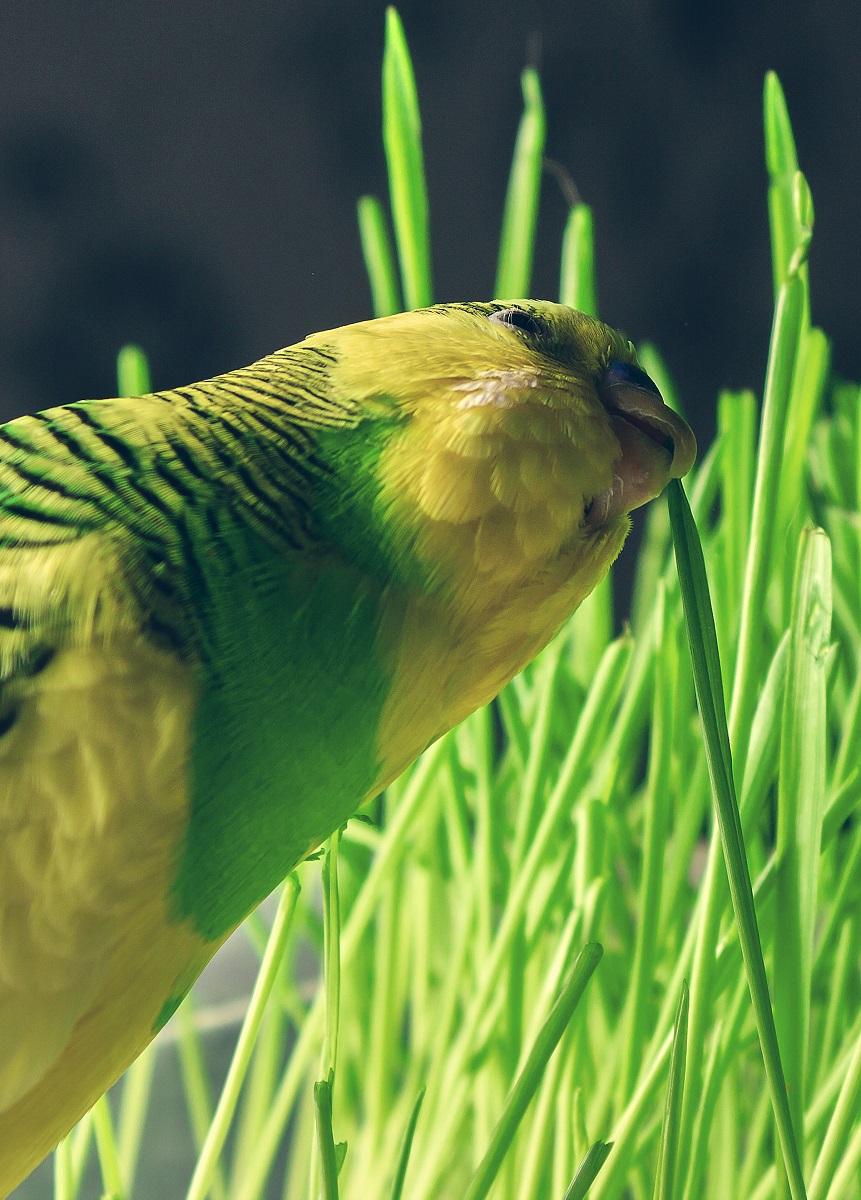
6. Wheatgrass: Both wheatgrass seeds and sprouted wheatgrass are highly beneficial. Sprouted wheatgrass provides vital greens and offers a fantastic form of enrichment as budgies enjoy demolishing the tender blades. It should be offered sprouted through a mesh to prevent soil ingestion, which can contain harmful bacteria or mold.
7. Cashews: Unsalted and unroasted cashews can be offered in very small quantities (e.g., a quarter of a crushed nut) as an infrequent treat. Like all nuts, they are high in fat and should not be over-fed.
8. Cheerios: Plain, unflavored Cheerios, made primarily from whole-grain oats and corn starch, can be given in half-piece portions occasionally. Due to minimal sugar and salt content, they are better than most cereals but should not be a daily item.
9. Pumpkin Seeds: Similar to sunflower seeds, unsalted pumpkin seeds are safe as an occasional treat. Their larger size may require shelling them for your budgie, though some birds enjoy the challenge of cracking them open themselves.
10. Almonds: Unsalted, plain almonds are safe for budgies. A small piece (a quarter of an almond, chopped) can be offered infrequently. Raw almonds can also be sprouted, increasing their nutritional value for feathered friends.
11. Chicken: Plain, cooked chicken breast or thigh, without any seasoning, oil, or sauces, can be offered in small nibbles. It provides a protein boost, particularly useful for laying hens or convalescing birds, a few times a week.
12. Dried Fruit (Unsweetened): Only unsweetened, preservative-free dried fruit is suitable. Candied or sugar-added varieties must be avoided. Due to the concentration of natural sugars, even safe dried fruits should be given very sparingly. Dehydrating fruits at home ensures no additives.
13. Hemp Seeds: A common inclusion in quality bird seed mixes, hemp seeds are an excellent source of healthy Omega-3 fatty acids. Human-grade hemp seeds are free of psychoactive components and make a nutritious daily addition.
14. Pasta: Plain, cooked, unsalted pasta, especially whole-wheat, is safe for budgies. It can be offered boiled or even dry, serving as an edible toy. Lentil, corn, or pea-based pastas are also acceptable alternatives.
15. Pine Nuts: Following the rules for other nuts, unsalted pine nuts can be offered in very small quantities as an occasional treat.
16. Peanuts: While historically a subject of debate due to concerns about aspergillosis (a fungal disease from mold spores), high-quality, human-grade, unsalted peanuts are safe in small amounts. Offering them in the shell, with a small opening, can encourage natural foraging behavior.
17. Popcorn: Plain, air-popped popcorn without butter, salt, or sugar is a safe and enjoyable snack. Its texture is often appealing to budgies, and it can be incorporated into homemade edible toys.
18. Quinoa: This pseudocereal, a member of the Amaranth family, is highly nutritious for small birds. White, red, or black quinoa can be offered cooked or uncooked, providing a range of healthy micronutrients.
19. Rolled Oats: Rolled or steel-cut oats are a beneficial addition to a budgie’s daily meals. They can be offered plain, soaked in water, or even prepared with unsweetened nut milk (like almond milk). However, be mindful of stickiness if using milk, as it can be difficult to clean from their beaks.
For owners facing an empty budgie food container, a temporary, balanced meal can be crafted from a mix of suitable vegetables, a small amount of fruit, grains like oats, quinoa, or pasta, and a sprinkle of hemp or chia seeds, topped with a tiny amount of chopped plain nuts.
The Danger Zone: 9 Unsafe Foods for Budgies
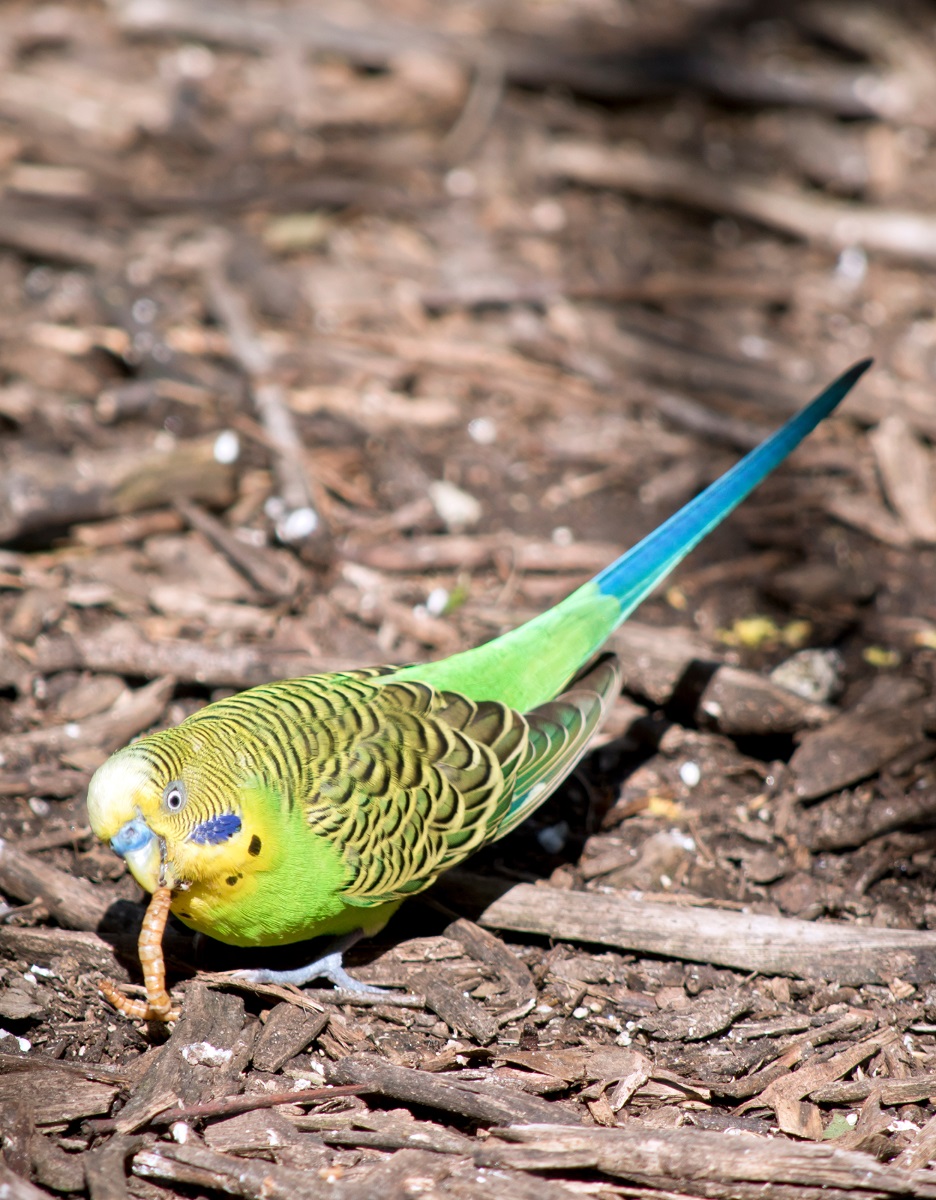
Just as there are beneficial human foods, there are several that are explicitly toxic or profoundly unhealthy for budgies. Understanding these dangers is paramount for preventing accidental poisoning or long-term health complications.
Explicitly Toxic Foods (Immediate Veterinary Attention Required if Ingested):
1. Avocado: Avocado is one of the most dangerous foods for budgies and most other pets. It contains persin, a fungicidal toxin that can cause respiratory distress, weakness, and sudden death. Due to their small size, budgies are particularly sensitive to even minute amounts. Clinical Avian Medicine highlights the severe risks associated with avocado ingestion in small psittacines.
2. Chocolate: Contains theobromine and caffeine, both highly toxic to birds. Ingestion can lead to hyperactivity, seizures, cardiac arrhythmias, and can be fatal. Any suspected consumption warrants immediate veterinary consultation.
3. Honey and Corn Syrup: These sweeteners can contain Clostridium botulinum bacteria, which produce toxins deadly to budgies. Beyond the botulism risk, their high sugar content is entirely unnecessary and detrimental to a budgie’s delicate metabolic system.
4. Alcohol, Coffee, Tea (Caffeinated), Onions, Garlic, Apple Seeds, Xylitol: This category includes several common household items that are toxic. Alcohol, caffeine, and the sulfur compounds in onions and garlic can cause severe health issues, including liver damage and anemia. Apple seeds contain cyanide compounds and should be removed from any fruit offered. Xylitol, an artificial sweetener, is highly toxic and can cause liver failure and hypoglycemia.
Unhealthy/Harmful Foods (Avoid Due to Poor Nutritional Profile and Potential for Long-Term Health Issues):
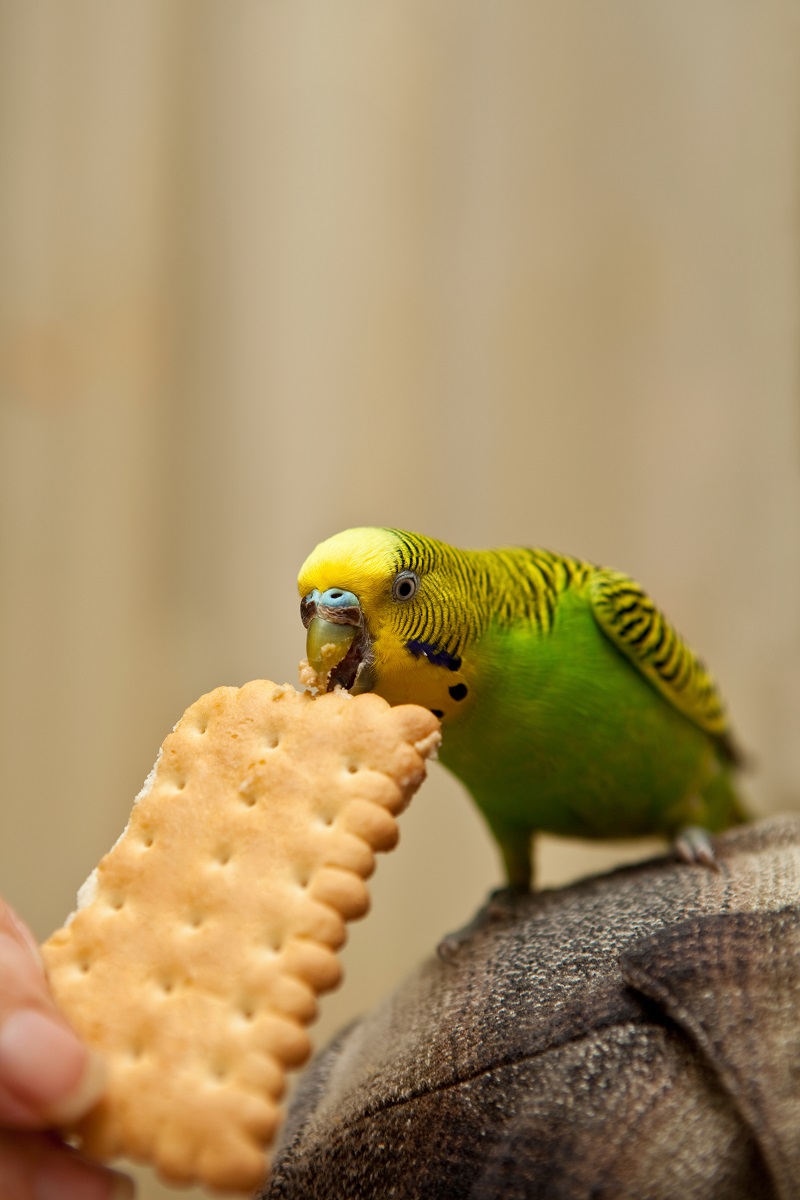
5. Processed Snacks (Chips, Fries, Pizza, Cookies, Crackers, Biscuits): These items are universally bad for budgies. They are laden with excessive salt, unhealthy fats, sugars, artificial flavorings, and preservatives. Regular consumption can lead to obesity, heart disease, kidney problems, and other chronic illnesses. Even a "Dorito chip corner" is a metabolic burden for such a small creature.
6. Aloe Vera: While the clear inner gel of the aloe plant is sometimes used topically, the green outer leaves contain aloin, a yellowish compound with strong laxative effects. Ingesting this can cause severe gastrointestinal distress in budgies.
7. Dairy Products (Ice Cream, Cheese): Budgies are lactose intolerant and lack the enzymes to digest dairy sugars. Ingesting dairy products can lead to digestive upset, including diarrhea. Furthermore, ice cream and most cheeses are high in fat and sugar, contributing to obesity and other metabolic issues. While some hard cheeses have lower lactose levels, they are still too fatty and salty to be recommended.
Expert Recommendations and Best Practices
Responsible budgie ownership extends beyond providing basic care; it encompasses a commitment to their nutritional well-being. Avian veterinarians and reputable bird welfare organizations universally advise on the following best practices:
- Portion Control and Moderation: Even safe treats should be offered in small amounts and infrequently. Treats should never exceed 10% of a budgie’s daily caloric intake.
- Gradual Introduction: Introduce new foods slowly to monitor for any adverse reactions and allow your budgie to adjust to new textures and tastes.
- Enrichment through Food: Utilize safe foods to encourage natural foraging behaviors. Hiding small pieces of vegetables or nuts in foraging toys provides mental stimulation and prevents boredom.
- "Natural and Unprocessed" Rule: Always default to single-ingredient, whole foods. If a human food item has a long list of ingredients, particularly with added sugars, salts, or preservatives, it is best to assume it is unsafe.
- Fresh Water: Ensure a constant supply of fresh, clean water, changed daily. Hydration is as crucial as diet for overall health.
- Hygiene: Thoroughly wash all fresh produce before offering it to your budgie to remove pesticides and contaminants.
Long-Term Health and Responsible Pet Ownership
The implications of a well-managed diet for a budgie’s long-term health are profound. A balanced diet contributes to a stronger immune system, brighter plumage, increased vitality, and a longer, happier life. Conversely, a poor diet is a leading cause of preventable illness and premature death in captive birds. Fatty liver disease, gout, atherosclerosis, and behavioral issues linked to nutritional deficiencies are all common consequences of improper feeding.
Responsible pet ownership involves continuous education and a proactive approach to pet health. Regular check-ups with an avian veterinarian are essential, as they can provide tailored dietary advice based on your budgie’s specific needs, age, and health status. By understanding and implementing these dietary guidelines, budgie owners can significantly enhance their pet’s quality of life, ensuring these cherished companions thrive for many years to come.
