


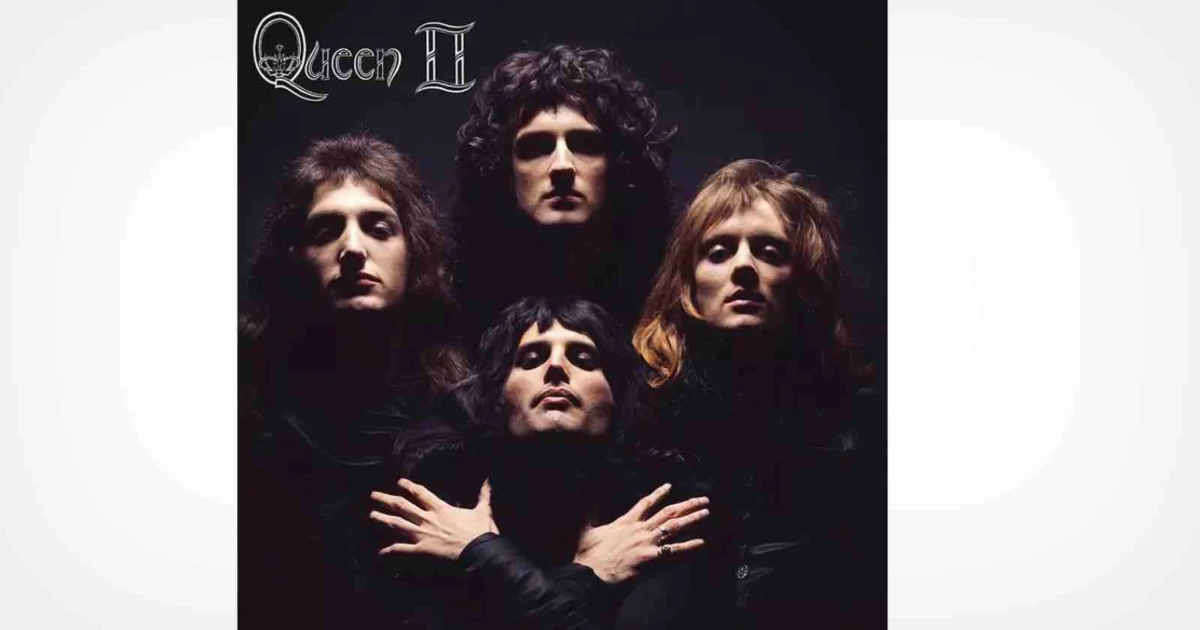
The legendary rock band Queen is currently embroiled in a high-stakes legal battle with the estate of the late Mick Rock, the acclaimed photographer responsible for one of the most recognizable images in music history. Brian May, the band’s lead guitarist, recently confirmed that Rock’s heirs are seeking "vast amounts of money," alleging that the photographer was never adequately compensated for the enduring and multifaceted use of his work. The dispute centers on the cover art for the 1974 album Queen II, a photograph that has not only defined the band’s visual identity for half a century but has also become a cornerstone of global pop culture iconography.
Mick Rock, often referred to as "The Man Who Shot the 70s," passed away in 2021 at the age of 72. During his prolific career, he captured the essence of the glam rock era, working closely with figures such as David Bowie, Lou Reed, and Iggy Pop. However, his 1974 collaboration with Queen produced what is arguably his most famous single frame: a dramatic, high-contrast portrait of Freddie Mercury, Brian May, Roger Taylor, and John Deacon emerging from a black void. While the image was originally commissioned for a burgeoning rock act’s second studio album, its subsequent reuse in promotional materials, merchandise, and the groundbreaking music video for "Bohemian Rhapsody" has turned it into a multi-million-dollar asset.
The Genesis of an Iconic Image: From 1974 to Global Legend
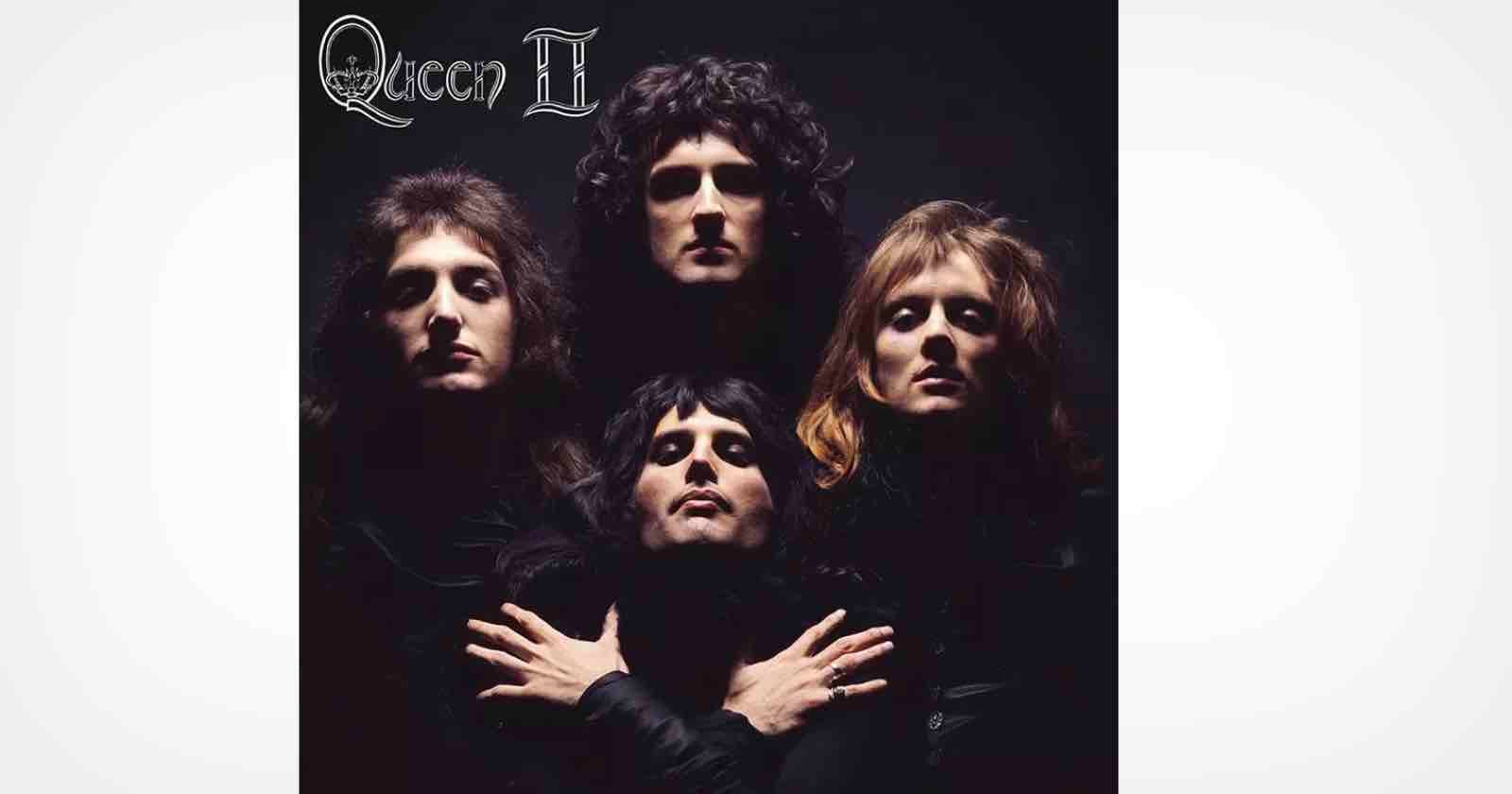
To understand the weight of the current litigation, one must look back at the creation of the Queen II cover. In late 1973, Queen was a band on the verge of a breakthrough but still seeking a definitive visual style. Mick Rock was brought in to create an image that reflected the band’s ambitious, theatrical sound. Inspired by a publicity still of actress Marlene Dietrich from the 1932 film Shanghai Express, Rock arranged the four members in a diamond formation. The lighting was stark, utilizing heavy shadows to create a sense of mystery and grandeur.
Freddie Mercury, positioned at the bottom of the diamond with his arms crossed over his chest, became the focal point of the composition. The image was so potent that when the band recorded the music video for "Bohemian Rhapsody" in 1975, they chose to recreate the pose for the opening sequence. This decision effectively tethered the photograph to the band’s most famous song, ensuring the image would be seen by billions of people over the following decades.
According to Brian May, the relationship between the band and Rock was historically positive. Speaking to the U.K. news outlet The Sun, May expressed his dismay over the legal turn of events. "Mick was a lovely guy, very ambitious, quite money-oriented," May noted. "We paid him very, very well for what he did for us." However, the guitarist claims that since Rock’s passing, his dependents have adopted an "aggressive" legal stance, asserting that the original payments did not account for the sheer scale of the image’s international exploitation.
Legal Arguments and Financial Stakes
The crux of the lawsuit appears to involve the scope of the original licensing agreement and the subsequent "Right of Publicity" or copyright residuals. In the early 1970s, music industry contracts were often less standardized than they are today. Many photographers worked on a "work-for-hire" basis, while others retained their copyrights and granted specific licenses for use on album sleeves.
The Rock estate reportedly argues that the band’s continued use of the image—ranging from the 2018 Bohemian Rhapsody biopic marketing to the recent high-end reissues of the band’s early catalog—exceeds any original agreement made in 1974. May’s comments suggest the estate is seeking millions of dollars in damages and back-royalties, claiming the band’s global success was built significantly upon the visual foundation Rock provided.
"His dependents became incredibly greedy and decided that everything was his idea, and we owed him millions and millions, not just in the UK, but all around the world," May told The Sun. "So they’re suing us all around. It’s a little hard for me to be objective about the thing."
May further lamented that the absence of Mick Rock himself has prevented a more amicable resolution. He suggested that had Rock been alive, the two parties likely could have "shaken hands" and settled the matter informally, as they had done with various professional matters over the previous 40 years.
A Growing Trend of Estate-Led Litigation
The Queen lawsuit is not an isolated incident. In recent years, the music and photography industries have seen a surge in litigation brought by the estates of deceased artists. These "legacy lawsuits" often arise when heirs seek to re-evaluate contracts signed decades ago under different economic and technological conditions.
A notable parallel can be found in the case of Chi Modu, a photographer who captured iconic images of the rapper Notorious B.I.G. Following Modu’s death, a legal battle ensued between his estate and the rapper’s estate (Notorious B.I.G. LLC). The rapper’s family sought to prevent Modu’s estate from selling merchandise featuring his photos, arguing that while Modu owned the copyright to the photos, the rapper’s "right of publicity" gave his heirs control over his likeness. That case eventually reached a settlement, but it highlighted the complex intersection of copyright law and personality rights.
Similarly, the estate of photographer Mike Disfarmer recently reached a settlement in a copyright dispute involving thousands of his glass-plate negatives. In that instance, relatives who had shown little interest in the work at the time of the photographer’s death in 1959 sought to reclaim rights decades later as the value of the work appreciated in the fine art market.
These cases underscore a fundamental tension: while photographers are the creators of the art, the subjects (the musicians) provide the commercial value of the likeness. In Queen’s case, the band argues they have already paid for the creative service, while the estate argues the value of that service has been undervalued in light of the band’s multi-billion-dollar brand.
Chronology of the Queen II Visual Legacy
- 1973: Queen commissions Mick Rock to photograph the band for their second album.
- March 1974: Queen II is released featuring the iconic "diamond formation" cover art.
- November 1975: The "Bohemian Rhapsody" music video is filmed, utilizing the Queen II pose as its primary visual motif.
- 1981: The image is used for the cover of Queen’s Greatest Hits, which becomes the best-selling album in UK history.
- 2018: The Bohemian Rhapsody film is released; promotional campaigns heavily feature the 1974 aesthetic.
- November 2021: Mick Rock passes away at age 72.
- 2024: Queen releases a major 50th-anniversary reissue of their early catalog, including high-fidelity prints of Rock’s photography.
- Late 2024/Early 2025: The Rock estate files multiple lawsuits against the band globally, seeking millions in unpaid compensation.
Broader Implications for the Music Industry
The outcome of this lawsuit could have significant ramifications for how legacy bands manage their archives. If the Rock estate is successful, it could set a precedent that allows the heirs of other 1960s and 70s photographers to reopen long-closed contracts. This is particularly relevant for the "Golden Age of Rock Photography," where many iconic images were produced during informal sessions with minimal paperwork.
For Queen, a band that has meticulously managed its brand and legacy since Freddie Mercury’s death in 1991, this legal challenge represents a rare moment of public friction. The band has generally maintained excellent relationships with its former collaborators. However, the sheer financial scale of Queen’s current operations—boosted by the "Queen + Adam Lambert" tours and the massive success of the 2018 biopic—makes them a primary target for high-value litigation.
Legal analysts suggest that the case may hinge on whether the original 1974 payment was a "flat fee" for all future rights or a limited license. In the absence of a written contract—a common occurrence in the 1970s music scene—the court may have to rely on "custom and practice" evidence from that era.
The Future of the Queen II Reissue
Despite the legal cloud, the band has moved forward with the reissue of Queen II. For fans, the album remains a masterpiece of progressive rock and glam, often cited by Brian May as one of his favorite works. The visual component remains inseparable from the music; it is impossible to listen to "The March of the Black Queen" or "Father to Son" without envisioning the stark, ethereal faces captured by Rock’s lens.
As the case moves through the courts in the UK and internationally, the music industry will be watching closely. Whether this ends in a confidential settlement or a landmark court ruling, the dispute serves as a cautionary tale for both artists and photographers about the importance of clear, future-proof contracts.
For now, the four faces of Queen continue to stare out from the darkness of the Queen II cover—an image that was meant to capture a moment in 1974, but which has instead become a multi-million-dollar battleground in the 21st century. As Brian May noted, the tragedy is not just the financial dispute, but the breakdown of a decades-long creative partnership that defined the visual language of rock and roll.
