

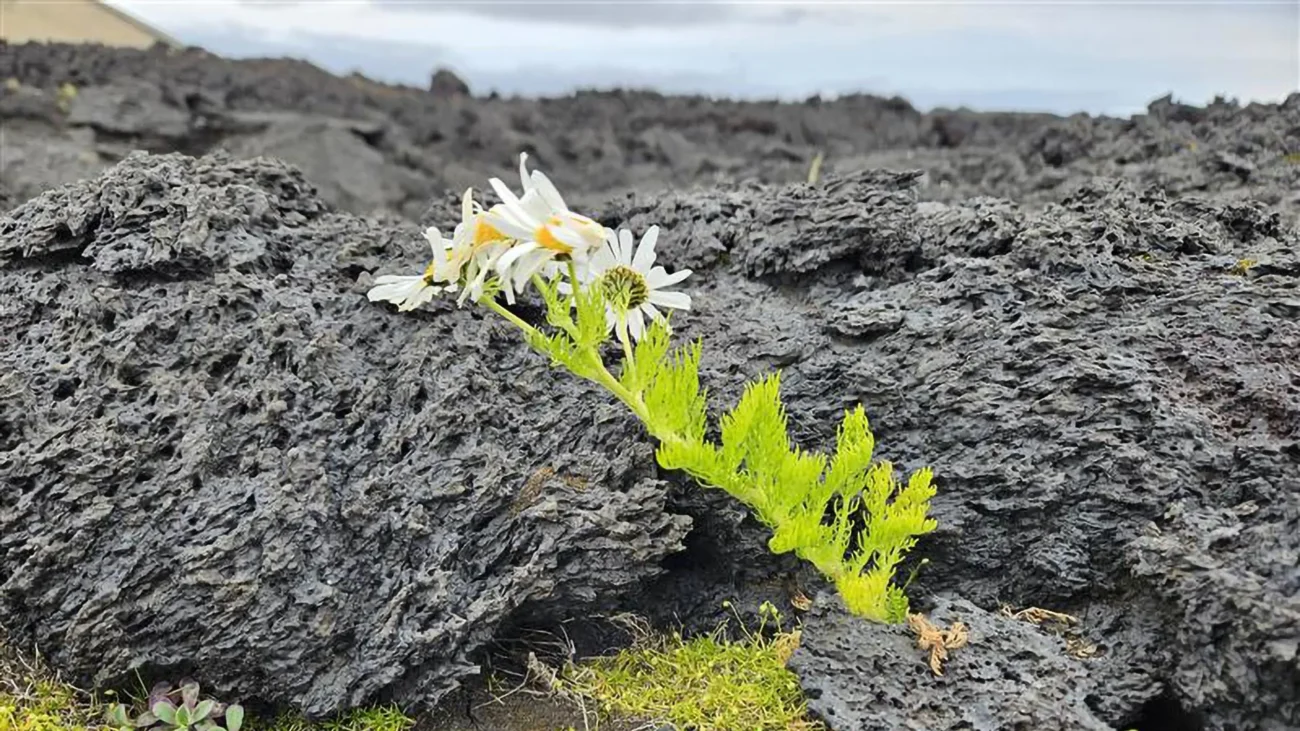
The volcanic island of Surtsey, which dramatically emerged from the North Atlantic Ocean in 1963, has long served as a unique natural laboratory, offering scientists an unprecedented opportunity to observe the nascent stages of life establishing itself on barren land. For decades, the prevailing ecological consensus held that plants colonizing remote islands primarily relied on specialized adaptations for long-distance dispersal. These adaptations were thought to include features such as fruits designed to attract avian frugivores, whose consumption and subsequent defecation would disperse seeds far and wide. Species possessing such traits were widely believed to possess a significant competitive advantage in colonizing novel and isolated environments. However, a groundbreaking recent study has significantly challenged this deeply ingrained assumption, revealing a more complex and dynamic picture of biological colonization.
A Paradigm Shift in Understanding Island Colonization
A comprehensive study published in the esteemed journal Ecology Letters has effectively upended the long-accepted theory regarding plant dispersal to isolated landmasses. Researchers hailing from Iceland, Hungary, and Spain have meticulously analyzed the flora of Surtsey, identifying 78 vascular plant species that have taken root on the island since 1965. Their findings indicate that a substantial proportion of these species lack the characteristic traits traditionally associated with long-distance seed dispersal. Instead, the study posits that the primary vectors for plant colonization on Surtsey have been avian species, including gulls, geese, and shorebirds. These birds, through their migratory patterns and feeding habits, have inadvertently transported a surprising diversity of plant seeds, either within their digestive tracts or as contaminants in their droppings. This avian-driven dispersal has laid the foundational elements for the island’s young and continuously developing ecosystem.
Birds: The Unforeseen Architects of a New Ecosystem
Dr. Pawel Wasowicz, a researcher at the Natural Science Institute of Iceland and one of the study’s key authors, articulated the profound implications of these findings. "Birds have emerged as the true pioneers of Surtsey," Dr. Wasowicz stated. "They have carried seeds of plants that, according to conventional ecological theories, should have faced insurmountable challenges in reaching the island." He further emphasized, "These results fundamentally overturn traditional assumptions about plant colonization processes. They underscore that to fully comprehend how life spreads and adapts to environmental shifts, we must meticulously examine the intricate interactions between flora and fauna. Life does not propagate in isolation; it is intrinsically linked to the movement of other life forms."
Dr. Andy Green, a co-leader of the research from the Estación Biológica de Doñana (CSIC, Spain), highlighted the far-reaching consequences of this research for both ecological science and conservation efforts. "Animals, and particularly birds, are unequivocally key drivers of plant dispersal and the establishment of new plant communities," Dr. Green explained. "As global migration routes are increasingly influenced by a warming climate, birds are poised to play an even more critical role in facilitating the movement and adaptation of plant species to evolving environmental conditions."
Surtsey: A Living Laboratory for Evolutionary Processes
The ongoing research on Surtsey underscores its exceptional value as a dynamic, living laboratory. Here, scientists are afforded the rare opportunity to directly observe the earliest stages of ecosystem development and the intricate processes of biological adaptation in real-time. The island continues to offer invaluable insights into how life establishes itself, evolves over time, and responds to the pressures of a changing world. The authors of the study advocate for a significant re-evaluation of current ecological modeling approaches. They suggest that future models should incorporate a more pronounced emphasis on observable biological interactions, moving beyond a sole reliance on the physical characteristics of seeds or rigid botanical classifications.
"Long-term ecological research, such as the dedicated work conducted on Surtsey, is of immeasurable value to the field of biology," Dr. Wasowicz commented. "It provides us with a unique window into ecological processes that would otherwise remain hidden from view – the mechanisms by which life colonizes new territories, evolves, and adapts. This type of foundational work is absolutely essential for accurately predicting and understanding the future trajectory of ecosystems in an era of rapid environmental change."
The Genesis of Surtsey: A Volcanic Birth
The story of Surtsey is intrinsically linked to the powerful geological forces of the North Atlantic. The island’s creation was the result of a sustained volcanic eruption that began on November 8, 1963, approximately 32 kilometers (20 miles) off the southern coast of Iceland. For nearly four years, the eruption continued, spewing lava and ash, and steadily building a new landmass from the ocean floor. By the time the eruption ceased in June 1967, Surtsey had reached its current size, covering an area of about 2.7 square kilometers (1.0 square miles). The island’s formation was not only a geological spectacle but also an ecological invitation, offering a pristine canvas upon which life could begin anew.
Chronology of Discovery and Observation:
- 1963: Volcanic eruptions begin, forming the island of Surtsey.
- 1965: The first scientific expeditions to Surtsey commence, marking the beginning of systematic ecological monitoring. Initial observations focus on the barren landscape and the potential for life to colonize.
- Late 1960s – 1970s: Early plant colonization is observed. Scientists begin to document the arrival of various species, initially focusing on those with readily apparent dispersal mechanisms.
- 1980s – 1990s: The diversity of plant life on Surtsey continues to grow. Researchers begin to notice species that seemingly defy conventional dispersal theories, prompting deeper investigation into the agents of colonization.
- 2000s – Present: Advanced genetic and observational studies, including detailed analysis of bird populations and their diets, provide compelling evidence for the dominant role of avian dispersal. The Ecology Letters study represents a culmination of decades of meticulous data collection and analysis.
Supporting Data: Avian Transport Mechanisms
The recent study’s findings are supported by several key observations regarding avian behavior and seed viability:
- Digestive Tract Passage: Seeds ingested by birds can survive passage through their digestive systems. Studies on various bird species have shown that seeds can remain viable for days or even weeks after being consumed, allowing for long-distance transport. For example, research on waterfowl has demonstrated that seeds can be dispersed viable after passing through their intestines.
- External Contamination: Seeds can adhere to feathers, feet, or be carried externally in mud on birds, especially those that frequent both land and aquatic environments. Shorebirds, in particular, are known to move between coastal areas and inland foraging grounds, potentially transporting seeds across significant distances.
- Dietary Habits: The diets of birds present on Surtsey, including gulls and geese, often include a variety of plant matter, seeds, and fruits. The types of seeds found within their droppings on the island align with species that have successfully established themselves, indicating a direct link between bird consumption and plant presence.
- Seed Viability Studies: Laboratory experiments have confirmed that many plant seeds, even those not specifically adapted for wind or water dispersal, can remain viable after being subjected to simulated digestive processes.
Official Recognition and Broader Scientific Context
The significance of Surtsey as a research site has been recognized globally. In 2008, Surtsey was inscribed as a UNESCO World Heritage Site, acknowledging its outstanding universal value as a natural monument and a site of immense scientific importance for understanding ecological succession and evolution. This designation underscores the island’s unique role in contributing to global scientific knowledge.
The implications of the Surtsey study extend beyond the island itself. Understanding the mechanisms of plant dispersal is critical for a variety of fields, including:
- Conservation Biology: As habitats fragment and climate change accelerates, identifying effective dispersal vectors is crucial for planning and implementing conservation strategies to help species migrate and adapt.
- Invasive Species Management: Recognizing how non-native species can arrive and establish themselves can inform efforts to prevent and manage the spread of invasive plants.
- Ecological Restoration: Knowledge of successful colonization processes can guide efforts to restore degraded ecosystems by understanding what factors facilitate the re-establishment of plant communities.
Implications for Future Ecological Research and Conservation
The findings from Surtsey serve as a potent reminder that ecological processes are often more complex and less predictable than traditional models might suggest. The study’s authors advocate for a more nuanced approach to studying plant colonization, one that integrates detailed knowledge of animal behavior, migratory patterns, and interspecies interactions. This integrated approach is vital for developing accurate predictions about how ecosystems will respond to ongoing environmental changes.
"The exceptional value of long-term research, exemplified by the Surtsey project, cannot be overstated," Dr. Wasowicz concluded. "It allows us to witness fundamental ecological processes that would otherwise remain hidden from our view – the very mechanisms by which life establishes itself, diversifies, and adapts to a constantly changing planet. This profound understanding is not merely academic; it is absolutely essential for navigating the challenges and uncertainties that lie ahead for Earth’s ecosystems in a rapidly evolving world." The insights gleaned from this remote volcanic outpost continue to reshape our fundamental understanding of life’s resilience and its remarkable capacity for dispersal and adaptation.
