

The question of whether pet birds truly benefit from antioxidant supplementation during periods of heightened physiological stress, such as molting, aging, hormonal cycles, routine disruptions, or restricted dietary variety, is a frequent topic of discussion among avian enthusiasts and a crucial aspect of contemporary avian nutritional science. While the short answer often points to "sometimes" — specifically in appropriate contexts and always as an integrated component of a comprehensive nutritional strategy — a deeper understanding reveals the nuanced role antioxidants play in maintaining cellular function and overall resilience in our feathered companions. Published on December 18, 2025, and last updated on December 27, 2025, this analysis delves into the mechanisms of oxidative stress, the function of antioxidants, and provides evidence-based guidelines for bird owners navigating the complexities of their pets’ dietary needs.
The Inevitability of Oxidative Stress in Avian Physiology
Oxidative stress is an intrinsic part of being alive, a biological phenomenon that affects all aerobic organisms, including birds. It arises from an imbalance between the production of reactive oxygen species (ROS), also known as free radicals, and the body’s ability to neutralize them or repair the resulting damage. For birds, whose metabolic rates are significantly higher than many mammals due to their need for flight and rapid energy expenditure, the generation of these metabolic byproducts is particularly pronounced. Activities such as eating, breathing, moving, growing new feathers, and metabolizing food all contribute to the constant production of free radicals.
These unstable molecules possess unpaired electrons, making them highly reactive and capable of damaging crucial cellular components like DNA, proteins, and lipids. While a certain level of ROS is normal and even necessary for various physiological signaling pathways, an excessive accumulation can lead to cellular dysfunction, inflammation, and contribute to the aging process. The avian body possesses sophisticated endogenous antioxidant defense systems, including enzymes like superoxide dismutase, catalase, and glutathione peroxidase, which work to maintain this delicate balance. However, under certain conditions, these internal defenses may be overwhelmed, necessitating additional support.
Understanding Antioxidants: Nature’s Cellular Defenders
Antioxidants are nutrients that play a critical role in helping the body manage the delicate balance of oxidative processes. They do not halt these processes entirely, but rather assist the body in efficiently neutralizing free radicals, thereby mitigating potential cellular damage. These beneficial compounds can be categorized into two main types: endogenous antioxidants, which the body produces itself, and exogenous antioxidants, which must be obtained through diet. The latter category is particularly relevant for pet bird owners, as it highlights the importance of a nutrient-rich diet.
Dietary antioxidants include vitamins such as Vitamin C (ascorbic acid) and Vitamin E (tocopherols), carotenoids (like beta-carotene, lutein, and zeaxanthin), and a vast array of polyphenols and flavonoids found in plants. These compounds work through various mechanisms, including direct neutralization of free radicals, chelation of metal ions that catalyze ROS production, and regeneration of other antioxidants. For birds, who inherently consume a diverse range of plant matter in their natural habitats, these plant-based nutrients are fundamental to their long-term health. The vibrant colors of many fruits and vegetables are often indicative of their rich antioxidant content, underscoring nature’s design for avian nutrition.
The Modern Pet Bird’s Oxidative Load: A Departure from the Wild
Even with diligent care, parrots living in domestic environments face unique challenges that significantly differ from their wild counterparts, contributing to their everyday oxidative load. These factors collectively impose a metabolic workload that the body must constantly manage:
- Indoor Air Quality: Exposure to household pollutants, aerosols, cleaning products, and even certain cooking fumes can introduce environmental stressors.
- Artificial Lighting: Lack of full-spectrum natural sunlight can disrupt circadian rhythms and impact overall physiological function, potentially influencing metabolic processes.
- Limited Foraging Variety: Captive birds often have access to a less diverse array of natural foods compared to wild birds, restricting their intake of varied phytonutrients and antioxidants.
- Processed Foods: While commercial pellets aim for nutritional completeness, they can lack the intricate array of bioactive compounds found in fresh, whole foods.
- Routine Changes and Social Stress: Any disruption to a bird’s established routine, such as cage rearrangements, new pets, owner absences, or even insufficient social interaction, can trigger a stress response, elevating metabolic demands.
- Confinement: The reduced physical activity compared to wild flight and foraging can impact metabolic efficiency and immune function.
It is crucial to understand that these factors do not necessarily signify "bad care" but represent the inherent demands of maintaining a species adapted to complex natural environments within a domestic setting. Good nutrition, therefore, plays an indispensable role in empowering birds to cope, recover, and thrive long-term against these chronic, low-level stressors.
Critical Periods for Enhanced Antioxidant Support
While a consistently balanced diet forms the bedrock of avian health, there are specific physiological states and environmental circumstances where targeted, temporary antioxidant support can be particularly beneficial, acting as a crucial complement to core nutrition. These periods often correlate with an increased metabolic demand or reduced immune function, making the bird more susceptible to the cumulative effects of oxidative stress.
Molting: A Demanding Process of Renewal
Feather production is one of the most metabolically and nutritionally intensive processes a bird undergoes. The growth of thousands of new feathers requires a substantial investment of protein, amino acids, vitamins, and minerals. This rapid cellular turnover inherently generates more free radicals. Even birds on excellent baseline diets can experience a strain on their system during this period. Antioxidants can help support the cellular machinery involved in feather growth, potentially leading to healthier, stronger plumage and a more comfortable molting experience.
Aging: Supporting Longevity and Vitality
As birds age, their endogenous antioxidant defense systems may become less efficient, and cumulative oxidative damage can contribute to age-related health issues, including declines in immune function, cognitive abilities, and organ health. Older birds, much like elderly humans, often take longer to recover from stress, illness, or environmental changes. Targeted antioxidant support can help bolster their natural defenses, potentially slowing cellular degradation, supporting immune resilience, and maintaining a higher quality of life in their senior years. This is especially pertinent for long-lived parrot species, where owners are committed to extending their companions’ healthy lifespan.
Dietary Limitations: Bridging Nutritional Gaps
The ideal pet bird diet comprises high-quality pellets supplemented with a wide variety of fresh, plant-based foods such as vegetables, fruits, and safe sprouts. These natural sources are inherently rich in a broad spectrum of antioxidants and phytonutrients. However, many captive birds do not consistently consume a sufficiently varied diet, often exhibiting preferences for certain foods or rejecting new ones. In such cases, where fresh food variety is limited, targeted antioxidant supplementation can help bridge potential nutritional gaps, ensuring the bird receives a broader array of protective compounds that might be missing from their primary diet. This is not a replacement for fresh foods but a complementary measure.
Hormonal and Seasonal Shifts: Managing Biological Rhythms
Birds are highly sensitive to changes in light cycles, which profoundly influence their hormonal activity and seasonal behaviors, including breeding cycles. These physiological shifts can place considerable physical demands on a bird’s body. For instance, the metabolic strain of egg-laying or raising young, even in an aviary setting, significantly increases nutrient requirements. Similarly, seasonal changes in temperature or light can induce physiological adjustments that elevate metabolic activity. Antioxidants can support the body’s ability to cope with these natural, yet demanding, biological rhythms, contributing to hormonal balance and overall well-being.
Environmental or Emotional Stress: Bolstering Resilience
Birds are creatures of routine, and disruptions can be profoundly stressful. Routine changes, excessive noise, travel, introduction to new environments, or social disruptions (e.g., new cage mates, changes in owner interaction) all elicit a stress response. This physiological response often involves the release of stress hormones, which can increase metabolic activity and, consequently, oxidative stress. Providing additional antioxidant support during these high-stress periods can help the body manage the increased demand, potentially mitigating the negative impacts of stress on physical condition and emotional equilibrium. This support works synergistically with behavioral management strategies to create a more resilient bird.
The Role of Antioxidant Support: Clarifying Expectations
It is critical for bird owners to understand what antioxidant support is and is not.
What it is:
- A strategic means to provide the body with additional protective nutrients during periods of normal, yet elevated, physiological demand.
- An integration of helpful compounds into existing feeding routines, often through plant-based supplements, herbs, or specific seed blends added to food or water.
- A proactive measure to support long-term cellular health and resilience, akin to a protective "buffer" or "armor" against daily stressors.
What it is not:
- A "miracle cure" or a quick fix for underlying behavioral problems or serious medical conditions.
- A substitute for fundamental care practices, including a balanced base diet (high-quality pellets and fresh produce), consistent routines, appropriate enrichment, and regular veterinary check-ups.
- A replacement for professional veterinary care when a bird exhibits signs of illness, injury, or significant behavioral changes.
The concept is to build consistent, rotating nutritional support that acts like an insurance policy, helping to cover potential nutritional gaps before they manifest as overt health issues. This thoughtful approach emphasizes prevention and long-term wellness over reactive treatment.
Common Pitfalls and Best Practices in Avian Nutrition
In their earnest desire to provide the best for their pets, bird owners can sometimes make mistakes that, while well-intentioned, can complicate health management. Most issues arise from trying to implement too many changes simultaneously or misinterpreting nutritional advice.
The Danger of Simultaneous Changes
When a bird owner modifies several variables at once—such as introducing a new diet, adjusting lighting schedules, altering daily routines, and adding multiple supplements—it becomes nearly impossible to isolate the specific impact of each change. If the bird’s condition improves, it is unclear which intervention was effective. Conversely, if the bird shows signs of stress or illness, pinpointing the cause is equally challenging. A methodical approach of introducing one change at a time, followed by a period of observation, is paramount for identifying effective strategies and avoiding unnecessary stress.
Context Matters: Beyond Online Advice
Online communities and forums are invaluable resources for shared experiences and peer support. However, they cannot replace a deep understanding of an individual bird’s unique needs, health status, and environmental context. Advice that proves beneficial for one bird, given its specific species, age, health history, and living situation, may be entirely unnecessary or even detrimental for another. Owners must critically evaluate information, cross-reference with credible sources, and, most importantly, consult with an avian veterinarian who can provide tailored guidance based on a professional assessment. Relying solely on anecdotal evidence without understanding the underlying context is a common mistake.
Building a Strong Nutritional Foundation and Safe Implementation
The cornerstone of optimal avian health is a robust everyday diet. This foundation typically consists of a high-quality, species-appropriate pelleted diet, complemented daily by a wide array of fresh, bird-safe vegetables, fruits, and sprouts. This diverse intake ensures a broad spectrum of essential vitamins, minerals, fiber, and naturally occurring antioxidants. Birds do not require numerous synthetic additives to thrive; often, simplicity, quality ingredients, and consistency yield the best results.
When considering additional antioxidant support, especially during identified periods of heightened need, a cautious and systematic approach is recommended:
- Start Small and Observe: Introduce new antioxidant-rich foods or supplements in small quantities. Monitor the bird closely for any changes in appetite, droppings, energy levels, behavior, or feather condition. Any adverse reactions warrant immediate cessation and consultation with a veterinarian.
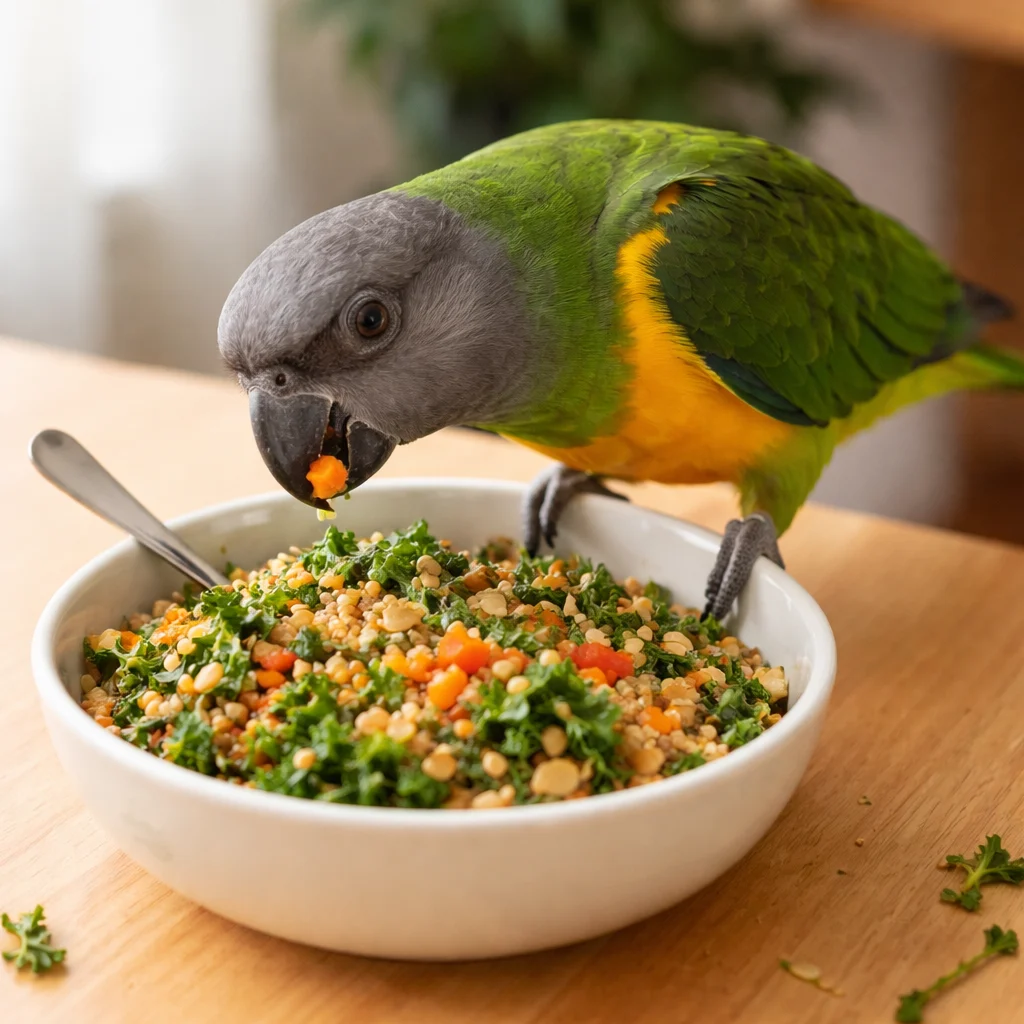
- Integrate Naturally: Prioritize natural, whole-food sources of antioxidants. Examples include berries (blueberries, raspberries), dark leafy greens (kale, spinach), bell peppers, carrots, sweet potatoes, and specific herbs like turmeric or spirulina, offered in moderation and as part of the fresh food component of the diet. (For specific options, owners can refer to specialized avian supply resources like BirdSupplies.com’s antioxidant support options.)
- Rotation is Key: Instead of relying on a single supplement or food, rotate various antioxidant-rich items throughout the week or month. This strategy ensures a broader intake of different antioxidant compounds and helps prevent potential imbalances.
- When to Involve a Professional: It is crucial to distinguish between proactive nutritional support and addressing acute health concerns. Sudden changes in a bird’s health, such as unexplained weight loss, lethargy, significant appetite changes, difficulty breathing, persistent diarrhea, or drastic behavioral shifts, are urgent signs that necessitate immediate contact with an avian or exotic veterinarian. These symptoms are not to be managed with supplements but require professional diagnosis and treatment.
Broader Implications and the Future of Avian Wellness
The growing awareness of oxidative stress and the benefits of antioxidant support reflects a broader shift in pet care towards preventative wellness and a holistic understanding of animal health. For the millions of pet birds globally, this focus translates into the potential for longer, healthier, and more vibrant lives. As research into avian nutrition continues to evolve, our understanding of specific dietary needs and the nuanced roles of various compounds will only deepen.
This emphasis also highlights the significant responsibility of bird owners to stay informed, critically evaluate information, and collaborate with avian veterinary professionals. The market for avian supplements is expanding, and discerning between evidence-based products and those making unsubstantiated claims is vital. Ultimately, the integration of thoughtful, targeted nutritional strategies into daily care routines empowers owners to proactively support their birds’ resilience against the inherent challenges of captive life. It’s a testament to the fact that small, consistent choices in diet and care often contribute more to long-term well-being than any single, dramatic intervention.
In conclusion, while a robust daily diet is the primary driver of avian health, targeted antioxidant support can serve as a valuable tool during periods of increased metabolic demand. This approach, advocated by experts like Diane Burroughs, founder of BirdSupplies.com and UnRuffledRx™, who brings over 25 years of practical experience to parrot health and nutrition, emphasizes evidence-based care and routines that empower real bird owners. By understanding the ‘why’ and ‘when’ of antioxidant supplementation, owners can make informed decisions that enhance their birds’ quality of life and longevity.
